

AC Unit Frozen? Ice on Coils? Here's What's Wrong
By NEXT Heating & Cooling
|
March 2, 2026
|
9 min read
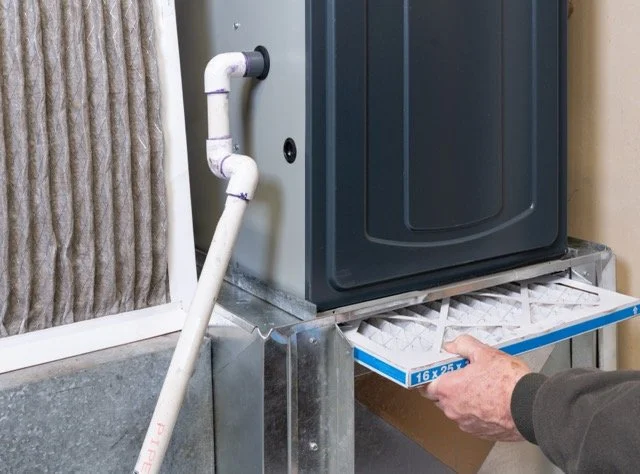
You walk past your furnace room on a humid June afternoon in Sterling Heights, and something looks wrong. Your indoor AC unit — the air handler or evaporator coil — is covered in ice. Frost is creeping across the copper lines. Water is dripping into the drain pan. The house feels warm even though the thermostat says the AC has been running nonstop.
A frozen AC unit isn't normal, and it's not something you ignore. Ice on your air conditioner coils means airflow or refrigerant flow is blocked, and your system is working against itself. Left unchecked, a frozen evaporator coil can damage your compressor — a repair that costs $1,200 to $3,500 in Southeast Michigan.
We've been diagnosing and repairing frozen AC systems across Macomb, Oakland, and St. Clair counties for over 35 years. Most of the time, the fix is straightforward. Sometimes it's a $20 air filter. Sometimes it's a refrigerant leak that requires EPA-certified work. Either way, you need to know what you're looking at and what to do next.
Here's what causes ice buildup on AC coils, how to safely thaw your system, and when you need to call in a reliable HVAC contractor in Metro Detroit to fix the underlying problem.
Why Your AC Unit Freezes Up (The Refrigerant-Airflow Connection)
Your air conditioner doesn't create cold air. It removes heat from the air inside your home and moves it outside. The evaporator coil — the indoor coil inside your furnace or air handler — is where this heat transfer happens.
Here's the process: refrigerant enters the evaporator coil as a cold liquid (around 40°F). Warm air from your home blows across the coil. The refrigerant absorbs the heat, evaporates into a gas, and travels to the outdoor compressor. The compressor pressurizes the refrigerant, sends it to the condenser coil outside, where the heat is released, and the cycle repeats.
The evaporator coil stays cold — but not freezing — because warm air constantly flows across it. When that airflow stops or slows, the coil temperature drops below 32°F. Moisture in the air condenses on the coil and freezes. Once ice starts forming, it blocks even more airflow, and the problem compounds.
Refrigerant pressure also plays a role. If your system is low on refrigerant due to a leak, the remaining refrigerant expands too much in the evaporator coil, causing the coil temperature to drop well below freezing. This is why low refrigerant and frozen coils often go hand in hand.
In Southeast Michigan, where summer humidity regularly pushes dew points into the 60s and 70s, there's plenty of moisture in the air to freeze when coil temperatures drop. That's why you'll see thick ice buildup on AC coils here faster than you would in a drier climate.
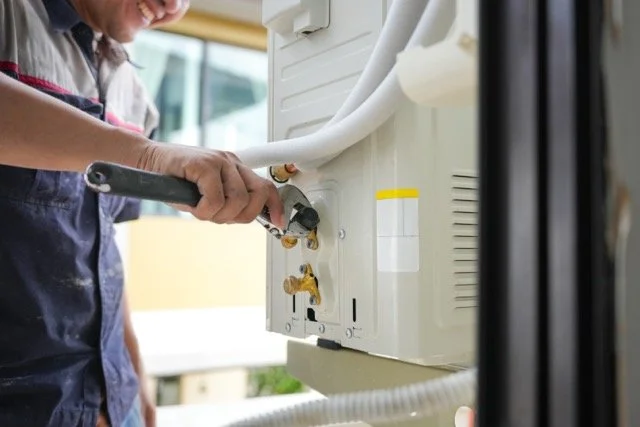
5 Reasons Your AC Coils Are Covered in Ice
When we get a service call for a frozen AC unit in Troy or Warren, we're diagnosing one of five problems. Sometimes it's a combination. Here's what we look for:
1. Dirty Air Filter Blocking Airflow
This is the most common cause — and the easiest fix. A clogged air filter restricts airflow across the evaporator coil. Less air means less heat transfer, which means the coil gets too cold and ice forms.
Standard 1-inch filters should be replaced every 30-60 days during cooling season. If you have pets, a dusty house, or you're running the AC constantly during a Michigan heat wave, you might need to replace it every 3-4 weeks. Pleated filters last longer but still need monthly checks.
We've pulled filters in Clinton Township that were so clogged they looked like felt. At that point, your AC is suffocating.
2. Blocked or Closed Supply Vents
Closing vents in unused rooms seems like a good way to save energy. It's not. Your AC system is designed to move a specific volume of air. When you close vents, you reduce airflow across the evaporator coil, which causes the same freezing problem as a dirty filter.
Furniture blocking return vents has the same effect. We've seen couches pushed against return grilles, basement storage stacked in front of air handlers, and curtains draped over floor registers. All of it restricts airflow.
Keep all supply and return vents open and unobstructed. If you have rooms you don't use, close the door but leave the vent open.
3. Low Refrigerant from a Leak
If your AC is low on refrigerant, it's because there's a leak. Refrigerant doesn't "run out" or need routine refills — it's a closed-loop system. A leak means refrigerant is escaping somewhere in the line set, evaporator coil, condenser coil, or at a connection point.
Low refrigerant causes the evaporator coil to get too cold because the remaining refrigerant expands more than it should. You'll see ice on the coil, reduced cooling performance, and often a hissing sound near the outdoor unit.
Refrigerant leaks require an EPA-certified technician to locate, repair, and recharge the system. This isn't a DIY fix. In Michigan, we work with R-410A (Puron) in most systems installed after 2010, and the newer R-454B refrigerant in systems manufactured after 2025. Mixing refrigerants or adding the wrong type damages the compressor.
Leak detection, repair, and recharge typically costs $400-$1,200 depending on the location of the leak and how much refrigerant is needed. If the leak is in the evaporator coil itself, you're often looking at coil replacement, which ranges from $800 to $2,000 installed.
4. Dirty Evaporator Coil
Even with a clean filter, dust and debris can accumulate on the evaporator coil over time. A layer of grime acts as insulation, reducing heat transfer and causing the coil to freeze.
This is more common in homes with poor filtration, homes near construction sites, or homes with pets. You won't see this from the outside — the coil is inside the air handler cabinet. A technician needs to open the unit and inspect it.
Professional coil cleaning costs $150-$300 and is part of most annual AC tune-ups. It's included in the Next Care Plan, our $5/month HVAC maintenance plan that covers spring AC tune-ups and fall furnace tune-ups.
5. Blower Motor or Fan Failure
If the blower motor inside your air handler slows down or stops working, airflow across the evaporator coil drops to zero. Ice forms fast.
Blower motor issues are often electrical — a failed capacitor, worn motor bearings, or a bad relay. You'll hear unusual sounds: squealing, grinding, or complete silence when the system should be running.
Blower motor replacement costs $400-$800 depending on the motor size and whether the unit is a furnace or a dedicated air handler. Capacitor replacement is cheaper, usually $150-$250.
If your blower isn't running, don't try to operate the AC. You'll freeze the coil and risk damaging the compressor.
What to Do Right Now If Your AC Is Frozen
If you've discovered ice on your AC unit, here's the immediate action plan:
Step 1: Turn off the AC at the thermostat. Switch from COOL to OFF. This stops the compressor from running and prevents it from trying to pump refrigerant through frozen coils, which can cause compressor damage.
Step 2: Switch the fan to ON. Change the fan setting from AUTO to ON. This keeps air moving across the coils, which speeds up the thawing process without running the compressor.
Step 3: Check and replace the air filter. Locate your furnace or air handler and inspect the filter. If it's clogged, replace it immediately. A clean filter is the first step in restoring proper airflow.
Step 4: Let the system thaw completely. It takes 4-8 hours for all the ice to melt. Check the drain pan under your indoor unit periodically. If it starts overflowing, place towels around the unit or use a wet/dry vacuum to remove excess water. Most drain pans can handle the meltwater, but older systems or systems with clogged drain lines can overflow.
Step 5: Restart and monitor. After the ice has completely melted, switch the thermostat back to COOL and set it a few degrees below room temperature. Monitor the system for 30-60 minutes. If ice starts forming again, turn it off and schedule HVAC service. Recurring ice means you have a refrigerant leak, airflow restriction, or mechanical failure that needs professional diagnosis.
Emergency Note: If your AC freezes up during a Michigan heat wave and you need cooling immediately, run the fan on ON without the compressor. This circulates air and provides some comfort while the system thaws. Don't try to chip or scrape ice off the coils — you'll damage the fins and copper tubing.
The Hidden Damage Frozen AC Units Cause
Ice on your AC coils isn't just a cooling problem. It's a warning sign that can lead to expensive damage if ignored.
Compressor damage from liquid refrigerant: The compressor is designed to compress refrigerant gas, not liquid. When the evaporator coil freezes, liquid refrigerant can make it back to the compressor instead of fully evaporating. This is called liquid slugging, and it can crack the compressor valves or seize the motor. Compressor replacement costs $1,200-$3,500 in Southeast Michigan, and at that price point, many homeowners replace the entire outdoor unit or the whole system.
Water damage from overflow: As the ice melts, the drain pan under your air handler fills with water. If the drain line is clogged or the pan is rusted through, water spills onto your basement floor, into your furnace room, or through the ceiling if the air handler is in the attic. We've seen water-damaged drywall, ruined flooring, and mold growth in Shelby Township basements because a frozen coil overflowed and the homeowner didn't catch it in time.
Reduced system lifespan: Running an AC with frozen coils puts stress on every component. The compressor works harder. The blower motor runs longer. The system cycles on and off erratically. Over time, this shortens the life of the equipment. A well-maintained AC should last 15-20 years in Michigan. A system that repeatedly freezes due to neglected maintenance might only make it 10-12 years.
The cost to replace a central AC system in Southeast Michigan ranges from $3,500 to $7,000 depending on the brand, SEER rating, and installation complexity. That's avoidable if you catch freezing issues early and address the root cause.

How Michigan's Climate Makes AC Freezing More Common
Southeast Michigan's climate creates conditions that make frozen AC coils more likely than in other parts of the country.
High humidity and dew points: Summer humidity in Metro Detroit regularly pushes dew points into the 60s and 70s. High dew points mean there's more moisture in the air. When your evaporator coil drops below 32°F due to restricted airflow or low refrigerant, that moisture condenses and freezes faster than it would in a dry climate. We see thicker ice buildup here than techs in Arizona or Colorado deal with.
Cool spring and fall nights: Michigan's shoulder seasons — late May and early September — bring warm days and cool nights. Homeowners run the AC during the day, but overnight temperatures drop into the 50s or 40s. If the AC is still running at night and airflow is restricted, the evaporator coil can freeze because the outdoor temperature is too low for efficient heat exchange. Most AC systems shouldn't run when outdoor temps drop below 60°F.
Oversized AC units in older homes: Many homes built in the 1960s through 1980s in Royal Oak, Grosse Pointe, and Lake Orion have oversized AC systems. An oversized unit cools the house too quickly, which causes short cycling — the system turns on, runs for a few minutes, shuts off, then repeats. Short cycling prevents proper dehumidification and can cause the evaporator coil to freeze because the system never runs long enough to stabilize.
Proper AC sizing is based on Manual J load calculations, not square footage alone. A 2,000-square-foot ranch in Sterling Heights might need a 2.5-ton unit, while a poorly insulated 2,000-square-foot colonial in Rochester Hills might need a 3-ton unit. Oversizing by even half a ton causes problems.
If you're replacing your AC, work with a contractor who performs load calculations and sizes the equipment correctly. We use Manual J calculations on every installation to match the system to the home, not just the thermostat.
Preventing Frozen AC Coils: Maintenance That Actually Works
Most frozen AC units are preventable. Here's what keeps your evaporator coil running at the right temperature:
Replace air filters on schedule: Set a reminder on your phone. First of every month during cooling season, check the filter. If it looks gray or clogged, replace it. Standard 1-inch filters cost $3-$8 each. Pleated filters with higher MERV ratings cost $10-$20 but last longer and filter better. Either way, a $10 filter is cheaper than a $1,500 compressor repair.
Keep vents open and unobstructed: Walk through your house and check every supply and return vent. Move furniture, storage, or curtains that block airflow. Don't close vents in unused rooms — it doesn't save energy and it causes airflow problems.
Schedule annual AC tune-ups: A professional tune-up includes coil inspection and cleaning, refrigerant level check, blower motor inspection, electrical connection tightening, and drain line clearing. This catches small problems before they turn into frozen coils and compressor failures.
Our $5/month HVAC maintenance plan includes two annual visits — a spring AC tune-up and a fall furnace tune-up. You also get priority scheduling, 10% off repairs, and no service call fees. The plan pays for itself if you need even one repair during the year, and it prevents the majority of frozen coil issues we see.
Clear outdoor unit debris: The outdoor condenser unit needs airflow too. Keep grass clippings, leaves, and landscaping at least 2 feet away from the unit. Trim back shrubs. Hose off the condenser coils once a season to remove pollen and cottonwood buildup — both are common in Michigan and both reduce efficiency.
Monitor system performance: Pay attention to how your AC runs. If you notice reduced airflow from vents, warm air instead of cool air, ice forming on the refrigerant lines, or the system running constantly without cooling the house, don't wait. Call for service before the problem escalates.
When DIY Fixes Aren't Enough: Signs You Need a Tech
Some frozen AC problems you can fix yourself. Others require a licensed technician. Here's when to call:
Ice returns after thawing: If you replace the filter, thaw the system, and ice forms again within a few hours, you have a refrigerant leak or mechanical failure. This isn't a filter problem.
You hear hissing or bubbling sounds: This indicates a refrigerant leak. Refrigerant is under high pressure, and leaks often make a hissing sound near the indoor or outdoor coils. Don't run the system — call for service.
The blower motor isn't running: If the indoor fan doesn't turn on when you set the thermostat to FAN ON, the motor, capacitor, or control board has failed. This requires electrical diagnostics and parts replacement.
Water is leaking from the indoor unit: A clogged drain line or cracked drain pan needs professional clearing or replacement. Ignoring it leads to water damage.
The system is more than 12-15 years old: If your AC is older and experiencing repeated freezing issues, refrigerant leaks, or compressor problems, repair costs often exceed 50% of replacement cost. At that point, replacement is the better investment. A new high-efficiency system (16+ SEER) will cool better, cost less to operate, and come with a 10-year parts warranty.
When you need AC installation or repair services, you want a contractor who diagnoses the real problem, explains your options clearly, and gives you fair pricing without upselling equipment you don't need. That's how we've operated for 35+ years across Macomb, Oakland, and St. Clair counties.
Our NATE-certified technicians carry the diagnostic tools and parts inventory to fix most frozen AC issues on the first visit. We work with Carrier, Lennox, Trane, Rheem, Bryant, Goodman, Amana, York, and RUUD systems. If repair doesn't make financial sense, we'll tell you — and we'll give you replacement options at fair pricing, not commission-driven upsells.
AC Frozen? We'll Diagnose It Right
NEXT Heating & Cooling has been keeping Southeast Michigan homes comfortable for over 35 years. Our NATE-certified technicians diagnose frozen AC units, refrigerant leaks, and airflow problems with honest recommendations and fair pricing. No upsells. No pressure. Just straight answers.
Frequently Asked Questions About Frozen AC Units
Can I run my AC if the coils are frozen?
+
No. Turn off the AC immediately if you see ice on the coils. Running the system with frozen coils can damage the compressor because liquid refrigerant may return to the compressor instead of evaporating fully. Switch the thermostat to OFF and the fan to ON to help thaw the ice safely.
How long does it take for a frozen AC unit to thaw?
+
It typically takes 4-8 hours for all the ice to melt completely. You can speed up the process by running the fan on ON (without the compressor) to circulate warm air across the coils. Check the drain pan periodically to make sure it doesn't overflow as the ice melts.
Will a frozen AC unit unfreeze on its own?
+
Yes, the ice will melt if you turn off the compressor. But the underlying problem won't fix itself. If the cause is a dirty filter, replace it. If the cause is low refrigerant or a mechanical failure, you need a technician to repair the system or the ice will return.
How much does it cost to fix a frozen AC unit in Michigan?
+
It depends on the cause. If it's a dirty filter, the fix costs $10-$20 for a new filter. If it's a refrigerant leak, expect $400-$1,200 for leak repair and recharge. If the blower motor failed, replacement costs $400-$800. A service call to diagnose the problem typically costs $89-$150 in Southeast Michigan.
Why does my AC keep freezing up even after I replace the filter?
+
If the filter is clean and ice keeps forming, you likely have a refrigerant leak, a dirty evaporator coil, blocked vents, or a failing blower motor. These issues require professional diagnosis. Don't keep running the system — recurring ice buildup can damage the compressor.
Can I prevent my AC from freezing with regular maintenance?
+
Yes. Replace air filters monthly during cooling season, keep vents open and unobstructed, and schedule annual AC tune-ups. A professional tune-up includes coil cleaning, refrigerant level checks, and airflow testing — all of which prevent frozen coils. Our Next Care Plan covers two annual visits for $5/month and includes priority scheduling and repair discounts.
Is a frozen AC unit covered by homeowners insurance?
+
Typically no. Most homeowners insurance policies don't cover AC repairs due to lack of maintenance or normal wear and tear. However, if the frozen coil caused water damage to your home (such as a flooded basement or ceiling damage), the water damage itself may be covered. Check your policy or call your insurance agent.