

Emergency Furnace Repair Metro Detroit: What to Do When Heat Fails
NEXT Heating & Cooling
| Published March 2, 2026 | 12 min read
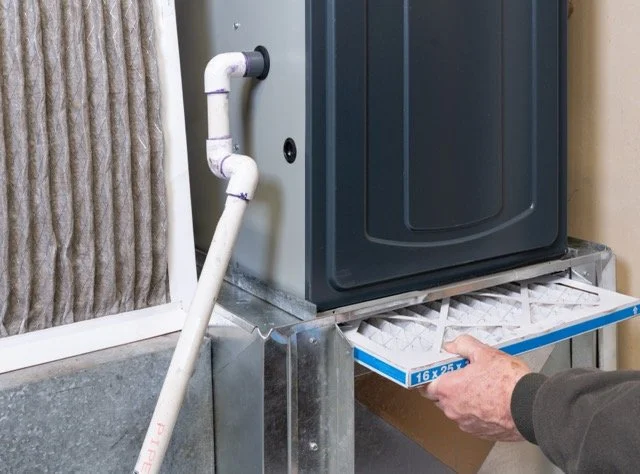
It's 11 PM on a Tuesday in January. The temperature outside your Sterling Heights home just dropped to 8 degrees. You walk past the thermostat and notice it reads 58 degrees inside—and falling. You touch the register. No warm air. Your furnace has quit.
This is the reality of emergency furnace repair in Metro Detroit. When your heating system fails during a Michigan winter, it's not just uncomfortable—it's potentially dangerous. Frozen pipes can burst within hours. Young children and elderly family members are at risk. And every minute without heat feels longer than the last.
We've been responding to emergency furnace calls across Macomb, Oakland, and St. Clair counties for over 35 years. We've seen what happens when furnaces fail during polar vortex events, ice storms, and those brutally cold January nights that define Michigan winters. This guide will walk you through exactly what to do when your heat fails, what qualifies as a true furnace emergency, and how to get your home warm again—fast.
What Qualifies as a Furnace Emergency
Not every furnace problem requires an emergency service call at 2 AM. But some situations absolutely do. Here's how to tell the difference.
Call 911 immediately if:
You smell natural gas (rotten egg odor)
Your carbon monoxide detector is alarming
You see flames or smoke coming from your furnace
Anyone in your home is experiencing symptoms of carbon monoxide poisoning (headache, dizziness, nausea, confusion)
Evacuate the house first. Call for help from outside or a neighbor's home.
Call for emergency HVAC service when:
No heat and outdoor temperatures below 32°F: When it's freezing outside and your furnace isn't producing any heat, you're racing against time before pipes freeze and burst. Most homes in Southeast Michigan will drop below 40°F indoors within 6-8 hours when the furnace fails and outdoor temps are in the teens or lower.
Burning electrical smell: If you smell burning plastic or electrical components, shut off your furnace at the breaker and call for service. This often indicates a failing blower motor, capacitor, or wiring issue that can become a fire hazard.
Furnace is short-cycling: If your furnace turns on and off every few minutes without producing adequate heat, it's working too hard and may fail completely. This is especially critical during extreme cold when you need consistent heat output.
Frozen pipes already visible: If you can see frost or ice on exposed pipes in your basement or crawl space, your furnace failure has already progressed to the danger zone. You need heat restored immediately to prevent burst pipes.
Vulnerable household members: Infants, elderly adults, and anyone with medical conditions are at higher risk from cold exposure. If you have vulnerable family members and no backup heat source, don't wait until morning.
Can probably wait until regular business hours:
Furnace is running but not heating efficiently (house is 65°F instead of 72°F)
Unusual noises but heat is still being produced
Outdoor temperature is above 40°F and you have space heaters or alternative heat
Thermostat issues when the furnace itself seems fine
The deciding factors are outdoor temperature, time until professional help is available, and whether you have vulnerable household members. When in doubt, call a reliable HVAC contractor in Metro Detroit and describe your situation—most will tell you honestly whether it's truly an emergency or can wait.

Immediate Steps When Your Furnace Stops Working
Before you call for emergency furnace repair in Metro Detroit, there are a few quick troubleshooting steps that might save you time and money. These checks take less than 10 minutes and solve the problem about 15% of the time.
Check Your Thermostat First
This sounds obvious, but we respond to calls where the issue is a thermostat set to COOL instead of HEAT, or a temperature setting that's actually lower than the current room temperature. Here's what to verify:
Mode is set to HEAT (not OFF or COOL)
Temperature setting is at least 3-5 degrees higher than current room temperature
Fan setting is on AUTO (not ON, which runs the blower constantly without heat)
Display is lit and responding—if it's blank or dim, replace the batteries
If you have a programmable thermostat, check that the schedule hasn't inadvertently set the temperature lower
After making any changes, wait 3-5 minutes. Modern furnaces have safety delays built in and won't fire up immediately after a setting change.
Verify Power Supply
Your furnace needs electrical power even if it burns natural gas. Check these power sources:
Main circuit breaker panel: Look for a breaker labeled "Furnace" or "HVAC." Make sure it's fully in the ON position (all the way to the right). If it's tripped, it will be in the middle position—flip it all the way OFF, then back to ON.
Emergency shutoff switch: Near your furnace (usually on the wall within 6 feet, or on the furnace itself), there's a light switch that controls power to the unit. It's often in a red or gray metal box. Make sure it's in the ON position. These get accidentally flipped off when people are doing laundry or storing items near the furnace.
Furnace door panel: Most modern furnaces won't run if the access panel isn't fully seated. Make sure the front panel is completely closed and any safety switches are engaged.
Inspect Your Air Filter
A completely clogged air filter is one of the most common causes of furnace shutdowns. When airflow is restricted, the heat exchanger overheats and the furnace's safety limit switch shuts everything down to prevent damage.
Find your filter (usually in a slot near the blower, or in a return air grille). Pull it out and hold it up to a light. If you can't see light through it, it's too clogged. Replace it with the correct size filter—the dimensions are printed on the filter frame.
In Michigan's dusty, dry winter air, filters clog faster than you'd think. A standard 1-inch filter should be changed monthly during heating season. If you have pets or ongoing construction nearby, check it every two weeks.
Check the Gas Valve (Gas Furnaces)
If you have a natural gas furnace, locate the gas shutoff valve on the gas line leading to your furnace. The handle should be parallel to the pipe (in line with it), which means it's open. If the handle is perpendicular (at a 90-degree angle to the pipe), the gas is shut off.
If you find the gas valve closed and don't know why, don't just open it and restart the furnace. There may have been a reason it was shut off. Call for professional service.
Look for Error Codes
Modern furnaces have LED indicator lights that flash in specific patterns to indicate what's wrong. You'll usually find this light behind the furnace access panel, near the control board.
Count the number of flashes, note any pauses or patterns, and write it down. Each manufacturer uses different codes:
Carrier/Bryant: Typically uses 2-digit codes (example: 3 flashes, pause, 3 flashes = pressure switch issue)
Lennox: Uses continuous flash patterns
Trane/American Standard: LED colors and flash patterns indicate different issues
Rheem/Ruud: Number of flashes corresponds to specific fault codes
Goodman/Amana: Steady, slow, or fast flashing indicates different problems
These codes are incredibly helpful for technicians. Even if you can't decode them yourself, writing down the exact pattern will speed up diagnosis when help arrives.
When to Stop Troubleshooting
If you've checked all of the above and your furnace still isn't producing heat, it's time to call for professional emergency furnace repair. Don't attempt to:
Remove panels beyond the basic access door
Touch any wiring or electrical components
Adjust gas valves beyond the main shutoff
Reset the furnace more than twice—if it shuts down repeatedly, there's a safety issue
Override any safety switches
Michigan's mechanical codes and manufacturer warranties exist for good reasons. Furnaces involve natural gas, high voltage electricity, and carbon monoxide risks. When basic troubleshooting doesn't solve the problem, it's time to bring in NATE-certified HVAC technicians who have the tools and training to diagnose and repair safely.
Common Emergency Furnace Failures in Southeast Michigan
After 35 years of responding to emergency calls across Metro Detroit, we see certain failures repeatedly—especially during Michigan's most brutal winter weeks. Understanding what's likely wrong can help you communicate clearly with your HVAC contractor and understand the repair process.
Cracked Heat Exchanger
This is the most serious furnace failure. The heat exchanger is the metal chamber where combustion happens. Hot combustion gases flow through it, heating the metal, and your home's air blows across the outside of the exchanger to pick up that heat.
Over years of heating and cooling cycles, the metal can develop cracks. When this happens, combustion gases—including carbon monoxide—can leak into your home's air supply.
Symptoms:
Strong chemical or metallic smell
Soot buildup around the furnace
Visible cracks or corrosion when inspecting the exchanger (requires removing panels)
Carbon monoxide detector alarming
Furnace is 15+ years old
What happens: A cracked heat exchanger cannot be safely repaired. The furnace must be replaced. This is typically a $3,500-$7,000 repair depending on the furnace size and efficiency level you choose. If your furnace is over 15 years old, replacement is almost always the right choice over attempting to patch an old system.
We see cracked heat exchangers most often in furnaces that have been undersized for the home (running constantly during cold snaps) or poorly maintained (dirty filters causing overheating).
Failed Ignitor or Flame Sensor
Modern furnaces use electronic ignition systems—either a hot surface ignitor (looks like a small glowing element) or a spark ignitor. These components fail regularly, especially in furnaces that are 7-15 years old.
The flame sensor is a thin metal rod positioned in the burner flame. It verifies that gas is actually burning. If the sensor is dirty or failing, it tells the furnace to shut down even though the burners are lit.
Symptoms:
Furnace tries to start but shuts down after a few seconds
You hear the click of the gas valve but no flame
Burners light briefly then shut off
Repeated startup attempts with no sustained heat
What happens: Ignitor replacement typically costs $150-$300 including the service call. Flame sensor cleaning or replacement runs $100-$250. These are common repairs that a technician can usually complete within an hour. We carry the most common ignitors and sensors on our trucks, so same-visit repairs are typical.
Blower Motor Failure
The blower motor moves air through your ductwork. When it fails, your furnace might produce heat, but that heat stays trapped in the furnace cabinet instead of circulating through your home.
Symptoms:
Furnace is running but no air coming from registers
Loud squealing or grinding noise from the furnace
Burning smell (from motor overheating)
Furnace shuts down on high limit switch (overheating)
What happens: Blower motor replacement costs $400-$800 depending on the motor size and type (single-speed, multi-speed, or variable-speed ECM motor). The repair typically takes 2-3 hours. Motors fail more often in furnaces that have run with dirty filters, forcing the motor to work harder to move air.
Frozen Condensate Line (High-Efficiency Furnaces)
If you have a high-efficiency furnace (90%+ AFUE rating), it produces condensation as part of the combustion process. This water drains through a PVC pipe that typically exits through your basement wall.
During Michigan's coldest weeks—especially when temperatures stay below 10°F for days—this condensate line can freeze, blocking drainage. When water backs up, the furnace's safety switch shuts everything down.
Symptoms:
Water pooling around the base of the furnace
Gurgling sounds from the furnace
Furnace shuts down after running briefly
Ice visible on the condensate drain line
What happens: The technician needs to thaw the frozen line (usually with warm water or a heat source) and clear any blockage. If the line is improperly sloped or insulated, it may need to be rerouted or insulated to prevent recurring freezing. Repair costs range from $150-$400 depending on whether the drain line needs modification.
We see this issue most often in Shelby Township and Clinton Township homes where condensate lines exit on the north side of the house and get hit with lake-effect cold.
Pressure Switch Problems
The pressure switch verifies that your furnace's exhaust vent is clear and combustion gases are being safely expelled. If the switch fails or if there's actually a venting problem, the furnace won't start.
Symptoms:
Furnace clicks but doesn't ignite
Inducer motor runs but burners don't light
Error codes indicating pressure switch failure
Furnace works intermittently
What happens: First, the technician needs to determine if the pressure switch itself has failed or if there's an actual venting problem (blocked vent, damaged vent pipe, or improper installation). Pressure switch replacement costs $150-$300. If venting repairs are needed, costs vary widely depending on the issue—from $200 for clearing a blocked vent to $800+ for replacing damaged vent piping.
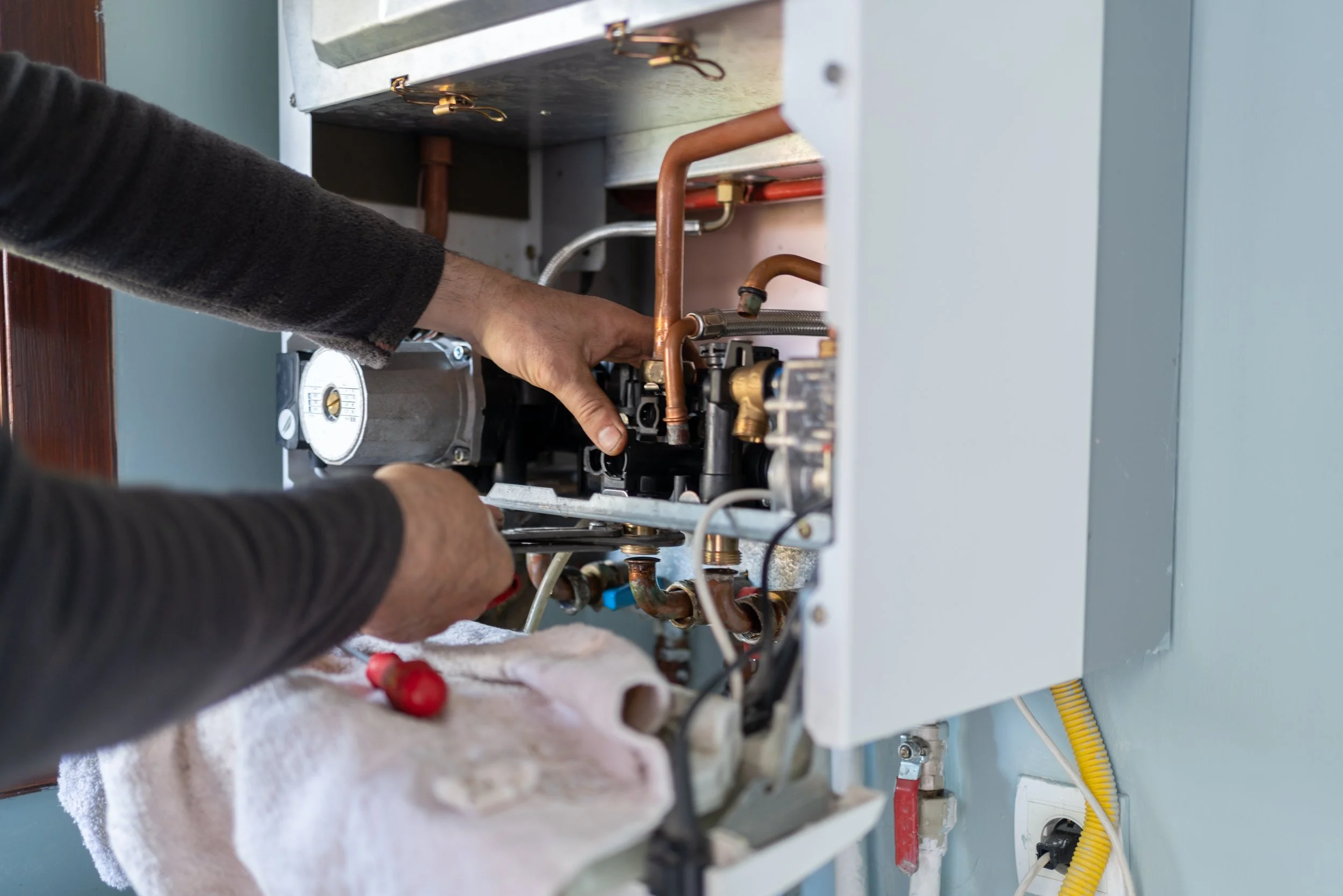
Why Michigan Winters Stress Furnaces
Southeast Michigan's climate is uniquely hard on heating systems. We don't just have cold winters—we have extreme temperature swings, high humidity in fall and spring, and polar vortex events that can drop temperatures to -10°F or colder for days at a time.
When outdoor temps hit single digits, your furnace runs almost continuously. A furnace designed to cycle on and off throughout the day is suddenly running 20+ hours straight. This extended operation stresses every component—blower motors, ignitors, heat exchangers, and control boards.
We track emergency call patterns. The highest volume comes during:
The first deep cold snap of the season (usually late November or early December)
Polar vortex events when temps stay below 10°F for multiple days
The weeks after Christmas when furnaces have been running hard for a month
This is why annual maintenance matters. A furnace that's been professionally serviced before heating season is far less likely to fail when you need it most. Our Next Care Plan includes a fall furnace tune-up specifically timed to catch these issues before the first hard freeze.
What to Expect During Emergency Furnace Repair
When you call for emergency furnace repair in Metro Detroit, here's what the process looks like—at least when you're working with a reputable contractor.
Response Time
True emergency HVAC service means 24/7 availability, including holidays. At NEXT Heating & Cooling, our typical emergency response time is 2-4 hours, though during extreme weather events (polar vortex, ice storms) it may extend to 4-6 hours as we work through a queue of emergency calls.
When you call, you should get a real person—not an answering service that takes a message. We'll ask about your symptoms, outdoor temperature, whether you have vulnerable household members, and whether you've done any basic troubleshooting. This helps us prioritize true emergencies and bring the right parts and tools.
Some contractors charge premium rates for after-hours service—typically 1.5x to 2x normal rates. We charge a flat emergency service call fee regardless of the time, because we don't think you should be penalized for a furnace that fails at midnight instead of noon.
The Diagnostic Process
A good technician will spend 20-45 minutes diagnosing your furnace before recommending any repairs. Here's what they should do:
Visual inspection: Looking for obvious issues like disconnected wires, damaged components, signs of overheating, or water damage
Check error codes: Reading the diagnostic codes from your furnace's control board
Test safety systems: Verifying that limit switches, pressure switches, and flame sensors are working correctly
Measure voltages: Using a multimeter to check that electrical components are receiving proper power
Inspect heat exchanger: Looking for cracks, corrosion, or damage (this is critical for safety)
Test combustion: Measuring exhaust gases to verify complete combustion and check for carbon monoxide
Check airflow: Verifying that the blower is moving adequate air and that ductwork isn't blocked
When the technician identifies the problem, they should explain:
What failed and why
What the repair involves
How much it will cost (parts and labor)
How long the repair will take
Whether this is a one-time fix or a sign that the furnace is reaching end-of-life
You should never feel pressured to make an immediate decision on a major repair or replacement. A legitimate contractor will give you options and let you think it through—even during an emergency call.
Repair vs. Replace: The Decision
This is the hardest conversation during an emergency call. Your furnace is dead, it's 15 degrees outside, and now you're being told it might make more sense to replace the entire system rather than repair it.
Here's the honest math we use:
Lean toward repair if:
Furnace is less than 10 years old
Repair cost is less than 30% of replacement cost
This is the first major repair
Heat exchanger is intact and healthy
You're planning to move within 2-3 years
Lean toward replacement if:
Furnace is 15+ years old
Repair cost exceeds 50% of replacement cost
You've had multiple repairs in the past 2 years
Heat exchanger is cracked or corroded
Your energy bills have been climbing
The furnace is undersized or oversized for your home
During an emergency call, we'll often do a temporary repair to get you through the night, then schedule a follow-up appointment to discuss long-term options. You shouldn't have to make a $5,000 decision at 2 AM while your house is 55 degrees.
Cost Ranges for Emergency Repairs
Here are typical costs for common emergency furnace repairs in Metro Detroit (2026 pricing):
Ignitor replacement: $150-$300
Flame sensor cleaning/replacement: $100-$250
Blower motor replacement: $400-$800
Pressure switch replacement: $150-$300
Inducer motor replacement: $400-$700
Gas valve replacement: $300-$600
Control board replacement: $300-$800
Heat exchanger replacement: Not recommended—replace furnace instead
Full furnace replacement: $3,500-$7,000 depending on size and efficiency
These prices include the emergency service call, parts, labor, and any required permits. Prices are higher for premium brands (Carrier, Lennox, Trane) and lower for builder-grade equipment (Goodman, Amana).
Temporary Heat Solutions
If your furnace needs a part that's not on the truck or if you decide to replace rather than repair, you need a plan to keep your home safe until the work is complete.
Safe temporary heat options:
Electric space heaters: Use only UL-listed heaters with tip-over protection and automatic shutoff. Never use extension cords—plug directly into wall outlets. Keep away from curtains, furniture, and anything flammable. Don't run multiple heaters on the same circuit.
Fireplace (if you have one): Wood-burning or gas fireplaces can heat a limited area. Make sure the flue is open and the chimney has been recently inspected.
Stay with family or friends: If temperatures are extreme and you have young children or elderly family members, the safest option may be to stay elsewhere until heat is restored.
Never use these for indoor heating:
Gas-powered generators (carbon monoxide poisoning risk)
Propane camping heaters not rated for indoor use
Gas stoves or ovens (carbon monoxide and fire hazard)
Charcoal grills (carbon monoxide poisoning)
For most repairs, we can restore heat the same day. For replacements, we prioritize emergency installs and can typically complete a furnace replacement within 24-48 hours.
Related: If you're dealing with repeated furnace issues, it might be time to consider replacement. Read our guide on what breaks most often in Sterling Heights furnaces to understand common failure patterns.
How to Prevent Furnace Emergencies
The best emergency furnace repair is the one you never need. While nothing can make a furnace last forever, proper maintenance dramatically reduces the risk of mid-winter breakdowns.
Annual Professional Maintenance
This is the single most important thing you can do. A professional tune-up before heating season catches 95% of problems before they become emergencies.
During a proper furnace tune-up, a technician should:
Inspect and clean the burner assembly
Check and clean the flame sensor
Test the ignitor and measure its resistance
Inspect the heat exchanger for cracks
Test all safety switches and controls
Lubricate the blower motor bearings
Check and adjust gas pressure
Test the thermostat calibration
Inspect venting and check for blockages
Measure temperature rise across the heat exchanger
Test for carbon monoxide in the exhaust and around the furnace
Change or clean the air filter
Check electrical connections and measure voltage/amperage
This isn't a 15-minute "safety inspection." A thorough tune-up takes 60-90 minutes and involves actual testing and measurement, not just a visual once-over.
Our $5/month HVAC maintenance plan includes two annual visits—a fall furnace tune-up and a spring AC tune-up. Members also get priority scheduling for emergency calls, which matters when we're running a queue during a polar vortex.
Monthly Filter Changes
This is the maintenance task homeowners can and should do themselves. During heating season (October through April in Michigan), check your filter monthly and replace it when it's visibly dirty.
A clogged filter forces your blower motor to work harder, causes the heat exchanger to overheat, and triggers safety shutdowns. It's the leading cause of preventable furnace failures.
Use the filter size specified in your owner's manual. Don't upgrade to a higher MERV rating without checking that your furnace can handle the increased airflow restriction—many residential furnaces aren't designed for MERV 13+ filters.
Keep the Area Around Your Furnace Clear
Your furnace needs combustion air and adequate clearance for service. We see furnaces surrounded by storage boxes, laundry piles, paint cans, and cleaning supplies. This is both a fire hazard and a maintenance problem.
Michigan mechanical code requires at least 30 inches of clearance in front of the furnace for service access. Keep the area clean and clear.
Watch for Warning Signs
Furnaces rarely fail without warning. Pay attention to these signs that your system is struggling:
Unusual noises: Banging, squealing, rattling, or scraping sounds indicate mechanical problems
Short cycling: Furnace turns on and off frequently without completing a full heating cycle
Rising energy bills: If your gas or electric bills are climbing but your usage hasn't changed, your furnace is losing efficiency
Uneven heating: Some rooms are hot while others are cold (can indicate ductwork or airflow issues)
Yellow burner flame: Should be blue—yellow indicates incomplete combustion
Excessive dust: If your home is suddenly dustier, your furnace may be circulating dust from dirty ductwork or a failing filter system
Frequent repairs: If you're calling for service every year, the furnace is telling you it's wearing out
When you notice these signs, schedule a service call during regular business hours—before it becomes an emergency at midnight.
Consider Replacement Timing
The average furnace lifespan in Michigan is 15-20 years with proper maintenance. If your furnace is approaching 15 years old, start planning for replacement rather than waiting for it to fail during a January cold snap.
Replacing a furnace on your timeline—during fall or spring when contractors aren't slammed—gives you more options, better pricing, and the ability to research and compare systems. Emergency replacements in January mean limited choices and scheduling pressure.
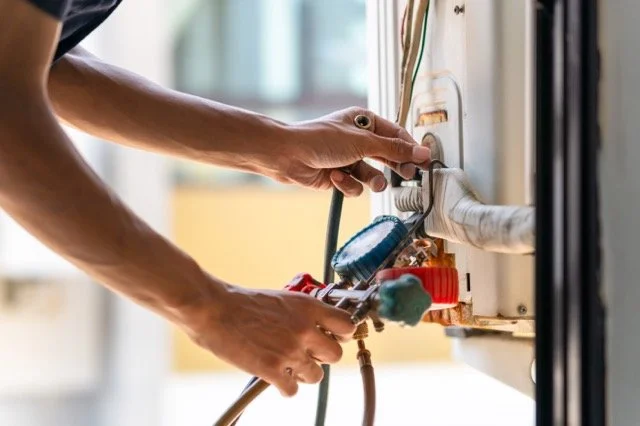
Why Choose NEXT Heating & Cooling for Emergency Furnace Repair
When your heat fails at 2 AM and it's 10 degrees outside, the contractor you choose matters. Here's what sets NEXT Heating & Cooling apart for emergency furnace repair in Metro Detroit.
True 24/7 Emergency Service
We don't use an answering service that takes messages. When you call our emergency line, you reach a real person who can dispatch a technician immediately. We serve Macomb, Oakland, and St. Clair counties with technicians positioned throughout the region for faster response times.
NATE-Certified Technicians
Every technician we send to your home is NATE-certified (North American Technician Excellence). This isn't just a piece of paper—it means they've passed comprehensive exams on heating systems, combustion, airflow, and safety. They've also completed ongoing education to stay current on new equipment and codes.
When a NATE-certified tech diagnoses your furnace, you're getting accurate information based on actual testing and measurement, not guesswork.
Honest Diagnostics—No Upselling
Our technicians aren't paid on commission. They have no financial incentive to sell you a new furnace if a $200 repair will get you through the winter. This is part of our "changing contractor culture" philosophy—we give you honest information and let you make the decision that's right for your situation and budget.
If your furnace is repairable, we'll repair it. If it's not, we'll explain why and give you replacement options at different price points. But we'll never pressure you into a decision, even during an emergency call.
Stocked Service Vehicles
Our trucks carry the most common repair parts for Carrier, Lennox, Trane, Rheem, Bryant, Goodman, Amana, York, and RUUD furnaces. This means we can complete most repairs on the first visit without having to order parts and schedule a return trip.
When we do need to order a part, we have next-day access through our distributor relationships, so you're not waiting a week for a simple component.
35+ Years Serving Southeast Michigan
NEXT Heating & Cooling operates under Premier Builder Inc., which has been serving Metro Detroit since 1991. We're the same ownership as NEXT Exteriors—a company your neighbors have trusted for decades.
We're not a national chain or a franchise. We're a local company with deep roots in this community. We support Habitat for Humanity of Oakland County and LifeBUILDERS in Detroit. When you call us, you're working with people who live and work in the same communities we serve.
Licensed, Insured, and Accredited
We hold a Michigan Mechanical Contractor License, maintain full liability and workers' compensation insurance, and carry a BBB A+ rating. We're EPA 608 certified for refrigerant handling and authorized by major manufacturers to install and service their equipment.
These credentials matter. They mean we follow Michigan mechanical codes, pull proper permits, and stand behind our work. If something goes wrong, you're protected.
Need Emergency Furnace Repair?
NEXT Heating & Cooling provides 24/7 emergency HVAC service across Macomb, Oakland, and St. Clair counties. Our NATE-certified technicians respond fast with honest diagnostics and fair pricing—no upselling, no pressure.
Frequently Asked Questions About Emergency Furnace Repair
How much does emergency furnace repair cost in Metro Detroit?
+
Emergency furnace repair costs vary by the problem. Simple fixes like ignitor replacement run $150-$300, while blower motor replacement costs $400-$800. At NEXT Heating & Cooling, we charge a flat emergency service call fee regardless of the time—we don't penalize you for a furnace that fails at midnight instead of noon. We'll diagnose the issue and give you a clear price before starting any work.
How long does emergency furnace repair take?
+
Most emergency furnace repairs take 1-3 hours from arrival to completion. Simple repairs like replacing an ignitor or cleaning a flame sensor can be done in under an hour. More complex repairs like blower motor or control board replacement may take 2-3 hours. If we need to order a part, we'll do a temporary fix to restore heat and schedule a follow-up appointment to complete the permanent repair.
What's the fastest way to get emergency furnace repair in Metro Detroit?
+
Call a licensed HVAC contractor with true 24/7 emergency service. At NEXT Heating & Cooling, our typical response time is 2-4 hours for emergency calls in Macomb, Oakland, and St. Clair counties. During extreme weather events when call volume is high, it may extend to 4-6 hours. When you call, have your furnace make, model, and symptoms ready—this helps us bring the right parts and prioritize true emergencies.
Should I repair or replace my furnace during an emergency?
+
Repair if your furnace is less than 10 years old, the repair costs less than 30% of replacement cost, and the heat exchanger is intact. Replace if the furnace is 15+ years old, repair costs exceed 50% of replacement cost, you've had multiple repairs recently, or the heat exchanger is cracked. During an emergency call, we often do a temporary repair to get you through the night, then schedule a follow-up to discuss long-term options—you shouldn't make a $5,000 decision at 2 AM.
Can I prevent furnace emergencies?
+
Yes—annual professional maintenance reduces emergency breakdowns by 95%. A proper fall tune-up catches failing components before they quit during a cold snap. Also change your air filter monthly during heating season, keep the area around your furnace clear, and watch for warning signs like unusual noises, short cycling, or rising energy bills. The NEXT Care Plan includes two annual tune-ups (fall furnace, spring AC) for just $5/month, plus priority emergency scheduling.
What should I do while waiting for emergency furnace repair?
+
Use electric space heaters (UL-listed, plugged directly into wall outlets—no extension cords) to heat essential rooms. Close doors to unused rooms to concentrate heat. Open cabinet doors under sinks to prevent pipes from freezing. Let faucets drip slightly if temperatures are below 20°F. Never use gas-powered generators, propane camping heaters, gas stoves, or charcoal grills indoors—these create deadly carbon monoxide. If you have young children or elderly family members and temperatures are extreme, consider staying with family until heat is restored.
Does homeowners insurance cover emergency furnace repair?
+
Standard homeowners insurance typically does not cover furnace repairs due to normal wear and tear or lack of maintenance. However, if your furnace failure causes secondary damage (like frozen burst pipes), that damage may be covered. Some insurance companies offer equipment breakdown coverage as an add-on that covers mechanical failures. Check your policy or call your agent to verify your coverage. A home warranty may cover furnace repairs, but read the fine print—many have coverage caps, deductibles, and exclusions for older equipment.