

Air Duct Cleaning Cost Michigan: What Homeowners Pay in 2026
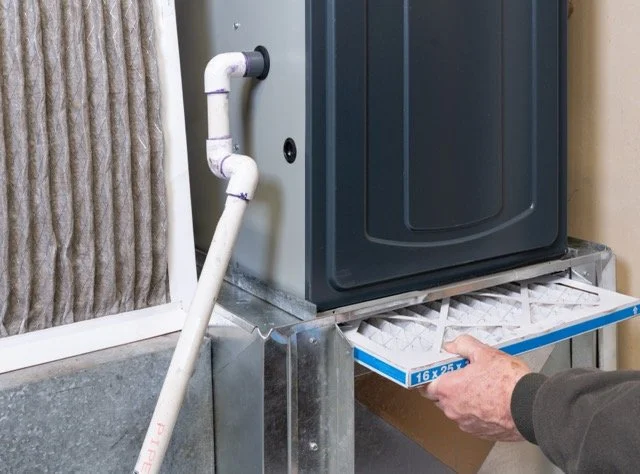
If you've been getting quotes for air duct cleaning in Michigan, you've probably noticed the prices are all over the map. One company offers "$99 whole house cleaning." Another quotes $1,200 for the same job. A third tells you that you need mold remediation for an extra $800 — even though you've never seen mold.
After 35 years keeping Michigan homes comfortable, we've seen every duct cleaning pitch imaginable. Some are legitimate. Many are not. And most homeowners in Sterling Heights, Troy, and Rochester Hills are asking the wrong question entirely.
The question isn't just "How much does air duct cleaning cost in Michigan?" It's "Do I actually need it — and if so, what should I expect to pay for a job done right?"
Let's break down the real numbers, what impacts pricing, when cleaning is actually worth the investment, and what HVAC services Metro Detroit families count on instead of unnecessary duct cleaning.
What Air Duct Cleaning Actually Costs in Southeast Michigan
For a typical Michigan home — 1,500 to 2,500 square feet with a standard forced-air heating and cooling system — expect to pay between $450 and $900 for professional air duct cleaning from a reputable, NADCA-certified contractor.
Here's how pricing typically breaks down across Southeast Michigan:
| Home Size | Typical Duct System | Average Cost Range |
|---|---|---|
| 1,000-1,500 sq ft | 8-12 vents | $400-$600 |
| 1,500-2,500 sq ft | 12-16 vents | $550-$800 |
| 2,500-3,500 sq ft | 16-22 vents | $750-$1,100 |
| 3,500+ sq ft | 22+ vents | $1,000-$1,500+ |
That price should include:
- Cleaning of all supply and return vents
- Main trunk lines and branch ducts
- Furnace blower compartment
- Return air plenum
- Visual inspection with camera (before and after)
- HEPA-filtered negative air machine to prevent dust spread
- Proper sealing of access points after cleaning
Anything significantly cheaper than this range is a red flag. Anything significantly more expensive needs justification — like documented mold remediation, extensive rodent contamination, or unusually complex ductwork in older Michigan homes.
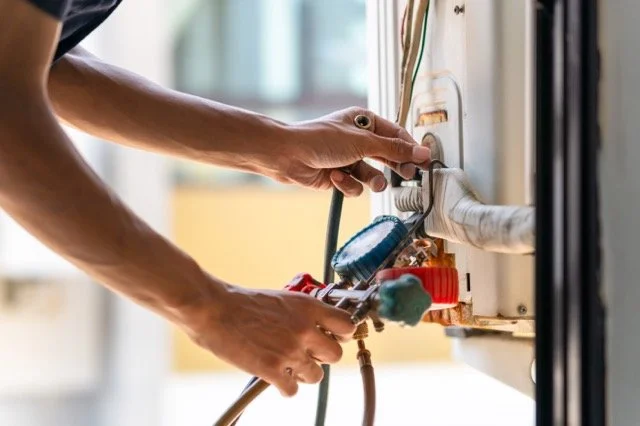
What Impacts Air Duct Cleaning Costs in Michigan
Not all duct systems are created equal. Here's what drives pricing up or down in Southeast Michigan homes:
Home Size and Ductwork Complexity
The more vents and linear feet of ductwork you have, the longer the job takes. A 1,200-square-foot ranch in Warren with 10 vents is straightforward. A 3,500-square-foot colonial in Bloomfield Hills with three zones, 24 vents, and multiple returns? That's a different job entirely.
Accessibility Issues
Michigan homes — especially those 1960s ranches common in Macomb County — often have ductwork running through tight crawl spaces, low basements, or above finished ceilings. If the technician can't easily access trunk lines, expect to pay more for the extra labor.
Duct Material and Condition
Metal ductwork is easier to clean than flex duct. Flex duct (the ribbed, flexible tubing common in newer homes) can trap more dust and is more delicate to clean without damage. Older homes may have asbestos-wrapped ducts that require special handling or can't be cleaned at all without remediation.
Contamination Level
Light dust accumulation is standard. Visible mold growth, rodent droppings, construction debris, or water damage requires remediation-level work — which can add $500 to $2,000+ depending on severity. Any legitimate contractor will document contamination with photos before quoting remediation costs.
Number of HVAC Systems
If you have separate furnaces for upstairs and downstairs, or a dedicated system for a finished basement, that's two complete duct systems to clean. Pricing typically increases 60-80% for the second system (not double, since the crew and equipment are already on-site).
Dryer Vent Cleaning
Many companies bundle dryer vent cleaning for an additional $100-$150. This is actually a smart add-on — dryer vents are a genuine fire hazard when clogged with lint, unlike ductwork which rarely poses safety risks.
Michigan-Specific Reality: Homes in Lake Orion, Chesterfield, and other areas near water often have higher humidity levels, which can lead to more dust accumulation and occasional mold growth in ductwork. If your home backs up to Lake St. Clair or you're in a flood-prone area, ask about moisture inspection during cleaning.
When Air Duct Cleaning Is Actually Worth the Cost
Here's the truth most duct cleaning companies won't tell you: the EPA does not recommend routine duct cleaning for most homes. Neither does the National Air Duct Cleaners Association (NADCA), despite being the industry trade group.
Duct cleaning is worth the cost in these specific situations:
After Major Renovation or Construction
If you've just finished a kitchen remodel, basement finishing, or whole-house renovation, your ducts are likely full of drywall dust, sawdust, and construction debris. This is the most common legitimate reason for duct cleaning in Southeast Michigan. We see this constantly in Troy and Rochester Hills where older homes are being extensively updated.
Documented Mold Growth Inside Ducts
Not suspected mold. Not "it smells musty." Actual visible mold growth on duct surfaces, documented with photos or video inspection. This usually happens after water damage from a burst pipe, roof leak, or flooded basement. If you've had water intrusion near your furnace or ductwork, get a proper inspection.
Rodent or Pest Infestation
If mice, squirrels, or other pests have nested in your ductwork (common in older Michigan homes with gaps in duct sealing), you need professional cleaning and remediation. Rodent droppings and urine create genuine health hazards and odor issues that filters won't solve.
Excessive Dust Buildup After Years of Neglect
If you've purchased an older home where the HVAC system hasn't been maintained in a decade or more, and you can see thick dust accumulation on vent grilles and inside ducts with a flashlight, cleaning may improve airflow and indoor air quality. But this is the exception, not the rule.
When Duct Cleaning Is NOT Necessary
You do not need duct cleaning just because:
- You see dust on furniture (that's normal in Michigan winters when homes are sealed tight)
- A contractor shows you dust inside a vent (there's always some dust — that's what filters are for)
- "It's been five years since your last cleaning" (most homes never need cleaning)
- You have allergies or asthma (better air filters and proper HVAC maintenance plans are more effective)
- Someone claims mold without showing you visual evidence
The EPA's guidance is clear: "Duct cleaning has never been shown to actually prevent health problems. Neither do studies conclusively demonstrate that particle levels in homes increase because of dirty air ducts."
Red Flags: Duct Cleaning Scams Common in Michigan
The duct cleaning industry has a reputation problem for good reason. Here are the scams we see constantly in Metro Detroit:
The "$99 Whole House Special"
This is bait-and-switch 101. You call for the advertised $99 cleaning. The technician arrives, looks at your system, and suddenly "discovers" mold, excessive contamination, or broken ductwork that requires an additional $800-$1,500 in services. The original $99 service is essentially useless — they blow some air through a few vents and call it done.
Legitimate duct cleaning cannot be done properly for $99. The equipment alone (truck-mounted negative air machines, rotary brushes, HEPA filters) costs tens of thousands of dollars. A crew of two technicians spending 3-4 hours at your home cannot work for $99. The math doesn't work.
Mold Scare Tactics Without Testing
A technician shows you dark spots inside a vent and claims it's "dangerous black mold" requiring immediate remediation. Real mold testing involves lab analysis, not visual inspection. Many dark spots in ductwork are dust, dirt, or harmless surface discoloration.
If someone claims mold, ask for documentation. Legitimate contractors will recommend third-party mold testing before quoting remediation work.
Unnecessary Add-Ons and Upsells
"Your ducts need sanitizing spray" ($200). "We should seal your ducts with Aeroseal" ($1,500). "You need UV light installation" ($600). Some of these services have value in specific situations, but they're often pushed as mandatory when they're not.
Sanitizing sprays are rarely necessary unless you've had biological contamination (rodents, sewage backup). Duct sealing is valuable, but it's a separate service from cleaning. UV lights work for certain indoor air quality issues, but they don't replace proper cleaning.
No NADCA Certification
NADCA (National Air Duct Cleaners Association) certification isn't perfect, but it's the industry standard. Certified contractors have training in proper cleaning methods and are more likely to follow EPA guidelines. If a company isn't NADCA-certified, ask why.
Pushy Sales Tactics
Legitimate HVAC contractors don't pressure you. If someone is pushing hard for an immediate decision, claiming "prices go up tomorrow" or "we can only offer this discount today," that's a sales tactic, not honest business practice.
At NEXT Heating & Cooling, we've built our reputation on honest diagnostics and no-pressure recommendations. That same philosophy applies to duct cleaning — we'll tell you if you don't need it.
What Professional Duct Cleaning Should Include
If you do need duct cleaning, here's what a proper job looks like according to NADCA standards:
Pre-Cleaning Inspection
A technician should inspect your entire duct system with a camera before starting work. This documents the current condition, identifies problem areas, and gives you visual proof of what needs cleaning. Any legitimate contractor will show you the footage.
Negative Air Machine Setup
Professional duct cleaning uses a large negative air machine (often truck-mounted) that creates suction throughout the entire duct system. This prevents dust and debris from being blown into your living space during cleaning. The machine should have HEPA filtration to capture particles before exhausting air outside.
Mechanical Agitation
Ducts aren't cleaned just by vacuuming — technicians use rotary brushes, compressed air whips, or other mechanical tools to dislodge stuck-on dust and debris from duct surfaces. This is the labor-intensive part that separates real cleaning from the "$99 special."
All Components Cleaned
A complete job includes:
- All supply ducts (the vents that blow air into rooms)
- All return ducts (the vents that pull air back to the furnace)
- Main trunk lines and branch ducts
- Furnace blower compartment and housing
- Evaporator coil (if accessible without refrigerant system disruption)
- Return air plenum
- Registers and grilles (removed, cleaned, reinstalled)
Proper Access Point Sealing
Technicians often need to cut access holes in ductwork to reach certain sections. These holes must be properly sealed afterward with metal patches and mastic sealant — not just duct tape, which fails quickly.
Post-Cleaning Verification
After cleaning, the technician should do another camera inspection showing the results. You should see a visible difference in duct cleanliness. If they don't offer before-and-after documentation, that's a red flag.
Filter Replacement
Your furnace filter should be replaced after duct cleaning — the cleaning process often dislodges dust that the filter will catch. A good contractor includes a new filter in the service price.
Time Investment: Proper duct cleaning for a typical Michigan home takes 3-5 hours with a two-person crew. If someone claims they can clean your whole system in 45 minutes, they're not doing it right.
Better Investments Than Duct Cleaning for Most Michigan Homes
If you're concerned about indoor air quality, dust, or HVAC efficiency, here are investments that deliver better returns than duct cleaning for most Southeast Michigan homeowners:
High-Efficiency Air Filters (MERV 11-13)
Upgrading from the cheap fiberglass filters (MERV 1-4) that come with most systems to a pleated MERV 11 or MERV 13 filter makes a dramatic difference in air quality. These filters capture dust, pollen, pet dander, and mold spores before they circulate through your home.
Cost: $15-$30 per filter, replaced every 3 months. That's $60-$120 per year — far less than duct cleaning, with ongoing benefits.
Important: Don't jump to MERV 16 or HEPA filters without consulting an HVAC technician. These high-efficiency filters create more airflow resistance and can strain older furnace blowers, reducing efficiency and shortening equipment life. Most residential systems work best with MERV 11-13.
Professional Duct Sealing
The Department of Energy estimates that 20-30% of conditioned air is lost through duct leaks in a typical home. Sealing ductwork — especially at joints, connections, and where ducts meet registers — improves comfort, reduces energy bills, and prevents dust infiltration from crawl spaces and attics.
Professional duct sealing (using mastic sealant, not tape) costs $800-$1,500 for most Michigan homes and delivers measurable energy savings. Aeroseal (a pressurized sealing process) costs $1,500-$3,000 but can seal leaks that manual sealing misses.
This is a better investment than cleaning for most homes because it addresses the root cause of dust infiltration and energy waste.
Regular Furnace and AC Maintenance
Annual furnace tune-ups and AC maintenance keep your system running efficiently, catch problems early, and include blower compartment cleaning — which is where most dust accumulation happens.
The NEXT Care Plan costs just $5/month ($60/year) and includes two annual visits — fall furnace tune-up and spring AC tune-up. That's far more valuable than one-time duct cleaning for most Michigan homeowners.
Regular maintenance prevents the dust buildup that makes duct cleaning necessary in the first place.
Whole-Home Air Purification Systems
If allergies, asthma, or indoor air quality are genuine concerns, consider installing:
- Media air cleaners: High-efficiency filters (4-5 inches thick) that capture more particles than standard 1-inch filters. Cost: $400-$800 installed.
- UV germicidal lights: Installed in the ductwork to kill mold, bacteria, and viruses. Particularly useful in humid Michigan basements. Cost: $500-$900 installed.
- Whole-home dehumidifiers: Control humidity levels that promote mold growth and dust mite populations. Cost: $1,200-$2,500 installed.
These systems provide ongoing air quality benefits, unlike duct cleaning which is a one-time service with temporary results.
Blower Motor and Coil Cleaning
Most dust accumulation happens at the furnace blower and evaporator coil, not in the ductwork. Annual professional cleaning of these components (included in most maintenance plans) delivers better results than duct cleaning for improving airflow and system efficiency.
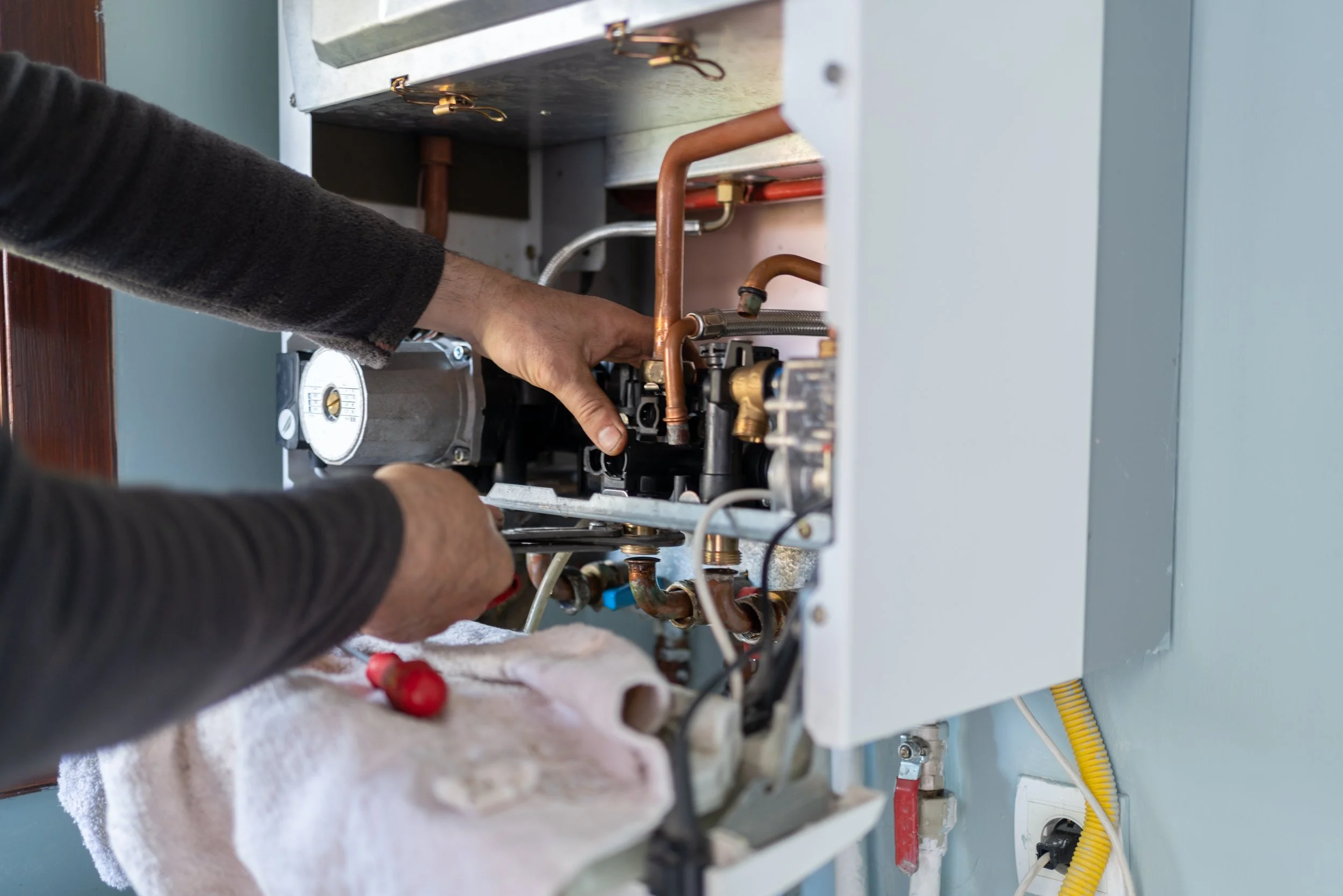
When homeowners in Sterling Heights, Clinton Township, or Grosse Pointe Farms ask us about duct cleaning, we start with an honest conversation about whether they actually need it. Often, better filtration and regular maintenance solve the problem at a fraction of the cost.
That's the NEXT Heating & Cooling difference — we recommend what you need, not what generates the biggest invoice. It's the same approach that's built our reputation across Southeast Michigan for over 35 years.
Need Honest Advice About Your HVAC System?
NEXT Heating & Cooling provides transparent diagnostics and fair pricing for all your heating and cooling needs. Our NATE-certified technicians will tell you what you actually need — no upselling, no pressure tactics. Serving Macomb, Oakland, and St. Clair counties.
Schedule Your ServiceFrequently Asked Questions About Air Duct Cleaning Costs in Michigan
The EPA and NADCA do not recommend routine duct cleaning on a schedule. Most Michigan homes never need duct cleaning unless there's been renovation work, water damage, pest infestation, or documented mold growth. The "every 3-5 years" recommendation you hear from duct cleaning companies is a marketing claim, not based on building science. Focus instead on regular filter changes (every 3 months), annual HVAC maintenance, and proper system operation.
Probably not. The EPA states that duct cleaning has not been proven to reduce energy costs. What does reduce energy bills is sealing duct leaks (20-30% energy savings), upgrading to high-efficiency equipment, proper insulation, and regular maintenance. If your energy bills are high, the problem is more likely leaky ductwork, an aging furnace, poor insulation, or a system that's not properly sized for your Michigan home — not dust in the ducts.
Only if there's extreme dust buildup or blockage — which is rare. Normal dust accumulation doesn't significantly restrict airflow. If you're experiencing poor airflow, the more common causes are: clogged air filters, dirty blower wheels, blocked return vents, closed dampers, or undersized ductwork. A good HVAC technician will diagnose the actual cause rather than automatically recommending duct cleaning. Often, cleaning the blower motor and replacing the filter solves airflow issues at a fraction of the cost.
Proper duct cleaning for a typical Michigan home (1,500-2,500 square feet) takes 3-5 hours with a two-person crew. This includes setup of the negative air machine, mechanical cleaning of all supply and return ducts, blower compartment cleaning, access point sealing, and post-cleaning inspection. If someone claims they can clean your entire system in 45 minutes or an hour, they're not doing a thorough job — they're likely just running a vacuum through a few vents and calling it done.
Routine duct cleaning is not covered. However, if duct cleaning is necessary due to a covered event — like water damage from a burst pipe, fire damage, or sewage backup — your insurance may cover it as part of the restoration work. You'll need documentation showing the contamination was caused by the insured event. Always check with your insurance company before scheduling work and get written approval if you're filing a claim.
DIY duct cleaning is generally not effective and can cause damage. You can vacuum out registers and the first few feet of accessible ductwork, but you can't reach the main trunk lines, vertical runs, or areas behind walls without professional equipment. Shop vacuums don't have the suction power needed, and you risk damaging flex ductwork or dislodging connections. If you're concerned about dust, focus on what you can control: change filters regularly, vacuum registers, keep the blower compartment clean, and invest in better filtration.
Duct cleaning removes dust and debris from inside the ducts. Duct sealing closes gaps and leaks in ductwork to prevent conditioned air from escaping into attics, crawl spaces, or wall cavities. For most Michigan homeowners, sealing is more valuable than cleaning because it reduces energy waste, improves comfort, and prevents dust infiltration from unconditioned spaces. Sealing delivers ongoing benefits, while cleaning is a one-time service. If you're choosing between the two, sealing usually provides better return on investment.