

What HVAC Maintenance Plans Cover & Why They Pay Off in MI

I've been servicing HVAC systems in Southeast Michigan for over two decades, and the question I hear most often isn't about which furnace brand to buy or whether to upgrade to a heat pump. It's this: "Do I really need a maintenance plan, or is it just something you're trying to sell me?"
Fair question. The HVAC industry has earned some skepticism. But here's what I tell homeowners in Sterling Heights, Troy, and across Macomb County: a maintenance plan isn't about selling you something extra. It's about preventing the $3,000 furnace repair call in January when your heat exchanger cracks during a polar vortex.
Let me show you exactly what a real HVAC maintenance plan in Metro Detroit includes, what it costs, and why the math works strongly in your favor when you're running heating equipment six to seven months a year in Michigan.
What a Real HVAC Maintenance Plan Actually Includes
Not all maintenance plans are created equal. Some contractors will show up, change your filter, and call it a tune-up. That's not maintenance—that's bare minimum service you could do yourself.
A legitimate maintenance plan from a licensed HVAC contractor in Metro Detroit includes two comprehensive visits per year: a fall furnace tune-up and a spring air conditioning tune-up. Here's what actually happens during each visit.
Fall Furnace Tune-Up (September–October)
Before Michigan's heating season starts, your technician should perform these specific inspections and adjustments:
- Heat exchanger inspection: We're looking for cracks, rust, or warping that could leak carbon monoxide into your home. This is the single most important safety check. Heat exchanger replacement costs $1,500–$4,000, but catching a small crack early can mean a repair instead of replacement.
- Burner assembly cleaning and adjustment: Dirty burners reduce efficiency and create soot buildup. We clean the burners, check flame color (should be steady blue), and adjust gas pressure to manufacturer specs.
- Ignition system testing: Whether you have a standing pilot, electronic ignition, or hot surface igniter, we test the system under load to ensure reliable startups when it's 5°F outside.
- Blower motor and capacitor inspection: The blower motor runs thousands of hours during a Michigan winter. We check amp draw, lubricate bearings if applicable, and test the capacitor. A failing capacitor ($150–$300 to replace) will kill your blower motor ($400–$800).
- Thermostat calibration: We verify your thermostat is reading temperature accurately and cycling your furnace properly. Even a 2-degree calibration error wastes energy.
- Flue pipe and venting inspection: We check for blockages, proper draft, and secure connections. Blocked venting is a carbon monoxide hazard.
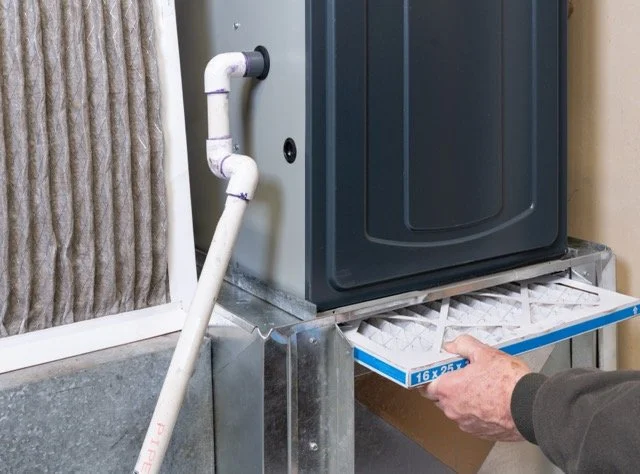
- Filter replacement: We install a new filter and show you where to buy them and how often to change them (usually every 60–90 days during heating season).
- Safety controls testing: Limit switches, rollout switches, and pressure switches all get tested to ensure they'll shut down the furnace if something goes wrong.
Spring AC Tune-Up (April–May)
Before Southeast Michigan's humid summers arrive, your air conditioning system needs attention:
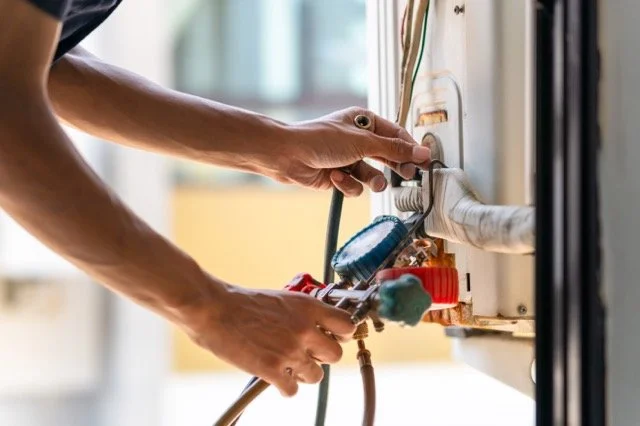
- Refrigerant charge verification: We measure superheat and subcooling to ensure your system has the correct refrigerant charge. Low refrigerant (from a leak) reduces cooling capacity and can damage the compressor. Compressor replacement costs $1,200–$3,500.
- Condenser coil cleaning: The outdoor unit collects cottonwood seeds, grass clippings, and dirt. A dirty coil reduces efficiency by 20–30% and forces your compressor to work harder.
- Evaporator coil inspection: We check for dirt buildup, verify proper airflow, and look for signs of a refrigerant leak (ice formation, oil residue).
- Condensate drain cleaning: Michigan's humidity means your AC produces a lot of condensate. A clogged drain line causes water damage to ceilings and walls. We flush the drain and treat it with algaecide.
- Electrical connections tightening: Vibration loosens connections over time. Loose connections create resistance, which generates heat and can start electrical fires.
- Contactor and capacitor testing: These components fail frequently. We test them and replace if necessary before they leave you without cooling during a heat wave.
- Thermostat testing in cooling mode: We verify the thermostat is calling for cooling properly and that temperature differentials are correct.
- Ductwork inspection (visual): We look for disconnected ducts, excessive dust, and airflow issues that reduce efficiency.
This is what you're paying for when you invest in an affordable HVAC maintenance plan—not just a filter change, but a comprehensive inspection by NATE-certified technicians who know what to look for.
The Real Cost of Skipping Maintenance in Michigan
Let's talk numbers, because this is where the "does it pay for itself" question gets answered.
The average HVAC maintenance plan in Southeast Michigan costs $100–$300 per year. Our Next Care Plan is $5 per month ($60 per year), which includes both seasonal tune-ups, priority scheduling, 10% off repairs, and no service call fees.
Here's what happens when you skip maintenance:
Equipment Lifespan Reduction: A well-maintained furnace lasts 18–22 years in Michigan. Without maintenance, expect 10–14 years. That's losing 5–8 years of life on a $4,000–$8,000 investment. Spread over the life of the equipment, skipping maintenance costs you $2,000–$4,000 in premature replacement.
Common Repairs We Prevent with Regular Maintenance
These are actual repair costs from jobs we've done in Troy, Warren, and Clinton Township over the past year:
- Cracked heat exchanger: $1,500–$4,000 (usually means furnace replacement). Caused by overheating from dirty filters and blower issues.
- Failed compressor: $1,200–$3,500. Often caused by low refrigerant, dirty coils, or bad capacitors—all things we catch during tune-ups.
- Blower motor replacement: $400–$800. Usually fails because a bad capacitor wasn't caught early.
- Ignition system failure: $200–$600. Dirty burners and flame sensors cause this.
- Refrigerant leak repair and recharge: $500–$1,500. Small leaks turn into big leaks when coils corrode from neglect.
- Condensate drain overflow damage: $800–$3,000 in water damage repair. A $60 annual maintenance visit prevents this entirely.
Even if you only prevent one major repair every 5–7 years, the maintenance plan has paid for itself many times over.
Energy Waste from Neglected Systems
Dirty filters alone increase energy consumption by 5–15%. In a Michigan home running the furnace from October through April, that's 6–7 months of wasted energy.
Average natural gas bill in Southeast Michigan during winter: $150–$300 per month. A 10% efficiency loss from a dirty filter and neglected burners costs you $15–$30 per month, or $90–$180 per heating season. Over five years, that's $450–$900 in wasted energy—more than the cost of five years of maintenance.
How Maintenance Plans Pay for Themselves: The Math
Let's run the actual numbers for a typical Southeast Michigan homeowner with a 15-year-old furnace and 12-year-old central air conditioner.
Annual maintenance plan cost: $60–$200 (we'll use $100 as average)
What you avoid over 5 years:
- Energy waste from dirty system: $450–$900
- One mid-level repair (blower motor, capacitor, ignition): $400–$800
- Extended equipment life (avoiding premature replacement): $500–$1,000 value per year of extended life
Total value delivered over 5 years: $1,350–$2,700
Total cost of 5 years of maintenance: $500
Net savings: $850–$2,200
That's a 170–340% return on investment. Show me another home improvement that delivers those numbers.
And this doesn't include the peace of mind of not waking up to a dead furnace on the coldest morning of the year, or coming home to a flooded basement from a clogged condensate drain.
What Makes Michigan Different for HVAC Maintenance
If you lived in North Carolina or Arizona, you might get away with less frequent maintenance. Michigan is different, and here's why.
Extreme Temperature Swings
Southeast Michigan sees temperature ranges from -10°F during polar vortex events to 95°F with 80% humidity in July. That's a 105-degree operating range your HVAC system has to handle. The thermal expansion and contraction alone creates stress on components.
Long Heating Season
Your furnace runs 6–7 months per year in Michigan, compared to 3–4 months in milder climates. More runtime means more wear on heat exchangers, blower motors, and ignition systems. A furnace in Detroit logs twice the operating hours of the same model in Charlotte, NC.
Humidity and Condensation
Michigan summers are humid. Your AC works harder to remove moisture, which means more condensate production, more strain on the compressor, and more opportunities for drain line clogs. Basements in older homes (common in Sterling Heights and Royal Oak) add another humidity challenge.
Older Housing Stock
Many homes in Macomb and Oakland counties were built in the 1950s–1970s with original ductwork. Leaky ducts, undersized returns, and poor insulation force your HVAC system to work harder. Regular maintenance helps compensate for these issues, but it also means your equipment is under more stress than it would be in a newer, tighter home.
Power Outages and Voltage Fluctuations
Ice storms and summer thunderstorms cause power outages. When power comes back on, voltage spikes can damage control boards and capacitors. Regular inspections catch early signs of electrical damage before components fail completely.
For more on how Michigan winters specifically impact furnace performance, see our guide on why your furnace cycles on and off every few minutes.
Signs Your System Needs Professional Attention Now
Even with a maintenance plan, certain symptoms mean you need service immediately—not in two months when your next scheduled visit comes around.
Furnace Warning Signs
- Yellow or flickering flame: Should be steady blue. Yellow flame indicates incomplete combustion and possible carbon monoxide production. Shut down the furnace and call immediately.
- Metallic banging or scraping sounds: Blower wheel hitting the housing, or cracked heat exchanger. Don't run the furnace.
- Frequent short-cycling: Furnace turning on and off every few minutes. This is hard on components and signals a problem with the limit switch, thermostat, or airflow.
- Soot buildup around registers: Indicates incomplete combustion. Carbon monoxide risk.
- Persistent gas smell: Even a faint smell of natural gas means you need to shut off the gas, ventilate the house, and call both your gas company and your HVAC contractor.
Air Conditioning Warning Signs
- Ice formation on refrigerant lines or evaporator coil: Indicates low refrigerant, airflow restriction, or a failing compressor. Turn off the AC to prevent compressor damage.
- Water pooling around the indoor unit: Clogged condensate drain. Can cause water damage quickly.
- Hissing or bubbling sounds: Refrigerant leak. The system will stop cooling and the compressor can be damaged.
- Burning smell from vents: Electrical problem, possibly in the blower motor or control board. Shut down the system.
- AC running constantly but not cooling: Low refrigerant, failed compressor, or undersized system. Don't let it run—you're wasting energy and risking compressor failure.
If you're experiencing any of these issues in the Sterling Heights, Clinton Township, or Warren areas, contact a reliable HVAC contractor in Metro Detroit immediately. Don't wait for your scheduled maintenance visit.

What to Look for in a Michigan HVAC Maintenance Plan
Not all maintenance plans are worth the money. Here's how to evaluate whether a plan is legitimate or just a way to get in your door and upsell you.
Verify What's Actually Included
Ask for a written list of what the technician will inspect and service. If the company can't provide specifics beyond "we'll check your system," that's a red flag. You want a checklist that includes heat exchanger inspection, refrigerant charge verification, electrical testing, and safety controls—not just a filter change.
Check Technician Qualifications
Ask if the technicians are NATE-certified (North American Technician Excellence). NATE certification means the tech has passed rigorous exams on HVAC theory and practical application. Also verify the company holds a Michigan mechanical contractor license—it's required by law to work on HVAC systems in Michigan.
At NEXT Heating & Cooling, all our technicians are NATE-certified, and we hold a Michigan Mechanical Contractor License through our parent company, Premier Builder Inc.
Understand the Pricing Structure
Some companies advertise "$99 maintenance plans" but then charge separately for refrigerant, parts, or "additional services" that should be included. Get the total annual cost in writing. Our Next Care Plan is $5 per month ($60 per year), which includes both visits, no hidden fees, and member benefits like priority scheduling and repair discounts.
Look for Member Benefits Beyond the Tune-Ups
A good maintenance plan includes perks like:
- Priority scheduling: When your furnace dies during a January cold snap, maintenance plan members get scheduled first.
- Repair discounts: Typically 10–20% off parts and labor if something does need repair.
- No service call fees: If you need a repair visit, the trip charge is waived for plan members.
- Transferability: If you sell your home, can the new owner take over the plan? This adds value when you're selling.
Read the Fine Print on Cancellation and Auto-Renewal
Some companies lock you into multi-year contracts or auto-renew without notice. Make sure you understand the cancellation policy and whether you're committing to more than one year. Reputable companies offer annual plans with easy cancellation if you're not satisfied.
Avoid Commission-Based Sales Tactics
If the technician who shows up for your "maintenance visit" spends most of the time trying to sell you a new furnace or add-on equipment, that's not maintenance—that's a sales call. Good contractors (like us) don't pay technicians on commission. We diagnose honestly and only recommend replacements when equipment is truly at end-of-life.
This is part of our commitment to "changing contractor culture"—the same old-school values that built NEXT Exteriors now applied to HVAC.
Ready to Protect Your HVAC Investment?
NEXT Heating & Cooling has been keeping Southeast Michigan homes comfortable for over 35 years. Our Next Care Plan costs just $5 per month and includes two comprehensive tune-ups, priority scheduling, and 10% off repairs. Get honest diagnostics from NATE-certified technicians who show up on time—no commission-based upselling, just straight answers.
Join the Next Care PlanFrequently Asked Questions About HVAC Maintenance Plans
Yes, especially in Michigan. New systems still need seasonal tune-ups to maintain warranty coverage (most manufacturers require annual maintenance), and catching small issues early prevents them from becoming expensive repairs. Plus, proper maintenance from day one maximizes the lifespan of your investment. A new furnace or AC costs $3,000–$8,000—protecting that investment with $60–$100 per year in maintenance is smart money management.
Twice per year: once before heating season (September–October for furnace tune-up) and once before cooling season (April–May for AC tune-up). Michigan's long heating season and humid summers put more stress on HVAC equipment than milder climates, so biannual service is essential. If you have a heat pump that runs year-round, you still want those same two seasonal check-ups.
A tune-up is preventive maintenance—we're inspecting, cleaning, and adjusting your system to prevent problems before they happen. A repair visit is reactive—something is already broken and we're fixing it. Tune-ups are scheduled during off-peak seasons when your system isn't running. Repairs happen when you're without heat or cooling and need emergency service. Maintenance plans cover the tune-ups; repairs are billed separately (though plan members typically get discounts).
You can and should change your air filter regularly (every 60–90 days during heating/cooling season), keep your outdoor AC unit clear of debris, and ensure vents aren't blocked. But heat exchanger inspection, refrigerant charge verification, gas pressure adjustment, and electrical testing require specialized tools and training. Attempting these yourself risks equipment damage, voiding your warranty, and creating safety hazards (carbon monoxide, refrigerant leaks, electrical fires). The $60–$100 annual cost of professional maintenance is worth it for the expertise and liability coverage.
A good technician will explain what they found, why it's a problem, and what your options are—with no pressure to make an immediate decision. Minor issues (like a dirty flame sensor or loose wire) are often fixed on the spot as part of the tune-up. Larger issues (like a failing capacitor or refrigerant leak) will be quoted separately, and you decide whether to repair now or monitor the situation. At NEXT Heating & Cooling, we give you honest diagnostics and options—we don't work on commission, so there's no incentive to upsell you on unnecessary work.
Most standard maintenance plans (including our Next Care Plan) cover the labor and inspection during seasonal tune-ups, but parts and repairs are billed separately. However, plan members typically receive discounts on repairs (our plan includes 10% off parts and labor) and waived service call fees. Some companies offer premium plans that include certain parts or a dollar amount of repair coverage per year—read the details carefully to understand what's included.
No. Even if your furnace or AC is 15–20 years old, regular maintenance can extend its remaining life and prevent breakdowns. We service systems of all ages in Southeast Michigan—some of the 1980s Carrier furnaces we maintain in Grosse Pointe and Bloomfield Hills are still running strong because they've been properly maintained. If your system is near end-of-life, maintenance gives you early warning of problems so you can plan for replacement on your timeline, not during an emergency in January.