

Furnace Blinking Red Light? Here's What It Means
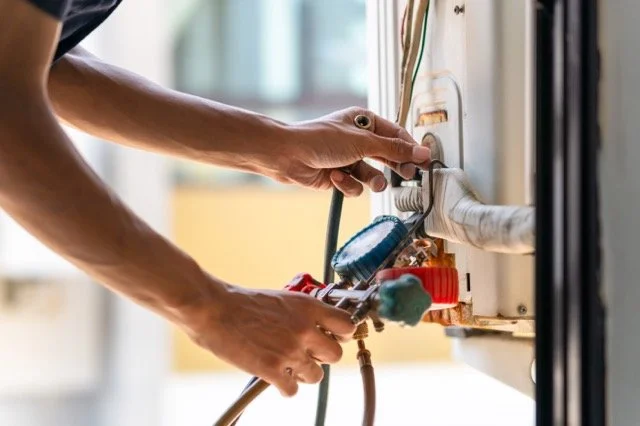
You walk down to the basement in the middle of a Michigan January night, and instead of hearing your furnace running, you see a red light blinking on the control board. That little LED is trying to tell you something specific, and understanding what it means can save you time, money, and a cold night.
Modern furnaces use diagnostic LED systems to communicate exactly what's wrong. The number of blinks, the pattern, and the color all correspond to specific faults in the system. Some you can troubleshoot yourself. Others require a licensed HVAC contractor with diagnostic tools and replacement parts.
After 35 years of furnace installation and repair across Southeast Michigan, we've diagnosed thousands of blinking red lights in homes from Troy to St. Clair Shores. This guide will walk you through what those codes mean, what you can check yourself, and when to call for professional help.
How to Read Furnace Blink Codes
The diagnostic LED on your furnace control board isn't random. It's a deliberate communication system built into every modern gas furnace manufactured since the mid-1990s. The light flashes in patterns, and each pattern corresponds to a specific fault code.
Here's how to decode it:
Step 1: Locate the LED. Open the furnace access panel. On most units, you'll find the control board mounted near the blower motor or on the side of the vestibule panel. Look for a small red or amber LED light. Some boards have multiple LEDs, each indicating different system statuses.
Step 2: Count the flashes. Watch the LED through one complete cycle. Count how many times it blinks before it pauses. The pattern repeats every 3 to 5 seconds. Write down the number. Some systems use a two-digit code: three flashes, pause, two flashes means "3-2."
Step 3: Check the legend. Most furnaces have a code chart printed on the inside of the access door or on the control board itself. Match your flash count to the chart. If the chart is missing or faded, search your furnace model number online, or call a reliable HVAC contractor in Metro Detroit for help.
Step 4: Note any other symptoms. Is the blower running? Do you hear clicking sounds? Is there a burning smell? These details help narrow down the diagnosis.
Pro Tip: If the LED is solid red or not blinking at all, that's a different diagnostic signal. A solid light usually means the board is receiving power but hasn't detected a call for heat, or it's in a lockout state after multiple failed ignition attempts.

Common Blink Code Meanings
While every manufacturer uses slightly different codes, certain faults show up across all brands. Here are the most common ones we see in Southeast Michigan homes, especially during polar vortex events and the coldest stretches of winter.
3 Flashes: Pressure Switch Error
Three blinks usually means the pressure switch isn't closing. The pressure switch is a safety device that confirms the draft inducer motor is pulling combustion gases out of the heat exchanger before allowing the burners to ignite.
Common causes:
- Blocked or frozen condensate drain line (very common in Michigan basements during deep freezes)
- Blocked flue or intake pipe (check for ice buildup, bird nests, or snow drifts covering PVC vent pipes on the exterior wall)
- Failed pressure switch (the diaphragm inside can wear out after 10-15 years)
- Draft inducer motor failure
This is one of the most common HVAC repairs in Metro Detroit because condensate lines freeze in unheated crawl spaces and rim joist areas.
4 Flashes: Open High-Limit Switch
Four blinks means the furnace overheated and the high-limit switch tripped. This is a safety shutoff that prevents the heat exchanger from cracking due to excessive temperature.
Common causes:
- Dirty air filter restricting airflow (the most frequent culprit)
- Blocked return air grilles or supply registers
- Undersized or damaged ductwork
- Blower motor failure or capacitor issue
Before calling a tech, check your filter. If it's clogged with dust, pet hair, or construction debris, replace it and reset the furnace. If the code returns, you likely have a deeper airflow problem that requires professional ductwork inspection.
2 Flashes: Flame Sensing Error
Two blinks indicate the furnace ignited, but the flame sensor didn't detect the flame, so the gas valve shut off as a safety measure. This happens when the flame sensor rod is covered in carbon buildup or corrosion.
The flame sensor is a thin metal rod that sits in the path of the burner flame. It conducts a tiny electrical current when heated by the flame. If the rod is dirty, the current can't flow, and the control board thinks there's no flame.
This is a simple fix for a technician: remove the sensor, clean it with fine-grit sandpaper or a dollar bill, reinstall it, and test. It takes about 10 minutes. But if you're not comfortable working around gas appliances, call a professional. Improper handling can bend the sensor or damage the ceramic insulator.
6 Flashes: Lockout Due to Multiple Ignition Failures
Six blinks mean the furnace tried to ignite multiple times and failed. After three or four failed attempts, the system locks out for safety. You'll need to reset the furnace by turning off power at the switch or breaker for 30 seconds, then turning it back on.
If it locks out again, the problem could be:
- No gas supply (check that the gas valve is open)
- Failed igniter (the hot surface igniter or spark igniter isn't working)
- Faulty gas valve
- Incorrect gas pressure
Don't keep resetting the furnace repeatedly. Each failed ignition attempt sends unburned gas into the heat exchanger, which is a safety hazard. After two resets, call a technician.
1 Flash: Low Flame Signal
A single blink often means the flame is present but weak. This can happen with dirty burners, incorrect gas pressure, or a partially clogged orifice. It's less common than the codes above but still shows up in older furnaces that haven't been maintained.
What You Can Check Yourself
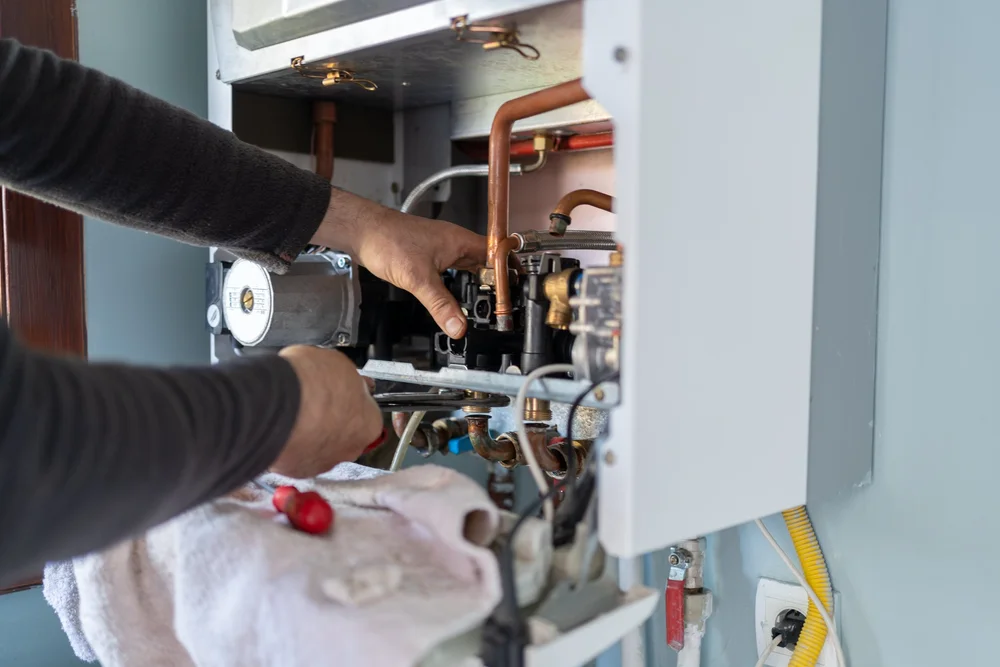
Before calling for service, there are a few things you can safely check on your own. These steps won't fix every problem, but they can rule out simple issues and potentially save you a service call.
1. Check the Air Filter
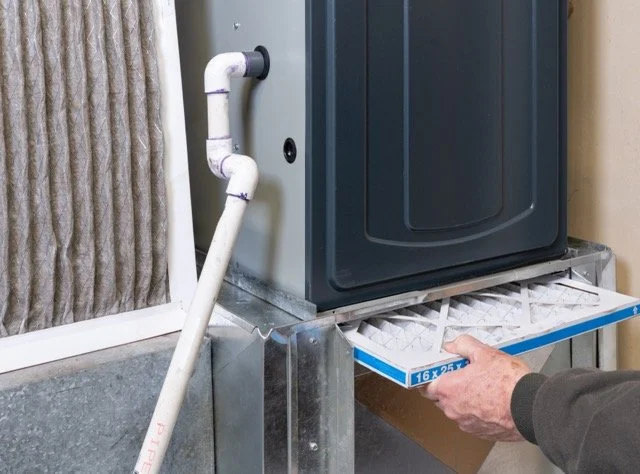
A clogged filter is the single most common cause of furnace problems. If your filter hasn't been changed in more than 90 days, or if you have pets and it's been more than 30 days, replace it. A dirty filter restricts airflow, causes overheating, and triggers the high-limit switch.
Standard 1-inch filters should be replaced monthly during heating season. If you have a 4-inch or 5-inch media filter, check it every three months.
2. Inspect the Thermostat
Make sure the thermostat is set to "Heat" mode and the temperature setting is at least 5 degrees above the current room temperature. Check the batteries if it's a battery-powered model. If you recently upgraded to a smart thermostat, verify it's wired correctly and compatible with your furnace.
3. Check the Power Switch and Circuit Breaker
Furnaces have a power switch mounted on or near the unit, usually on the side of the furnace or at the top of the basement stairs. It looks like a light switch. Make sure it's in the "on" position. Also check the circuit breaker panel to confirm the furnace breaker hasn't tripped.
4. Verify the Gas Valve Is Open
Follow the gas line to your furnace. There should be a shut-off valve with a handle. If the handle is perpendicular to the pipe, the valve is closed. Turn it so the handle is parallel to the pipe. This is a common issue after summer maintenance or if someone accidentally bumped the valve.
5. Look for Ice or Obstructions on Vent Pipes
High-efficiency furnaces vent through PVC pipes that exit through an exterior wall. Go outside and check both the intake and exhaust pipes. Clear away any snow, ice, leaves, or debris. In Michigan winters, ice can build up on the exhaust pipe opening and block airflow, triggering a pressure switch error.
6. Reset the Furnace
If you've checked all of the above and the furnace is still showing an error code, try resetting it. Turn off the power switch or flip the circuit breaker off, wait 30 seconds, then turn it back on. Watch the LED. If the code clears and the furnace runs normally, you may have had a temporary glitch. If the code returns, it's time to call a professional.
Safety Note: Never attempt to disassemble the furnace, bypass safety switches, or work on gas components unless you're a licensed technician. Gas appliances require proper training and tools. A mistake can lead to carbon monoxide leaks, gas leaks, or fire.
When to Call a Professional
Some furnace problems are straightforward. Others require diagnostic equipment, replacement parts, and expertise that only a trained technician has. Here's when you should stop troubleshooting and pick up the phone.
You Smell Gas
If you smell natural gas (a rotten egg odor), leave the house immediately. Do not turn on lights, use your phone inside, or try to locate the source. Call your gas utility company from outside or from a neighbor's house. They'll send someone out 24/7 to check for leaks.
The Furnace Keeps Locking Out
If the furnace goes into lockout mode more than twice, don't keep resetting it. Repeated ignition failures mean there's a fault in the ignition system, gas supply, or flame sensing circuit. Continuing to reset the furnace can flood the heat exchanger with unburned gas, which is dangerous.
You See Rust, Soot, or Water Around the Furnace
Rust stains on the heat exchanger, soot buildup around the burners, or water pooling under the furnace are all signs of serious problems. Rust can indicate a cracked heat exchanger, which is a carbon monoxide hazard. Soot means incomplete combustion. Water means a condensate drain issue or a leaking heat exchanger.
The Blower Runs But There's No Heat
If the blower motor is running but no heat is coming from the vents, the burners aren't igniting. This could be a gas valve issue, igniter failure, or flame sensor problem. All of these require a technician with replacement parts.
The Furnace Is More Than 15 Years Old
If your furnace is approaching or past the 15- to 20-year mark and you're seeing recurring error codes, it may be more cost-effective to replace the unit than to keep repairing it. Heat exchangers crack, control boards fail, and parts become harder to source for older models. A Metro Detroit HVAC contractor can run a cost-benefit analysis and help you decide whether to repair or replace.
We often see homeowners in Sterling Heights and Clinton Township face this decision when a 20-year-old Carrier or Lennox furnace throws a pressure switch code. The part might cost $150, but if the heat exchanger is also rusting and the blower motor is on its last legs, investing $500 in repairs on a furnace that's near the end of its lifespan doesn't make financial sense.
You're Not Comfortable Working on the Furnace
There's no shame in calling a professional. HVAC systems involve electricity, natural gas, and high temperatures. If you're not confident in your ability to safely diagnose and fix the problem, don't risk it. A service call from a NATE-certified HVAC technician costs far less than a hospital visit or a house fire.
Brand-Specific Code Differences
While the general diagnostic LED system is standard across all modern furnaces, each manufacturer uses slightly different codes and color schemes. Here's a quick reference for the most common brands we service in Southeast Michigan.
Carrier and Bryant
Carrier and Bryant furnaces (they're made by the same parent company) use a two-digit flash code system. The LED will flash a certain number of times, pause, then flash again. For example, "3-3" means pressure switch stuck closed, while "3-4" means pressure switch stuck open.
The control board usually has a legend printed directly on it. If not, you can find the code chart in the installation manual or on Carrier's website by entering your model number.
Lennox
Lennox furnaces use a single-digit flash code on most models. The LED color can also vary: red, amber, or green. A solid green light means normal operation. A flashing red light indicates a fault. Common Lennox codes include:
- 1 flash: Low flame signal
- 2 flashes: Pressure switch error
- 3 flashes: Limit switch open
- 4 flashes: Flame sensed when no flame should be present (often a failed flame sensor or gas valve)
Trane and American Standard
Trane and American Standard (also sister companies) use a similar two-digit system. The LED will flash slowly, then quickly. Count the slow flashes first, then the fast flashes. For example, two slow flashes followed by three fast flashes is code "2-3."
Trane furnaces are common in older homes across Royal Oak and Grosse Pointe Farms. If you have a Trane XV80 or XC80, the code chart is usually on the blower access door.
Goodman and Amana
Goodman and Amana furnaces use a straightforward single-digit flash code. The LED is usually red or amber. A steady light means the system is waiting for a call for heat. A flashing light indicates a fault. Goodman codes are typically:
- 2 flashes: Pressure switch stuck closed
- 3 flashes: Pressure switch stuck open
- 4 flashes: Limit switch open
- 6 flashes: Lockout (multiple ignition failures)
Goodman and Amana are popular in newer construction and rental properties because they're affordable and reliable. We see a lot of them in Shelby Township and Macomb.
Rheem and RUUD
Rheem and RUUD furnaces (same manufacturer) use a color-coded LED system. The light can be red, green, or amber, and the flash pattern indicates the fault. A flashing green light usually means normal operation with a minor fault. A flashing red light means a critical fault.
Common Rheem codes:
- 1 flash (red): Lockout due to flame failure
- 2 flashes (red): Pressure switch error
- 3 flashes (red): Limit switch open
- 7 flashes (red): Flame sensed when gas valve is off
If you're unsure which brand you have, check the nameplate on the furnace. It's usually on the inside of the blower access door. Write down the model and serial number, then search for the manual online or call a technician who can look it up.
Preventative Maintenance to Avoid Red Light Errors
The best way to deal with a blinking red light is to prevent it from happening in the first place. Most furnace faults are caused by neglect, not equipment failure. A furnace that's maintained annually will run for 15 to 20 years with minimal issues. A furnace that's ignored will start throwing error codes after 8 to 10 years.
Change the Filter Every 30-90 Days
This is the single most important thing you can do. Set a reminder on your phone. Buy filters in bulk. Make it a habit. A clean filter prevents overheating, reduces strain on the blower motor, and keeps the heat exchanger from cracking due to restricted airflow.
Schedule Annual Tune-Ups
A professional tune-up includes cleaning the flame sensor, inspecting the heat exchanger, testing the pressure switch, checking gas pressure, lubricating the blower motor, and verifying all safety controls. These tasks prevent the majority of error codes we see.
The Next Care Plan covers two visits per year (fall furnace tune-up and spring AC tune-up) for just $5 per month. Members also get priority scheduling, 10% off repairs, and no service call fees. Over the life of your furnace, that preventative maintenance saves thousands in avoided repairs and energy waste.
We've tracked the data: homes on a maintenance plan have 60-80% fewer emergency service calls than homes that skip annual tune-ups. The difference is especially stark during polar vortex events, when furnaces are running 20+ hours per day and any weak point in the system gets exposed.
Keep the Area Around the Furnace Clear
Don't store paint cans, cardboard boxes, or laundry near the furnace. Combustible materials are a fire hazard, and clutter restricts airflow around the unit. The furnace needs space to breathe.
Inspect Vent Pipes Seasonally
Before the first hard freeze, go outside and check the PVC vent pipes. Clear away leaves, spider webs, and debris. After heavy snowfalls, make sure snow hasn't drifted over the vent openings. A blocked vent triggers a pressure switch error and shuts the furnace down.
Test the Furnace in Early Fall
Don't wait until the first 20-degree night to find out your furnace isn't working. In late September or early October, turn the thermostat to heat mode and let the furnace run for 15 minutes. Listen for unusual sounds, check for error codes, and make sure warm air is coming from the vents. If something's wrong, you'll have time to fix it before the heating season starts.
This simple test prevents the November rush, when every HVAC company in Metro Detroit is booked solid with emergency no-heat calls. If you discover a problem in October, you can schedule a repair at your convenience instead of waiting two days in a cold house.
Consider Upgrading an Aging System
If your furnace is 15+ years old and you're seeing recurring error codes, it's worth having a conversation about replacement. Modern furnaces are significantly more efficient (95-98% AFUE compared to 80% on older models), quieter, and more reliable. They also have better diagnostic systems and longer parts availability.
We often help homeowners in Troy and Warren weigh the cost of a $600 repair on a 17-year-old furnace versus investing in a new high-efficiency Carrier or Lennox system that will cut their gas bills by 20-30% and run trouble-free for another 15 years. The decision depends on your budget, how long you plan to stay in the home, and the condition of the existing system. There's no one-size-fits-all answer, but a good contractor will give you honest options without pressure.
Furnace Throwing Error Codes? We'll Diagnose It Fast.
NEXT Heating & Cooling has been keeping Southeast Michigan homes warm for over 35 years. Our NATE-certified technicians carry the parts and tools to fix most furnace problems on the first visit. No upselling, no surprises. Just honest diagnostics and fair pricing.
Schedule Your Service CallFrequently Asked Questions
A solid red light (not blinking) usually means the control board is powered but hasn't received a call for heat from the thermostat, or the furnace is in a lockout state after multiple failed ignition attempts. Check your thermostat settings first. If the thermostat is calling for heat but the light stays solid, the furnace may be locked out. Try resetting the power (turn off the furnace switch or breaker for 30 seconds, then turn it back on). If the solid light persists, call a technician.
Yes. Most furnaces can be reset by turning off the power switch (located on or near the furnace) or flipping the circuit breaker off, waiting 30 seconds, then turning it back on. This clears temporary faults and allows the furnace to attempt a restart. However, if the furnace locks out again after one or two resets, stop resetting it and call a professional. Repeated lockouts indicate a real problem that won't fix itself.
It depends on the fault. A dirty flame sensor cleaning costs $100-$150. A pressure switch replacement runs $150-$300. A failed igniter costs $200-$350. A cracked heat exchanger (rare but serious) can cost $1,500-$2,500, at which point replacement is often the better option. Most repairs fall in the $150-$400 range. A good contractor will diagnose the problem, explain your options, and give you a firm price before starting work.
Cold weather exposes weak points in the system. Condensate drain lines freeze, vent pipes ice over, and the furnace runs longer cycles, which stresses aging components. Pressure switch errors are especially common during polar vortex events because condensate can freeze in the drain line or trap, preventing the switch from closing. If your furnace only throws codes when it's below 10°F outside, the problem is likely related to condensate drainage or vent pipe obstructions.
Not necessarily. If the furnace is less than 12 years old and the repair is straightforward (flame sensor, pressure switch, igniter), fixing it makes sense. If the furnace is 15+ years old, the heat exchanger is rusting, and you're facing a $500+ repair, replacement is often the smarter long-term investment. A new high-efficiency furnace will cut your gas bills, run more reliably, and come with a 10-year parts warranty. Ask your technician for a cost-benefit analysis based on your specific situation.
It depends on the manufacturer. Some brands (like Rheem and Lennox) use color-coded LEDs where red indicates a critical fault and amber indicates a minor fault or warning. Other brands (like Carrier and Goodman) use only red or amber LEDs and rely on the flash pattern to communicate the fault. Check the legend on your furnace door or control board to understand what the colors mean for your specific model.
Once per year, ideally in early fall before the heating season starts. An annual tune-up includes cleaning the flame sensor, inspecting the heat exchanger, testing all safety switches, checking gas pressure, and replacing the filter. This preventative work catches small problems before they turn into error codes and no-heat emergencies. Homes on a maintenance plan have significantly fewer breakdowns than homes that skip annual service.