

Furnace Pressure Switch Open: What It Means & How to Fix
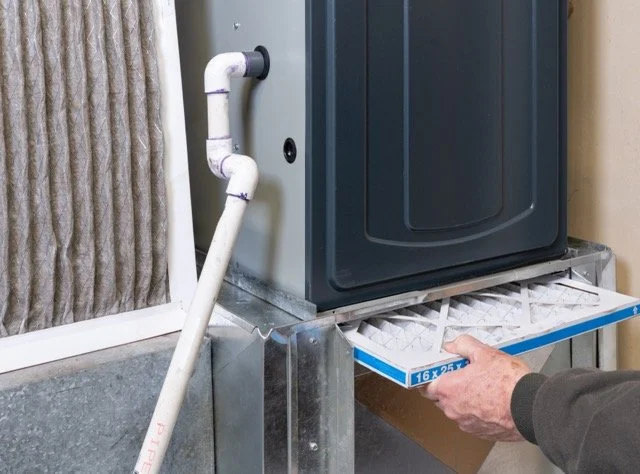
Your thermostat is calling for heat, but the furnace won't start. You hear a brief hum, then nothing. If you check the diagnostic LED on your furnace control board, you might see a code indicating "pressure switch open" or "pressure switch stuck open." This safety lockout stops your furnace from firing, and it's one of the most common service calls we handle at NEXT Heating & Cooling during Michigan winters.
The pressure switch is a small but critical safety device. When it fails to close, your furnace can't ignite, and you're left without heat. Understanding what triggers this error, what it protects you from, and when to call a professional can save you from expensive repairs and dangerous conditions.
This guide walks through the mechanics of the pressure switch, the most common causes of failure in Southeast Michigan homes, and what you can safely check yourself before scheduling a service call with a licensed HVAC contractor.
What the Pressure Switch Actually Does
The pressure switch is a safety device mounted on the side of your furnace's draft inducer housing. It's a small circular component with two or three wires and a rubber hose connected to it. Its job is to prove that the inducer motor is creating enough airflow to safely vent combustion gases out of your home before the burners ignite.
Here's how the sequence works in a modern high-efficiency furnace:
- Thermostat calls for heat. The control board receives the signal and begins the startup sequence.
- Inducer motor starts. This fan spins up and pulls air through the heat exchanger and out the exhaust vent. It creates negative pressure inside the furnace cabinet.
- Pressure switch monitors airflow. The rubber hose connected to the pressure switch senses the negative pressure created by the inducer motor. When pressure reaches the correct level, a diaphragm inside the switch flexes and closes an electrical contact.
- Control board receives confirmation. Once the pressure switch closes, the control board knows the exhaust path is clear. It then opens the gas valve and energizes the igniter.
- Burners ignite safely. Combustion gases are pulled through the heat exchanger and vented outside through the PVC exhaust pipe.
If the pressure switch doesn't close within a set time (usually 30 to 60 seconds), the control board aborts the ignition sequence and locks out the furnace. This prevents gas from entering the burner chamber when there's no proven exhaust path, a condition that could lead to carbon monoxide buildup inside your home.
Why high-efficiency furnaces need pressure switches: Older furnaces used standing pilot lights and natural draft venting. They relied on hot exhaust gases rising naturally through a metal chimney. Modern 90%+ AFUE condensing furnaces use sealed combustion and forced exhaust through PVC pipes. The pressure switch ensures the inducer motor is running and the exhaust path is clear before ignition occurs.
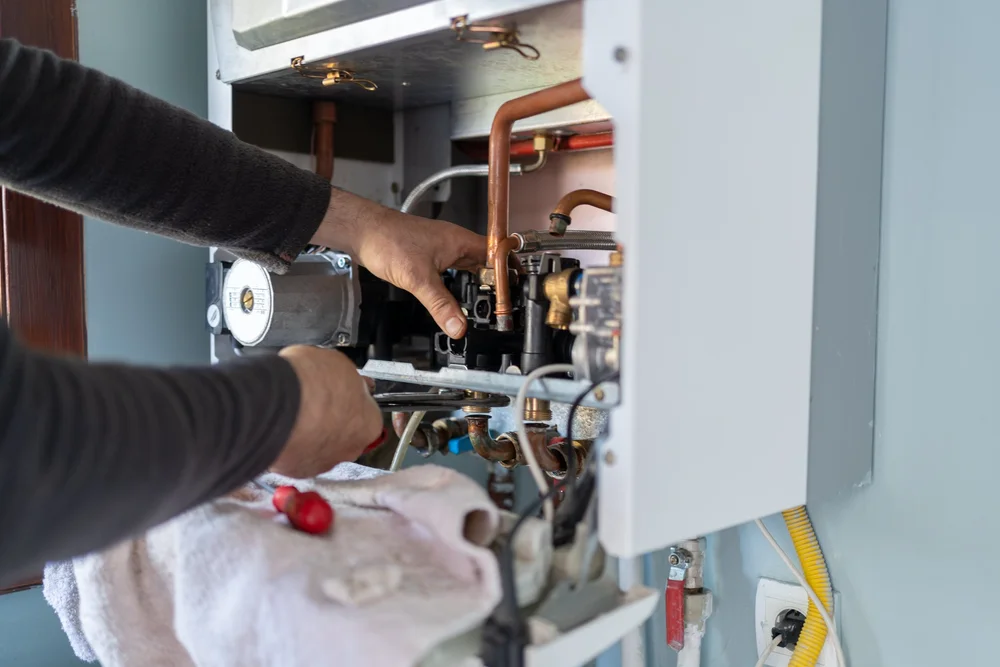
Why Your Furnace Shows "Pressure Switch Open"
When your furnace displays a pressure switch open error, it means the switch failed to close during the startup sequence. The inducer motor may or may not be running. The control board is waiting for confirmation of proper airflow, but it's not getting the signal.
Several conditions can prevent the pressure switch from closing. Some are simple fixes. Others require professional furnace installation and repair work. Here are the most common causes we see in Southeast Michigan homes:
Blocked Exhaust Vent or Intake Vent
High-efficiency furnaces pull combustion air from outside through a PVC intake pipe and exhaust combustion gases through a separate PVC exhaust pipe. Both pipes terminate on an exterior wall, usually within a few feet of each other. In Michigan winters, these vents are vulnerable to ice buildup, snow drifts, and wind-driven precipitation.
Ice forms when moisture from the exhaust gases condenses and freezes at the vent termination. Snow can block the intake vent during heavy storms or when snow slides off the roof. Even a partial blockage reduces airflow enough to prevent the pressure switch from closing.
We've seen intake vents blocked by landscaping fabric, bird nests, leaves, and even plastic bags blown against the vent by strong winds. If the inducer motor can't pull enough air through the intake, it won't create the negative pressure needed to close the switch.
Failed Inducer Motor
The inducer motor is a small fan that runs on a capacitor-start motor. It spins at high RPM to create the airflow needed to vent combustion gases. When the motor fails, the furnace goes silent after the thermostat calls for heat. You won't hear the characteristic hum or whir that normally precedes ignition.
Inducer motors fail for several reasons: worn bearings, failed capacitor, burned-out windings, or debris lodged in the fan blades. Motors in furnaces located in dusty basements or garages accumulate dirt over time, which increases friction and shortens lifespan. A failed inducer motor can't create the pressure differential needed to close the switch, so the furnace won't start.
Replacement inducer motors for common brands like Carrier, Lennox, and Trane typically cost $300 to $600 installed, depending on the furnace model and accessibility.
Cracked or Damaged Heat Exchanger
This is the most serious cause of a pressure switch open error. The heat exchanger is a metal chamber where combustion occurs. Hot gases pass through the exchanger, warming the air that circulates through your home. Over time, repeated heating and cooling cycles cause metal fatigue. Cracks can develop, especially in furnaces that have been oversized for the home or poorly maintained.
When a heat exchanger cracks, exhaust gases can leak into the blower compartment instead of venting outside. This disrupts the airflow pattern the inducer motor is trying to create. The pressure switch may sense inadequate negative pressure and refuse to close.
A cracked heat exchanger is a carbon monoxide hazard. If your technician finds a crack during a service call, the furnace should be shut down immediately. Heat exchanger replacement is expensive (often $1,200 to $2,000 in parts and labor), and on furnaces older than 15 years, replacement of the entire unit is usually the more cost-effective option. We covered the real costs of furnace replacement in Michigan in a previous post.
Clogged Condensate Drain
High-efficiency furnaces produce condensation as a byproduct of the combustion process. This water drains out through a plastic tube connected to a floor drain, sump pump, or condensate pump. If the drain line clogs with algae, dirt, or ice, water backs up into the inducer housing or heat exchanger.
Some furnaces have a secondary safety switch (a float switch or pressure switch) that shuts down the system if water backs up. Even without a dedicated switch, standing water in the wrong place can disrupt airflow and prevent the pressure switch from closing.
Condensate drain clogs are more common in humid climates, but we see them in Michigan basements where furnaces sit near laundry areas or sump pits. Regular maintenance catches these issues before they cause a no-heat call.
Dirty or Clogged Furnace Filter
A severely clogged filter restricts airflow through the furnace. While the filter is on the return air side (not the combustion side), extreme restriction can create enough back-pressure to affect the inducer motor's ability to pull air through the heat exchanger. This is more common in homes with pets, high dust levels, or filters that haven't been changed in six months or more.
If your furnace keeps short-cycling or showing pressure switch errors, check the filter first. It's the easiest and cheapest fix.
Faulty Pressure Switch or Stuck Diaphragm
Sometimes the pressure switch itself fails. The diaphragm inside the switch can become stiff or torn over time. Electrical contacts can corrode or stick. The rubber hose connecting the switch to the inducer housing can develop cracks or come loose.
A failed pressure switch needs replacement. Switches cost $50 to $150 depending on the furnace brand, and installation takes about 30 minutes for an experienced technician. However, replacing the switch without diagnosing the root cause is a mistake. If blocked vents or a failing inducer motor caused the switch to fail, the new switch will fail too.
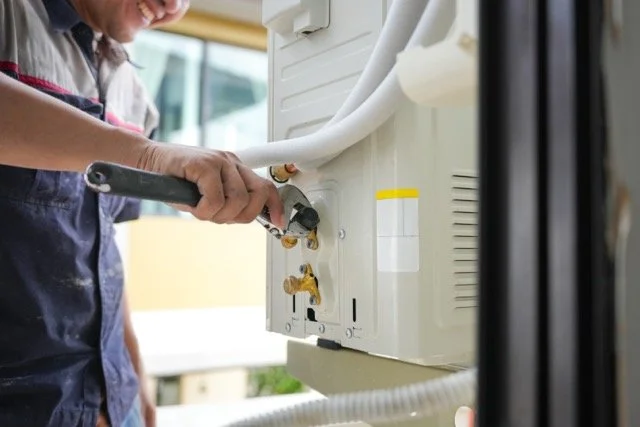
How to Diagnose a Pressure Switch Problem
Before you call for service, there are a few safe diagnostic steps you can perform. These won't fix every pressure switch issue, but they can identify simple problems and potentially restore heat while you wait for a technician.
Step 1: Check the Furnace Filter
Turn off the furnace at the thermostat. Locate the filter (usually in a slot near the blower compartment or in the return air grille). Pull it out and hold it up to a light. If you can't see light through the filter media, it's clogged. Replace it with a new filter of the same size. Standard 1-inch pleated filters should be changed every 1 to 3 months depending on household conditions.
Step 2: Inspect the Exhaust Vent Outside
Go outside and locate your furnace exhaust vent. It's usually a white or gray PVC pipe, 2 to 3 inches in diameter, terminating on the side of your house. In Michigan, you'll often find it near the foundation or just above ground level.
Check for ice buildup around the vent opening. Ice can form a cap over the vent, especially during polar vortex events when temperatures drop below zero for days. You can carefully chip away ice with a plastic scraper, but don't use metal tools that could damage the PVC pipe.
Also check the intake vent (usually right next to the exhaust vent). Make sure it's not buried in snow or blocked by debris. Clear any obstructions you find.
Step 3: Listen for the Inducer Motor
Turn the furnace back on at the thermostat and listen. You should hear a distinct humming or whirring sound within 10 to 15 seconds. This is the inducer motor starting up. If you hear nothing, or if you hear a clicking sound followed by silence, the inducer motor may have failed.
If the motor runs but the furnace still won't ignite, the problem is likely downstream: blocked vents, a failed pressure switch, or an issue with the heat exchanger.
Step 4: Reset the Furnace
Turn off the furnace at the thermostat, wait 30 seconds, then turn it back on. Some pressure switch errors are caused by temporary conditions (like a gust of wind blowing exhaust back into the intake vent). A reset can clear the error code and allow the furnace to restart.
If the furnace fires up and runs normally, monitor it over the next few hours. If the error returns, you have an intermittent problem that needs professional diagnosis.
Step 5: Call a Licensed Technician
If the furnace still won't start after these checks, or if you smell gas, see visible cracks in the heat exchanger, or notice soot around the burners, stop troubleshooting and call for service immediately. Pressure switch issues often require specialized tools (manometers, combustion analyzers, multimeters) and training to diagnose safely.
At NEXT Heating & Cooling, our NATE-certified technicians carry the diagnostic equipment needed to pinpoint pressure switch problems quickly. We test inducer motor performance, measure pressure differentials, inspect heat exchangers with cameras, and check vent terminations for proper installation.
The Real Risks of Ignoring This Error
A pressure switch open error isn't just an inconvenience. It's a safety lockout designed to protect you from carbon monoxide poisoning and furnace damage. Ignoring the error or attempting to bypass the switch creates serious risks.
Carbon Monoxide Exposure
Carbon monoxide (CO) is a colorless, odorless gas produced during combustion. In a properly functioning furnace, CO is vented outside through the exhaust pipe. When the exhaust path is blocked or the heat exchanger is cracked, CO can leak into your home.
Symptoms of CO exposure include headache, dizziness, nausea, confusion, and fatigue. High concentrations can cause unconsciousness and death. The pressure switch prevents the furnace from igniting when it can't prove a clear exhaust path. Bypassing the switch removes this critical safeguard.
Every home with a gas furnace should have working CO detectors on every level. Test them monthly and replace batteries annually.
Heat Exchanger Failure
If a failing inducer motor or partially blocked vent causes the pressure switch to open intermittently, the furnace may run with inadequate airflow through the heat exchanger. This causes the exchanger to overheat, accelerating metal fatigue and increasing the risk of cracks.
A heat exchanger replacement on a Carrier or Lennox furnace typically costs $1,200 to $2,000. On furnaces older than 12 years, replacement often makes more financial sense than repair, especially if the furnace is out of warranty.
Secondary Component Damage
When a furnace repeatedly attempts to start but fails due to a pressure switch error, the control board, igniter, and gas valve cycle on and off unnecessarily. This shortens their lifespan. Igniters (especially hot surface igniters) are fragile and can crack from thermal stress. Control boards can develop failed relays from repeated cycling.
A $150 pressure switch repair can turn into a $600 repair if you delay service and damage other components in the process.
Cost Reality: Repair vs. Replacement
Here's what pressure switch-related repairs typically cost in Southeast Michigan:
- Pressure switch replacement: $150 to $300 installed
- Inducer motor replacement: $300 to $600 installed
- Vent cleaning or ice removal: $100 to $200 service call
- Heat exchanger replacement: $1,200 to $2,000 installed
- Furnace replacement: $3,500 to $6,500 for a mid-efficiency model, $4,500 to $8,000 for a high-efficiency two-stage or modulating furnace
If your furnace is 15 years or older and needs a heat exchanger, replacement is usually the better investment. A new furnace comes with a 10-year parts warranty, better efficiency (96% AFUE or higher), and modern features like variable-speed blowers and two-stage heating that improve comfort and lower energy bills.
What a Tech Checks During a Pressure Switch Service Call
When you schedule a service call for a pressure switch open error, here's what a qualified HVAC technician will do:
Visual Inspection
The tech starts with a visual inspection of the furnace, vents, and surrounding area. They check for obvious issues: clogged filters, disconnected wires, loose vent pipes, water in the condensate pan, or visible cracks in the heat exchanger.
Inducer Motor Testing
The tech powers up the furnace and listens to the inducer motor. They check for unusual noises (grinding, squealing, or rattling) that indicate worn bearings or debris in the fan. Using a multimeter, they test the motor windings for proper resistance and check the capacitor voltage.
If the motor is weak or failing, they'll recommend replacement before it leaves you without heat on the coldest night of the year.
Pressure Differential Testing
Using a manometer (a tool that measures air pressure), the tech measures the pressure differential across the pressure switch. They compare the reading to the manufacturer's specifications printed on the switch or in the furnace manual.
If the pressure is below spec, the problem is upstream: blocked vents, a weak inducer motor, or a restricted heat exchanger. If the pressure is correct but the switch doesn't close, the switch itself is faulty.
Vent Inspection
The tech inspects both the intake and exhaust vents. They check the vent terminations outside for blockages, ice buildup, or improper installation (vents too close together, terminating under a deck, or aimed toward a window).
Inside, they inspect the vent pipes for proper slope (condensate must drain back toward the furnace), secure connections, and signs of leaks or corrosion. PVC vent pipes should be glued at every joint. We've found loose joints that allowed exhaust gases to leak into the basement instead of venting outside.
Heat Exchanger Inspection
If the tech suspects a cracked heat exchanger, they'll perform a thorough inspection. This may involve removing the burner assembly and using a borescope camera to inspect the exchanger's interior surfaces. They'll also check for soot buildup, rust, or visible cracks.
In some cases, they'll perform a combustion analysis to measure CO levels in the flue gases. Elevated CO levels can indicate incomplete combustion or a compromised heat exchanger.
Condensate Drain Check
The tech inspects the condensate drain line for clogs. They may pour water into the drain to verify it flows freely. If the drain is clogged, they'll clear it with a wet/dry vacuum or compressed air.
Control Board and Wiring Inspection
Finally, the tech checks the control board for error codes and inspects the wiring to the pressure switch. Loose or corroded connections can prevent the switch from signaling the control board even when it closes properly.
After diagnosis, the tech will explain what they found, provide repair options with upfront pricing, and answer your questions. At NEXT Heating & Cooling, we don't work on commission, so you get honest recommendations, not upselling.
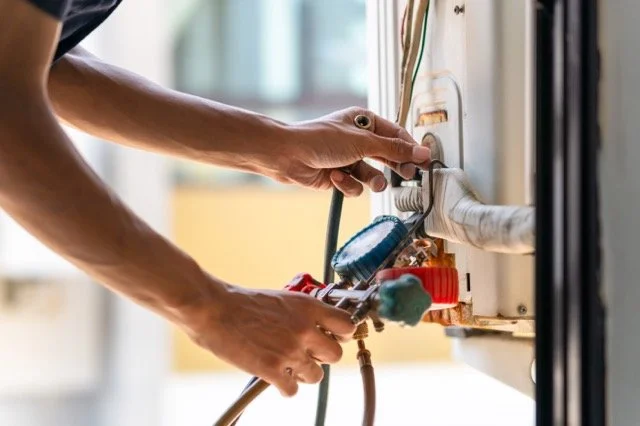
Preventing Pressure Switch Failures in Michigan Homes
Most pressure switch issues are preventable with regular maintenance. Here's what Michigan homeowners can do to reduce the risk of a mid-winter breakdown:
Change Filters Every 1 to 3 Months
This is the single most important maintenance task. A clean filter ensures proper airflow, reduces strain on the blower motor, and prevents dust from accumulating inside the furnace. Homes with pets, smokers, or high dust levels need monthly filter changes. Standard households can go 2 to 3 months.
Schedule Annual Furnace Tune-Ups
A professional tune-up before heating season catches problems before they cause breakdowns. During a fall furnace tune-up, the technician cleans the burners, tests the inducer motor, inspects the heat exchanger, checks the pressure switch, and measures combustion efficiency.
Our Next Care Plan includes two annual tune-ups (fall furnace service and spring AC service) for $5 per month. Members also get priority scheduling, 10% off repairs, and no service call fees. Over the life of your furnace, preventive maintenance saves far more than it costs.
Keep Vents Clear Year-Round
Check your furnace vents after every heavy snowfall. Make sure snow isn't blocking the intake or exhaust. Trim bushes and vegetation that could obstruct airflow. Don't store items near the vent terminations.
In spring, check for bird nests or insect activity around the vents. We've pulled wasp nests, bird nests, and even rodent nests out of intake vents.
Monitor for Ice Buildup
During extreme cold snaps (below 10°F for extended periods), check your exhaust vent daily for ice buildup. If ice forms, carefully remove it with a plastic scraper. If ice returns quickly, call for service. Persistent icing can indicate a venting problem or a furnace that's running too rich (incomplete combustion).
Replace Aging Furnaces Before They Fail
Furnaces last 15 to 20 years on average in Michigan. If your furnace is approaching 15 years old and starting to show signs of wear (frequent repairs, rising energy bills, uneven heating), consider proactive replacement. Replacing a furnace on your schedule is far less stressful than an emergency replacement during a polar vortex when every HVAC company in Metro Detroit is booked solid.
We covered the full process of getting a furnace replacement estimate in a previous guide.
Pressure Switch Problems? We're Here to Help
NEXT Heating & Cooling has been keeping Southeast Michigan homes warm for over 35 years. Our NATE-certified technicians diagnose pressure switch issues quickly and provide honest, upfront pricing with no commission-based upselling. We serve Macomb County, Oakland County, and St. Clair County with same-day service and 24/7 emergency availability.
Schedule Your Service CallFrequently Asked Questions
No. Bypassing the pressure switch removes a critical safety device designed to prevent carbon monoxide poisoning. If the switch is open, there's a reason: blocked vents, a failed inducer motor, or a cracked heat exchanger. Running the furnace without addressing the root cause puts your family at risk. Call a licensed HVAC technician instead.
Pressure switch replacement typically costs $150 to $300 installed in Southeast Michigan. The switch itself costs $50 to $150 depending on the furnace brand. Labor adds another $100 to $150. However, replacing the switch without diagnosing why it failed is a mistake. If blocked vents or a failing inducer motor caused the problem, the new switch will fail too.
Recurring pressure switch failures usually indicate an underlying problem: vents that ice over repeatedly, a weak inducer motor that's losing performance, or a furnace that's oversized for the home and short-cycling. A thorough diagnostic by a qualified technician can identify the root cause. Repeated switch replacements without fixing the underlying issue wastes money and leaves you vulnerable to mid-winter breakdowns.
Yes, in extreme cases. A severely clogged filter restricts airflow through the furnace, creating back-pressure that can affect the inducer motor's ability to pull air through the heat exchanger. This is more common in homes where filters haven't been changed in six months or more. Always check the filter first when troubleshooting a pressure switch error.
A failing inducer motor often makes unusual noises: grinding, squealing, or rattling. You may also notice the motor starting slowly or not starting at all when the thermostat calls for heat. If the furnace goes silent after the thermostat clicks on (no humming or whirring sound), the inducer motor may have failed completely. A technician can test the motor with a multimeter and measure its performance with a manometer.
Ice forms when moisture from the exhaust gases condenses and freezes at the vent termination. This is more common during extreme cold (below 10°F) and when the furnace runs continuously. High-efficiency furnaces produce more condensation than older models, making them more prone to icing. Proper vent installation (correct slope, adequate clearance from walls, and protection from wind) reduces icing. Persistent icing can indicate a venting problem or incomplete combustion that needs professional attention.
Yes. A cracked heat exchanger allows combustion gases (including carbon monoxide) to leak into the air circulating through your home. Even a small crack is a safety hazard. If your technician finds a crack during an inspection, the furnace should be shut down immediately and replaced or repaired. Heat exchanger replacement is expensive, and on furnaces older than 15 years, full replacement is usually the better option.