

Furnace Leaking Water? Here's What's Wrong (Michigan Guide)
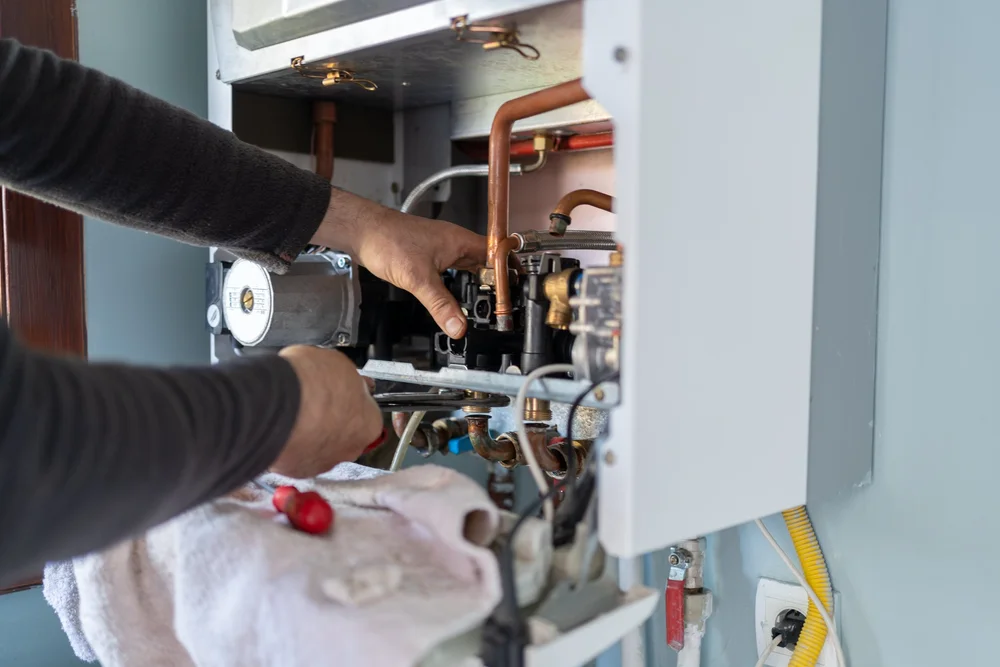
You walk into your basement on a January morning in Sterling Heights, and there's water pooling around your furnace. The house is warm, the furnace is running, but something is clearly wrong. A furnace leaking water is one of the most common service calls we get during Michigan winters, and it's rarely as simple as "just a little condensation."
Most homeowners assume water near a furnace means a plumbing leak or a broken water heater nearby. But modern high-efficiency furnaces actually produce water as part of their normal operation. The question is whether that water is draining properly or leaking where it shouldn't. Some leaks are routine maintenance issues you can address quickly. Others signal serious problems that require immediate professional attention.
In this guide, we'll walk through the five most common causes of furnace water leaks, explain how to diagnose the source, and cover what repairs actually cost in Metro Detroit. We'll also show you what our NATE-certified technicians check during a leak service call and how preventive maintenance through the Next Care Plan can stop these issues before they flood your furnace room.
Why High-Efficiency Furnaces Produce Water (And Older Ones Don't)
If your furnace was installed in the last 15 years, there's a good chance it's a condensing furnace with an AFUE (Annual Fuel Utilization Efficiency) rating of 90% or higher. These units are standard in Michigan because they save homeowners hundreds of dollars per winter in heating costs. But they also produce water as a byproduct of combustion.
Here's why: A condensing furnace extracts so much heat from the combustion gases that the exhaust cools below the dew point before it leaves the house. When those hot gases cool, water vapor condenses into liquid, just like moisture forming on a cold glass in summer. A typical high-efficiency furnace can produce several gallons of condensate per day during peak heating season.
That water has to go somewhere. Modern furnaces route it through a condensate drain line, usually a clear plastic tube or small PVC pipe that leads to a floor drain, sump pump, or exterior drain. If that system is working properly, you'll never see the water. If it's not, you get a puddle.
Older furnaces with AFUE ratings below 80% don't produce condensate because they vent hot exhaust gases through a metal flue pipe. If you have an older furnace and see water, the cause is different and potentially more serious.
The 5 Most Common Causes of Furnace Water Leaks
Over 35 years of service calls across Southeast Michigan, we've seen the same handful of issues cause almost every furnace water leak. Here's what's actually going wrong.
1. Clogged Condensate Drain Line
This is the number one cause. The condensate drain line can clog with algae, mold, dust, or sediment over time. When the line backs up, water overflows from the drain pan or collector box and spills onto your furnace room floor. You'll often see water pooling near the base of the furnace or around the condensate pump.
Michigan's humid summers make this worse. When your AC runs in July and August, it also produces condensate that flows through the same drain line. Any buildup from cooling season can restrict flow during heating season.
2. Broken Condensate Pump
If your furnace is in a basement and the drain line needs to pump water up to reach a drain or exterior outlet, you have a condensate pump. These small pumps have a reservoir that fills with water, then activates to pump it out. If the pump motor fails, the float switch sticks, or the discharge line clogs, water backs up and overflows.
We see condensate pump failures spike in November and December when furnaces first start running hard after months of sitting idle. If you hear a humming or buzzing sound near the furnace and see water, the pump is likely struggling.
3. Cracked Heat Exchanger (Dangerous)
This is the most serious cause and the one that requires immediate attention. The heat exchanger is the metal chamber inside your furnace where combustion occurs. If it cracks, you can get water leaking from inside the furnace cabinet, often accompanied by rust stains or a metallic smell.
A cracked heat exchanger is also a carbon monoxide hazard. Combustion gases that should vent outside can leak into your home's air supply. If you suspect a cracked heat exchanger, shut down the furnace immediately and call for service. This isn't a repair you can make yourself, and it's not something you should ignore even for a day.
Heat exchanger cracks are more common in furnaces over 15 years old, especially if they've been undersized for the home or poorly maintained. Many homeowners in older Metro Detroit homes with single-stage furnaces that short-cycle see this issue earlier than expected.
4. Humidifier Leak or Overflow
If your furnace has a whole-home humidifier attached to the ductwork, it has its own water supply line and drain. These connections can leak, especially if the humidifier hasn't been serviced in years. The water pan inside the humidifier can also overflow if the drain line clogs or the float valve sticks.
Michigan winters are dry, and whole-home humidifiers are popular here. But they need annual cleaning and inspection. If you see water near the humidifier or on the ductwork just above the furnace, that's your likely culprit.
5. Improperly Sized or Damaged Flue Pipe
High-efficiency furnaces use PVC flue pipes to vent exhaust gases. If these pipes are too long, improperly sloped, or damaged, condensate can accumulate inside the pipe instead of draining back into the furnace's condensate system. Eventually, that water leaks out at a joint or connection point.
We see this most often in furnaces installed by contractors who didn't follow manufacturer specifications for vent pipe length and slope. It's also common in older homes where the furnace was upgraded but the venting wasn't reconfigured properly.
How to Diagnose Where the Water Is Coming From
Before you call for service, you can do a basic inspection to help narrow down the cause. This can save time and give your technician useful information when they arrive.
Step 1: Turn off the furnace at the thermostat. Set it to OFF mode, not just lower the temperature. This stops the unit from cycling and gives you a safe window to inspect.
Step 2: Locate the source of visible water. Use a flashlight to trace the water back to where it's coming from. Check around the base of the furnace, near the condensate drain line, around the humidifier if you have one, and near the PVC exhaust pipes. Look for drips, standing water, or rust stains.
Step 3: Check the condensate drain line and pump. Look for a clear plastic tube or small PVC pipe leading away from the furnace. If water is pooling near it, the line may be clogged. If you have a condensate pump (a small plastic box with a reservoir), check if the water level inside is high or overflowing. Listen for unusual sounds when the furnace runs.
Step 4: Inspect the humidifier connections. If your furnace has a humidifier, check the water supply line and drain connections. Look for drips, loose fittings, or standing water in the humidifier pan.
Step 5: Call a licensed HVAC technician. If you can't clearly identify the source, or if you suspect a cracked heat exchanger or internal component failure, don't try to fix it yourself. Water leaks can cause electrical hazards, mold growth, and equipment damage if left unresolved. Our team offers furnace repair and diagnostic services across Macomb, Oakland, and St. Clair counties.
Safety Note: Never operate a furnace with an unknown water leak, especially if you smell gas, see rust inside the cabinet, or notice soot around the burners. These are signs of serious combustion problems that can produce carbon monoxide.

What a Michigan HVAC Tech Checks During a Leak Call
When you call NEXT Heating & Cooling for a furnace water leak, here's what our technicians do during the diagnostic visit.
First, we visually inspect the entire furnace and surrounding area to locate the water source. We check the condensate drain line, pump, humidifier, flue pipes, and heat exchanger cabinet. We look for obvious clogs, damaged components, or signs of corrosion.
Next, we test the condensate system. We pour water into the drain line to see if it flows freely or backs up. If you have a condensate pump, we test the float switch and motor to make sure it's activating properly. We also inspect the discharge line for clogs or kinks.
If the condensate system looks fine, we inspect the heat exchanger. We use a flashlight and mirror to look for cracks, rust, or holes. In some cases, we'll use a combustion analyzer to test for exhaust gas leaks. If we find a cracked heat exchanger, we'll recommend shutting down the furnace immediately and discuss repair or replacement options.
We also check the humidifier if you have one. We inspect the water supply line, drain connections, and internal components for leaks or buildup. Many humidifiers need annual cleaning to prevent overflow issues.
Finally, we check the flue pipe installation. We verify that PVC vent pipes are properly sloped and supported, and we look for any signs of condensate pooling inside the pipes or leaking at joints.
Once we've identified the cause, we explain what's wrong, what it will take to fix it, and what it will cost. No pressure, no upselling. Just clear information so you can make the right decision for your home. That's the same approach that's built Metro Detroit's reliable HVAC contractor reputation over 35 years.
Cost Reality: What Furnace Leak Repairs Actually Run in Metro Detroit
Here's what you can expect to pay for common furnace leak repairs in Southeast Michigan in 2026. These are real-world numbers based on our service calls in Macomb, Oakland, and St. Clair counties.
Condensate drain line flush: $150 to $250. This includes clearing the clog, flushing the line with a cleaning solution, and testing the system to make sure it drains properly. If the clog is severe or the line needs replacement, costs can run higher.
Condensate pump replacement: $300 to $500. This includes the new pump, installation, and testing. Some high-capacity pumps or complex installations (like pumps that serve both the furnace and AC) can run toward the higher end.
Heat exchanger replacement: $1,200 to $2,500. This is a major repair that involves disassembling much of the furnace to access the heat exchanger. In many cases, if your furnace is over 15 years old, it makes more financial sense to replace the entire unit rather than invest in a heat exchanger repair. We'll walk you through the math so you can decide what makes sense for your situation. For context, see our guide on furnace replacement costs in Michigan.
Humidifier repair or replacement: $200 to $400. This includes fixing leaks, replacing worn components, or installing a new humidifier if the old one is beyond repair.
Flue pipe repair or reconfiguration: $300 to $600. This involves adjusting the slope, replacing damaged sections, or adding proper supports to prevent condensate pooling.
These prices assume straightforward repairs with standard parts. If your furnace is older or uses discontinued components, costs can be higher. We always provide a written estimate before starting work, so there are no surprises.
How to Prevent Furnace Water Leaks (And Why the Next Care Plan Matters)
Most furnace water leaks are preventable with regular maintenance. Here's what you can do to keep your condensate system working properly.
Change your furnace filter every 1 to 3 months. A clogged filter restricts airflow, which can cause the heat exchanger to overheat and crack. It also reduces efficiency and increases condensate production. In Michigan, where furnaces run hard from November through March, filters get dirty fast.
Flush the condensate drain line annually. You can do this yourself by pouring a cup of white vinegar or a mild bleach solution down the drain line. This helps prevent algae and mold buildup. If you're not comfortable doing this, it's included in professional tune-ups.
Test the condensate pump before heating season. Pour a cup of water into the pump reservoir and make sure it activates and drains properly. If it doesn't, call for service before the furnace starts running daily.
Clean your humidifier every fall. Remove mineral buildup, check the water supply line for leaks, and make sure the drain is clear. This takes 15 minutes and prevents most humidifier-related leaks.
Schedule professional maintenance twice a year. A fall furnace tune-up and spring AC tune-up catch small issues before they become expensive repairs. Our technicians clean the condensate system, test the pump, inspect the heat exchanger, and check all connections.
This is where the Next Care Plan pays for itself. For $5 per month, you get two annual tune-ups, priority scheduling, 10% off repairs, and no service call fees. We've seen homeowners avoid $1,500 furnace repairs and $3,500 AC compressor replacements simply because we caught the problem during a routine visit. The plan also includes condensate system maintenance, which directly prevents the water leaks we're discussing here.
If you're not sure whether your furnace is due for maintenance, or if you've never had the condensate system serviced, now is the time to schedule it. We serve homeowners in Sterling Heights, Troy, Warren, Clinton Township, and across Southeast Michigan.
Ready to Get Started?
NEXT Heating & Cooling has been keeping Michigan homes comfortable for over 35 years. Get honest diagnostics and fair pricing from NATE-certified technicians who show up on time.
Schedule Your ServiceFrequently Asked Questions
It's normal for high-efficiency furnaces to produce water as condensate, but that water should drain away through the condensate system. If you see water pooling around your furnace, something in the drainage system has failed or clogged. Older furnaces that don't produce condensate should never leak water, and any visible water is a sign of a serious problem.
It depends on the cause. If the leak is from a clogged condensate drain and the furnace is otherwise operating normally, you can run it temporarily while you arrange for service. But if you suspect a cracked heat exchanger, see rust inside the cabinet, or smell gas, shut the furnace down immediately and call for emergency service. Water leaks can also cause electrical hazards and mold growth if left unresolved.
Most furnace water leak repairs in Metro Detroit cost between $150 and $500. A simple condensate drain flush runs $150 to $250. Condensate pump replacement costs $300 to $500. Heat exchanger replacement is the most expensive repair at $1,200 to $2,500, and in many cases, it makes more sense to replace the entire furnace if the unit is over 15 years old.
High-efficiency furnaces produce water as a byproduct of combustion. The most common cause of leaks is a clogged condensate drain line or a failed condensate pump. These issues prevent water from draining properly, causing it to overflow onto your furnace room floor. Regular maintenance prevents most of these problems.
Indirectly, yes. A severely clogged filter restricts airflow, which can cause the heat exchanger to overheat and crack over time. A cracked heat exchanger can leak water and is a serious safety hazard. Changing your filter every 1 to 3 months is one of the simplest ways to prevent expensive furnace problems.
Signs of a cracked heat exchanger include water leaking from inside the furnace cabinet, rust stains around the burners, a metallic smell when the furnace runs, soot buildup, or visible cracks when inspecting the exchanger with a flashlight. If you suspect a cracked heat exchanger, shut down the furnace immediately and call for service. This is a carbon monoxide hazard and requires professional diagnosis.
The Next Care Plan includes two annual tune-ups that inspect and maintain your condensate system, which prevents most water leaks from happening in the first place. If a repair is needed, plan members get 10% off parts and labor, priority scheduling, and no service call fees. The plan costs $5 per month and has saved many Michigan homeowners from expensive emergency repairs.