

Furnace Repair Near Me: What to Expect from a Michigan Tech

You wake up at 3 AM in January. The house is cold. The furnace is running, but no heat is coming out of the vents. You grab your phone and search "furnace repair near me" while your breath fogs in the bedroom.
This is the moment every Michigan homeowner dreads. You need help fast, but you also need someone who will tell you the truth about what is wrong and what it will cost to fix. After 35 years of heating and cooling services in Metro Detroit, we have seen every furnace failure scenario. Here is what you should expect when you call a licensed HVAC contractor in Southeast Michigan.
The quality of your furnace repair depends entirely on the diagnostic process. A good tech does not guess. They follow a methodical sequence that identifies the actual problem, not just the symptom. That sequence matters because Michigan furnaces face conditions most other states never see: polar vortex events, lake-effect cold snaps, and basement installations where condensation and rust accelerate component failure.
How Michigan Techs Diagnose Furnace Problems
When a NATE-certified technician arrives at your home in Sterling Heights or Troy, they start with the simplest possibilities before tearing into the furnace. This saves you money and prevents unnecessary repairs.
First, they check the thermostat. Is it set to heat? Are the batteries dead? Is the display blank? A surprising number of service calls end here. Next, they verify power to the furnace. Tripped breakers and blown fuses are common, especially after power surges during Michigan ice storms.
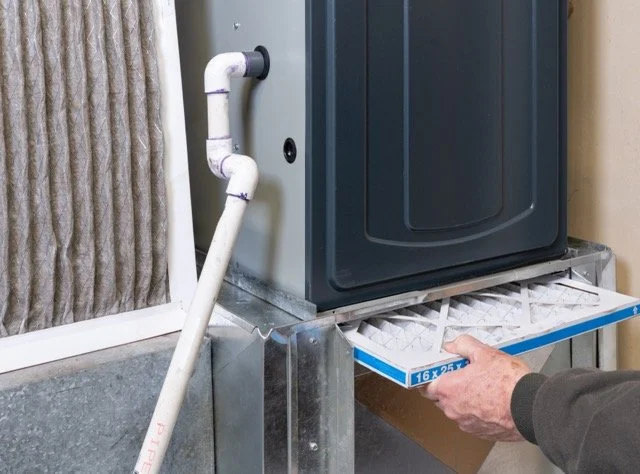
Then they pull the air filter. A clogged filter is the single most common cause of furnace shutdowns. When airflow drops below a certain threshold, the pressure switch refuses to close, and the furnace will not ignite. In homes with pets or older ductwork, filters clog fast. If you have not changed yours in three months, this is likely your problem.
After confirming airflow, the tech tests the ignition system. Most modern furnaces use a hot surface ignitor, a ceramic element that glows orange and ignites the gas. These igniters crack over time, especially in furnaces that cycle frequently during Michigan's temperature swings. A cracked ignitor will glow but fail to light the burners. The fix takes 20 minutes and costs far less than replacing a control board.
Next comes gas pressure testing. The tech measures pressure at the gas valve and at the manifold to confirm proper fuel delivery. Low gas pressure causes incomplete combustion, yellow flames instead of blue, and soot buildup inside the heat exchanger. High pressure wastes fuel and shortens component life.
The heat exchanger inspection is critical. This is the metal chamber where combustion occurs. Over years of heating cycles, metal fatigues and cracks. A cracked heat exchanger allows combustion gases, including carbon monoxide, to mix with the air circulating through your home. Good techs use mirrors, cameras, and sometimes a combustion analyzer to inspect every section. If they find a crack, the furnace needs replacement. No responsible contractor will patch a cracked heat exchanger.
Finally, they test safety controls: the flame sensor, limit switches, and rollout switches. These components shut down the furnace when something goes wrong. A dirty flame sensor is one of the easiest fixes, but it causes the furnace to ignite and then shut off after a few seconds. Limit switches prevent overheating. Rollout switches detect flame spillage outside the combustion chamber. All of these must work correctly, or the furnace becomes dangerous.
This diagnostic sequence is what separates a trained technician from someone guessing. If your contractor skips steps or immediately recommends replacement without testing, get a second opinion. NATE-certified HVAC technicians follow this process because it works.
The Most Common Furnace Repairs We See in Southeast Michigan
Certain furnace problems appear every winter in Macomb and Oakland counties. Some are simple fixes. Others signal deeper issues.
Hot Surface Ignitor Failure
The ignitor is a fragile ceramic element. It heats to over 2,500 degrees Fahrenheit to ignite natural gas. After 5 to 7 years, most igniters crack. The furnace will click, the draft inducer motor will run, but the burners will not light. Replacing the ignitor takes less than an hour. Parts cost between $50 and $150 depending on the furnace brand. Carrier, Lennox, and Trane igniters are readily available. Older Goodman and Amana models sometimes require special-order parts.
Blower Motor and Capacitor Issues
The blower motor circulates warm air through your ductwork. When it fails, the furnace heats but no air moves. You will hear the burners fire, but the house stays cold. Blower motors fail gradually. First, they get noisy. Then they struggle to start. Finally, they stop altogether.
Often, the problem is not the motor itself but the capacitor that helps it start. Capacitors are cheap, usually under $30. Motors are not. A replacement blower motor assembly runs $400 to $800 installed, depending on horsepower and brand. Variable-speed motors cost more but run quieter and save energy.
Cracked Heat Exchanger
This is the repair no homeowner wants to hear about. The heat exchanger is the heart of your furnace. When it cracks, carbon monoxide can leak into your home. Replacement is not an option because heat exchangers are furnace-specific and cost nearly as much as a new furnace. If your heat exchanger cracks and your furnace is over 15 years old, replacement makes more financial sense than repair.
Signs of a cracked heat exchanger include soot around the burners, a yellow or flickering flame, and a metallic smell when the furnace runs. If your carbon monoxide detector goes off, shut down the furnace immediately and call for 24-hour emergency HVAC service.
Pressure Switch Failure
The pressure switch confirms that the draft inducer motor is pulling enough air through the furnace to safely vent combustion gases. If the switch fails, the furnace will not ignite. Pressure switches fail for two reasons: the switch itself wears out, or the condensate drain line clogs.
Modern high-efficiency furnaces produce water as a byproduct of combustion. That water drains through a tube to a floor drain or condensate pump. In Michigan basements, these lines freeze or clog with algae. When water backs up, the pressure switch opens and shuts down the furnace. Clearing the line costs nothing. Replacing the switch costs $150 to $300.
Thermostat Problems
Sometimes the furnace is fine, but the thermostat is not. Dead batteries, loose wiring, or a failed temperature sensor can prevent the furnace from running. If you have an older mechanical thermostat, upgrading to a programmable or smart thermostat improves comfort and saves energy. Installation takes an hour and costs $150 to $400 depending on the model.
We wrote about why your thermostat is not reaching the set temperature in another post. The problem is often not the thermostat itself but poor placement, dirty contacts, or a furnace that short-cycles.
What Furnace Repair Actually Costs in Macomb and Oakland Counties
Pricing transparency matters. You should know what to expect before a technician arrives. Here is the cost breakdown for furnace repairs in Southeast Michigan.
Most HVAC companies charge a service call fee just to show up and diagnose the problem. In Metro Detroit, that fee ranges from $75 to $150. Some contractors waive the fee if you proceed with the repair. Others charge it regardless. At NEXT Heating & Cooling, we believe in straightforward pricing: you pay for the diagnostic visit, and we apply that cost toward the repair if you move forward.
Labor rates vary by contractor and certification level. NATE-certified technicians typically charge more because their training is deeper and their diagnostics are more accurate. Expect $100 to $150 per hour for labor. Simple repairs like replacing an ignitor or flame sensor take less than an hour. Complex jobs like replacing a blower motor or control board can take two to three hours.
Parts costs depend on the furnace brand and availability. Common parts like igniters, flame sensors, and capacitors are inexpensive. Proprietary parts for older Carrier, Lennox, or Rheem furnaces cost more. If your furnace is under warranty, the manufacturer may cover the part, but you still pay for labor.
Here are typical repair costs for common failures:
- Ignitor replacement: $150 to $300 installed
- Flame sensor cleaning or replacement: $100 to $200
- Blower motor capacitor: $100 to $175
- Blower motor replacement: $450 to $850
- Pressure switch: $175 to $325
- Gas valve: $300 to $600
- Control board: $400 to $800
- Inducer motor: $500 to $900
Emergency service costs more. If you call at 2 AM on a Sunday during a blizzard, expect to pay a premium. Most contractors charge 1.5 to 2 times their normal rate for after-hours or holiday service. That is fair. Technicians give up their time, and parts suppliers charge more for emergency orders.
One way to avoid emergency repair costs is to join a preventative maintenance subscription like the NEXT Care Plan. For $5 per month, you get two annual tune-ups, priority scheduling, and 10% off all repairs. Members also avoid service call fees. Over the life of a furnace, that saves hundreds of dollars.
Repair vs. Replace: The Real Math Michigan Homeowners Need
This is the question every homeowner asks when the furnace breaks: should I repair it or replace it? The answer depends on four factors: the age of the furnace, the cost of the repair, the efficiency of the current system, and how long you plan to stay in the house.
Furnaces last 15 to 20 years in Michigan. If your furnace is under 10 years old and the repair costs less than $500, repair almost always makes sense. If your furnace is over 15 years old and the repair costs more than $1,000, replacement is usually the better choice.
Here is the math. A new high-efficiency furnace costs $3,500 to $6,500 installed, depending on size, brand, and efficiency rating. If your current furnace is 18 years old and needs a $1,500 repair, you are spending 25% to 40% of replacement cost on a system that will likely fail again within a few years. That is poor value.
Efficiency matters too. Older furnaces operate at 80% AFUE (Annual Fuel Utilization Efficiency), meaning 20% of the fuel you buy goes up the chimney. Modern furnaces run at 95% to 98% AFUE. On a $1,500 annual heating bill, upgrading from 80% to 96% AFUE saves $250 per year. Over 10 years, that is $2,500 in savings, enough to offset much of the replacement cost.
If you are planning to sell your home within two years, a major repair may make more sense than replacement. Buyers care that the furnace works, but they rarely pay extra for a brand-new system. If you are staying in the house long-term, replacement delivers better value through lower energy bills and fewer repair calls.
We covered this topic in depth in our post on the best time to buy a furnace in Michigan. Buying in spring or summer often saves 10% to 15% compared to emergency replacement in January.
Signs You Need Emergency Furnace Repair
Not every furnace problem requires immediate attention, but some do. If you experience any of the following, call for emergency service right away.
Carbon Monoxide Symptoms
Carbon monoxide is odorless, colorless, and deadly. Symptoms include headache, dizziness, nausea, and confusion. If multiple people in your home feel sick and symptoms improve when you leave the house, suspect carbon monoxide. Shut down the furnace, open windows, evacuate, and call 911. Do not re-enter until emergency responders clear the home.
Complete Loss of Heat in Winter
If your furnace stops working entirely during a Michigan cold snap, you have hours, not days, before pipes freeze. Water damage from burst pipes costs thousands of dollars. Call for emergency service immediately. While you wait, keep cabinet doors open under sinks, let faucets drip, and close off unused rooms to concentrate heat.
Gas Smell
Natural gas smells like rotten eggs because of an additive called mercaptan. If you smell gas near your furnace, do not light matches, flip light switches, or use your phone inside the house. Evacuate, call the gas company from outside, and do not re-enter until they clear the building. Gas leaks are rare, but they are dangerous.
Loud Banging or Screeching Noises
Furnaces make noise, but they should not sound like a freight train. A loud bang when the burners ignite indicates delayed ignition, where gas builds up before lighting. This can crack the heat exchanger. A screeching sound usually means a blower motor bearing has failed. Both problems require immediate attention.
If your furnace is making unusual noises, read our post on five signs your furnace is dying. Catching problems early prevents emergency breakdowns.
How to Choose a Furnace Repair Contractor in Metro Detroit
Not all HVAC contractors operate the same way. Some prioritize volume and push unnecessary replacements. Others take the time to diagnose accurately and offer honest recommendations. Here is what to look for when choosing a reliable HVAC contractor in Metro Detroit.
Michigan Mechanical Contractor License
In Michigan, anyone working on gas-fired heating equipment must hold a Mechanical Contractor License issued by the state. This is not optional. Unlicensed contractors cannot pull permits, and their work is not covered by insurance if something goes wrong. Always ask to see the license number and verify it with the Michigan Department of Licensing and Regulatory Affairs.
NATE Certification
NATE (North American Technician Excellence) is the industry standard for HVAC technician certification. NATE-certified techs pass rigorous exams on heating, cooling, and refrigeration systems. They know the science behind combustion, airflow, and heat transfer. Not every good tech is NATE-certified, but certification is a strong indicator of competence.
Transparent Pricing
Good contractors explain costs before starting work. They provide written estimates that break down labor and parts. They do not surprise you with hidden fees or upcharges. If a contractor refuses to give you a written estimate, walk away.
No-Pressure Diagnostics
Honest contractors diagnose the problem and give you options. They explain what is broken, what it will cost to fix, and whether repair makes sense given the age and condition of your furnace. They do not push you toward replacement if a $200 repair will keep you warm for another three years. Commission-based sales have no place in HVAC service.
At NEXT Heating & Cooling, our technicians do not work on commission. They get paid the same whether they replace an ignitor or install a new furnace. That removes the incentive to upsell. It is one of the core values that separates us from other contractors in Southeast Michigan.
Reviews and References
Check Google reviews, BBB ratings, and ask neighbors for recommendations. A contractor with decades of experience and hundreds of positive reviews has earned that reputation. New companies are not necessarily bad, but established contractors have a track record you can verify.
NEXT Heating & Cooling operates under Premier Builder Inc., a company that has served Southeast Michigan since 1991. We are BBB A+ accredited, and our technicians average over 10 years of experience. We have been in your neighbor's basement, your coworker's furnace room, and the crawl spaces of homes across Macomb, Oakland, and St. Clair counties.
Ready to Get Started?
NEXT Heating & Cooling has been keeping Michigan homes comfortable for over 35 years. Get honest diagnostics and fair pricing from NATE-certified technicians who show up on time.
Schedule Your Service