

Same-Day Furnace Repair: What to Expect in Metro Detroit
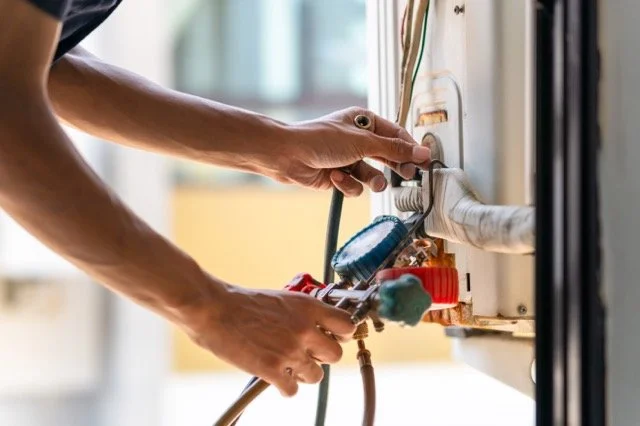
It's 11 PM on a Tuesday in January. The outdoor temperature in Sterling Heights just hit 8 degrees. Your furnace made a loud clunk, then stopped. The blower is silent. Your thermostat reads 58 and dropping.
You need heat. Tonight.
Same-day furnace repair exists for exactly this scenario. But not every furnace issue qualifies as an emergency, and understanding what same-day service actually involves helps you make the right call. We've been running heating and cooling services in Metro Detroit for over 35 years, and we've seen every kind of midnight furnace failure Southeast Michigan winters can throw at a homeowner.
Here's what you need to know about same-day furnace repair: when you need it, how it works, what it costs, and how to avoid needing it in the first place.
What Qualifies as a Furnace Emergency
Not every furnace problem requires immediate attention. A furnace that cycles off after 10 minutes in October is annoying. A furnace that won't start when it's 5 degrees outside is a safety issue.
Here's what qualifies as a true emergency requiring same-day service:
No Heat with Outdoor Temps Below Freezing
When outdoor temperatures drop below 32 degrees and your furnace produces no heat at all, you're looking at a potential pipe-freezing situation within 6 to 12 hours depending on your home's insulation. Michigan homes lose heat fast. A well-insulated 1980s ranch in Troy might hold 60 degrees for several hours. A drafty 1950s bungalow in Royal Oak could drop into the 40s overnight.
This is the most common reason homeowners call for emergency furnace repair, and it's the right call.
Gas Smell or Carbon Monoxide Detector Triggered
If you smell natural gas (a rotten egg odor added to otherwise odorless gas), shut off your furnace immediately, leave the house, and call your gas utility from outside. Then call us. A gas leak is life-threatening.
If your carbon monoxide detector goes off, the same protocol applies. A cracked heat exchanger or blocked flue can send CO into your living space. This is not a "wait until morning" situation. Many homeowners wonder if their furnace not turning on could indicate a safety issue like this, and the answer is sometimes yes.
Electrical Burning Smell
A burning dust smell when you first fire up your furnace in October is normal. An acrid electrical burning smell mid-winter is not. It usually indicates a failing blower motor, a shorted control board, or damaged wiring. Continuing to run the furnace risks an electrical fire.
Shut it down and call for service.
Loud Banging or Metal-on-Metal Sounds
A loud bang at startup (called delayed ignition) means gas is pooling in the combustion chamber before igniting. That's dangerous. Metal-on-metal grinding or screeching indicates a failing blower motor bearing or a loose blower wheel. Both can cause secondary damage if ignored.
Furnaces should run quietly. Loud noises mean something mechanical has failed or is about to.

Blower Runs But No Heat
If your blower motor runs continuously but no warm air comes out, your burners aren't lighting. Common causes include a failed ignitor, a dirty flame sensor, or a tripped pressure switch. In freezing weather, this still qualifies as an emergency because you're burning electricity to move cold air while your home temperature drops.
The fix is often simple, but you need a technician to diagnose it.
How Same-Day Repair Works in Southeast Michigan
Same-day furnace repair isn't magic. It's a combination of prioritized scheduling, well-stocked service trucks, and experienced technicians who can diagnose problems fast. Here's how the process actually works when you call a reliable HVAC contractor in Metro Detroit.
Call Prioritization System
When you call for emergency service, the dispatcher asks specific questions: outdoor temperature, indoor temperature, whether you have heat at all, whether you smell gas, whether you have young children or elderly family members in the home. These answers determine priority.
A no-heat call with a newborn in the house and outdoor temps at 10 degrees gets priority over a furnace that's running but cycling short in 40-degree weather. That second call might wait until the next available slot or the following morning.
At NEXT Heating & Cooling, members of our $5/month HVAC maintenance plan get priority scheduling for emergency calls. It's one of the reasons the plan exists.
Truck Stock Inventory
Our service trucks carry the most common failure parts for Carrier, Lennox, Trane, Rheem, Bryant, and Goodman furnaces. That includes ignitors, flame sensors, pressure switches, capacitors, transformers, and blower motor assemblies. About 70% of emergency calls can be fixed on the spot with parts we already have.
The other 30% require ordering a specific part: a control board for a 15-year-old York furnace, a gas valve for a discontinued Amana model, a custom-length heat exchanger. In those cases, we'll do everything possible to get you temporary heat (space heaters, temporary bypass if safe) and return the next day with the part.
Diagnostic Process
A good technician can diagnose most furnace failures in 15 to 30 minutes. We follow a logical troubleshooting sequence: check power, check thermostat, check safety switches, check ignition system, check burners, check blower. This isn't guesswork. It's systematic elimination.
Once we identify the failed component, we explain what happened, why it failed, what the repair costs, and whether the furnace has other issues that might fail soon. No pressure. Just information. You decide whether to repair or replace.
Common Same-Day Fixes vs. Next-Day Parts Orders
Same-day fixes we complete most often:
- Ignitor replacement (the most common furnace failure in Michigan)
- Flame sensor cleaning or replacement
- Pressure switch replacement
- Condensate drain clearing (clogs cause safety shutdowns)
- Blower motor capacitor replacement
- Thermostat wiring repair or replacement
- Limit switch replacement
Repairs that usually require next-day parts:
- Control board replacement (hundreds of models, can't stock them all)
- Gas valve replacement (brand-specific, needs exact match)
- Inducer motor replacement (heavy, bulky, not always in stock)
- Heat exchanger replacement (furnace-specific, expensive, often triggers replacement discussion)
If you're dealing with furnace short-cycling, the issue might be a failed limit switch or a clogged filter, both of which we can fix immediately.
What the Tech Checks First
Understanding the diagnostic sequence helps you know what to expect when the technician arrives. Here's the step-by-step process our NATE-certified technicians follow.
Thermostat Settings and Wiring
About 15% of no-heat calls are thermostat issues. The homeowner set it to "cool" by accident. The batteries died. Someone bumped the temperature down to 60. A wire came loose during a recent remodel.
We check this first because it's the fastest fix. If the thermostat is calling for heat and wired correctly, we move on.
Circuit Breakers and Safety Switches
Furnaces have multiple safety switches: a door switch (furnace won't run if the panel is off), a rollout switch (trips if flames escape the combustion chamber), a high-limit switch (trips if the plenum gets too hot), and a pressure switch (confirms the inducer motor is pulling combustion air).
Any one of these can shut the furnace down. We test each one. If a safety switch has tripped, we need to find out why before resetting it. A tripped rollout switch, for example, indicates a serious problem like a cracked heat exchanger or blocked flue.
Flame Sensor and Ignitor
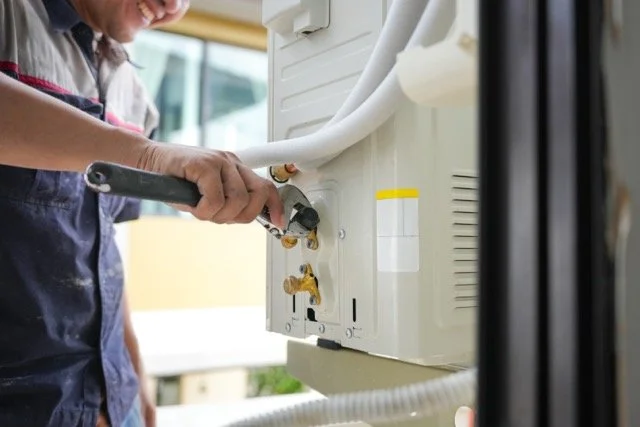
The ignitor glows red-hot to light the gas burners. After 3 to 5 seconds, the burners ignite and the flame sensor confirms the flame is present. If the sensor is dirty or failing, it can't detect the flame, so the furnace shuts off the gas as a safety measure.
This is the most common failure mode in Michigan furnaces. Ignitors crack from thermal stress. Flame sensors get coated with carbon buildup. Both are inexpensive parts. We carry them on every truck.
Pressure Switches and Condensate Drain
High-efficiency furnaces (90+ AFUE) produce condensation as a byproduct of combustion. That water drains out through a PVC pipe. If the drain clogs with algae or freezes (common in unheated crawl spaces), water backs up and triggers a safety switch that shuts down the furnace.
We clear the drain, test the pressure switch, and verify proper drainage. This fix takes 10 minutes.
Heat Exchanger Integrity
A cracked heat exchanger is the most serious furnace failure. The heat exchanger separates combustion gases from the air that circulates through your home. A crack allows carbon monoxide to mix with your breathing air.
We inspect the heat exchanger with a flashlight and mirror, looking for visible cracks, rust, or corrosion. If we suspect a crack but can't see it, we may use a combustion analyzer to test for CO in the supply air. A cracked heat exchanger means the furnace needs to be replaced. There's no safe repair.
This is rare in furnaces under 15 years old, but common in 20+ year-old units. If you're comparing Carrier vs. Trane vs. Lennox furnaces, heat exchanger warranty length is one of the key differences.
Same-Day Repair Costs in Metro Detroit
Emergency service costs more than scheduled service. That's true everywhere. You're paying for availability, speed, and the inconvenience of a technician leaving their family at 9 PM to fix your furnace.
Here's what same-day furnace repair costs in Southeast Michigan in 2026.
Service Call Fees
A standard daytime service call (8 AM to 5 PM, Monday through Friday) typically costs $89 to $129 in Metro Detroit. That covers the trip, diagnosis, and a written estimate. If you approve the repair, the service call fee usually applies toward the total cost.
An after-hours emergency call (evenings, weekends, holidays) typically costs $150 to $200. The premium covers the technician's overtime and the dispatcher's availability.
Members of our Next Care Plan pay no service call fees and get 10% off all repairs. At $5 per month, the plan pays for itself with a single emergency call.
Common Repair Price Ranges
Once the technician diagnoses the problem, here's what common furnace repairs cost in Metro Detroit:
- Ignitor replacement: $180 to $350 (part + labor)
- Flame sensor cleaning/replacement: $120 to $250
- Pressure switch replacement: $150 to $300
- Blower motor capacitor: $140 to $280
- Limit switch replacement: $150 to $300
- Inducer motor replacement: $400 to $800
- Control board replacement: $300 to $700
- Gas valve replacement: $350 to $650
- Blower motor replacement: $500 to $1,200
These are typical ranges. Actual cost depends on the furnace brand, model, and part availability. A control board for a discontinued Goodman furnace might cost more than one for a current Carrier model.
When Replacement Makes More Sense Than Repair
If your furnace is over 15 years old and the repair costs more than $800, it's worth having a replacement conversation. A new high-efficiency furnace costs $3,500 to $6,500 installed depending on size and brand. If your current furnace needs a $1,200 blower motor today and might need a $600 control board next winter, you're throwing money at a dying system.
We use a simple rule: if the repair cost exceeds 50% of replacement cost and the furnace is over 12 years old, replacement usually makes more financial sense. We'll give you both options with no pressure either way. Homeowners in Farmington Hills often ask about this, and we wrote a full guide on AC repair vs. replace using the 50% rule that applies to furnaces as well.
Real scenario from last winter: We got a call from a homeowner in Clinton Township with a 22-year-old Lennox furnace. The heat exchanger had a visible crack. Repair wasn't an option. We installed a new Carrier 96% AFUE furnace the next day for $4,200. Her gas bills dropped by 30% that winter. Sometimes a breakdown is a blessing in disguise.
When You Should Wait vs. Call Immediately
Not every furnace issue requires a midnight service call. Here's how to decide.
Call Immediately If:
- You have no heat and outdoor temps are below 25 degrees
- You smell gas or your CO detector is alarming
- You smell electrical burning
- The furnace is making loud banging or grinding noises
- You have young children, elderly family members, or anyone with health issues in the home
You Can Probably Wait Until Morning If:
- The furnace is running but cycling short (annoying, but not dangerous)
- The furnace runs but one room is cold (likely a ductwork or damper issue)
- The outdoor temperature is above 40 degrees and you can layer up overnight
- The blower runs continuously but the house is staying warm (likely a thermostat setting)
Use your judgment. If you're uncomfortable or unsure, call. We'd rather check a minor issue at night than have you wake up to frozen pipes.
If your thermostat isn't reaching the set temperature but the furnace is running, that's usually a capacity or airflow issue that can wait until business hours.
Preventable Failures
Many emergency calls are preventable. A furnace that gets annual maintenance rarely fails without warning. The technician spots the failing ignitor during the fall tune-up and replaces it before it cracks. They clean the flame sensor before it gets coated. They test the pressure switch before it sticks.
That's the whole point of preventive maintenance. You avoid the 11 PM panic call.
How to Prevent Emergency Calls
Same-day furnace repair exists because furnaces fail. But most failures are predictable and preventable. Here's how to avoid needing emergency service.
Fall Tune-Ups
Schedule a furnace tune-up every September or early October before you need heat. A technician will clean the burners, test the ignitor, clean the flame sensor, check all safety switches, test the blower motor, inspect the heat exchanger, and verify proper combustion.
This catches 90% of potential failures before they happen. It also keeps your furnace running efficiently, which lowers your gas bills.
Filter Changes
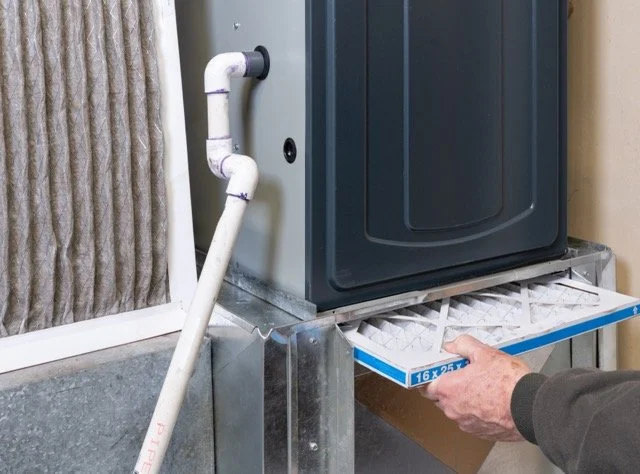
A clogged filter is the leading cause of furnace overheating, blower motor failure, and cracked heat exchangers. When airflow is restricted, the furnace works harder, runs hotter, and wears out faster.
Check your filter monthly during heating season. Replace it when it looks dirty. Standard 1-inch filters should be changed every 30 to 60 days. Thicker 4-inch media filters can last 6 months, but check them anyway.
This is the single cheapest thing you can do to extend your furnace's life.
Next Care Plan Benefits
Our $5/month HVAC maintenance plan includes two annual tune-ups (fall furnace, spring AC), priority scheduling for emergency calls, no service call fees, and 10% off all repairs. It's designed to prevent the exact scenario we've been talking about: a furnace that dies at the worst possible time.
Members rarely need emergency service because we catch problems early. When they do need service, they get bumped to the front of the line and pay less for repairs.
For $60 per year, it's the best insurance policy you can buy for your HVAC system.
Ready to Get Started?
NEXT Heating & Cooling has been keeping Michigan homes comfortable for over 35 years. Get honest diagnostics and fair pricing from NATE-certified technicians who show up on time.
Schedule Your ServiceFrequently Asked Questions
Response time depends on call volume and your location in Southeast Michigan. During extreme cold snaps (below 10 degrees), we may have 20+ emergency calls in queue. We prioritize based on temperature, household vulnerability (young children, elderly, medical needs), and whether you're a Next Care Plan member. Typical response time is 2 to 6 hours for true emergencies. We'll give you an honest arrival window when you call.
Yes. After-hours emergency service (evenings, weekends, holidays) includes a higher service call fee, typically $150 to $200 compared to $89 to $129 for standard daytime service. The repair labor rate may also include an overtime premium. Next Care Plan members pay no service call fees and receive 10% off all repairs, which often offsets the emergency premium entirely.
About 30% of furnace failures require a part we don't stock on the truck (specific control boards, discontinued gas valves, custom heat exchangers). In those cases, we'll do everything safe and possible to get you temporary heat: space heaters, temporary wiring bypasses if code-compliant, or instructions for safe operation in limited mode. We'll order the part for next-day or two-day delivery and return to complete the repair as fast as possible.
Only basic troubleshooting: check your thermostat settings, verify the furnace breaker hasn't tripped, confirm the furnace door panel is fully closed, and replace the air filter if it's clogged. Beyond that, don't attempt repairs yourself. Furnaces involve natural gas, high voltage electricity, and carbon monoxide risk. A mistake can cause a fire, gas leak, or CO poisoning. Leave the diagnosis and repair to licensed NATE-certified technicians.
We use the 50% rule: if the repair cost exceeds 50% of replacement cost and your furnace is over 12 years old, replacement usually makes more financial sense. For example, if a blower motor replacement costs $1,000 and a new furnace costs $4,500, you're spending 22% of replacement cost, so repair makes sense. But if the heat exchanger is cracked (requiring full replacement at $3,500+) and your furnace is 18 years old, a new furnace is the smarter investment. We'll give you both options with transparent pricing.
Yes. At $5/month ($60/year), the plan pays for itself with a single emergency service call. You avoid the $150 to $200 after-hours service fee, get 10% off repairs (which saves $30 to $100+ depending on the repair), and receive priority scheduling. More importantly, the two annual tune-ups (fall furnace, spring AC) catch most failures before they happen, so you rarely need emergency service at all. Over 5 years, members typically save $800 to $1,500 in avoided repairs and energy waste.
We serve all of Southeast Michigan including Macomb County, Oakland County, and St. Clair County. Specific cities include Sterling Heights, Clinton Township, Shelby Township, Macomb, Chesterfield, Troy, Warren, Royal Oak, Rochester Hills, Bloomfield Hills, West Bloomfield, Farmington Hills, and surrounding communities. If you're outside our standard service area, call anyway. During extreme weather emergencies, we sometimes extend coverage to help homeowners in need.