

Spring HVAC Maintenance Checklist Michigan Homeowners Need
Michigan spring is unpredictable. One day it's 35 degrees and snowing, the next it's 72 and humid. Your furnace ran hard all winter through polar vortex events and ice storms. Now your air conditioner needs to wake up and handle the humidity that rolls in off the Great Lakes every June.
After 35 years keeping Southeast Michigan homes comfortable, we've seen what happens when homeowners skip spring HVAC maintenance. The AC that could have been fixed with a $150 tune-up in April becomes a $3,500 compressor replacement in July when it's 88 degrees and everyone else is calling too.
This spring HVAC maintenance checklist covers what Michigan homeowners can safely do themselves, what requires a licensed technician, and why the timing matters more than you think. We'll also break down the real cost of preventive maintenance versus emergency repairs — because Michigan homeowners are practical, and you deserve to know the numbers.
Seven Tasks You Can Do Yourself
Before we get into what requires a professional, here's what most homeowners in Sterling Heights, Rochester Hills, and across Macomb County can safely handle on their own. These tasks take about 45 minutes total and prevent the majority of spring breakdowns.
1. Replace or Clean Your Air Filter
This is the single most important thing you can do. A clogged filter forces your system to work harder, increases energy bills, and can cause the evaporator coil to freeze. During Michigan spring pollen season, filters clog faster than usual.
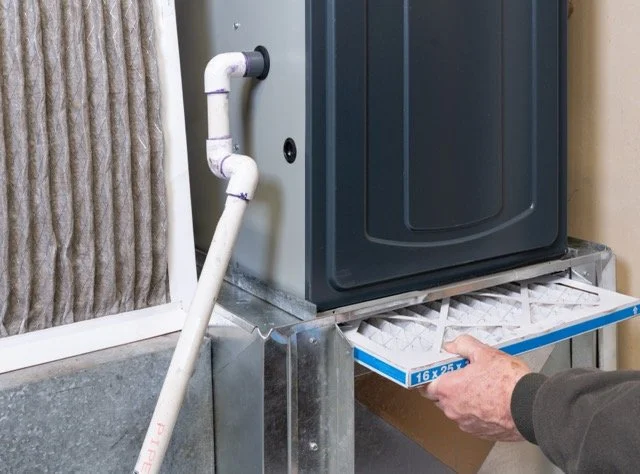
Check your furnace filter every 30 days during spring. If it looks gray or dirty, replace it. Standard 1-inch pleated filters should be replaced every 30-90 days depending on pets, dust, and pollen. If you have a 4-inch or 5-inch media filter, those typically last 6-12 months.
What to buy: Match the size printed on the frame (like 16x25x1). For most residential systems, a MERV 8-11 filter is ideal. Don't go higher than MERV 13 unless your system is designed for it — too much filtration restricts airflow.
2. Clear Debris from Your Outdoor AC Unit
Walk outside and look at your condenser unit. After a Michigan winter, it's probably surrounded by leaves, sticks, and dirt. Snow and ice may have bent the fins on the sides.
Turn off power to the unit at the disconnect box (the gray box mounted near the condenser). Remove leaves, branches, and debris from around the unit. Use a garden hose to gently rinse the fins from the inside out — don't use a pressure washer, which can bend the delicate aluminum fins.
Clear at least 2 feet of space around the entire unit. Trim back bushes, grass, and plants. Airflow matters.
3. Test Your Thermostat
Switch your thermostat from "Heat" to "Cool" and lower the temperature setting below the current room temperature. The system should kick on within a few minutes. Listen for the outdoor unit to start running.
If you have a programmable or smart thermostat, replace the batteries now even if it's not beeping yet. A dead battery in June means no AC until you get to the store.
If your thermostat is more than 10 years old and still uses mercury switches, consider upgrading to a programmable model. It'll pay for itself in energy savings within a year.
4. Inspect All Vents and Registers
Walk through your house and check every supply vent (where air blows out) and return vent (where air gets pulled in). Make sure none are blocked by furniture, rugs, or curtains.
Vacuum out any visible dust or debris. If you have adjustable vents, open them fully for the cooling season — closing vents in unused rooms doesn't save energy and can actually damage your system by creating pressure imbalances.
5. Check the Condensate Drain Line
Your air conditioner removes moisture from the air. That water has to go somewhere — usually through a PVC drain line that runs to a floor drain or outside.
Locate the drain line near your indoor air handler or furnace. It's usually a white or clear PVC pipe about 3/4 inch in diameter. Pour a cup of white vinegar or a condensate drain treatment tablet into the line to prevent algae and mold growth that can cause clogs.
If you see standing water in the drain pan under your furnace, the line is already clogged and you need a professional to clear it before you run the AC.
6. Inspect Accessible Ductwork
If you have a basement or accessible attic, take a flashlight and look at your ductwork. You're looking for:
- Disconnected sections where ducts have pulled apart
- Visible gaps or holes where air is leaking
- Damaged or missing insulation on ducts in unconditioned spaces
- Ducts that are crushed, kinked, or blocked by stored items
Most Michigan homes built before 1990 have ductwork issues. Even small leaks waste 20-30% of your heating and cooling energy. If you spot problems, a professional ductwork inspection and sealing service can dramatically improve comfort and efficiency.
7. Clear the Area Around Your Indoor Equipment
Look around your furnace and air handler. Is there stored paint, cardboard boxes, cleaning supplies, or clutter within 3 feet of the equipment?
Michigan mechanical code requires 30 inches of clearance on the service side of HVAC equipment. Beyond code compliance, clutter restricts airflow, creates fire hazards, and makes it harder (and more expensive) for a technician to service your system.
What Happens During a Professional Spring Tune-Up
The DIY checklist above covers what homeowners can safely handle. But there are critical tasks that require specialized tools, refrigerant certification, and electrical knowledge. Here's what happens when a NATE-certified HVAC technician performs a professional spring tune-up.
Refrigerant Level Check and Adjustment
Your AC doesn't "use up" refrigerant like gas in a car. It's a closed system. If refrigerant is low, there's a leak somewhere.
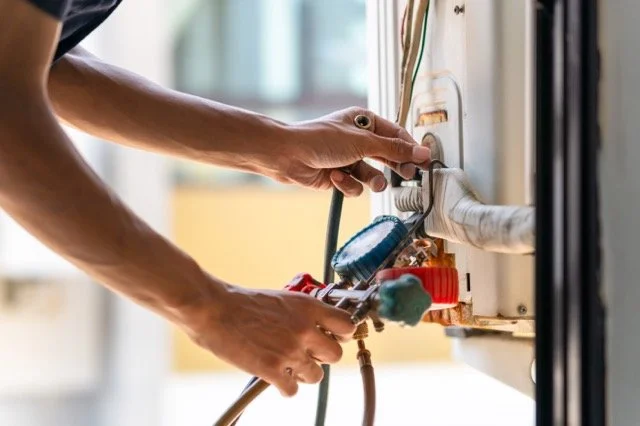
A technician uses manifold gauges to measure refrigerant pressures on both the high and low sides of the system. They compare those readings to manufacturer specifications for your specific model and outdoor temperature. If levels are low, they locate and repair the leak before adding refrigerant — just topping it off without fixing the leak is a waste of money and illegal under EPA regulations.
Low refrigerant causes the evaporator coil to freeze, reduces cooling capacity, and forces the compressor to work harder. Left unchecked, it leads to compressor failure — a $1,200-$3,500 repair on most residential systems.
Electrical Connection Inspection
Loose electrical connections cause system failures, reduce equipment lifespan, and create fire hazards. A technician inspects and tightens all electrical connections at the outdoor condenser, indoor air handler, disconnect boxes, and thermostat.
They measure voltage and amperage at the compressor and blower motor. If readings are outside normal range, it indicates a failing component or electrical supply problem that needs correction before it causes a breakdown.
Contactor and Capacitor Testing
The contactor is the relay that sends power to your compressor and condenser fan. Contactors wear out over time — the points pit and corrode, especially after a winter of sitting idle.
Capacitors provide the electrical boost needed to start the compressor and fan motors. They're one of the most common AC failure points. A technician tests capacitance with a multimeter and replaces any capacitors reading outside the acceptable range (usually within 5-10% of the rated microfarad value).
Replacing a worn contactor or weak capacitor during a spring tune-up costs $150-$300. Waiting until it fails on a 90-degree day means no AC until the technician arrives, and you're competing with every other emergency call in Metro Detroit.
Evaporator and Condenser Coil Cleaning
The evaporator coil (inside your home) and condenser coil (outside) transfer heat. When they're coated with dirt, dust, pollen, and cottonwood seeds (a Michigan spring specialty), heat transfer efficiency drops significantly.
A dirty evaporator coil reduces cooling capacity and can cause the coil to freeze. A dirty condenser coil forces the compressor to work harder, increases energy consumption, and shortens compressor life.
Professional coil cleaning uses specialized cleaners and tools that homeowners shouldn't attempt — evaporator coils are delicate and difficult to access, and using the wrong cleaner can damage the aluminum fins or copper tubing.
Blower Motor and Wheel Inspection
The blower motor moves air through your ductwork. A technician inspects the blower wheel for dirt buildup (which reduces airflow and causes the motor to work harder), checks motor bearings for wear, and measures amp draw to verify the motor is operating efficiently.
They also check the blower belt (if your system uses one) for cracks, fraying, and proper tension. A worn belt causes squealing noises and reduced airflow. Replacing it during a tune-up costs about $75. Waiting until it breaks means no heating or cooling until it's replaced.
Condensate Drain System Flush
While homeowners can pour vinegar into the drain line, a professional tune-up includes a complete drain system flush using specialized tools. Technicians use a wet/dry vacuum to pull debris through the line, inspect the drain pan for cracks or rust, and verify the safety float switch (if equipped) is working correctly.
In Michigan's humid climate, a clogged condensate drain is one of the most common AC service calls. The drain pan overflows, the float switch shuts down the system, and homeowners come home to a hot house and water damage.
Safety Control Testing
Modern HVAC systems have multiple safety controls: high-pressure switches, low-pressure switches, flame sensors (on furnaces), limit switches, and more. A technician tests each safety to verify it's functioning correctly.
If a safety control fails, the system shuts down to prevent damage or hazards. Testing them during spring maintenance catches problems before they cause a breakdown during peak cooling season.
Michigan-Specific Spring HVAC Concerns
Michigan's climate creates unique HVAC challenges that homeowners in Arizona or Florida never deal with. Here's what matters specifically for homes in Troy, Warren, Shelby Township, and across Southeast Michigan.
Humidity and Basement Condensation
Michigan spring and summer humidity averages 60-70%. That's high enough to cause comfort problems, mold growth, and basement moisture issues.
Your air conditioner removes some humidity as a byproduct of cooling, but if your system is oversized (a common problem in Michigan homes), it short-cycles — runs for short periods, cools the air quickly, but doesn't run long enough to remove humidity effectively.
If you notice condensation on windows, musty odors, or your home feels clammy even when the AC is running, your system may be oversized or you may need supplemental dehumidification. A proper load calculation determines the right equipment size for your home — something many contractors skip.
Pollen, Cottonwood, and Outdoor Coil Clogging
Michigan spring means pollen from oak, maple, and birch trees. Then comes cottonwood season in late May and June — those white fluffy seeds coat everything, including your outdoor condenser coil.
A condenser coil clogged with cottonwood reduces cooling capacity by 20-40%. Your system runs longer, uses more energy, and struggles to keep up on hot days.
If you have cottonwood trees nearby, plan to rinse your condenser coil 2-3 times during late spring and early summer. Use a garden hose from the inside out (never a pressure washer). If the fins are badly clogged or bent, call a professional — forcing water through damaged fins makes the problem worse.
Temperature Swings and System Cycling
Michigan spring temperatures swing 30-40 degrees in a single day. Your furnace runs in the morning, your AC runs in the afternoon. This frequent cycling between heating and cooling stresses components and reveals problems that were dormant all winter.
Thermostats, zone dampers, and reversing valves (on heat pumps) work harder during spring temperature swings. If your system struggles to maintain temperature or makes unusual noises when switching between heating and cooling, schedule a service call before the problem escalates.
Old Ductwork in Ranch Homes
Many Michigan homes built in the 1950s-1970s have original ductwork that was never properly sealed or insulated. Ducts run through unconditioned attics, crawl spaces, and attached garages where they lose 25-40% of heating and cooling energy.
Spring is the ideal time for ductwork inspection and sealing. The weather is mild, you're not depending on your system for survival, and contractors have more availability than during peak summer or winter seasons.
Professional duct sealing using mastic or Aeroseal technology typically costs $1,500-$3,500 depending on home size and ductwork accessibility. The energy savings usually pay for the investment within 3-5 years, and the comfort improvement is immediate.
Signs You Need a Professional Service Call Now
Some problems can wait until your scheduled tune-up. Others need immediate attention. Here's how to tell the difference.
Call Immediately If You Notice:
- Burning smell when the system runs: Could indicate electrical problems, a failing blower motor, or overheating components. Shut down the system and call for service.
- Ice forming on the outdoor unit or indoor coil: Indicates low refrigerant, restricted airflow, or a failing expansion valve. Running the system while iced up damages the compressor.
- Water pooling around the indoor unit: The condensate drain is clogged or the drain pan is cracked. Water damage gets expensive fast.
- Loud banging, grinding, or squealing noises: Indicates a mechanical failure — loose blower wheel, failing motor bearings, or damaged compressor. Continued operation causes more damage.
- System won't turn on at all: Could be a simple thermostat issue, tripped breaker, or failed component. Either way, you need diagnosis before the first hot day.
- Breaker trips repeatedly when the AC tries to start: Indicates a short circuit, failing compressor, or undersized electrical service. This is both a comfort issue and an electrical safety hazard.
Schedule Service Soon If You Notice:
- Hot and cold spots throughout the house (ductwork or zoning issues)
- System runs constantly but doesn't cool effectively (undersized equipment, refrigerant leak, or airflow restriction)
- Humidity problems even when the AC is running (oversized equipment or need for supplemental dehumidification)
- Higher energy bills without increased usage (efficiency loss from dirty coils, worn components, or duct leakage)
- Musty or moldy odors when the system runs (drain pan issues, ductwork contamination, or biological growth on the evaporator coil)
If you're experiencing any of these issues in your Clinton Township, Chesterfield, or Lake Orion home, don't wait. Contact a reliable HVAC contractor in Metro Detroit before a minor problem becomes a major expense.
The Real Cost: Maintenance vs. Emergency Repairs
Michigan homeowners are practical. You want to know the numbers. Here's what spring HVAC maintenance actually costs versus what you'll pay when something breaks during the summer rush.
Spring Tune-Up Cost
A professional spring AC tune-up from a licensed contractor in Southeast Michigan typically costs $125-$200 for a standard residential system. That includes refrigerant check, electrical testing, coil cleaning, safety inspection, and minor adjustments.
If the technician finds a worn component during the tune-up — like a weak capacitor or failing contactor — you'll pay for the part and labor to replace it. But you're catching it before it fails, which means:
- No emergency service call fee ($150-$250 on weekends or after hours)
- No waiting days for an appointment during peak season
- No secondary damage from continued operation with a failing part
- Lower labor cost because the technician is already there with tools and parts
Common Emergency Repair Costs
Here's what you'll pay when components fail during cooling season without preventive maintenance:
- Compressor replacement: $1,200-$3,500 depending on system size and refrigerant type. On systems over 10 years old, compressor failure often means full system replacement because the cost approaches 60-70% of a new system.
- Evaporator coil replacement: $800-$2,200. Often caused by running the system with low refrigerant or restricted airflow from a dirty filter.
- Blower motor replacement: $400-$800. Typically fails from overheating due to dirty blower wheel or restricted airflow.
- Capacitor replacement (emergency call): $200-$350 including service call fee. Same repair during a tune-up costs $75-$150.
- Refrigerant leak repair and recharge: $400-$1,500 depending on leak location and refrigerant type (R-22 is expensive and being phased out).
- Condensate drain clog (emergency call): $150-$300 plus water damage repair if the pan overflowed. Same service during a tune-up is included.
Energy Cost Impact
A poorly maintained AC uses 15-30% more energy than a properly serviced system. For a typical Michigan home spending $150-$200 per month on cooling during summer, that's an extra $300-$600 wasted per year.
Dirty coils, low refrigerant, worn blower motors, and restricted airflow all force your system to run longer and work harder to achieve the same cooling. You're paying higher electric bills and getting shorter equipment life.
A $150 spring tune-up that improves efficiency by 15% pays for itself within one cooling season through energy savings alone — and that doesn't count the avoided repair costs or extended equipment lifespan.
Real Numbers: Industry data shows that 95% of HVAC breakdowns could have been prevented with regular maintenance. The average lifespan of a well-maintained AC system is 15-20 years. The average lifespan of a neglected system is 8-12 years. That's a $6,000-$12,000 difference in replacement cost over the life of the equipment.
How the NEXT Care Plan Handles This for You
If you don't want to remember when to schedule maintenance, track filter changes, or wonder whether that noise is normal, the NEXT Care Plan handles everything for $5 per month.
Here's what's included:
- Two annual home visits: Fall furnace tune-up before heating season and spring AC tune-up before cooling season
- Complete system inspection: Everything covered in the professional tune-up section above — refrigerant check, electrical testing, coil cleaning, safety controls, blower inspection, drain flush, and more
- Priority scheduling: Care Plan members get first priority when scheduling service calls, even during peak season
- 10% discount on repairs: If we find a worn component during your tune-up, you get 10% off parts and labor
- No service call fees: If you need a repair visit between tune-ups, there's no trip charge for Care Plan members
- Filter reminders: We'll remind you when it's time to change your filter based on your specific system and home conditions
The math is simple: $60 per year for two professional tune-ups that would normally cost $250-$400 if purchased separately. Plus priority service, repair discounts, and peace of mind that your system is being monitored by NATE-certified technicians who know Michigan HVAC.
The Care Plan is designed for homeowners in Grosse Pointe Farms, Royal Oak, Bloomfield Hills, and across Southeast Michigan who want their HVAC system to work reliably without thinking about it. No contracts, no commitments — just straightforward preventive maintenance at a price that makes sense.
Ready to Get Started?
NEXT Heating & Cooling has been keeping Michigan homes comfortable for over 35 years. Get honest diagnostics and fair pricing from NATE-certified technicians who show up on time. Spring tune-ups are available now — before the summer rush.
Schedule Your ServiceFrequently Asked Questions
Schedule your spring AC tune-up in April or early May — after the last freeze but before the first hot days. This gives you time to address any issues before you actually need the AC, and contractors have better availability than they do in June or July when everyone's calling because their system isn't cooling.
Homeowners can safely handle filter changes, outdoor unit cleaning, thermostat testing, vent inspection, and basic condensate drain maintenance. But refrigerant work, electrical testing, capacitor replacement, and internal component inspection require EPA certification, specialized tools, and technical knowledge. A professional tune-up catches problems you can't see or test yourself.
Check your filter monthly. Standard 1-inch pleated filters typically need replacement every 30-90 days depending on pets, dust levels, and pollen season. During Michigan spring when pollen counts are high, filters clog faster. If the filter looks gray or dirty when you check it, replace it regardless of how long it's been installed. Thicker 4-inch or 5-inch media filters usually last 6-12 months.
A complete tune-up includes refrigerant level check, electrical connection inspection and tightening, contactor and capacitor testing, evaporator and condenser coil cleaning, blower motor inspection, condensate drain flush, safety control testing, thermostat calibration, and airflow measurement. The technician should also provide a written report of system condition and recommend any needed repairs.
Ice on your AC indicates restricted airflow or low refrigerant. Common causes include dirty air filters, blocked return vents, dirty evaporator coils, failed blower motors, or refrigerant leaks. Turn off the system immediately if you see ice — running it while frozen damages the compressor. Let the ice melt completely, check the filter, and call a technician if the problem persists.
Professional spring AC tune-ups typically cost $125-$200 for a standard residential system in Southeast Michigan. If the technician finds worn components that need replacement during the inspection, you'll pay for those parts and labor separately. The NEXT Care Plan includes two annual tune-ups (spring and fall) for $5 per month — a significant savings compared to paying for individual service calls.
Yes. Most HVAC problems develop gradually — low refrigerant, dirty coils, worn contactors, weak capacitors, and restricted airflow all reduce efficiency and reliability long before the system stops working completely. Annual maintenance catches these issues early when they're inexpensive to fix. Industry data shows that 95% of breakdowns could have been prevented with regular maintenance, and well-maintained systems last 7-10 years longer than neglected ones.