

Water Heater Repair Near Me: What Michigan Homeowners Need
You turn the shower handle. The water stays cold. Or maybe you hear banging sounds from the basement. Or you notice a puddle forming around your water heater tank. When your water heater acts up, the first instinct is to search "water heater repair near me" and hope for quick help.
Here's what you actually need to know: not every water heater problem requires replacement, but knowing when to repair versus when to replace can save you hundreds — sometimes thousands — of dollars. After 35 years serving Southeast Michigan homes, we've diagnosed thousands of water heater failures in Sterling Heights, Troy, Rochester Hills, and throughout Macomb and Oakland counties.
This guide walks you through what actually breaks, what repairs cost in Michigan, when replacement makes more sense, and how to find a reliable HVAC contractor in Metro Detroit who won't upsell you on equipment you don't need.
What Actually Breaks in Water Heaters
Water heaters are mechanically simple, but several components fail predictably over time — especially in Michigan, where hard water accelerates wear.
Heating Elements (Electric Water Heaters)
Most electric water heaters have two heating elements: one near the top of the tank, one near the bottom. The lower element does most of the work and fails more frequently. When it burns out, you get lukewarm water — enough for a short shower, but not a full tank of hot water. The upper element rarely fails unless the unit is very old.
Heating element failure is straightforward to diagnose. A technician tests continuity with a multimeter. If the element is open (no continuity), it gets replaced. Parts cost $20-$40; labor brings the total repair to $200-$450 depending on tank accessibility.
Thermostats (Electric and Gas)
Electric water heaters use mechanical thermostats that can drift out of calibration or fail completely. Gas water heaters use a gas control valve with an integrated thermostat. When a thermostat fails, water temperature becomes inconsistent — scalding hot one minute, cold the next — or the heater won't turn on at all.
Electric thermostat replacement is inexpensive: $150-$300 including labor. Gas control valve replacement costs more ($300-$600) because the part itself is more complex and requires gas line work.
Anode Rods
The anode rod is a sacrificial component — usually magnesium or aluminum — that corrodes instead of your tank. It attracts corrosive elements in the water, protecting the steel tank lining. Once the anode rod is fully corroded (typically after 3-5 years in Michigan's hard water), the tank itself starts to rust.
Most homeowners never replace the anode rod. Most don't even know it exists. But replacing it every 3-5 years can extend a water heater's life from 8 years to 12+ years. The repair costs $200-$400 and takes about an hour. If you're searching for water heater repair near me because your tank is 6-7 years old and still working fine, an anode rod replacement is one of the smartest preventive investments you can make.
Pressure Relief Valves
The temperature and pressure relief (TPR) valve is a safety device. If tank pressure or temperature exceeds safe limits, the valve opens and releases water through a discharge pipe. When TPR valves age, they can leak continuously or fail to open when needed (a dangerous condition).
Replacing a TPR valve costs $150-$350. It's required by Michigan mechanical code if the valve shows any sign of failure. Never cap or plug a leaking TPR valve — it's there to prevent tank explosions.
Thermocouples and Pilot Assemblies (Gas Water Heaters)
Gas water heaters use a pilot light and thermocouple to control gas flow. The thermocouple is a safety sensor: if the pilot light goes out, the thermocouple shuts off gas to prevent leaks. When thermocouples fail, the pilot won't stay lit.
Thermocouple replacement is one of the most common gas water heater repairs. It costs $150-$300 and takes 30-60 minutes. If a technician tells you the entire gas control valve needs replacement when only the thermocouple is bad, get a second opinion.
Sediment Buildup
This isn't a component failure, but it's one of the most common issues we see in Southeast Michigan. Hard water deposits calcium and magnesium at the bottom of the tank. Over time, sediment hardens into a thick layer that insulates the heating element or burner from the water, reducing efficiency and causing popping or rumbling sounds.
Flushing the tank removes sediment. It's part of routine maintenance and should be done annually. If you've never flushed your water heater and it's more than 3 years old, sediment is likely reducing efficiency by 10-20%.
Signs Your Water Heater Needs Repair
Most water heater problems announce themselves clearly. Here's what to watch for and what each symptom usually means.
No Hot Water or Inconsistent Temperature
If you have no hot water at all, the issue is usually a failed heating element (electric) or a pilot light/thermocouple problem (gas). If water temperature fluctuates — hot, then lukewarm, then cold — the thermostat or upper heating element is likely failing.
Check your circuit breaker (electric) or pilot light (gas) first. If those are fine, you need a technician.
Strange Noises: Popping, Rumbling, or Banging
Popping or rumbling sounds mean sediment buildup. As water heats, steam bubbles form under the sediment layer and burst through, creating noise. It sounds worse than it is, but it's a sign your tank needs flushing.
Banging or knocking sounds can indicate water hammer (a plumbing issue, not a heater issue) or loose elements. If the noise is loud and sudden, call for service.
Leaking Water Around the Base
Water pooling around the base of the tank is serious. Check the source first: is it coming from the pressure relief valve, a supply line connection, or the tank itself?
If the tank is leaking, replacement is the only option — tanks can't be repaired once the inner lining fails. If the leak is from a valve or fitting, repair is usually straightforward and inexpensive.
Rusty or Discolored Water
Rusty hot water (but clear cold water) means the tank is corroding internally. This happens when the anode rod is fully consumed and the tank lining begins to rust. Once rust appears in the water, the tank is near the end of its life. You might get another 6-12 months, but replacement is imminent.
If both hot and cold water are discolored, the issue is likely your municipal water supply or galvanized pipes, not the water heater.
Pilot Light Won't Stay Lit (Gas)
If you can light the pilot but it goes out after a few seconds or minutes, the thermocouple is likely bad. If the pilot won't light at all, check for gas supply issues or a clogged pilot orifice.
Michigan Hard Water Reality: Southeast Michigan has some of the hardest water in the country, especially in Macomb and St. Clair counties. Hardness levels often exceed 15 grains per gallon. This accelerates sediment buildup and anode rod corrosion. If you've never had your water heater serviced and it's more than 5 years old, sediment is affecting performance.
Repair vs. Replace: The Michigan Reality
Not every water heater problem justifies replacement, but age and repair cost matter. Here's how to decide.
The Age Factor
Most tank water heaters last 8-12 years. If your unit is under 6 years old and the repair costs less than $500, repair almost always makes sense. If it's over 10 years old and the repair costs more than $400, replacement is usually the smarter investment.
Between 6 and 10 years, the decision depends on the specific failure. A $200 thermostat replacement on an 8-year-old tank? Worth it. A $600 gas valve replacement on a 9-year-old tank that's already showing rust? Probably not.
Energy Efficiency Gains
Older water heaters (pre-2015) have lower efficiency ratings than current models. A new 50-gallon electric water heater with a 0.95 Uniform Energy Factor can save $100-$200 per year compared to a unit from 2010. Gas models with 0.67+ thermal efficiency offer similar savings.
If your current water heater is 10+ years old and you're facing a $400+ repair, the energy savings from a new unit can offset part of the replacement cost within 3-4 years.
Tank vs. Tankless Considerations
If you're replacing an old tank water heater, consider whether tankless makes sense for your home. Tankless units cost more upfront ($2,500-$4,500 installed vs. $1,200-$2,200 for a tank), but they last 15-20 years and reduce energy use by 20-30% for most households.
Tankless works well for Michigan homes with natural gas and moderate hot water demand. For large families or homes with simultaneous high-demand fixtures (multiple showers running at once), a high-recovery tank or hybrid heat pump water heater might be a better fit. We covered this in detail in our guide to tankless water heater cost in Michigan.
What Water Heater Repair Actually Costs in Southeast Michigan
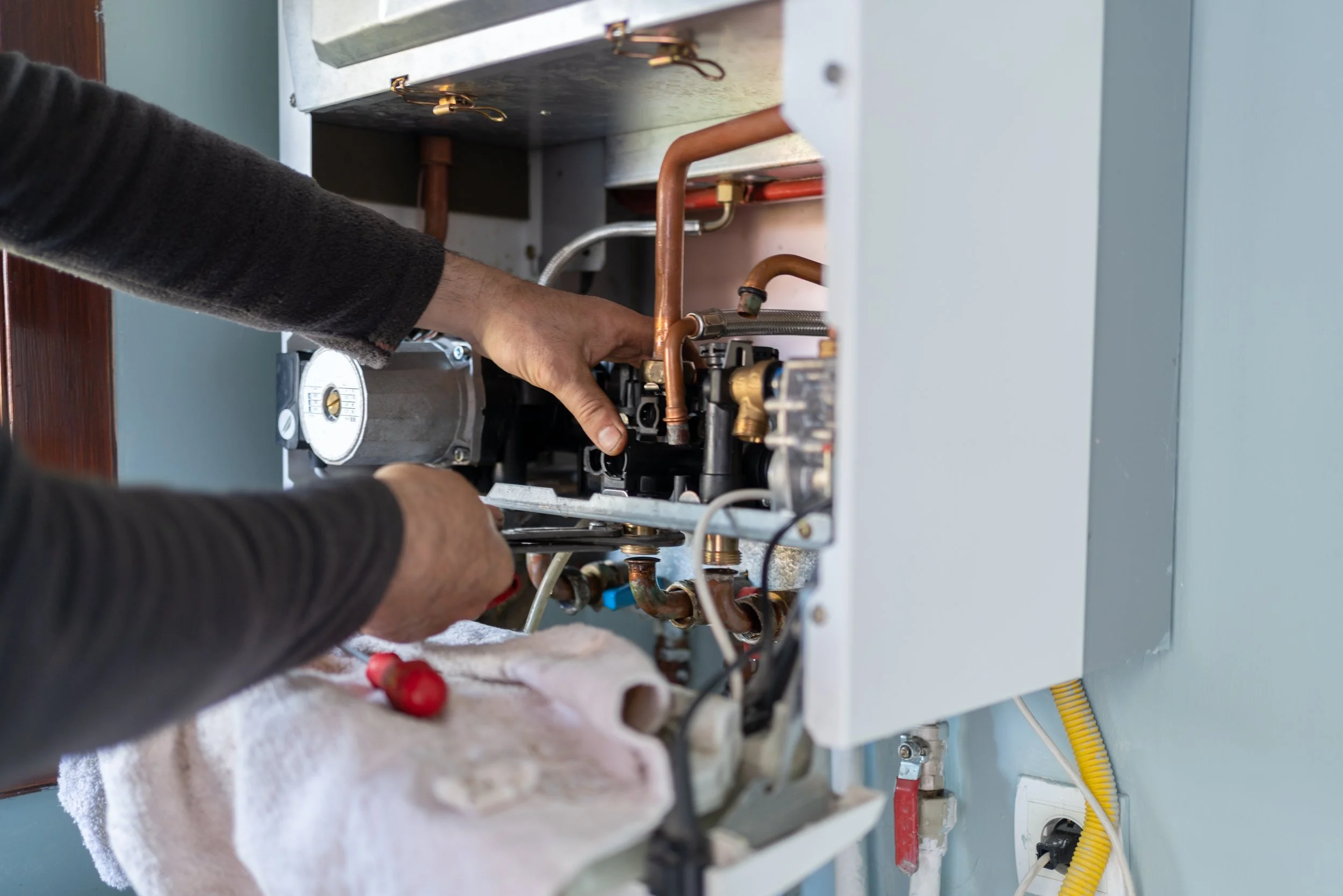
Pricing varies based on the specific repair, tank accessibility, and whether it's a standard service call or an emergency. Here's what common repairs cost in the Metro Detroit area in 2026.
- Thermostat replacement (electric): $150-$300
- Heating element replacement: $200-$450
- Pressure relief valve: $150-$350
- Anode rod replacement: $200-$400
- Thermocouple replacement (gas): $150-$300
- Gas control valve: $300-$600
- Tank flushing (sediment removal): $100-$200
- Pilot assembly cleaning/repair: $150-$300
Service call fees (the cost to diagnose the problem) typically run $75-$150 in Southeast Michigan. Most contractors waive the service fee if you proceed with the repair.
Emergency or after-hours service (nights, weekends, holidays) usually carries a premium — expect to pay 1.5x to 2x the standard rate. If your water heater fails on a Sunday night and you need hot water immediately, emergency pricing applies. If you can wait until Monday morning, you'll save money.
What Affects Repair Cost
Several factors influence the final price:
- Tank location: A water heater in an open basement is easier (and cheaper) to service than one in a tight crawl space or closet.
- Parts availability: Common parts for Rheem, Bradford White, AO Smith, and other major brands are usually in stock. Obscure or discontinued models may require ordering parts, adding time and cost.
- Code compliance: If your water heater was installed before current Michigan mechanical code requirements (expansion tanks, proper venting, seismic straps in some areas), bringing it up to code during repair adds cost.
- Water quality: Homes with very hard water or well water may need additional parts (like sediment filters) to prevent repeat failures.
Preventive Maintenance Saves Money: The Next Care Plan includes water heater inspection and flushing as part of our seasonal service visits. For $5/month, you get two annual tune-ups that catch small problems before they become expensive failures. We've seen anode rod replacements and sediment flushes extend water heater life by 3-5 years.
How to Find Reliable Water Heater Repair Near You
When you search "water heater repair near me," you'll get dozens of results. Here's how to separate qualified contractors from the ones who will upsell you or do substandard work.
Verify Michigan Licensing
Water heater installation and repair require a Michigan mechanical contractor license. Don't hire anyone who can't provide a license number. You can verify licenses through the Michigan Department of Licensing and Regulatory Affairs (LARA).
NEXT Heating & Cooling operates under Premier Builder Inc.'s Michigan mechanical contractor license. We've held this license for 35+ years and maintain full insurance and bonding.
Look for NATE Certification
NATE (North American Technician Excellence) certification is the industry standard for HVAC and water heater technicians. NATE-certified techs pass rigorous exams covering installation, service, and building science. Not every good technician has NATE certification, but it's a strong indicator of technical competence.
All NEXT technicians are NATE-certified and receive ongoing manufacturer training from Carrier, Lennox, Rheem, and other partners.
Ask About Response Time
Water heater failures are urgent. A leaking tank can dump 40-50 gallons of water into your basement in minutes. A failed heater in January means no hot water during Michigan's coldest weeks.
When you call for service, ask how quickly they can get a technician to your home. We offer same-day service for most calls in Macomb, Oakland, and St. Clair counties, and 24/7 emergency HVAC service for urgent situations.
Demand Transparent Pricing
Reputable contractors provide upfront pricing before starting work. You should know what the repair costs before the technician touches your water heater.
We don't work on commission. Our technicians aren't incentivized to upsell you on a new water heater if a $250 repair will fix the problem. That's part of our commitment to changing contractor culture — honest diagnostics, fair pricing, no pressure.
Check Manufacturer Partnerships
Contractors who partner with major manufacturers (Rheem, Bradford White, AO Smith, State) have access to genuine parts, technical support, and warranty service. They're also more likely to stay current on new technologies and code requirements.
NEXT Heating & Cooling is an authorized dealer and service provider for Rheem, Bradford White, and other leading water heater brands. This means we stock common parts, get priority technical support, and can handle warranty claims directly.

When to Call for Emergency Water Heater Service
Some water heater problems can wait until normal business hours. Others require immediate attention. Here's when to call for emergency service.
Active Leaking
If water is actively pouring from your tank or pooling rapidly around the base, shut off the water supply (there's a valve on the cold water inlet pipe) and call immediately. A leaking tank can release 40-80 gallons of water, causing significant damage to flooring, drywall, and stored items.
Turn off power to an electric water heater at the circuit breaker. Turn off gas to a gas water heater at the gas shutoff valve.
Gas Smell
If you smell gas near your water heater, leave the house immediately and call your gas utility and 911. Do not attempt to diagnose or repair anything yourself. Gas leaks are life-threatening.
Once the gas company has cleared the area, call for water heater service to identify and repair the source of the leak.
No Hot Water in Winter
Losing hot water in July is inconvenient. Losing it in January when it's 10°F outside is a genuine hardship, especially for families with young children or elderly residents. If your water heater fails during a Michigan cold snap, emergency service is justified.
Pressure Relief Valve Discharge
If the pressure relief valve is actively discharging water (a steady stream, not just a few drips), the tank is over-pressurized or overheating. This is a safety issue. Shut off power or gas to the unit and call for service.
For comprehensive heating and cooling services in Metro Detroit, including water heater repair and replacement, NEXT Heating & Cooling provides 24/7 emergency service to Macomb, Oakland, and St. Clair counties.
Need Water Heater Repair in Southeast Michigan?
NEXT Heating & Cooling has been keeping Michigan homes comfortable for over 35 years. Our NATE-certified technicians provide honest diagnostics, fair pricing, and same-day service for most calls. No upselling. No pressure. Just reliable water heater repair when you need it.
Schedule Your ServiceFrequently Asked Questions
Tank water heaters typically last 8-12 years in Southeast Michigan. Hard water accelerates corrosion and sediment buildup, which can shorten lifespan if the unit isn't maintained. Regular flushing and anode rod replacement can extend life to 12-15 years. Tankless water heaters last 15-20 years with proper maintenance.
If the repair costs less than $300 and the tank shows no signs of rust or leaking, repair can make sense. If the repair exceeds $400 or you're seeing rusty water or tank corrosion, replacement is usually the better investment. A 10-year-old tank is near the end of its expected lifespan, and new models offer better efficiency.
For electric water heaters, a failed heating element or tripped circuit breaker is the most common cause. For gas water heaters, it's usually a pilot light issue (thermocouple failure) or a faulty gas control valve. Sediment buildup can also reduce heating capacity, making water lukewarm instead of hot.
Common repairs range from $150-$600 depending on the part and labor involved. Thermostat replacement costs $150-$300. Heating elements run $200-$450. Anode rods cost $200-$400. Gas control valves are the most expensive at $300-$600. Service call fees are typically $75-$150 and are often waived if you proceed with the repair.
No. If the tank itself is leaking (not a valve or fitting), the inner lining has failed and the tank must be replaced. Tank leaks cannot be repaired. However, if the leak is coming from the pressure relief valve, a supply line, or a drain valve, those components can be replaced without replacing the entire tank.
Simple repairs (replacing a thermostat, heating element, or valve) typically don't require a permit. Water heater replacement does require a permit in most Michigan municipalities. Your contractor should handle permit applications and inspections. Always use a licensed Michigan mechanical contractor for any water heater work.
In Southeast Michigan, where water hardness is high, flush your water heater annually. This removes sediment buildup that reduces efficiency and causes noise. If you've never flushed your tank and it's more than 3 years old, schedule service soon. The Next Care Plan includes annual water heater flushing as part of seasonal maintenance visits.