

AC Drain Line Clog in Royal Oak: Clear It Fast (Mold Signs)

You walk down to the basement on a humid July afternoon in Royal Oak and notice water pooling around your furnace. Your AC is running, but there's a musty smell you can't quite place. You check the drain pan under your indoor unit and find it full of standing water — sometimes with a layer of dark, slimy buildup.
This is one of the most common AC problems we see at NEXT Heating & Cooling during Michigan's cooling season. A clogged condensate drain line. It's not glamorous, but it's critical. When that little PVC pipe gets blocked, your AC can shut down, water can damage your home, and mold can start growing in places you'd rather not think about.
The good news: many drain line clogs can be cleared by homeowners with basic tools and about 30 minutes of time. The challenge: knowing when you're dealing with simple algae buildup versus a mold problem that needs professional attention.
In this guide, we'll walk you through exactly how to clear an AC drain line clog yourself, what tools you need, and — most importantly — how to spot the warning signs that it's time to call in a professional HVAC service before the problem gets worse.
Why AC Drain Lines Clog in Southeast Michigan Homes
Let's start with the basics: why does your air conditioner produce water in the first place?
When your AC runs, the evaporator coil inside your indoor unit gets cold — really cold. As warm, humid air from your house passes over that coil, moisture in the air condenses into water droplets, just like a cold glass of iced tea "sweats" on a humid day. That condensation drips into a shallow pan beneath the coil, then flows out through a drain line (usually ¾-inch PVC pipe) that runs to a floor drain, sump pump, or outside your house.
In a perfect world, that water flows freely and you never think about it. But Royal Oak's housing stock — much of it built between the 1940s and 1960s — combined with Michigan's humid summers creates ideal conditions for drain line problems.
The Three Main Culprits Behind Drain Line Clogs
1. Algae and Biofilm Growth
The drain pan and line stay dark, damp, and at temperatures between 50-70°F during cooling season. That's a perfect environment for algae, bacteria, and biofilm (that slimy coating you feel on river rocks). Over weeks and months, this organic material builds up inside the drain line until it restricts or completely blocks water flow.
2. Dust, Dirt, and Debris
If your air filter hasn't been changed regularly — or if you have older, leaky ductwork common in Royal Oak's mid-century homes — dust and debris can accumulate on the evaporator coil. When condensation forms, it washes this material into the drain pan, where it can clump together and clog the line.
3. Mold Growth
When humidity levels stay high (above 60%) and the drain pan doesn't fully dry between cooling cycles, mold can colonize the pan, coil, and drain line. Unlike algae, mold can spread to other parts of your HVAC system and become a health concern. We see this most often in homes without proper ventilation or in basements that stay damp year-round.
Royal Oak's tree-lined streets and older homes often mean basement furnace rooms with limited airflow. That makes preventive maintenance — like the kind included in our $5/month Next Care Plan — especially important for catching these issues before they turn into emergency service calls.
How to Identify an AC Drain Line Clog
Most homeowners discover a drain line clog when they notice one of these warning signs:
Standing Water in the Drain Pan
The most obvious sign. If you look at the drain pan under your indoor unit and see water sitting there (especially if it's more than a shallow puddle), the drain line isn't flowing properly. The pan should be mostly dry between cooling cycles.
Water Pooling Around the Indoor Unit
When the drain pan overflows, water spills onto the floor around your furnace or air handler. In Royal Oak homes with finished basements, this can damage drywall, carpet, or stored belongings before you even notice the problem.
Musty or Moldy Odors
That distinctive damp, earthy smell near your furnace room or coming from your vents often means standing water and organic growth in the drain pan or line. If you notice this smell when the AC first kicks on, it's a red flag.
AC Shuts Off Unexpectedly
Most modern AC systems have a float switch in the drain pan — a safety device that shuts off the system if water rises too high. If your AC stops cooling and won't restart, check the drain pan first. This is a feature, not a failure — it's protecting your home from water damage.
Visible Algae, Slime, or Mold
If you can see dark green, black, or brown buildup in the drain pan or around the opening of the drain line, you're looking at biological growth that needs to be cleaned out. The darker and thicker it is, the more likely it's restricting flow.
One quick diagnostic trick our techs use: pour a cup of water into the drain pan. If it drains away within a few seconds, the line is probably clear. If it sits there or drains very slowly, you've got a partial or complete blockage.
DIY Steps to Clear a Clogged AC Drain Line
If you're comfortable with basic home maintenance and have caught the clog early, you can often clear it yourself. Here's the exact process we recommend to Royal Oak homeowners:
Safety First: Always turn off your AC at the thermostat AND flip the breaker to the air conditioning system before working on the drain line. You're working near electrical components and water — not a combination you want to take lightly.
What You'll Need
- Wet/dry vacuum (shop vac)
- Distilled white vinegar (1 cup)
- Bucket or towels
- Flashlight
- Optional: Drain snake or stiff wire brush
Step 1: Turn Off the AC System
Set your thermostat to "Off" (not just a higher temperature — completely off). Then go to your electrical panel and turn off the breaker labeled for your air conditioner or furnace. This prevents the system from trying to run while you're working on it.
Step 2: Locate the Drain Line and Access Point
Find your indoor AC unit — in Royal Oak homes, this is usually in the basement, often near or attached to your furnace. Look for a ¾-inch or 1-inch PVC pipe coming from the unit. Follow it to find a clean-out port or T-fitting with a removable cap. This is your access point for clearing the clog.
Also locate where the drain line exits — this might be a floor drain in your basement, connection to a sump pump, or a pipe exiting through the foundation wall outside.
Step 3: Remove Standing Water from the Drain Pan
Use a wet/dry vacuum, towels, or a shallow container to remove any standing water from the drain pan beneath the evaporator coil. While you're there, look for visible debris, algae, or mold. Take note of what you see — it helps diagnose the cause.
Step 4: Use a Wet/Dry Vacuum on the Drain Line
This is the most effective DIY method. Remove the cap from the clean-out port (if there is one). If not, go to where the drain line exits your house. Place the hose of your wet/dry vacuum over the end of the drain line and create as tight a seal as possible. You can use duct tape or hold a damp rag around the connection to improve suction.
Run the vacuum for 2-3 minutes. You should hear and feel the suction pulling through the line. When you turn off the vacuum, check the collection tank — you'll likely see dirty water, algae chunks, and debris. That's what was blocking your line.
Step 5: Flush with Vinegar Solution
Once you've cleared the major blockage, pour 1 cup of distilled white vinegar into the drain line through the clean-out port (or directly into the drain pan if there's no access port). Vinegar kills algae and helps dissolve biofilm without the harsh chemicals that can damage PVC pipes.
Let the vinegar sit for 30 minutes, then flush the line with about 1 gallon of clean water. This should flow freely if the clog is cleared.
Step 6: Test the System
Replace all caps and clean-out port covers. Turn the breaker back on, then set your thermostat to cooling mode. Let the AC run for 15-20 minutes while you monitor the drain pan and line. Water should flow freely without backing up.
If water starts pooling again or drains very slowly, the clog might be deeper in the line or there could be a structural problem (like a sagging pipe or improper slope). That's when it's time to call in a professional.
When NOT to Use Compressed Air: Some online guides suggest blowing out drain lines with compressed air. We don't recommend this for homeowners. Too much pressure can crack PVC joints, damage the drain pan, or force water back into areas where it shouldn't go. Leave the air compressor method to trained techs who know the proper pressure limits.
For homeowners who want to avoid these issues altogether, our Next Care Plan includes drain line inspection and cleaning during both spring and fall tune-ups. At $5/month, it's cheaper than a single emergency service call — and it catches problems before they become water damage.
When It's Mold: Warning Signs and Health Risks
Here's where we need to draw a clear line between algae buildup (common, manageable, usually safe to DIY) and mold growth (potentially hazardous, often requires professional remediation).
How to Tell the Difference
Algae and Biofilm:
- Greenish or brownish slime
- Slimy texture, easily wipes away
- Mild musty smell
- Confined to drain pan and line
- Clears up with vinegar treatment
Mold Growth:
- Black, dark green, or white fuzzy patches
- Appears on evaporator coil, blower components, or ductwork
- Strong, persistent musty or earthy odor even after cleaning
- Visible spores that spread when disturbed
- Associated with respiratory symptoms in household members
If you see black or dark green growth on the evaporator coil itself — not just in the drain pan — stop what you're doing. Don't disturb it with brushes or cleaning products. Mold spores become airborne when agitated, and your HVAC system can spread them throughout your house.
Why Mold Grows in AC Systems
Mold needs three things to thrive: moisture, organic material (dust, pollen, skin cells), and temperatures between 77-86°F. Your AC's evaporator coil provides all three during Michigan's humid summers.
Royal Oak's older homes often have:
- Undersized or poorly maintained AC systems that run constantly
- Ductwork that leaks unconditioned air into the system
- Basement furnace rooms with high humidity and poor ventilation
- Original drain pans from the 1960s-70s that have deteriorated
When these conditions combine with infrequent filter changes and no annual maintenance, mold finds a perfect home.
Health Risks and When to Take Mold Seriously
For most healthy adults, limited exposure to mold spores causes minor irritation — itchy eyes, sneezing, or a runny nose. But for people with asthma, allergies, or compromised immune systems, mold in HVAC systems can trigger serious respiratory problems.
If anyone in your Royal Oak household experiences these symptoms when the AC runs:
- Persistent coughing or wheezing
- Difficulty breathing
- Sinus congestion that won't clear up
- Skin rashes or irritation
- Headaches or fatigue that improve when away from home
...it's time to have your HVAC system professionally inspected for mold contamination.
Our NATE-certified technicians can assess the extent of mold growth, determine whether it's confined to the drain system or has spread to the coil and ductwork, and recommend the appropriate remediation. Sometimes that's a thorough coil cleaning. Other times it requires replacing contaminated components and treating ductwork with antimicrobial solutions.
You can learn more about our certifications and approach to indoor air quality on our About page. We don't upsell unnecessary services — if your drain line just needs a good cleaning, we'll tell you that. But if mold has colonized your evaporator coil, we'll explain exactly what needs to happen to make your air safe again.

Preventive Maintenance to Avoid Future Clogs
Once you've cleared a drain line clog, the last thing you want is for it to happen again next month. Here's how to keep that drain flowing all summer long:
Monthly Maintenance During Cooling Season
Vinegar Flush (Once a Month):
Pour ¼ cup of distilled white vinegar into the drain line or pan once a month from May through September. This prevents algae buildup before it becomes a clog. Set a reminder on your phone for the first of each month.
Visual Inspection:
Once a month, shine a flashlight into your drain pan. Look for standing water, slime buildup, or debris. Catching problems early means a 5-minute cleanup instead of a flooded basement.
Change Your Air Filter:
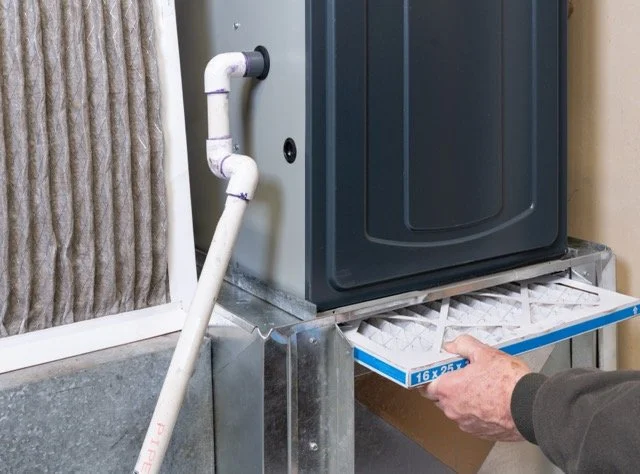
This is the single most important thing you can do for your AC system. A dirty filter restricts airflow, causes the evaporator coil to get colder than it should (creating more condensation), and allows dust to accumulate on the coil and in the drain pan. Change your filter every 30-60 days during cooling season. For Royal Oak homes with pets or older ductwork, lean toward every 30 days.
Drain Pan Tablets and Algae Prevention
You can buy algae-prevention tablets at most hardware stores for $10-15. These slow-release tablets sit in your drain pan and kill algae and bacteria for 3-6 months. They're effective, but read the instructions carefully — some can damage certain types of drain pans or pipes if used incorrectly.
We use commercial-grade tablets during our tune-ups that are safe for all drain systems and last the entire cooling season.
Annual Professional AC Tune-Ups
Even with monthly DIY maintenance, you should have a professional AC tune-up every spring before cooling season starts. Here's what our techs check that homeowners typically miss:
- Drain line slope and routing (should drop ¼ inch per foot minimum)
- Condition of drain pan (rust, cracks, or deterioration)
- Evaporator coil cleanliness (dirty coils wash debris into drain)
- Proper condensate trap installation (prevents air from pulling water back up)
- Float switch operation (safety device that shuts off AC if pan overfills)
- Refrigerant levels (low refrigerant causes coil to freeze, creating excess condensation)
The Next Care Plan includes all of this in both spring and fall visits for $60/year. You also get priority scheduling (no waiting days for service during July heat waves), 10% off any repairs, and no service call fees. For Royal Oak homeowners who want to set it and forget it, it's the most cost-effective way to prevent drain line problems.
UV Light Installation for Mold Prevention
For homes that have had recurring mold issues — or for homeowners with respiratory sensitivities — we sometimes recommend installing a UV-C germicidal light near the evaporator coil. These lights kill mold spores, bacteria, and viruses before they can colonize your drain pan or ductwork.
UV lights run 24/7 and the bulbs last 1-2 years. Installation typically costs $400-600 depending on your system configuration. It's not necessary for every home, but for Royal Oak properties with persistent basement humidity or family members with asthma, it's a worthwhile investment in indoor air quality.
Cost Reality: DIY vs. Professional Drain Line Service
Let's talk money. Royal Oak homeowners are practical — you want to know what things actually cost and whether DIY makes financial sense.
DIY Drain Line Cleaning Costs
- Wet/dry vacuum: $50-120 (if you don't already own one)
- Distilled white vinegar: $3-5
- Drain pan tablets: $10-15 (optional, lasts 3-6 months)
- Total first-time cost: $60-140
- Ongoing maintenance: $15-20/year
Professional Drain Line Service Costs
- Drain line cleaning (standalone service): $100-200
- Evaporator coil cleaning (if mold present): $150-400
- Drain pan replacement: $200-500
- UV light installation: $400-600
- Full AC tune-up (includes drain service): $120-180
Cost of Ignoring the Problem
Here's where the math gets real. If you ignore a clogged drain line:
- Water damage to basement: $1,000-5,000+ (drywall, flooring, stored belongings)
- Mold remediation: $500-3,000 depending on extent
- Frozen evaporator coil damage: $500-1,500 (from system running with restricted airflow)
- Emergency service call on a Sunday in July: $200-400 just to show up
We've seen Royal Oak homeowners spend thousands repairing water damage from an overflow that started with a $15 clog. The drain pan sits directly above finished basement spaces in many homes — when it overflows, gravity does the rest.
When DIY Makes Sense vs. When to Call a Pro
Good candidates for DIY:
- First occurrence of standing water in drain pan
- No visible mold on evaporator coil
- Comfortable working around HVAC equipment
- Have basic tools (wet/dry vacuum)
- Caught the problem early (pan not overflowing)
Call a professional when:
- Visible mold growth on evaporator coil or blower components
- Recurring clogs despite monthly maintenance
- Water has damaged walls, ceiling, or flooring
- AC won't restart after clearing drain line
- Drain pan is rusted, cracked, or deteriorated
- Strange noises from indoor unit
- Household members experiencing respiratory symptoms
Our approach at NEXT Heating & Cooling: we'll never tell you to pay for professional service if you can safely handle it yourself. But we also won't let you ignore a problem that's going to cost you more money (and comfort) down the road. That's what "changing contractor culture" means — honest diagnostics and fair pricing, not commission-based upselling.
When to Call NEXT Heating & Cooling
You've tried the DIY approach, but something isn't right. Or you looked in the drain pan and saw something that made you close the furnace room door and Google "mold remediation." Here are the specific situations where calling a professional is the right move:
Recurring Clogs Despite Regular Maintenance
If you're clearing the drain line every few weeks and it keeps clogging, there's an underlying problem. Common causes we find in Royal Oak homes:
- Drain line installed with improper slope (water can't flow by gravity)
- Sagging or kinked drain line (common in older installations)
- Missing or improperly installed condensate trap (allows air to pull water back up)
- Oversized AC system that short-cycles (doesn't run long enough to drain properly)
- Dirty evaporator coil washing debris into drain pan constantly
A trained technician can diagnose these issues in 15-20 minutes. Fixing them might involve rerouting the drain line, installing a proper trap, or cleaning the evaporator coil — work that requires HVAC knowledge and tools most homeowners don't have.
Visible Mold on Evaporator Coil
If you shine a flashlight on your evaporator coil and see black, green, or white fuzzy growth, don't try to clean it yourself. Mold spores become airborne when disturbed, and your AC will spread them through every room in your house.
Professional mold remediation on an evaporator coil involves:
- Containing the work area to prevent spore spread
- Using EPA-registered antimicrobial cleaners
- HEPA-filtered vacuuming to capture spores
- Treating ductwork if contamination has spread
- Installing UV lights or other prevention measures
This isn't a job for vinegar and a shop vac. It requires specialized equipment and training to do safely.
Water Damage to Your Home
If the drain pan has overflowed and damaged drywall, ceiling tiles, carpet, or stored belongings, you need documentation for insurance purposes. We can provide a detailed service report that explains what failed, why it failed, and what repairs were necessary — documentation that helps with homeowner's insurance claims.
We also work with several restoration companies in Royal Oak and can coordinate with them if water damage is extensive.
AC Won't Restart After Clearing Drain Line
You cleared the clog, replaced all the caps, turned the breaker back on, and... nothing. The AC won't start. Possible causes:
- Float switch stuck in "off" position
- Water damage to electrical components
- Frozen evaporator coil (from running with clogged drain)
- Tripped safety limit switch
- Unrelated electrical problem that coincided with the clog
Troubleshooting AC electrical issues requires knowledge of low-voltage controls, safety switches, and proper testing procedures. This is where DIY stops and professional diagnosis begins.
Strange Noises or Smells from Indoor Unit
If you hear gurgling, bubbling, or hissing sounds from the drain line — or if there's a strong chemical smell (not just musty) coming from the unit — something more complex is happening. Gurgling usually means a trap problem or vent issue. Chemical smells can indicate refrigerant leaks or electrical problems.
These aren't drain line issues you can fix with vinegar. They require diagnostic equipment and HVAC expertise.
Emergency Service in Royal Oak
Your AC dies on a 90-degree Saturday afternoon. The drain pan is overflowing. Your basement is flooding. You need help now, not Monday morning.
NEXT Heating & Cooling offers 24/7 emergency service throughout Royal Oak, Troy, Birmingham, and all of Oakland County. We don't charge triple rates for after-hours calls — we charge fair pricing based on the actual work required. And we show up when we say we will.
You can reach us at nextheatcool.com or call our emergency line. If you're a Next Care Plan member, you get priority scheduling — meaning we'll get to you before non-members during peak season.
What to Do While Waiting for Service: Turn off your AC at the thermostat and breaker to prevent further water damage. Place towels or a bucket under any leaks. If you have a wet/dry vacuum, remove standing water from the drain pan. Don't try to force the AC to run — you'll make the problem worse.
Final Thoughts: Prevention Beats Panic
Drain line clogs are one of those HVAC problems that seem minor until they're not. A little standing water in the drain pan is annoying. Water damage to your finished basement is expensive. Mold spreading through your ductwork is a health hazard.
The good news: with monthly vinegar flushes, regular filter changes, and annual professional tune-ups, you can prevent 95% of drain line problems before they start. The DIY methods we've outlined in this guide work for most homeowners who catch clogs early.
But if you see mold, experience recurring clogs, or just want the peace of mind that comes from having a professional handle it, we're here. NEXT Heating & Cooling has been keeping Royal Oak homes comfortable for over 35 years. We're not the biggest HVAC company in Metro Detroit — and that's the point. We're the company your neighbor recommends because we showed up on time, explained the problem clearly, and charged a fair price.
Whether you need emergency drain line service, want to sign up for the Next Care Plan, or just have questions about that musty smell coming from your furnace room, we're ready to help.
Need Help with a Clogged AC Drain Line?
NEXT Heating & Cooling serves Royal Oak and all of Southeast Michigan with honest diagnostics and fair pricing. Our NATE-certified technicians can clear stubborn clogs, remediate mold, and prevent future problems. Same-day service available.
Schedule Your ServiceFrequently Asked Questions
Pour ¼ cup of distilled white vinegar into the drain line once a month during cooling season (May-September) to prevent algae buildup. Have the drain line professionally inspected and cleaned during your annual spring AC tune-up. If you notice standing water in the drain pan between maintenance visits, clean it immediately before it becomes a full clog.
We don't recommend bleach for drain line cleaning. While it kills algae and bacteria, bleach can corrode PVC pipes over time, damage metal drain pans, and create toxic fumes if it mixes with other chemicals in your drain system. Distilled white vinegar is just as effective for preventing algae growth and is safe for all drain line materials. If you have a severe mold problem, professional antimicrobial cleaners are more effective and safer than household bleach.
Recurring clogs usually indicate an underlying problem: improper drain line slope (should drop ¼ inch per foot minimum), missing or incorrectly installed condensate trap, dirty evaporator coil washing debris into the drain pan, oversized AC system that short-cycles and doesn't run long enough to drain properly, or deteriorated drain pan. A professional HVAC technician can diagnose the root cause and fix it permanently rather than treating symptoms.
Mold confined to the drain line itself is usually not a health hazard — the drain line is a closed system that doesn't circulate air into your home. However, if mold has spread to the evaporator coil, drain pan, or ductwork, it can become airborne and circulate through your house when the AC runs. This is especially concerning for people with asthma, allergies, or compromised immune systems. If you see black or green fuzzy growth on the evaporator coil (not just in the drain pan), have it professionally assessed and remediated.
Standalone drain line cleaning typically costs $100-200 in the Royal Oak area. If the evaporator coil needs cleaning due to mold growth, expect $150-400. Drain pan replacement runs $200-500 depending on your system. The most cost-effective approach is including drain line service in an annual AC tune-up ($120-180), which also covers all other maintenance your system needs. Next Care Plan members get drain line inspection and cleaning included in both spring and fall visits for $60/year.
Immediately turn off your AC at the thermostat and flip the breaker to prevent further water damage. Use towels, a bucket, or a wet/dry vacuum to remove standing water from the drain pan and surrounding area. Do not try to force the AC to run — it likely has a float switch that shut the system down to protect your home. Once you've contained the water, either attempt to clear the drain line using the methods in this guide or call a professional HVAC technician. If water has damaged drywall, ceiling tiles, or flooring, document it with photos for potential insurance claims.
You can significantly reduce the risk of clogs with monthly DIY maintenance: pour ¼ cup of vinegar into the drain line, change your air filter every 30-60 days, and visually inspect the drain pan for standing water or debris. However, professional annual maintenance catches issues homeowners typically miss — improper drain line slope, deteriorating drain pans, dirty evaporator coils, and refrigerant problems that cause excess condensation. The combination of monthly DIY care and annual professional service provides the best prevention.