

Emergency AC Repair Metro Detroit: When to Call 24/7
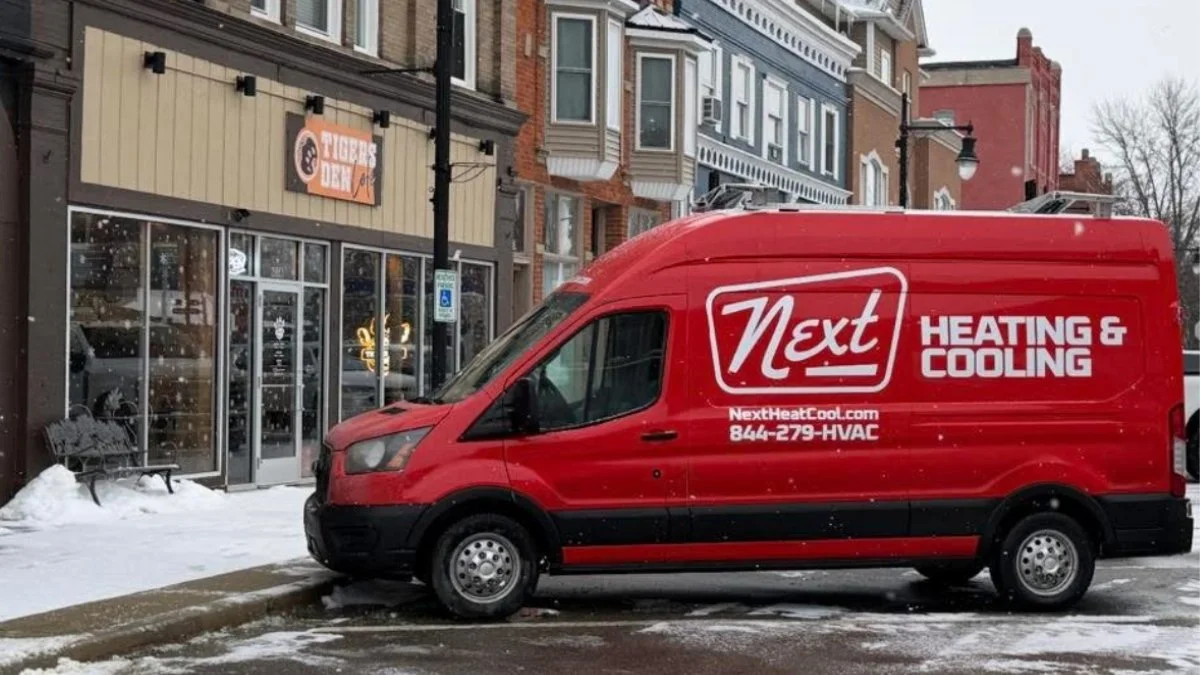
It's 11 PM on a Wednesday in July. The temperature outside hit 92 degrees today, and your house hasn't cooled below 84 since dinner. You walk to the thermostat and see your AC running—but nothing's happening. Do you wait until morning, or is this an actual emergency?
After 35 years of heating and cooling services in Metro Detroit, we've taken thousands of emergency calls. Some were genuine crises that needed immediate attention. Others could have safely waited until regular business hours—and saved the homeowner money.
This guide explains when to call for emergency AC repair in Metro Detroit, what actually qualifies as urgent, and how to protect your home and family until help arrives. You'll also learn what happens during a 24/7 service call and how to prevent most AC emergencies before they happen.
What Actually Qualifies as an AC Emergency
Not every AC problem requires an immediate call to a reliable HVAC contractor in Metro Detroit. The difference between an emergency and an inconvenience comes down to three factors: safety, health risk, and property damage potential.
True HVAC emergencies involve immediate danger:
- Electrical hazards: Burning smells, sparks, smoke from the indoor or outdoor unit, or circuit breakers that trip repeatedly when the AC runs
- Refrigerant leaks: Hissing sounds near refrigerant lines, ice buildup on copper lines during operation, or chemical odors near the outdoor condenser
- Complete system failure during extreme heat: When outdoor temperatures exceed 90°F and vulnerable family members (elderly, infants, people with respiratory conditions) are at risk of heat-related illness
- Water damage in progress: Condensate drain lines backing up and flooding your basement, utility room, or living space
Here in Southeast Michigan, we see the highest volume of emergency AC calls during July and August heat waves. When the National Weather Service issues a heat advisory for Macomb County, Oakland County, or St. Clair County, a non-functioning air conditioner moves from "inconvenient" to "potentially dangerous" for vulnerable populations.

Not an emergency: Your AC stopped working on a 72-degree day in May. Your system is cooling, but not as efficiently as it used to. You hear an unfamiliar noise, but the unit is still running. These issues need attention—just not at midnight.
5 Signs You Need Emergency AC Repair Right Now
These five scenarios warrant an immediate call to a 24/7 HVAC service, regardless of the time:
1. Burning Smell from Vents or Outdoor Unit
If you smell burning plastic, rubber, or electrical components coming from your supply vents or outdoor condenser, shut off the system immediately at the thermostat and the circuit breaker. This indicates overheating electrical components, a failing compressor motor, or melting wire insulation—all fire hazards.
We've responded to emergency calls in Royal Oak and Troy where homeowners ignored burning smells for hours. By the time we arrived, the compressor had seized and caused secondary damage to the capacitor and contactor. What could have been a $400 repair became a $2,800 compressor replacement.
2. Refrigerant Hissing or Ice Buildup on Lines
Modern AC systems use R-410A refrigerant, which operates at pressures exceeding 400 PSI. A refrigerant leak creates a distinct hissing sound near the copper lines connecting your indoor and outdoor units. You might also see ice forming on the larger suction line (the one covered in black foam insulation) while the system runs.
Refrigerant leaks require immediate professional attention for two reasons: environmental regulations (EPA 608 certification required for refrigerant handling) and system damage. Running an AC with low refrigerant destroys the compressor. A $300 leak repair becomes a $3,000+ system replacement if you keep running it.
3. Circuit Breaker Repeatedly Tripping
If your AC trips the circuit breaker once, reset it and monitor. If it trips again within the same cooling cycle, do not keep resetting it. This indicates a serious electrical fault—a short circuit in the compressor winding, a failing capacitor drawing excessive current, or damaged wiring.
Repeatedly resetting a tripping breaker can start an electrical fire. We've seen this scenario multiple times in older homes throughout Macomb County, where original electrical panels from the 1970s struggle with modern high-efficiency AC loads.
4. Complete System Failure During Heat Advisory
When the National Weather Service issues a heat advisory (heat index 100°F or higher) and your AC stops working entirely, this qualifies as an emergency if anyone in your household is vulnerable to heat illness. This includes adults over 65, children under 5, pregnant women, and anyone with cardiovascular or respiratory conditions.
During the July 2023 heat wave that hit Metro Detroit, we ran 24-hour emergency service for three consecutive days. Indoor temperatures in homes without AC reached 95-100°F. At those temperatures, heat exhaustion can occur within hours.
5. Water Pooling Around Indoor Unit
Your AC's indoor evaporator coil produces condensation—typically 5 to 20 gallons per day during Michigan summers. This water drains through a PVC pipe to a floor drain, sump pump, or outside drain. If that condensate line clogs (algae growth is the most common cause), water backs up into the drain pan and eventually overflows.
If you see water pooling around your furnace or air handler, you have about 30 minutes before it spreads to flooring, drywall, or stored items. Turn off the AC immediately and call for emergency service. Water damage repair costs far exceed the after-hours service call fee.
What Happens During a 24/7 Emergency AC Service Call
When you call NEXT Heating & Cooling for emergency AC repair in Metro Detroit, here's exactly what happens:
Response Time: Our NATE-certified technicians typically arrive within 90 minutes for emergency calls in Macomb, Oakland, and St. Clair counties. During extreme weather events (heat waves, power outages), response times may extend to 2-3 hours as we prioritize life-safety situations.
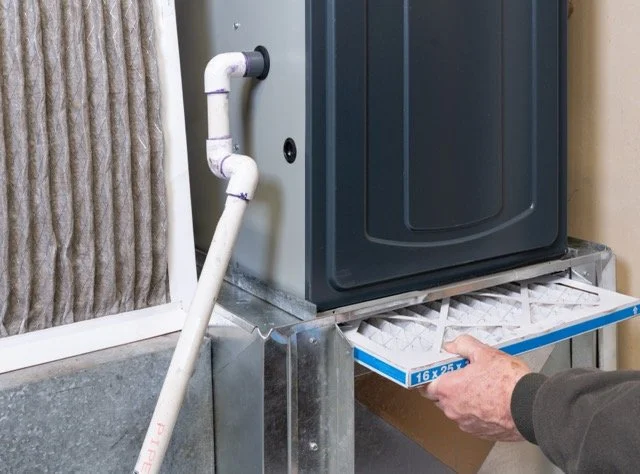
Initial Diagnostic Process: The technician will ask you to describe what happened, when the problem started, and what you've observed (smells, sounds, visual changes). They'll check the thermostat settings, inspect the outdoor condenser unit, and examine the indoor air handler or furnace.
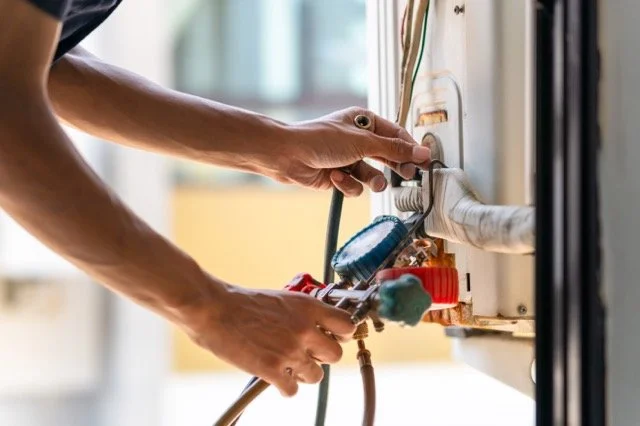
For electrical issues, they'll test voltage at the disconnect box and measure current draw on the compressor and fan motors. For refrigerant problems, they'll connect manifold gauges to check operating pressures. For drainage issues, they'll inspect the condensate line and drain pan.
Emergency Repair vs. Temporary Fix: Some problems can be fully repaired on the spot—a failed capacitor, a tripped safety switch, a clogged condensate drain. Others require parts that aren't stocked on the truck at 2 AM.
In those cases, the technician will implement a temporary solution to restore cooling (if safe to do so) and schedule a follow-up appointment during regular hours to complete the permanent repair. For example, a failed compressor can't be replaced in the middle of the night, but the technician can verify the diagnosis and provide alternative cooling strategies until the repair is scheduled.
Honest pricing: Before any repair work begins, our technicians explain what's wrong, what it will cost to fix, and whether you have options. No surprises. No commission-based upselling. That's the NEXT difference.
How to Protect Your Home Until the Technician Arrives
The time between your emergency call and the technician's arrival is critical. Here's how to protect your family and property:
Safe Shutdown Procedures
If you smell burning, see smoke, or suspect an electrical problem, shut down the AC system immediately:
- Turn the thermostat to "Off"—not just to a higher temperature, but fully off
- Go to your electrical panel and switch off the circuit breaker labeled for your air conditioner (usually a double-pole 30-40 amp breaker)
- If you have a disconnect box mounted on the wall near your outdoor condenser, pull the disconnect to cut power at the equipment
Do not attempt to inspect electrical components yourself. High-voltage capacitors can store lethal charges even after power is disconnected.
Managing Indoor Temperature Without AC
While waiting for emergency service, focus on keeping your home as cool as possible:
- Close blinds and curtains on windows receiving direct sunlight
- Open windows on opposite sides of your home to create cross-ventilation once outdoor temperatures drop below indoor temps (usually after sunset in Michigan summers)
- Run ceiling fans and portable fans to improve air circulation—moving air feels 3-4 degrees cooler than still air
- Avoid using heat-generating appliances (oven, stove, dishwasher, clothes dryer) until the AC is repaired
- If you have a finished basement, move vulnerable family members downstairs where temperatures are naturally 10-15 degrees cooler
Protecting Vulnerable Family Members
If anyone in your household is at risk for heat-related illness and indoor temperatures exceed 85°F, consider these options while waiting for repair:
- Move to an air-conditioned location: a neighbor's home, a public library, a shopping mall, or a designated cooling center (many Metro Detroit municipalities open cooling centers during heat advisories)
- Increase fluid intake—water, not caffeinated or alcoholic beverages
- Take cool showers or baths to lower core body temperature
- Apply cool, wet cloths to the neck, wrists, and forehead
What NOT to Do
We've seen homeowners make these mistakes while waiting for emergency service:
- Don't keep resetting a tripping circuit breaker. Each reset increases fire risk.
- Don't attempt DIY refrigerant repairs. Handling refrigerant without EPA 608 certification is illegal and dangerous.
- Don't run the AC if you smell burning or see smoke. Property damage isn't worth temporary cooling.
- Don't ignore water leaks. Shut off the system and contain the water with towels until the technician arrives.
Why Emergency AC Repair Costs More (And When It's Worth It)
Emergency HVAC service costs more than regular-hours service. Here's why, and when the premium is justified:
After-Hours Labor Rates Explained
Emergency service typically includes a premium service call fee (often $150-$250 above the standard diagnostic fee) plus higher hourly labor rates. This covers:
- Technician availability outside normal business hours (nights, weekends, holidays)
- Faster response time—our emergency trucks are fully stocked and ready to roll
- Interruption of personal time for on-call technicians
- Higher operational costs (fuel, vehicle wear, administrative overhead for 24/7 dispatch)
For perspective: a standard diagnostic visit during business hours might cost $89-$129. An emergency call at 2 AM on a Saturday might cost $200-$300 just for the diagnostic—before any repair work begins.
Parts Availability Challenges
Emergency service trucks carry common failure parts: capacitors, contactors, thermostats, condensate pumps, and basic electrical components. But they don't carry every possible part for every brand and model.
If your Carrier compressor fails at midnight, we can diagnose the problem and provide a quote, but the compressor replacement will happen during regular business hours when we can source the part from our distributor. Some repairs simply can't be completed at 3 AM, no matter how much you're willing to pay.
When to Wait vs. When to Call Immediately
Call for emergency service if:
- You detect electrical hazards (burning smell, smoke, sparks)
- Vulnerable family members are at risk during extreme heat
- Active water damage is occurring
- You suspect a refrigerant leak (hissing sound, ice on lines, chemical odor)
Wait until regular business hours if:
- Your AC stopped working but outdoor temperatures are mild (below 80°F)
- The system is running but not cooling as efficiently as usual
- You hear an unfamiliar noise but the unit is still operating
- It's late fall, winter, or early spring when AC isn't critical
Waiting until morning can save you $100-$200 in emergency fees without compromising safety or comfort.
How Next Care Plan Members Get Priority Scheduling
Homeowners enrolled in our $5/month HVAC maintenance plan receive priority scheduling for emergency calls. During heat waves when our schedule is packed, Next Care Plan members move to the front of the queue.
The plan also includes two annual tune-ups (spring AC startup and fall furnace inspection), 10% discounts on repairs, and waived service call fees—which means you avoid the standard diagnostic charge even during emergencies. For $60 per year, it's the best insurance policy against expensive AC failures.
Preventing AC Emergencies in Southeast Michigan
Most AC emergencies are preventable with proper maintenance and early intervention. Here's what 35 years of HVAC service in Metro Detroit has taught us:
Spring Startup Procedures
Before the first hot day in May or June, complete these tasks:
- Clean or replace the air filter. A clogged filter reduces airflow, causing the evaporator coil to freeze and the compressor to overheat. Check it monthly during cooling season.
- Inspect the outdoor condenser unit. Remove leaves, grass clippings, and debris from the fins. Trim vegetation to maintain 2 feet of clearance on all sides.
- Check the condensate drain line. Pour a cup of white vinegar or condensate pan treatment tablets down the drain line to prevent algae growth that causes clogs.
- Test the system before you need it. Turn on the AC when outdoor temps reach 65°F or higher and let it run for 15-20 minutes. Listen for unusual sounds and verify cold air from the vents.
Signs of Impending Failure
These symptoms indicate your AC needs professional attention before it fails completely:
- Weak airflow from supply vents (possible blower motor or ductwork issue)
- Warm air from vents when the AC is running (refrigerant leak or compressor failure)
- Unusual sounds: grinding, squealing, or banging from the outdoor unit
- Short cycling: the AC turns on and off every 5-10 minutes instead of running 15-20 minute cycles
- Rising energy bills without increased usage (indicates declining efficiency)
- Moisture or ice on refrigerant lines
Addressing these issues during regular business hours costs far less than waiting for a midnight emergency. We covered short-cycling causes in detail in our guide to furnace short-cycling—the diagnostic process is similar for AC systems.
Maintenance Schedule for Michigan Climate
Southeast Michigan's climate—humid summers, freezing winters, and dramatic temperature swings—demands a specific maintenance schedule:
- Spring (April-May): Professional AC tune-up before cooling season. Technician checks refrigerant levels, cleans coils, tests capacitor and contactor, measures voltage and amperage, and verifies proper airflow.
- Monthly during summer: Check and replace air filters. Inspect outdoor unit for debris.
- Fall (September-October): Professional furnace inspection before heating season. Clean or replace filters. Test thermostat operation.
- Every 3-5 years: Professional duct cleaning if you have pets, smokers, or notice dust buildup. We explained what actually works in our duct cleaning guide for Macomb County.
When to Replace vs. Repair Aging Systems
The "5,000 rule" helps determine whether to repair or replace: multiply the age of your AC (in years) by the estimated repair cost. If the result exceeds $5,000, replacement is usually the better investment.
Example: Your 14-year-old AC needs a $600 compressor replacement. 14 × 600 = 8,400. That exceeds $5,000, suggesting replacement makes more financial sense—especially since the compressor is the most expensive component and other parts (condenser fan motor, capacitor, coil) are also approaching end-of-life.
Modern high-efficiency systems (16+ SEER) use 30-40% less electricity than 10-year-old units. The energy savings often offset monthly financing payments for a new system. We broke down the real costs in our analysis of central air conditioner costs in Michigan.
Ready to Get Started?
NEXT Heating & Cooling has been keeping Michigan homes comfortable for over 35 years. Get honest diagnostics and fair pricing from NATE-certified technicians who show up on time.
Schedule Your ServiceFrequently Asked Questions
Our NATE-certified technicians typically arrive within 90 minutes for emergency calls in Macomb, Oakland, and St. Clair counties. During extreme weather events like heat waves, response times may extend to 2-3 hours as we prioritize life-safety situations first. Members of our Next Care Plan receive priority scheduling and move to the front of the queue during high-demand periods.
A standard diagnostic visit during business hours typically costs $89-$129. Emergency service calls (nights, weekends, holidays) include a premium fee of $150-$250 above the standard rate, covering after-hours technician availability, faster response time, and higher operational costs. However, if you're experiencing electrical hazards, refrigerant leaks, or extreme heat with vulnerable family members, the premium is worth the immediate safety and comfort restoration.
No. Our emergency service trucks carry common failure parts like capacitors, contactors, thermostats, and condensate pumps. These components can be replaced on the spot. However, major components like compressors, evaporator coils, or specific manufacturer parts may not be available at 2 AM. In those cases, we'll diagnose the problem, provide a detailed quote, and schedule the repair during regular business hours when we can source the necessary parts from our distributors.
No. Shut down the system immediately if you smell burning plastic, rubber, or electrical components. Turn off the thermostat and flip the circuit breaker for your AC. Burning smells indicate overheating electrical components, failing motors, or melting wire insulation—all potential fire hazards. Call for emergency service right away, but do not operate the system until a licensed technician inspects it and clears it for safe operation.
Most manufacturer warranties cover parts for 5-10 years on residential AC systems, but labor is typically not included after the first year. The warranty also requires proof of annual professional maintenance—if you've skipped tune-ups, the manufacturer may deny the claim. During an emergency call, our technicians will check your equipment's age, model number, and maintenance records to determine warranty eligibility. Even if parts are covered, you'll still pay for the emergency service call and labor charges.
Yes. Ice buildup on the larger suction line (the copper line covered in black foam insulation) indicates either a refrigerant leak or severe airflow restriction. Running the system with ice formation will damage the compressor. Turn off the AC at the thermostat and call for service. You can turn on the furnace's fan mode (set thermostat to "Fan On" instead of "Auto") to help melt the ice while you wait for the technician, but do not run the cooling function.
Our Next Care Plan costs $5/month ($60/year) and includes two annual tune-ups: a spring AC startup inspection and a fall furnace check. During these visits, our technicians test capacitors, measure refrigerant levels, clean coils, check electrical connections, verify proper airflow, and catch small problems before they become midnight emergencies. Members also receive priority scheduling for emergency calls, 10% discounts on all repairs, and waived diagnostic fees. Most AC emergencies we respond to could have been prevented with the maintenance included in this plan.