

Gas Furnace Pilot Light Keeps Going Out: 6 Causes & Fixes
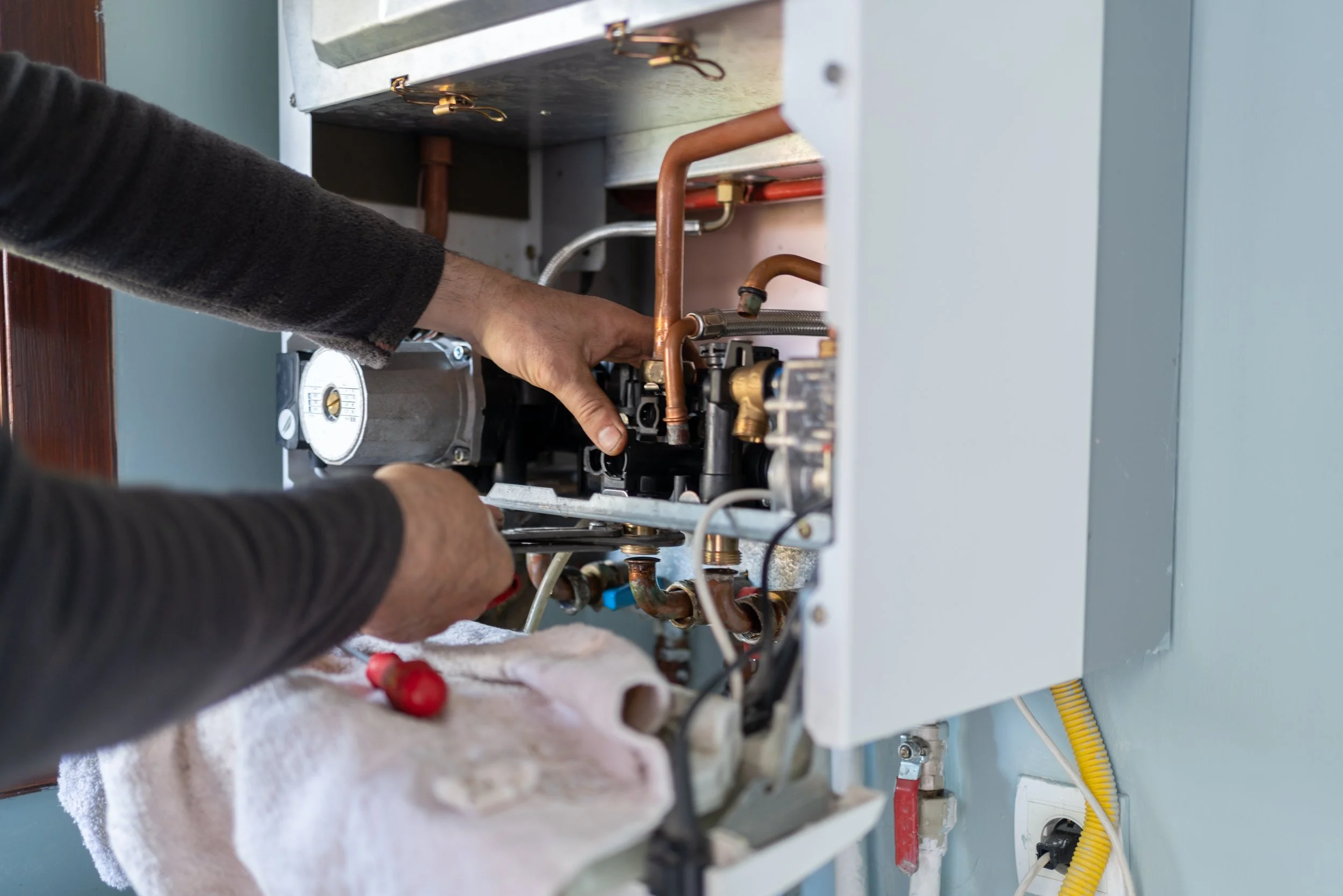
You head down to the basement furnace room on a cold February morning in Sterling Heights, and the house feels colder than it should. The furnace isn't running. You check the pilot light — it's out again. You relight it, and it stays on for a few hours or maybe a day, then goes out again.
This is one of the most common furnace problems we see at NEXT Heating & Cooling during Michigan winters. A pilot light that won't stay lit isn't just annoying — it means your furnace can't heat your home, and in some cases, it's a safety issue that needs immediate attention.
The good news: some pilot light problems have simple DIY fixes. The reality: others require a licensed technician with the right tools and training. This guide will help you understand the difference, troubleshoot safely, and know when it's time to call for furnace repair services in Metro Detroit.
How a Gas Furnace Pilot Light Actually Works
Before we get into troubleshooting, it helps to understand what the pilot light does and why it's designed to shut off when something goes wrong.
A pilot light is a small, continuous flame that ignites the main burners when your thermostat calls for heat. It burns 24/7 during the heating season — that's its job. But it's part of a safety system with multiple fail-safes:
- The thermocouple: A heat sensor positioned in the pilot flame. When heated, it generates a small electrical current that keeps the gas valve open. If the flame goes out, the thermocouple cools down within seconds, the current stops, and the gas valve closes automatically. This prevents unburned gas from accumulating in your furnace — a critical safety feature.
- The gas valve: Controls gas flow to both the pilot and main burners. It won't allow gas to flow unless the thermocouple confirms the pilot is lit.
- The pilot orifice: A tiny opening that meters the exact amount of gas for the pilot flame. If this gets clogged with dust or debris, the flame becomes weak or unstable.
When everything works correctly, the pilot stays lit indefinitely. When something disrupts this system — a faulty thermocouple, a draft, a dirty orifice, or a gas pressure problem — the pilot goes out, and the safety system does exactly what it's designed to do: shut off the gas.
The 6 Most Common Causes (and DIY Fixes)
Over 35 years of furnace service calls in Macomb, Oakland, and St. Clair counties, we've seen these six issues cause the vast majority of pilot light failures. Some you can fix yourself. Others require professional tools and training.
1. Dirty or Misaligned Thermocouple
What happens: The thermocouple tip gets covered in soot or dust, or it shifts out of position so it's no longer in the hottest part of the pilot flame. Either way, it doesn't generate enough current to keep the gas valve open.
Symptoms: The pilot lights easily but goes out within a few seconds to a few minutes after you release the reset button.
DIY fix: Turn off the gas and let the furnace cool completely. Locate the thermocouple — it's a thin copper tube with a sensor tip positioned right in the pilot flame. Gently clean the tip with fine sandpaper or a soft cloth. Make sure it's positioned so the pilot flame wraps around the tip. Try relighting the pilot.
When to call a pro: If cleaning and repositioning don't work, the thermocouple has likely failed and needs replacement. This is a $150-$250 service call for most Metro Detroit homes, and it's a same-day fix.
2. Clogged Pilot Orifice
What happens: Dust, rust, or debris blocks the tiny pilot orifice opening. The flame becomes weak, small, or irregular — not hot enough to keep the thermocouple engaged.
Symptoms: The pilot flame is yellow, flickering, or very small (less than 1 inch tall). It may go out when the furnace blower kicks on, creating air movement in the cabinet.
DIY fix: Turn off the gas and wait 5 minutes. Use a small piece of wire (a straightened paper clip works) or compressed air to gently clear the pilot orifice. Be careful not to enlarge the opening — it's precisely sized. Relight the pilot and observe the flame. It should be steady, mostly blue with a yellow tip, and 1-2 inches tall.
When to call a pro: If the orifice is severely corroded or damaged, it needs replacement. A technician can also check gas pressure to make sure the problem isn't upstream.
3. Drafts and Air Pressure Issues
What happens: A draft from a nearby window, door, or exhaust fan blows out the pilot. Or negative air pressure in the basement (common in older Michigan homes with poorly sealed ductwork or powerful exhaust fans) starves the pilot of oxygen or creates backdrafting.
Symptoms: The pilot goes out randomly, especially when a door opens, the dryer runs, or the wind picks up outside. You might notice the pilot flame dancing or flickering excessively.
DIY fix: Check for obvious drafts near the furnace. Seal basement windows and doors. Make sure the furnace cabinet door is properly closed and sealed. If you have a high-efficiency exhaust fan or range hood, try turning it off temporarily to see if the pilot stays lit.
When to call a pro: If drafts persist or you suspect a backdrafting issue, call immediately. Backdrafting can pull combustion gases (including carbon monoxide) into your living space. A technician can perform a combustion analysis and check for proper venting. This is especially common in homes with older furnaces that weren't designed for modern air-sealing standards.
Michigan Reality Check: Basement furnace rooms in older Detroit-area homes often have foundation cracks, leaky bulkhead doors, or poorly sealed rim joists. These create unpredictable air currents that can blow out pilot lights — especially during polar vortex events when wind pressure is extreme. Sealing your basement is good for pilot light stability and energy efficiency.
4. Faulty or Weak Gas Valve
What happens: The gas valve's internal components wear out over time. It may not fully open, or it may fail to hold the pilot gas line open even when the thermocouple is sending the correct signal.
Symptoms: The pilot won't stay lit no matter how long you hold the reset button. Or it stays lit while you're holding the button but goes out immediately when you release it — even with a clean thermocouple.
DIY fix: None. Gas valves are safety-critical components that require professional diagnosis and replacement.
When to call a pro: Immediately. A gas valve replacement typically costs $300-$500 in Southeast Michigan, depending on the furnace model. If your furnace is over 20 years old, this is a good time to discuss whether repair or replacement makes more financial sense — more on that below.
5. Low Gas Pressure or Supply Issues
What happens: The gas pressure coming into your home is too low to maintain a stable pilot flame. This can be caused by a problem with the utility company's supply line, a partially closed gas shutoff valve, or sediment buildup in your home's gas piping.
Symptoms: The pilot flame is weak and yellow. Other gas appliances (water heater, stove) may also have weak flames or struggle to stay lit.
DIY fix: Check that the gas shutoff valve near your furnace is fully open (handle parallel to the pipe). If other gas appliances are also affected, call your gas utility company — they'll test the supply pressure for free.
When to call a pro: If the supply pressure is normal but the pilot is still weak, the problem is inside your furnace or home piping. A technician can measure gas pressure at the furnace inlet and inside the gas valve to pinpoint the issue.
6. Failed Flame Sensor or Control Board (Electronic Ignition Systems)
What happens: Many newer furnaces don't have standing pilot lights — they use electronic ignition systems with flame sensors. If the sensor gets dirty or the control board fails, the system won't recognize that the flame is lit, and it shuts off the gas.
Symptoms: The furnace tries to ignite, the burners light briefly, then everything shuts down. Or the igniter glows but nothing lights. You may see an error code flashing on the control board.
DIY fix: If you're comfortable working around electrical components, you can try cleaning the flame sensor with fine sandpaper. Turn off power to the furnace first. The sensor is a thin metal rod near the burners.
When to call a pro: If cleaning doesn't work, or if you see error codes you don't understand, call for service. Electronic ignition systems require diagnostic tools to troubleshoot properly. This is one area where NATE-certified technicians save you time and money — they can diagnose the exact failure point in minutes.
When DIY Stops and Professional Service Starts
There's a clear line between homeowner troubleshooting and professional furnace repair. Here's when you should stop and call for help:
- You smell gas. Leave the house immediately and call your gas utility company's emergency line, then call us. Never try to relight a pilot if you smell gas.
- The pilot won't stay lit after two attempts. Repeatedly trying to light a pilot that won't stay on can flood the combustion chamber with gas. This is dangerous.
- You see a yellow or orange pilot flame. A healthy pilot flame is mostly blue with a small yellow tip. A yellow or orange flame indicates incomplete combustion — possibly due to a gas pressure issue, clogged orifice, or carbon monoxide risk.
- You suspect backdrafting or venting problems. If you see soot around the furnace, smell combustion gases, or notice the pilot going out when other appliances run, this is a safety issue that requires immediate professional attention.
- Your furnace is over 15 years old and having repeated pilot light problems. At this point, you're likely looking at multiple worn components. It may be more cost-effective to replace the furnace than to keep repairing it — especially if you're facing a thermocouple, gas valve, and heat exchanger all in the same season.
We've been doing this for over three decades in Metro Detroit. The homeowners who call us early — when they first notice a problem — almost always spend less money and avoid the stress of a furnace failure on the coldest night of the year. The ones who wait until the pilot won't stay lit at all often end up needing emergency furnace repair on a Saturday night.
What a Furnace Service Call Looks Like at NEXT
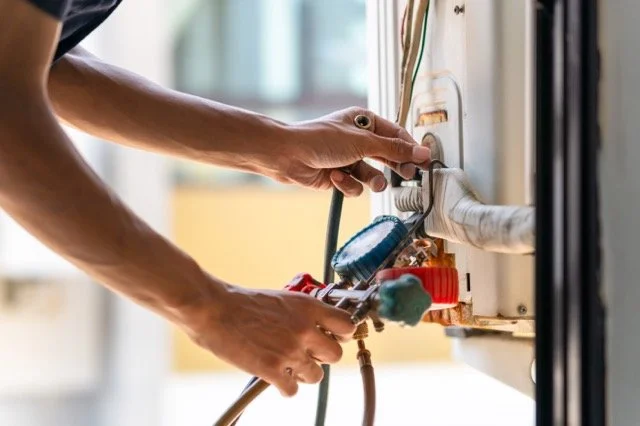
When you call NEXT Heating & Cooling for furnace service, here's what happens:
1. We show up on time. You get a 2-hour arrival window, and we call 30 minutes before we arrive. No all-day waiting around.
2. We diagnose the actual problem. Our technicians don't guess. They test the thermocouple output, measure gas pressure, inspect the heat exchanger, check for drafts, and look at the entire system. You get a clear explanation of what's wrong and why.
3. You get options, not pressure. If your thermocouple failed, we'll replace it. If your furnace is 22 years old and the heat exchanger is cracked, we'll explain your repair and replacement options with real numbers. No commission-based upselling. No scare tactics. Just honest information so you can make the right decision for your home and budget.
4. We fix it right the first time. Our trucks carry the most common parts for Carrier, Lennox, Trane, Rheem, Bryant, Goodman, Amana, York, and RUUD furnaces. Most pilot light repairs are completed the same day.
5. We test everything before we leave. We don't just fix the pilot light — we run the furnace through a full heating cycle, check for proper burner operation, test the blower, and make sure your home is heating evenly.
This is the same approach that's kept our BBB A+ rating and 5-star reviews consistent for years. We're not the biggest HVAC company in Metro Detroit, and that's the point. We're the one your neighbor recommends because we showed up, fixed the problem, and didn't try to sell them something they didn't need.
Preventing Pilot Light Problems Before They Happen
Most pilot light failures are preventable with regular maintenance. Here's what actually works:
Annual Furnace Tune-Ups
A professional tune-up includes cleaning the pilot assembly, testing the thermocouple, checking gas pressure, inspecting the heat exchanger, and adjusting burner flames. This catches small problems before they become expensive failures.
The NEXT Care Plan covers this for $5/month ($60/year). You get a fall furnace tune-up and a spring AC tune-up, priority scheduling, 10% off repairs, and no service call fees. For most Metro Detroit homeowners, it pays for itself the first time you need a repair.
Replace Your Furnace Filter Regularly
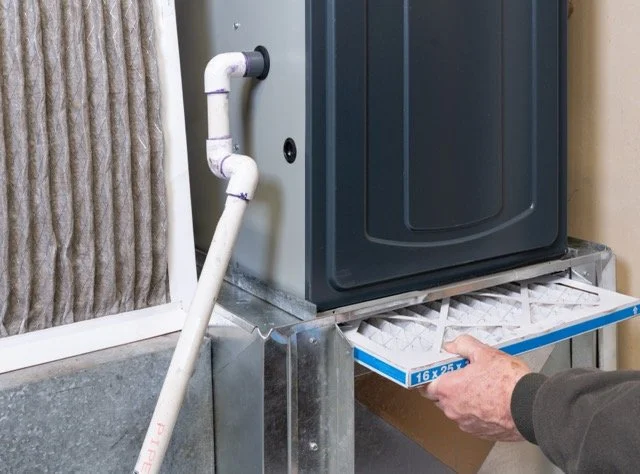
A clogged filter restricts airflow, which can cause pressure imbalances inside the furnace cabinet. This creates drafts that blow out pilot lights. Change your filter every 1-3 months during heating season — more often if you have pets or run the blower fan continuously.
Keep the Furnace Area Clean
Dust and debris near the furnace get pulled into the combustion chamber. Keep the area around your furnace clear. Don't store paint, cleaning supplies, or cardboard boxes next to the unit — they create dust and can be fire hazards.
Seal Your Basement
Michigan basements are notoriously drafty. Sealing rim joists, foundation cracks, and bulkhead doors improves furnace performance, reduces pilot light problems, and lowers your heating bills. It's one of the best energy upgrades you can make.
Test Your Pilot Light in September
Don't wait until the first freeze to find out your pilot won't stay lit. Test your furnace in early fall. If you notice any issues, schedule service before the November rush when every HVAC company in Metro Detroit is booked solid.
Real Talk: We see the same pattern every year. Homeowners ignore their furnace until mid-November, then call in a panic when it's 15°F outside and the pilot won't light. At that point, we're running emergency calls around the clock, and parts availability gets tight. The homeowners who call in September get same-day service, lower prices, and no stress.
Cost Reality: Repair vs. Replacement Decisions
When your pilot light keeps going out, you're facing a decision: repair the furnace or replace it. Here's how to think through the numbers.
Typical Pilot Light Repair Costs in Southeast Michigan
- Thermocouple replacement: $150-$250
- Pilot orifice cleaning: $100-$150 (usually part of a tune-up)
- Gas valve replacement: $300-$500
- Flame sensor cleaning/replacement: $150-$300
- Control board replacement: $400-$800
When Repair Makes Sense
Repair is the right call if:
- Your furnace is less than 12 years old
- The repair cost is under $500
- The heat exchanger is in good condition
- You've had no other major repairs in the past 3 years
When Replacement Makes More Sense
Replacement is worth considering if:
- Your furnace is over 18 years old (the average lifespan in Michigan is 15-20 years)
- The repair cost is over $800, or you're looking at multiple repairs in the same season
- Your heating bills have been climbing even though your usage hasn't changed
- You're facing a heat exchanger crack or other major failure
A new high-efficiency furnace costs $3,500-$6,500 installed in Metro Detroit, depending on size, efficiency rating, and brand. That sounds like a lot, but if you're spending $500-$800/year on repairs for an old furnace, replacement pays for itself in 5-7 years — and you get better comfort, lower energy bills, and peace of mind.
We've written a detailed breakdown of furnace replacement costs in Michigan for 2026 if you want the full picture. The short version: if your furnace is old enough to vote, it's probably time to replace it.
The 50% Rule
Here's a rule of thumb we use: if the repair cost is more than 50% of the cost of a new furnace, and your furnace is over 15 years old, replacement is usually the smarter financial decision. You're not just avoiding this repair — you're avoiding the next one, and the one after that.
We'll never pressure you into a replacement if a repair makes sense. But we will give you honest numbers so you can make the right call for your situation. That's the NEXT difference — we're changing contractor culture by treating you the way we'd want to be treated.
Pilot Light Problems? We'll Get Your Heat Back On.
NEXT Heating & Cooling has been keeping Michigan homes warm for over 35 years. Get honest diagnostics, fair pricing, and same-day service from NATE-certified technicians who show up on time. No upselling. No pressure. Just reliable furnace repair in Metro Detroit.
Schedule Furnace ServiceFrequently Asked Questions
A properly functioning pilot light should stay lit continuously throughout the entire heating season — from September through May in Michigan. If your pilot is going out daily, weekly, or even monthly, something is wrong with the furnace or its environment. The most common causes are a dirty thermocouple, a clogged pilot orifice, or drafts near the furnace.
The pilot light itself going out isn't immediately dangerous — the gas valve is designed to close automatically when the flame goes out, preventing gas buildup. However, repeated pilot light failures can indicate a more serious problem like a cracked heat exchanger, backdrafting, or carbon monoxide risk. If you smell gas, see soot around the furnace, or notice the pilot going out when other appliances run, call for professional service immediately.
Yes, relighting a pilot light is safe for most homeowners if you follow the manufacturer's instructions carefully. Turn the gas valve to OFF and wait at least 5 minutes for any accumulated gas to dissipate. Then turn the valve to PILOT, press and hold the reset button, and use a long lighter to ignite the flame. Hold the button for 30-60 seconds after the pilot lights, then release it slowly. If the pilot goes out immediately or won't stay lit after two attempts, stop and call a professional — repeatedly trying to light a pilot that won't stay on can be dangerous.
In Southeast Michigan, most pilot light repairs cost $150-$500 depending on the cause. A thermocouple replacement typically runs $150-$250. Cleaning a clogged pilot orifice is $100-$150. A gas valve replacement costs $300-$500. If you're a NEXT Care Plan member, you save 10% on repairs and pay no service call fee, which can save $75-$100 right away. Most repairs are completed the same day.
Wind can create pressure changes that force air down your furnace vent pipe or through cracks in your basement, blowing out the pilot light. This is especially common in older Michigan homes with atmospheric vent furnaces and leaky basements. Solutions include sealing basement air leaks, installing a draft hood or wind cap on the vent pipe, or upgrading to a sealed-combustion furnace that draws air from outside through a dedicated pipe. If wind regularly blows out your pilot, have a technician check your venting system — backdrafting can be a carbon monoxide risk.
Turning off your pilot light in summer saves a small amount of gas (typically $3-$8/month), but it also means you need to relight it in the fall — and that's when you discover if there's a problem. Many Michigan homeowners leave the pilot on year-round for convenience. If you do turn it off, test it in early September before you need heat. That way you're not scrambling to find a technician on the coldest day of the year. Modern high-efficiency furnaces with electronic ignition don't have standing pilots, so this doesn't apply to them.
A yellow or orange pilot flame indicates incomplete combustion, which can be caused by a clogged pilot orifice, low gas pressure, or insufficient air supply. A healthy pilot flame should be mostly blue with a small yellow tip at the top. Yellow flames produce soot and carbon monoxide, and they don't generate enough heat to keep the thermocouple engaged, so the pilot goes out frequently. If your pilot flame is yellow, turn off the gas and call for service — this is a safety issue that needs professional diagnosis.