

How Much Does a Heat Pump Cost in Metro Detroit? 2026 Guide
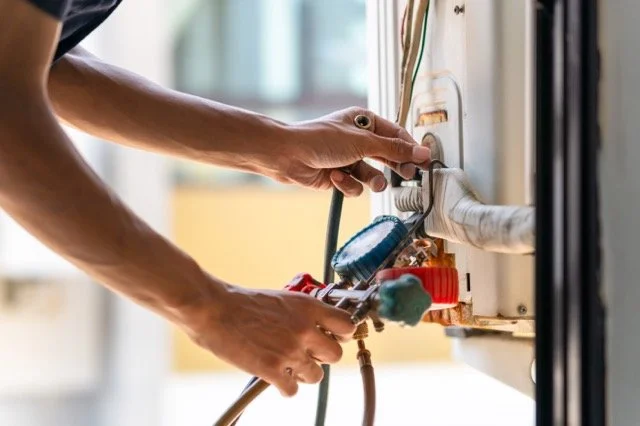
If you're researching heat pumps in Southeast Michigan, you probably have one question on your mind: What's this actually going to cost me?
It's a fair question. Heat pumps are everywhere in the news right now — federal tax credits, utility rebates, electrification mandates — but most articles skip the numbers Michigan homeowners actually care about. What does a heat pump cost in Sterling Heights or Troy? What about installation? Will it work when it's 5°F outside during a polar vortex?
We've been installing heating and cooling systems in Metro Detroit for over 35 years, and we've seen the heat pump conversation shift from "nice to have" to "should I replace my gas furnace with one?" In 2026, with improved cold-climate technology and significant rebates, heat pumps are a legitimate option for Michigan homes — but they're not right for everyone, and the costs vary more than most people expect.
This guide breaks down real heat pump costs for Macomb, Oakland, and St. Clair County homes — equipment, installation, rebates, and what drives the price up or down. No sales pitch. Just the numbers and the context you need to make an informed decision.
Heat Pump Costs at a Glance
Let's start with the range most Metro Detroit homeowners see:
Total installed cost for a whole-home heat pump system in Southeast Michigan: $8,000–$22,000
That includes equipment, labor, permits, electrical work, and any ductwork modifications. After federal tax credits and utility rebates, net cost can drop to $5,500–$17,000.
Why such a wide range? Heat pump pricing depends on:
- System type: Central air-source heat pump, ductless mini-split, or ground-source geothermal
- Home size: A 1,200 sq ft ranch in Warren needs less capacity than a 3,000 sq ft colonial in Bloomfield Hills
- Efficiency rating: Higher SEER2 and HSPF2 ratings cost more upfront but save on energy bills
- Cold-climate capability: Heat pumps rated for Michigan winters cost more than standard models
- Existing infrastructure: If your ductwork is undersized or your electrical panel needs an upgrade, costs go up
- Brand and warranty: Carrier and Lennox command premium pricing; Goodman and Rheem are more budget-friendly
Most homeowners in Macomb and Oakland counties end up in the $12,000–$16,000 range for a quality cold-climate heat pump installed in a typical 1,800–2,200 sq ft home with existing ductwork.
Equipment Cost by Heat Pump Type
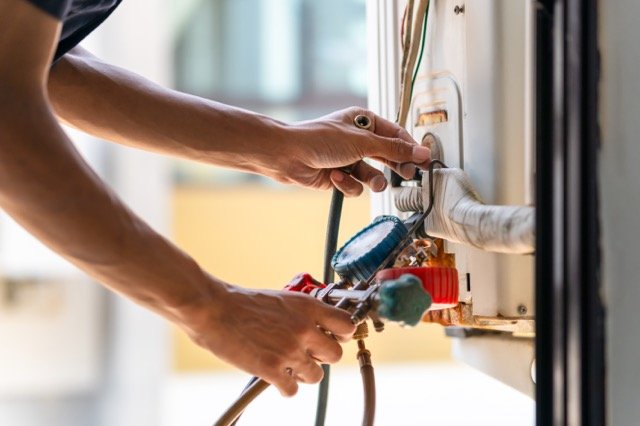
Heat pump equipment costs vary significantly based on the type of system. Here's what we see in Southeast Michigan in 2026:
Air-Source Heat Pumps (Most Common)
Air-source heat pumps are the most popular choice for Michigan homes. They work like an air conditioner that can reverse — pulling heat from outdoor air in winter and dumping heat outside in summer. Modern cold-climate models work efficiently down to -15°F or lower, which covers most Michigan winter days.
Equipment cost (unit only, no installation): $4,000–$10,000
What drives the price:
- Efficiency ratings: A basic 14 SEER2 / 7.5 HSPF2 unit costs $4,000–$5,500. A high-efficiency 20 SEER2 / 10 HSPF2 cold-climate model costs $7,500–$10,000.
- Capacity: A 2-ton unit (24,000 BTU) for a small home costs less than a 5-ton unit (60,000 BTU) for a larger home.
- Brand: Carrier, Lennox, and Trane are premium brands ($6,500–$10,000). Bryant, Rheem, and Goodman are mid-range ($4,500–$7,000). Amana, York, and RUUD are budget-friendly ($4,000–$6,000).
- Variable-speed vs. single-stage: Variable-speed compressors adjust output to match demand, improving efficiency and comfort. They cost $1,500–$2,500 more than single-stage models.
For Michigan winters, we strongly recommend cold-climate heat pumps with a Heating Seasonal Performance Factor (HSPF2) of 9.0 or higher. These units maintain heating capacity at lower outdoor temperatures, reducing the need for backup electric resistance heat (which is expensive to run).
Ductless Mini-Split Heat Pumps
Ductless mini-splits are ideal for homes without existing ductwork, room additions, or zones with specific heating/cooling needs. One outdoor unit connects to 1–5 indoor wall-mounted air handlers.
Equipment cost: $2,000–$8,000
- Single-zone system: $2,000–$3,500 (one outdoor unit, one indoor head)
- Multi-zone system: $5,000–$8,000 (one outdoor unit, 2–5 indoor heads)
Ductless systems are popular in older Detroit-area homes with radiator heat or electric baseboard heat. They're also a good fit for finished basements, home offices, or sunrooms where extending ductwork isn't practical.
Brands we install: Mitsubishi, Daikin, Fujitsu, LG, and Carrier. Mitsubishi and Daikin are the premium choices for cold-climate performance.
Ground-Source (Geothermal) Heat Pumps
Geothermal heat pumps pull heat from the ground instead of outdoor air. They're the most efficient option — but also the most expensive due to the underground loop field installation.
Equipment cost: $6,000–$12,000
Loop field installation: $10,000–$30,000 (depending on soil conditions, lot size, and loop type)
Total installed cost: $20,000–$40,000
Geothermal systems make sense for new construction or homes with large lots in rural St. Clair County, but they're rare in Metro Detroit due to high upfront costs and lot size constraints. The payback period is typically 10–20 years, even with federal tax credits.

Installation Costs in Metro Detroit
Equipment is only part of the equation. Installation labor, permits, and system modifications make up 40–60% of your total cost.
Labor Costs in Southeast Michigan
HVAC labor rates in Macomb, Oakland, and St. Clair counties range from $75–$150 per hour depending on the contractor's experience, certifications, and service area. A typical heat pump installation takes 8–16 hours for a crew of two technicians.
Installation labor cost: $2,500–$5,000
What's included:
- Removing old equipment (furnace and/or AC)
- Installing outdoor condenser unit and indoor air handler or coil
- Running refrigerant lines and electrical wiring
- Connecting to existing ductwork or installing new duct runs
- Installing thermostat (often a new smart thermostat)
- Pressure-testing refrigerant lines and charging the system
- Testing and commissioning the system
- Cleanup and disposal of old equipment
At NEXT Heating & Cooling, our NATE-certified technicians handle every installation following Michigan mechanical code requirements. We don't rush jobs, and we don't cut corners on refrigerant line sizing or duct connections — details that affect long-term performance.
Ductwork Modifications
Heat pumps move air differently than gas furnaces. They run longer cycles at lower fan speeds, which means your existing ductwork might need adjustments — especially in older Michigan homes built in the 1960s–1980s.
Common ductwork modifications:
- Duct sealing: Sealing leaks in basement or attic ductwork improves efficiency. Cost: $500–$1,200.
- Duct resizing: Undersized ducts restrict airflow. Replacing or upsizing key duct runs costs $1,000–$3,000.
- Return air upgrades: Many older homes have inadequate return air. Adding return ducts costs $800–$2,000.
- Full duct replacement: Rare, but necessary in homes with damaged or poorly designed ductwork. Cost: $3,000–$8,000.
We always perform a visual duct inspection before quoting a heat pump installation. If your ductwork is in good shape, you might not need any modifications. If it's leaky or undersized, fixing it now prevents comfort problems and wasted energy later.
Electrical Upgrades
Heat pumps require a dedicated 240V circuit. Most Michigan homes built after 1990 have the electrical capacity, but older homes — especially those with 100-amp or 125-amp panels — often need upgrades.
Common electrical work:
- New 240V circuit and breaker: $300–$600 (if panel has space)
- Electrical panel upgrade (100A to 200A): $1,500–$3,500
- Outdoor disconnect installation: $150–$300
If you're also adding electric vehicle charging or planning other electrification upgrades, bundling electrical work saves money. We coordinate with licensed electricians on every heat pump installation that requires panel upgrades.
Permits and Inspections
Michigan law requires a mechanical permit for HVAC system replacements. Permit fees in Metro Detroit range from $50–$150 depending on the municipality.
As a licensed Michigan HVAC contractor, we pull permits for every installation and coordinate inspections with local building departments. This protects you — unpermitted work can cause problems when you sell your home or file an insurance claim.
What Affects Your Final Heat Pump Cost?
Beyond equipment type and installation labor, several factors influence what you'll actually pay for a heat pump in Southeast Michigan.
Home Size and Heating Load
Bigger homes need bigger heat pumps — but "bigger" doesn't just mean square footage. A proper load calculation accounts for:
- Square footage and ceiling height
- Insulation levels (attic, walls, basement)
- Window size, type, and orientation
- Air sealing quality
- Number of occupants and internal heat sources
We use Manual J load calculations on every installation — the industry-standard method for sizing HVAC equipment. Oversized heat pumps short-cycle and waste energy. Undersized heat pumps struggle on the coldest Michigan days, forcing expensive electric backup heat to run constantly.
Typical capacity ranges:
- 1,200–1,600 sq ft: 2–2.5 ton (24,000–30,000 BTU)
- 1,600–2,200 sq ft: 2.5–3.5 ton (30,000–42,000 BTU)
- 2,200–3,000 sq ft: 3.5–5 ton (42,000–60,000 BTU)
Efficiency Ratings: SEER2 and HSPF2
As of 2023, the Department of Energy requires new efficiency rating systems for heat pumps:
- SEER2 (Seasonal Energy Efficiency Ratio 2): Measures cooling efficiency. Minimum is 14.3 SEER2 in northern states. High-efficiency models reach 20+ SEER2.
- HSPF2 (Heating Seasonal Performance Factor 2): Measures heating efficiency. Minimum is 7.5 HSPF2. Cold-climate models reach 9–10+ HSPF2.
Higher efficiency costs more upfront but saves on energy bills. In Michigan's climate, HSPF2 matters more than SEER2 — we heat for 6–7 months and cool for 3–4 months.
Cost difference by efficiency tier:
- Standard efficiency (14–16 SEER2 / 7.5–8.5 HSPF2): Base price
- Mid-efficiency (16–18 SEER2 / 8.5–9.5 HSPF2): Add $1,000–$2,000
- High-efficiency (18–20+ SEER2 / 9.5–10+ HSPF2): Add $2,500–$4,000
For most Metro Detroit homes, we recommend mid-efficiency cold-climate heat pumps (16–18 SEER2, 9+ HSPF2). The energy savings justify the upfront cost, and they handle Michigan winters without relying heavily on backup heat.
Cold-Climate Performance
Standard heat pumps lose heating capacity as outdoor temperatures drop. Below 30°F, older models struggle. Below 15°F, they're essentially useless without backup heat.
Cold-climate heat pumps use variable-speed inverter compressors and enhanced refrigerant cycles to maintain heating capacity down to -15°F or lower. This matters in Metro Detroit — we see multiple days below 10°F every winter, and polar vortex events can push temperatures below zero.
Cold-climate heat pumps cost $1,500–$3,000 more than standard models, but they're essential for Michigan. Without one, your backup electric resistance heat runs constantly on cold days, spiking your electric bill.
Backup Heating
Even cold-climate heat pumps need backup heat on the coldest days. Most systems use electric resistance heat strips installed in the air handler. These are simple and reliable but expensive to operate (about 3x the cost of heat pump heating).
Some homeowners keep their existing gas furnace as backup — a "dual-fuel" setup. The heat pump handles most heating, and the furnace kicks in when outdoor temperatures drop below a set threshold (typically 25–35°F). This maximizes efficiency and comfort but adds complexity and cost.
Dual-fuel system cost: Add $500–$1,500 for controls and integration
We install dual-fuel systems in homes where the existing furnace is relatively new (under 10 years old) and the homeowner wants maximum heating efficiency. If your furnace is old or failing, replacing it with a heat pump and electric backup is usually more cost-effective.
Brand and Warranty
Brand matters — not just for equipment quality but for warranty coverage and parts availability. Here's how major brands stack up in Metro Detroit:
| Brand | Price Tier | Warranty | Notes |
|---|---|---|---|
| Carrier | Premium | 10 years parts | Industry leader, excellent cold-climate models |
| Lennox | Premium | 10 years parts | High efficiency, advanced controls |
| Trane | Premium | 10 years parts | Durable, reliable, good for Michigan climate |
| Bryant | Mid-range | 10 years parts | Carrier's sister brand, similar quality |
| Rheem | Mid-range | 10 years parts | Good value, solid performance |
| Goodman | Budget | 10 years parts | Basic features, reliable |
| Amana | Budget | 10 years parts | Goodman's sister brand |
We install all these brands at NEXT Heating & Cooling. Your choice depends on budget, efficiency priorities, and comfort features. For Michigan winters, we lean toward Carrier, Trane, and Lennox cold-climate models — they're proven in harsh conditions and parts are readily available.
Federal and Michigan Rebates in 2026
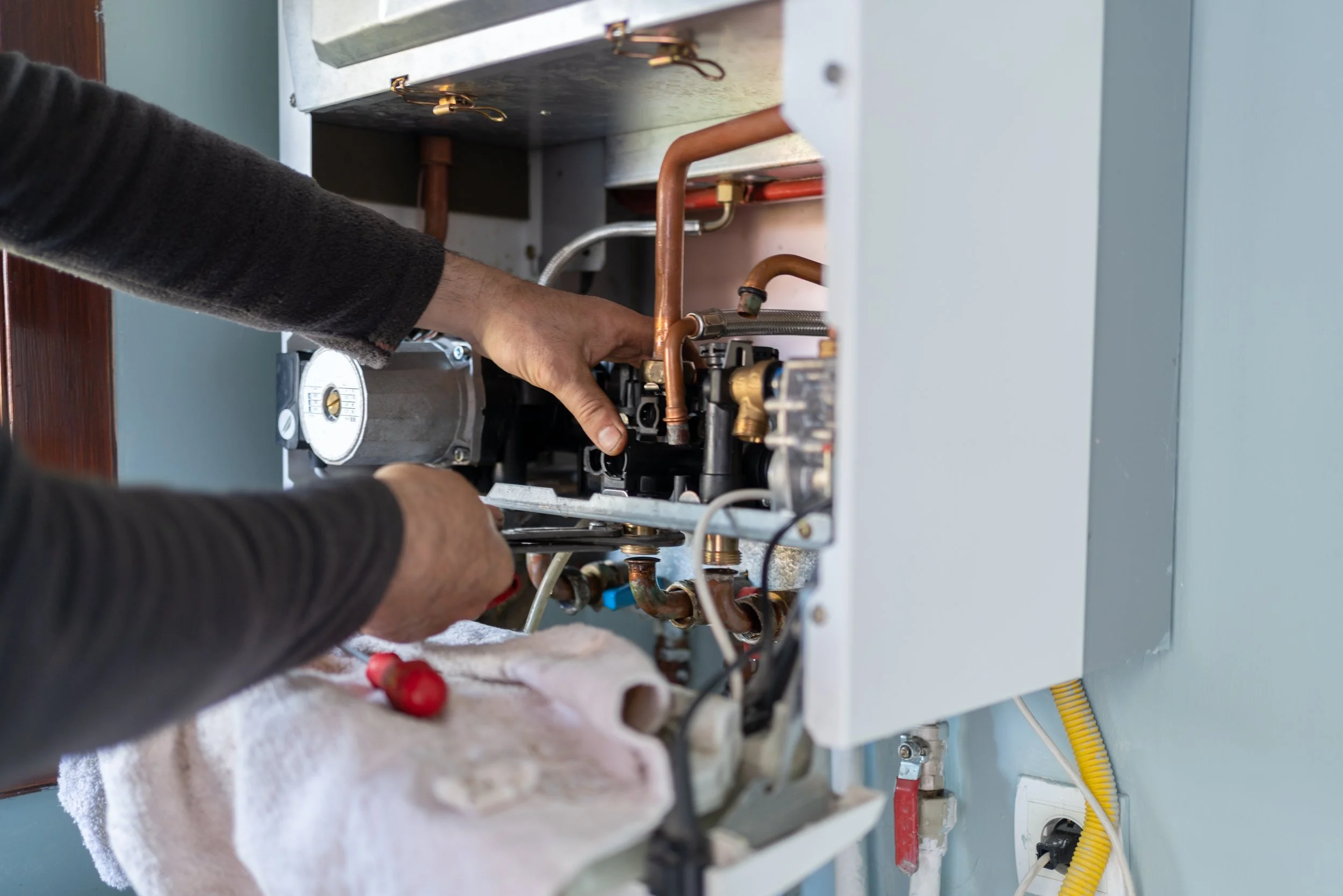
Heat pump incentives are at an all-time high in 2026 thanks to federal tax credits and Michigan utility rebates. These can reduce your net cost by $2,000–$6,000 or more.
Federal Tax Credits (Inflation Reduction Act)
The federal Energy Efficient Home Improvement Credit covers heat pumps through 2032:
- Heat pump systems: 30% of cost, up to $2,000
- Electric panel upgrades: 30% of cost, up to $600
- Electrical wiring upgrades: 30% of cost, up to $600
These are tax credits, not deductions — they reduce your tax bill dollar-for-dollar. You claim them when you file your federal tax return using IRS Form 5695.
Example: You install a $14,000 heat pump system. You receive a $2,000 federal tax credit (the cap). If you also upgrade your electrical panel for $2,500, you get an additional $600 credit. Total federal benefit: $2,600.
There's no income limit for these credits, and they apply to primary residences only (not rentals or second homes).
Michigan Utility Rebates
DTE Energy and Consumers Energy offer heat pump rebates for customers in Southeast Michigan:
DTE Energy (serves most of Wayne, Oakland, and parts of Macomb County):
- Air-source heat pump: $500–$1,500 (depending on efficiency)
- Ductless mini-split: $300–$800 per zone
- Smart thermostat: $50–$100
Consumers Energy (serves parts of Oakland, St. Clair, and western Macomb County):
- Air-source heat pump: $600–$1,800 (depending on efficiency)
- Ductless mini-split: $400–$1,000 per zone
- Geothermal heat pump: $2,000–$4,000
Rebate amounts change annually and depend on equipment efficiency. Higher SEER2 and HSPF2 ratings qualify for larger rebates. We help homeowners navigate utility rebate applications on every heat pump installation — it's part of our service.
Stacking Incentives
You can combine federal tax credits with utility rebates for maximum savings.
Example scenario: Sterling Heights homeowner, DTE Energy customer
- Heat pump system cost: $15,000
- Federal tax credit: -$2,000
- DTE rebate: -$1,200
- Net cost: $11,800
That's a 21% reduction in upfront cost — and you'll save on energy bills every month after that.
Heat Pump vs. Gas Furnace: Cost Reality
The question we hear most: Should I replace my gas furnace with a heat pump, or stick with gas?
The answer depends on your home, your budget, and your energy priorities. Here's the cost comparison:
Upfront Cost Comparison
| System | Installed Cost | After Incentives |
|---|---|---|
| Gas furnace + AC | $8,000–$14,000 | $7,500–$13,000 (minimal incentives) |
| Heat pump (replaces both) | $10,000–$18,000 | $7,000–$14,000 (after federal + utility) |
| Dual-fuel (heat pump + gas backup) | $12,000–$20,000 | $9,000–$16,000 (after incentives) |
After incentives, a heat pump costs about the same as a gas furnace + AC system — sometimes less. The heat pump gives you heating and cooling in one unit, which simplifies maintenance and reduces mechanical complexity.
Operating Cost Comparison
Operating costs depend on local utility rates. In Metro Detroit (2026 rates):
- Natural gas: $0.75–$1.10 per therm (DTE and Consumers Energy)
- Electricity: $0.16–$0.19 per kWh
For a typical 2,000 sq ft home in Troy with average insulation:
Annual heating cost (October–April):
- Gas furnace (95% AFUE): $900–$1,400
- Cold-climate heat pump (9 HSPF2): $1,100–$1,600
- Dual-fuel system: $850–$1,300 (heat pump primary, gas backup below 30°F)
Heat pumps cost slightly more to operate in Michigan's climate — but the gap is narrowing as gas prices rise and electric rates stabilize. If you have solar panels or plan to add them, a heat pump becomes significantly cheaper to operate.
When a Heat Pump Makes Sense
Consider a heat pump if:
- Your furnace and AC are both aging or failing (replace both with one system)
- You're interested in electrification or reducing fossil fuel use
- You have or plan to install solar panels
- You want simplified maintenance (one system instead of two)
- You qualify for significant rebates and tax credits
When a Gas Furnace Makes Sense
Stick with gas if:
- Your furnace is less than 10 years old and working well
- You have low natural gas rates and high electric rates
- Your home has poor insulation and high heating demand
- You're on a tight budget and can't afford the upfront cost difference
There's no wrong answer. We install both gas furnaces and heat pumps at NEXT Heating & Cooling, and we'll give you honest guidance based on your home and priorities — not what earns us the highest commission (we don't work on commission).
Signs You're Ready for a Heat Pump
Not sure if it's time to make the switch? Here are the signs we see in Metro Detroit homes that are good candidates for heat pump upgrades:
Your Furnace or AC Is Aging
If your furnace is 15+ years old or your AC is 12+ years old, you're approaching the end of their service life. Replacing both with a single heat pump system makes financial sense — especially with current incentives.
We wrote a detailed guide on signs your furnace is dying and when to replace your air conditioner — both are worth reading if you're in this situation.
Your Energy Bills Keep Rising
Older furnaces lose efficiency over time. If your gas bills have climbed steadily over the past few years despite stable usage, your furnace is likely wasting energy. A modern cold-climate heat pump can cut heating costs by 20–40% compared to a 15–20 year old furnace.
You Have Hot and Cold Spots
Heat pumps run longer cycles at lower fan speeds compared to gas furnaces. This creates more even temperatures throughout your home. If you have rooms that are always too hot or too cold, a properly sized heat pump with good ductwork can solve that problem.
You're Interested in Electrification
More Michigan homeowners are moving away from fossil fuels — whether for environmental reasons, energy independence, or to pair with solar panels. Heat pumps are the most practical way to electrify home heating without sacrificing comfort.
You Want to Simplify Maintenance
A gas furnace + AC system means two pieces of equipment to maintain, two potential failure points, and two service calls every year. A heat pump is one system. We still recommend seasonal tune-ups (spring and fall), but you're maintaining one unit instead of two.
Our Next Care Plan covers heat pump maintenance for just $5/month — two annual visits, priority scheduling, and 10% off repairs. It's the easiest way to protect your investment.
Ready to Get Started?
NEXT Heating & Cooling has been keeping Michigan homes comfortable for over 35 years. Get honest diagnostics and fair pricing from NATE-certified technicians who show up on time. We'll help you navigate rebates, explain your options, and install a heat pump system that works in Michigan winters.
Schedule Your Free EstimateFrequently Asked Questions
Yes — modern cold-climate heat pumps work efficiently down to -15°F or lower. They use advanced inverter compressors and refrigerant cycles to maintain heating capacity in sub-zero temperatures. We install cold-climate models from Carrier, Trane, and Lennox that handle Michigan winters without relying heavily on backup electric heat. On the coldest polar vortex days (below -10°F), backup heat may run, but those days are rare. For most of the heating season, a properly sized cold-climate heat pump handles 100% of your heating load.
In 2026, you can save $2,500–$5,000 or more by combining federal tax credits with Michigan utility rebates. The federal Energy Efficient Home Improvement Credit covers 30% of equipment and installation costs up to $2,000. DTE Energy and Consumers Energy offer additional rebates of $500–$1,800 depending on equipment efficiency. If you also upgrade your electrical panel, you can claim an additional $600 federal credit. We help homeowners navigate all available incentives and complete rebate applications.
It depends on local utility rates. In Metro Detroit, natural gas is currently cheaper per BTU than electricity, so a high-efficiency gas furnace typically costs 10–20% less to operate than a heat pump over a full heating season. However, the gap is narrowing as gas prices rise. Dual-fuel systems (heat pump + gas backup) offer the best of both — the heat pump runs most of the time, and gas kicks in only on the coldest days. If you have solar panels, a heat pump becomes significantly cheaper to operate.
Yes — this is called a dual-fuel system. The heat pump handles heating down to a set outdoor temperature (typically 25–35°F), then the gas furnace takes over when it gets colder. This maximizes efficiency and comfort while keeping heating costs low. Dual-fuel systems cost $500–$1,500 more than heat pump-only installations due to additional controls and integration work. We recommend dual-fuel setups when your existing furnace is less than 10 years old and in good condition.
Heat pumps typically last 15–20 years with proper maintenance. Cold-climate models experience more wear due to year-round operation (heating and cooling), so regular maintenance is critical. We recommend two tune-ups per year — one in fall before heating season and one in spring before cooling season. Our Next Care Plan covers both visits for just $5/month, plus you get priority scheduling and 10% off repairs. Proper maintenance extends equipment life and prevents expensive breakdowns.
It depends on your existing panel capacity and available breaker space. Most homes built after 1990 have 200-amp panels with room for a heat pump circuit. Older homes with 100-amp or 125-amp panels often need upgrades, especially if you're also adding electric vehicle charging or other high-demand appliances. We coordinate with licensed electricians on every installation that requires panel work. Panel upgrades cost $1,500–$3,500 but qualify for a 30% federal tax credit (up to $600).
Carrier, Trane, and Lennox make the best cold-climate heat pumps for Michigan. Their inverter-driven variable-speed models maintain heating capacity down to -15°F or lower and have proven reliability in harsh winter conditions. Bryant (Carrier's sister brand) and Rheem are solid mid-range options with good cold-climate performance. We install all these brands at NEXT Heating & Cooling and can recommend specific models based on your home size, budget, and comfort priorities. The key is choosing a system with an HSPF2 rating of 9.0 or higher — that ensures efficient heating performance in Michigan winters.