

Loud AC Compressor? Causes and Fixes Michigan Homeowners Need
It's the middle of a humid Michigan July, and you're sitting on your back deck in Sterling Heights when you hear it — a grinding, buzzing, or clanking noise coming from your outdoor AC unit that wasn't there last week. Your first thought: "How much is this going to cost me?"
A loud AC compressor is one of the most common service calls we get at NEXT Heating & Cooling during cooling season. The good news? Not every loud compressor means you need a full system replacement. But ignoring it can turn a $300 repair into a $3,500 emergency.
In this guide, we'll walk you through the seven most common causes of loud AC compressor noise, how to diagnose what you're hearing, when you can fix it yourself (hint: rarely), and when to call a licensed HVAC contractor in Metro Detroit before you damage other components.
What Your AC Compressor Actually Does (And Why It Makes Noise)
Your AC compressor is the heart of your cooling system. It sits inside that big metal box in your backyard — the outdoor condensing unit — and its job is to pressurize refrigerant and pump it through your system's refrigeration cycle.
Here's how it works: The compressor takes low-pressure refrigerant vapor from your indoor evaporator coil, compresses it into high-pressure, high-temperature vapor, and sends it to the outdoor condenser coil where heat is released. Then the refrigerant flows back inside as a cool liquid to absorb more heat from your home. This cycle repeats hundreds of times a day during Michigan's humid summers.
A properly functioning compressor makes some noise — a low hum when it kicks on, a steady mechanical sound during operation, and a click when it shuts off. That's normal. But grinding, screeching, buzzing that shakes the unit, or loud banging? Those are problem sounds.
Michigan's climate is tough on compressors. We ask them to work overtime during heat waves, then sit dormant for eight months during winter. Temperature swings from -10°F in January to 95°F in July stress internal components. That's why regular HVAC maintenance matters so much here.

7 Common Causes of Loud AC Compressor Noise
After 35+ years servicing AC systems across Southeast Michigan, we've seen every compressor problem in the book. Here are the seven most common causes of loud compressor noise, listed from most common to least:
1. Electrical Problems (Hard Start or Failing Capacitor)
The capacitor gives your compressor the electrical jolt it needs to start up. When it starts to fail, the compressor struggles to start — you'll hear loud buzzing or humming, but the unit won't kick on. Eventually the compressor tries to start, fails, tries again, creating a repetitive clicking or buzzing sound.
A hard start kit can help an aging compressor that's struggling, but if the capacitor has failed completely, it needs replacement. Cost: $150-$400 for capacitor replacement in Metro Detroit. This is a same-day fix for most NATE-certified technicians.
2. Low or Overcharged Refrigerant
Your AC system is designed to operate with a precise refrigerant charge. Too little (usually from a leak) or too much (from improper service) forces the compressor to work harder than it should. You'll hear loud humming, and the compressor may cycle on and off rapidly — called short-cycling.
This is especially common in older systems still running R-22 refrigerant, which was phased out in 2020. If you have an R-22 system with a refrigerant leak, repair costs can be high because the refrigerant itself is expensive and hard to source. Many homeowners in Troy and Rochester Hills are choosing to replace rather than recharge these older systems.
Refrigerant work requires EPA 608 certification. This isn't a DIY job — Michigan mechanical code requires licensed contractors for any refrigerant handling.
3. Failed Internal Compressor Components
Inside your compressor are pistons, valves, bearings, and other moving parts. When these wear out or fail, you'll hear grinding, screeching, or metal-on-metal sounds. This usually happens in compressors that are 10+ years old or have been running with low refrigerant for extended periods.
Once internal components fail, the compressor itself needs replacement. There's no rebuilding a residential AC compressor — the sealed unit has to be swapped out entirely.
4. Loose Mounting Hardware or Vibration Dampeners
Your compressor sits on rubber isolation mounts designed to absorb vibration. Over time, these can crack from UV exposure and temperature extremes. The mounting bolts can also loosen from constant vibration. When this happens, the entire unit rattles and bangs against the condenser cabinet.
This is one of the few compressor noise issues you might be able to address yourself (more on that below). Tightening bolts or replacing rubber mounts is straightforward — but you need to make sure you're not masking a bigger problem.
5. Debris Inside the Outdoor Unit
Leaves, sticks, acorns, and even small animals can get inside your outdoor condenser unit. If debris contacts the condenser fan or gets near the compressor, you'll hear rattling, scraping, or banging. We've pulled everything from squirrel nests to kids' toys out of outdoor units in Macomb County.
Before every cooling season, clear debris from around and inside your outdoor unit. But always turn off power at the disconnect box before opening the unit — the capacitor holds a charge even when the system is off.
6. Worn Compressor Bearings
Scroll compressors (common in Carrier, Lennox, and Trane systems) have internal bearings that can wear out over time. When they do, you'll hear a high-pitched squealing or grinding that gets worse as the compressor runs. This often happens gradually — the noise starts faint and gets louder over weeks or months.
Worn bearings mean compressor replacement. Running the system with bad bearings will eventually cause catastrophic failure and potentially damage other components like the condenser fan motor.
7. Failing Contactor
The contactor is an electrical relay that sends power to your compressor. When it starts to fail, the contacts can arc or chatter, creating a rapid clicking or buzzing sound. You might also notice the outdoor unit trying to start but failing, or lights dimming in your house when the AC tries to kick on.
Contactor replacement is straightforward for a licensed tech — usually $150-$300 including the part and labor. It's a wear item that typically lasts 5-10 years depending on how often your system cycles.
Michigan-Specific Note: If your AC compressor is making loud noise and you're in an older home in Royal Oak, Grosse Pointe, or Detroit with original electrical service, have your tech check your electrical panel capacity. Undersized electrical service can cause hard-start problems that sound like compressor failure but are actually wiring issues.
How to Diagnose What Type of Noise You're Hearing
Different sounds point to different problems. Here's how to decode what your compressor is telling you:
Clicking Sounds
Rapid clicking usually means electrical problems — a failing contactor or capacitor. A single click at startup and shutdown is normal. Repetitive clicking that doesn't result in the compressor starting indicates the contactor is trying to engage but can't.
Grinding or Screeching
This is the sound of metal on metal — worn bearings, failed pistons, or damaged internal components. If you hear grinding, turn off your system immediately and call for service. Continuing to run the compressor can cause catastrophic failure and potentially damage your condenser coil or other components.
Buzzing or Humming
Loud buzzing that doesn't result in the compressor starting usually indicates electrical problems — failed capacitor, bad contactor, or electrical supply issues. A low hum during normal operation is fine. Loud humming that vibrates the whole unit can indicate refrigerant problems or a compressor struggling to start.
Banging or Clanking
This usually means something is loose — mounting hardware, a panel, or internal components that have come apart. Turn off the system and visually inspect the outdoor unit. If you don't see anything obvious, call a technician before running it again.
When you call for service, recording a video of the noise helps technicians diagnose the problem faster. Note when the noise happens (startup, during operation, shutdown) and how long it's been occurring. This information speeds up diagnosis and can save you money on diagnostic time.
Can You Fix a Loud AC Compressor Yourself?
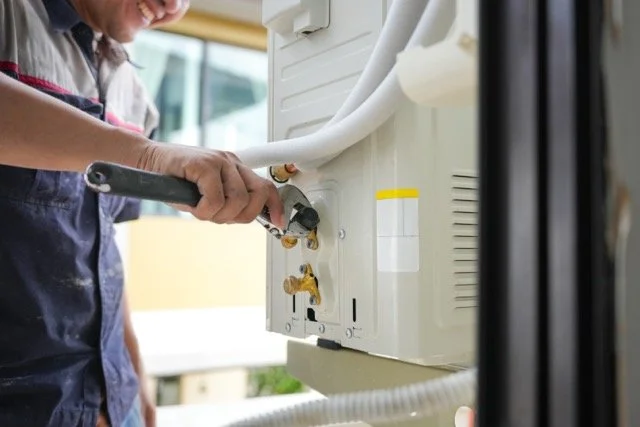
Most compressor problems require a licensed HVAC technician. But there are a few safe checks you can do yourself:
Safe DIY Steps:
- Turn off power at the disconnect box near your outdoor unit before doing anything
- Clear debris from around and inside the unit — leaves, grass clippings, branches
- Check mounting bolts — if they're loose, you can tighten them with a socket wrench
- Inspect the condenser fan — if it's hitting something or has a bent blade, that could be your noise source
- Look for obvious damage — dented panels, disconnected wires, animal damage
What Requires a Licensed Technician:
- Anything involving refrigerant — checking charge levels, finding leaks, adding refrigerant
- Electrical diagnostics and repairs — capacitors, contactors, wiring
- Internal compressor problems — bearings, pistons, valves
- Compressor replacement
Michigan mechanical code requires that anyone working with refrigerant hold EPA 608 certification. HVAC electrical work must be performed by licensed contractors. Attempting these repairs yourself can void equipment warranties, violate code, and create safety hazards.
At NEXT Heating & Cooling, our NATE-certified technicians carry the proper licenses, insurance, and diagnostic equipment to identify compressor problems quickly. We show you exactly what's wrong, explain your options, and give you honest pricing — no upselling equipment you don't need.
When to Repair vs. Replace Your AC Compressor
This is the question every homeowner asks when they hear "compressor problem." Here's the honest cost reality for Metro Detroit in 2026:
Compressor Replacement Cost: $1,200-$3,500 depending on system size, refrigerant type, and labor complexity. This includes the compressor, refrigerant, labor, and EPA-required recovery of old refrigerant.
Full AC System Replacement Cost: $3,500-$7,000 for a complete outdoor condenser unit and indoor evaporator coil, depending on efficiency rating (SEER), size, and brand. Systems from Carrier, Lennox, and Trane typically run higher; Goodman, Bryant, and Rheem systems are more budget-friendly.
So when does it make sense to replace just the compressor versus the whole system?
Replace the Compressor If:
- Your system is less than 7 years old
- It uses modern refrigerant (R-410A, not R-22)
- The rest of the system (coils, fan motor, ductwork) is in good shape
- The compressor is still under manufacturer warranty (parts only — you still pay labor)
Replace the Whole System If:
- Your AC is 10+ years old — you're likely to face other component failures soon
- It uses R-22 refrigerant (phased out in 2020) — refrigerant costs are extremely high and will only increase
- Your system is undersized or oversized for your home — this is common in older Michigan homes where additions were built or ductwork was modified
- You're facing other expensive repairs (leaking coil, bad blower motor, ductwork issues)
- Your energy bills are high — newer systems are 30-40% more efficient than 10-year-old units
We've seen too many homeowners in Clinton Township and Shelby Township spend $2,500 on a compressor replacement only to need a condenser coil six months later, then a blower motor the next summer. At that point, they've spent more than a new system would have cost — and they still have old, inefficient equipment.
A good HVAC contractor will run the numbers with you honestly. We'll tell you when repair makes sense and when replacement is the smarter long-term investment. No commission-based sales pressure — just straight talk about what your home actually needs.
Energy Efficiency Reality: A new 16 SEER AC system uses about 30% less electricity than a 10-year-old 13 SEER unit. For a typical 2,000 sq ft home in Southeast Michigan running AC from June through August, that's $150-$250 in annual savings. Over a 15-year lifespan, that's $2,250-$3,750 in energy savings that offset the cost of a new system.
How Preventive Maintenance Stops Compressor Problems Before They Start
Most compressor failures don't happen suddenly — they develop over time. A spring AC tune-up catches the warning signs before they become expensive emergencies.
Here's what a proper AC maintenance visit includes:
- Electrical testing — capacitor condition, contactor operation, voltage and amperage draw
- Refrigerant check — verify proper charge levels, check for leaks
- Compressor operation — listen for abnormal sounds, measure temperature differential
- Condenser coil cleaning — dirty coils force the compressor to work harder and run hotter
- Vibration dampener inspection — replace worn mounts before they cause noise and damage
- Airflow measurement — restricted airflow from dirty filters or blocked ducts causes compressor problems
Our Next Care Plan includes two annual visits — a fall furnace tune-up and a spring AC tune-up — for just $5/month ($60/year). That's less than one emergency service call, and it includes priority scheduling, 10% off repairs, and no service call fees.
We've tracked the data: homeowners on preventive maintenance plans experience 60% fewer emergency breakdowns and their equipment lasts 3-5 years longer on average. A $1,500 compressor repair or a $4,000 full system replacement avoided pays for decades of maintenance.
Michigan's climate is hard on HVAC equipment. The temperature swings, humidity, and long periods of dormancy stress components in ways that milder climates don't. Regular maintenance isn't optional here — it's the difference between 10 years of service and 18 years.
Compressor Making Noise? We'll Diagnose It Honestly.
NEXT Heating & Cooling has been keeping Michigan homes comfortable for over 35 years. Our NATE-certified technicians will diagnose your compressor problem, explain exactly what's wrong, and give you honest options — repair or replace. No pressure, no upselling, just straight answers.
Schedule Your Service CallFrequently Asked Questions
Sudden loud noise from your AC compressor usually indicates a component has failed or come loose. The most common causes are a failing capacitor (loud buzzing), worn bearings (grinding or screeching), loose mounting hardware (banging), or debris inside the unit (rattling). Turn off your system and call a licensed HVAC technician to diagnose the problem before it causes more damage.
It depends on what's causing the noise. Electrical problems (capacitor, contactor), loose hardware, and debris can usually be repaired for $150-$500. But if the noise is from failed internal compressor components (bearings, pistons, valves), the compressor itself needs replacement at $1,200-$3,500. A technician can diagnose the cause and give you repair vs. replacement options based on your system's age and condition.
AC compressor replacement in Metro Detroit typically costs $1,200-$3,500 in 2026. The price depends on your system size (tonnage), refrigerant type (R-410A is cheaper than R-22), brand, and labor complexity. For systems over 10 years old or using R-22 refrigerant, full system replacement ($3,500-$7,000) is often the smarter long-term investment since other components are likely to fail soon.
Yes. A failing compressor can damage your condenser coil, evaporator coil, and refrigerant lines. When a compressor fails catastrophically, metal debris can circulate through the refrigerant lines and contaminate the entire system. This is why it's critical to address compressor problems immediately — a $400 capacitor repair can prevent a $5,000 full system replacement if caught early.
AC compressors in Michigan typically last 12-18 years with proper maintenance. Michigan's climate is harder on compressors than milder regions because of extreme temperature swings, high humidity in summer, and long dormant periods in winter. Systems that receive annual spring tune-ups (cleaning coils, checking refrigerant, testing electrical components) last significantly longer than systems that are never serviced.
A single click when the compressor starts and stops is normal — that's the contactor engaging. A low hum during startup is also normal. But loud buzzing, grinding, repeated clicking, or banging at startup indicates a problem. Common causes include a failing capacitor (buzzing), bad contactor (clicking), or worn internal components (grinding). If startup noise is new or getting worse, have it checked before the compressor fails completely.
Yes, if you hear grinding, screeching, or loud banging, turn off your AC immediately and call for service. Continuing to run a failing compressor can cause catastrophic damage that spreads to other components, turning a $500 repair into a $3,500+ replacement. Buzzing or humming that's not accompanied by grinding is less urgent, but you should still schedule service within a day or two to prevent further damage.