

Why AC Maintenance Matters for St. Clair Shores' Humid Summers

If you live in St. Clair Shores, you already know summer feels different here than it does twenty miles inland. That sticky, heavy air that settles in by late May and doesn't let up until September isn't just uncomfortable — it's actively destroying your air conditioning system if you're not maintaining it properly.
I've been servicing HVAC systems across Macomb County for over two decades with NEXT Heating and Cooling, and the difference between a well-maintained AC unit and one that's been neglected is stark. In St. Clair Shores specifically, where Lake St. Clair creates a microclimate of persistent moisture, that difference shows up faster and costs more than anywhere else in Southeast Michigan.
This isn't a sales pitch for unnecessary service. This is what happens mechanically when you run an air conditioner in high-humidity conditions without proper maintenance, and why the heating and cooling services Metro Detroit families count on include preventive care as the foundation of system longevity.
Why St. Clair Shores Humidity Is Different
Lake St. Clair sits at 574 feet above sea level, covers 430 square miles, and creates what meteorologists call a "lake-effect humidity zone" that extends roughly three to five miles inland. If your home is in St. Clair Shores, Grosse Pointe Farms, or the lakefront areas of Clinton Township, you're in that zone.
The practical effect: dew points regularly exceed 70°F from June through August. That's the threshold where air feels noticeably sticky and oppressive. On the worst days — usually mid-July through early August — dew points hit 75°F or higher. At that point, your body can't cool itself efficiently through perspiration, and your air conditioner is working overtime just to keep indoor humidity below 60%.
Inland communities like Rochester Hills or Troy might see similar air temperatures, but their dew points typically run 5-8 degrees lower. That difference matters enormously for AC system wear. Your compressor cycles more frequently in high-humidity conditions. Your evaporator coil stays wet longer. Condensate production doubles or triples compared to drier climates. All of that accelerates component wear and creates maintenance issues that don't show up as quickly in less humid areas.
What Humidity Does to Your AC System
Air conditioners don't just cool air — they remove moisture. In St. Clair Shores, the moisture removal workload is significantly higher than the cooling workload on most summer days. Your evaporator coil, which sits inside your furnace or air handler, is where this happens. Warm, humid air passes over the cold coil, water vapor condenses on the coil surface, and that water drains away through a condensate line.
In theory, this works perfectly. In practice, especially in high-humidity environments, several things go wrong:
Evaporator Coil Corrosion and Biological Growth
Aluminum and copper coils corrode faster when they're constantly wet. The condensation process itself is slightly acidic, and when combined with airborne contaminants — dust, pollen, mold spores — it creates a corrosive film on coil surfaces. Over time, this reduces heat transfer efficiency, meaning your system has to run longer to achieve the same cooling effect.
Worse, the constant moisture creates ideal conditions for mold, mildew, and bacteria. These organisms don't just smell bad (that musty odor you notice when the AC first kicks on). They actively degrade coil performance by insulating the metal surfaces that need to transfer heat. A coil covered in biological growth can lose 20-30% of its cooling capacity even if the refrigerant charge and airflow are perfect.
Condensate Drain Clogs
This is the most common AC maintenance issue we see in St. Clair Shores homes. The condensate drain line — typically a 3/4-inch PVC pipe — carries water from the drain pan under your evaporator coil to a floor drain or exterior discharge point. In humid climates, this line produces gallons of water per day.
That constant flow of moisture-laden water creates a perfect environment for algae and slime mold. These organisms grow inside the drain line, gradually restricting flow until the line clogs completely. When that happens, water backs up into the drain pan, triggers the float switch (if your system has one), and shuts down the AC. If your system doesn't have a float switch — and many older units don't — water overflows the pan and damages ceilings, walls, or flooring.
I've seen condensate drain clogs cause $5,000+ in water damage. The irony is that preventing them costs about $15 in annual maintenance chemicals and takes ten minutes during a tune-up. It's similar to the issues discussed in frozen AC coil problems, where small maintenance oversights create cascading failures.
Compressor Strain from Moisture in Refrigerant Lines
This one's less obvious but equally destructive. Refrigerant systems are supposed to be sealed. But over time, vibration, thermal expansion, and simple age create microscopic leaks at flare fittings, valve cores, and brazed joints. In dry climates, these leaks primarily lose refrigerant. In humid climates, they also allow moisture infiltration.
Water inside a refrigerant system is catastrophic. It freezes at the metering device (expansion valve or orifice), restricting refrigerant flow. It reacts with refrigerant and compressor oil to form acids that corrode internal components. It causes compressor bearing wear and eventual failure. Compressor replacement costs $1,800-$3,500 depending on system size and refrigerant type — that's 75% of the cost of a new system.
Proper maintenance includes leak detection and refrigerant pressure testing specifically to catch these issues before moisture infiltration destroys the compressor. Similar diagnostic approaches are used when addressing AC refrigerant leak problems throughout Metro Detroit.
Electrical Component Deterioration
High humidity accelerates corrosion on electrical connections, contactors, and capacitors. The outdoor condensing unit sits in direct weather exposure, and the constant cycle of humid air, morning dew, and thermal expansion creates oxidation on terminals and wire connections.
Corroded connections create electrical resistance, which generates heat, which accelerates further corrosion. Eventually, connections fail completely — often during peak cooling demand on the hottest, most humid days of summer. Replacing a failed contactor or capacitor costs $150-$350 in parts and labor. Replacing the same component during scheduled maintenance costs $80-$120 and prevents an emergency service call on a 95-degree afternoon when you're hosting family.
Real-World Example: Last July, we responded to an emergency call in St. Clair Shores — a 12-year-old Carrier system that had never been professionally maintained. The condensate drain was completely blocked with algae. Water had overflowed the drain pan, soaked through the ceiling below, and damaged drywall in two rooms. The evaporator coil was so covered in mold that airflow was restricted by 40%. The compressor was still running, but refrigerant pressure indicated moisture contamination. Total repair cost: $4,200. If that homeowner had been on our $5/month HVAC maintenance plan, we would have caught and prevented every single one of those issues during routine service.
The Real Cost of Skipping Maintenance
Let's talk numbers, because this is where the value proposition becomes undeniable. Annual AC maintenance from a reliable HVAC contractor in Metro Detroit costs $120-$180 if you're paying per visit, or $60 per year if you're on a preventive maintenance plan like Next Care.
Here's what you're avoiding:
- Compressor replacement: $1,800-$3,500 depending on tonnage and refrigerant type (R-410A vs. R-32). Most compressor failures in humid climates are preventable through proper maintenance.
- Evaporator coil replacement: $1,200-$2,800. Coils corrode from the inside out in high-humidity environments. By the time you notice reduced cooling, the damage is often irreversible.
- Condensate drain water damage: $2,000-$8,000 for ceiling, drywall, and flooring repairs. Homeowners insurance may not cover gradual water damage from maintenance neglect.
- Energy waste: A dirty, unmaintained AC system uses 20-30% more electricity than a properly maintained one. For a typical St. Clair Shores home running AC from May through September, that's $300-$600 in unnecessary utility costs per year.
- Complete system replacement: $5,000-$12,000 depending on system size, efficiency rating, and installation complexity. Systems that receive annual maintenance last 15-20 years. Systems that don't typically fail at 8-12 years.
The math is straightforward. Spending $150-$180 annually on maintenance saves you thousands in repairs and extends system life by 50-100%. In St. Clair Shores' humid climate, where component wear happens faster than inland areas, the return on that maintenance investment is even higher.

What a Proper AC Tune-Up Includes
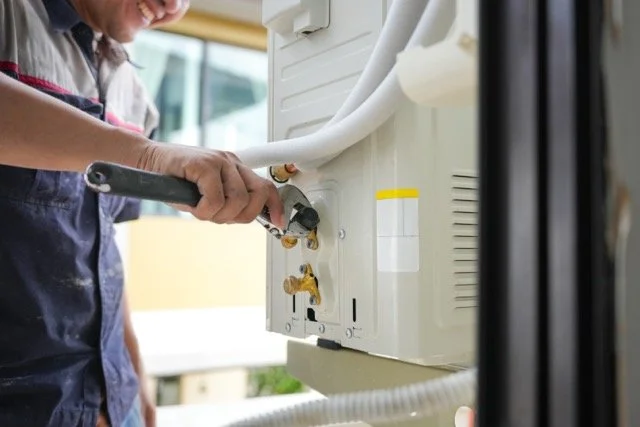
Not all maintenance is equal. A proper AC tune-up for humid-climate operation includes specific tasks that address moisture-related wear. Here's what our NATE-certified technicians do during a comprehensive AC tune-up at a St. Clair Shores home:
Refrigerant Pressure Testing and Leak Detection
We measure suction and discharge pressures with manifold gauges, compare them to manufacturer specifications for current outdoor temperature, and calculate subcooling and superheat values. This tells us if refrigerant charge is correct and whether the system is operating efficiently. If pressures are off, we use electronic leak detectors and UV dye to locate leaks before they allow moisture infiltration.
Evaporator and Condenser Coil Cleaning
Indoor evaporator coils get cleaned with foaming coil cleaner that breaks down biological growth and removes the acidic film that accumulates in humid conditions. Outdoor condenser coils get pressure-washed to remove cottonwood seeds, grass clippings, and the fine layer of dust that restricts airflow. Clean coils transfer heat efficiently. Dirty coils make your compressor work harder and die sooner.
Condensate Drain Clearing and Treatment
We clear the condensate drain line mechanically (either with a wet-dry vacuum or compressed air), then treat it with algaecide tablets that prevent biological growth for the entire cooling season. We also inspect the drain pan for rust, verify that the float switch (if equipped) is functional, and make sure the discharge point isn't creating water intrusion issues at the foundation.
Electrical Connection Inspection and Tightening
Every wire termination gets inspected for corrosion and tightened to manufacturer torque specs. Contactors and capacitors get tested with a multimeter. We're looking for early signs of failure — pitted contactor faces, bulging capacitors, discolored wire insulation — that indicate a component is near end-of-life. Replacing these during scheduled maintenance costs half what emergency replacement costs.
Airflow Measurement and Duct Inspection
We measure supply and return airflow with a manometer or anemometer to verify CFM (cubic feet per minute) matches system design. Low airflow causes evaporator coil icing, high humidity, and compressor short-cycling. If airflow is restricted, we inspect ductwork for disconnections, crushed flex duct, or undersized returns — all common issues in older St. Clair Shores homes with original 1960s-1980s ductwork.
Thermostat Calibration and Programming
We verify thermostat temperature accuracy with a calibrated thermometer, check that cooling anticipator settings are correct (on older mechanical thermostats), and confirm that programmable or smart thermostats are set up for optimal humidity control. In humid climates, longer, slower cooling cycles dehumidify better than short, fast cycles, so thermostat programming matters more than most homeowners realize.
This level of service takes 90-120 minutes for a thorough inspection. Companies offering "$49 tune-ups" aren't doing this work — they're doing visual inspections and trying to upsell you on replacements you may not need. That's not how we operate at NEXT Heating & Cooling, and it's why we've maintained an A+ BBB rating and 5-star customer reviews across Macomb County.
Signs Your AC Needs Immediate Service
Annual maintenance prevents most problems, but sometimes issues develop between service visits. Here are the warning signs that your AC needs immediate attention in St. Clair Shores' humid climate:
Water Pooling Around the Indoor Unit
This means your condensate drain is clogged or your drain pan is rusted through. Either way, water is going somewhere it shouldn't. Shut the system off and call for service immediately. Continuing to run the AC will cause water damage that costs far more than the repair.
Musty or Moldy Odors from Vents
This indicates biological growth on your evaporator coil or in your ductwork. It's not just unpleasant — it's a legitimate indoor air quality issue. Mold spores circulate through your home every time the blower runs. Professional coil cleaning and duct sanitization solve this, but it requires service beyond basic maintenance.
Reduced Cooling Capacity in Humid Weather
If your AC keeps the house comfortable on dry days but struggles when humidity spikes, you likely have a dehumidification problem. This could be undersized equipment, low refrigerant charge, dirty coils, or incorrect airflow. All of these are diagnosable and fixable, but they won't resolve themselves.
Ice Formation on Refrigerant Lines
If you see frost or ice on the large copper line running from your outdoor unit to your indoor unit, shut the system off. Ice formation indicates restricted airflow (dirty filter, dirty coil, blocked return) or low refrigerant. Running the system with ice on the coil will damage the compressor. This is covered in detail in our guide to frozen AC coil diagnosis.
Higher-Than-Normal Utility Bills
If your electric bill spikes without corresponding changes in usage or weather, your AC is working harder than it should. This usually means efficiency has degraded due to maintenance neglect. A tune-up often pays for itself in a single month of reduced energy consumption.
Loud or Unusual Noises
Grinding, squealing, or rattling noises indicate mechanical wear — bearings, belts, or loose components. These problems get worse rapidly and can cause secondary damage if ignored. Our article on AC compressor noise diagnosis covers what different sounds mean and when replacement is necessary versus repairable.
When to Call for Emergency Service: NEXT Heating & Cooling offers 24/7 emergency HVAC service across Macomb County. If your AC fails during a heat wave, if you notice water damage, or if you smell burning or electrical odors, don't wait for business hours. Call us immediately at the number on our main site. We prioritize emergency calls for Next Care Plan members, but we'll respond to any homeowner in St. Clair Shores who needs immediate help.
The Next Care Plan Advantage
We designed the Next Care Plan specifically for Michigan homeowners who want to protect their HVAC investment without thinking about scheduling or remembering when service is due. It costs $5 per month ($60 annually) and includes:
- Two annual home visits: Spring AC tune-up (April-May) and fall furnace tune-up (September-October), scheduled automatically.
- Priority scheduling: Members get first available appointments during peak demand periods and emergency situations.
- 10% discount on repairs: If we find something that needs fixing during maintenance, members get 10% off parts and labor.
- No service call fees: The $89 diagnostic fee is waived for members. If you need service between scheduled maintenance visits, we'll diagnose the problem at no charge.
- Transferable membership: If you sell your home, the Next Care Plan transfers to the new owner — a valuable selling point that realtors appreciate.
For St. Clair Shores homeowners dealing with accelerated component wear from lake-effect humidity, the Next Care Plan isn't optional maintenance — it's essential system protection. The cost is less than two months of the energy savings you'll realize from properly maintained equipment.
We don't use commissioned salespeople. Our technicians aren't incentivized to upsell you on services you don't need. We show you what's wrong, explain why it matters, and give you options. That's the "changing contractor culture" approach that's made NEXT Heating & Cooling the trusted choice across Southeast Michigan for over 35 years.
When to Schedule Your Tune-Up
Timing matters for AC maintenance in humid climates. The ideal window is April through mid-May — after the last freeze risk but before humidity season begins in earnest. This gives you time to address any issues we find before you're relying on the system daily.
If you wait until June, you're scheduling maintenance during peak demand when every HVAC company in Metro Detroit is slammed with service calls. Appointment availability is limited, and if we discover a problem that requires parts or significant repair, you might wait days or weeks for completion while suffering through humid weather without AC.
Next Care Plan members get priority scheduling, which means we reserve appointment slots specifically for annual maintenance before opening our schedule to general service calls. It's one of the most valuable membership benefits, especially for St. Clair Shores residents who can't afford to go without AC during July and August humidity.
For homeowners considering new equipment, spring is also the best time to evaluate whether repair or replacement makes more sense. Our article on choosing the best central air conditioner for Michigan homes covers efficiency ratings, sizing, and what equipment performs best in humid climates. And if you're concerned about upfront costs, we offer flexible financing options that make high-efficiency equipment affordable.
What to Expect During Your Service Visit
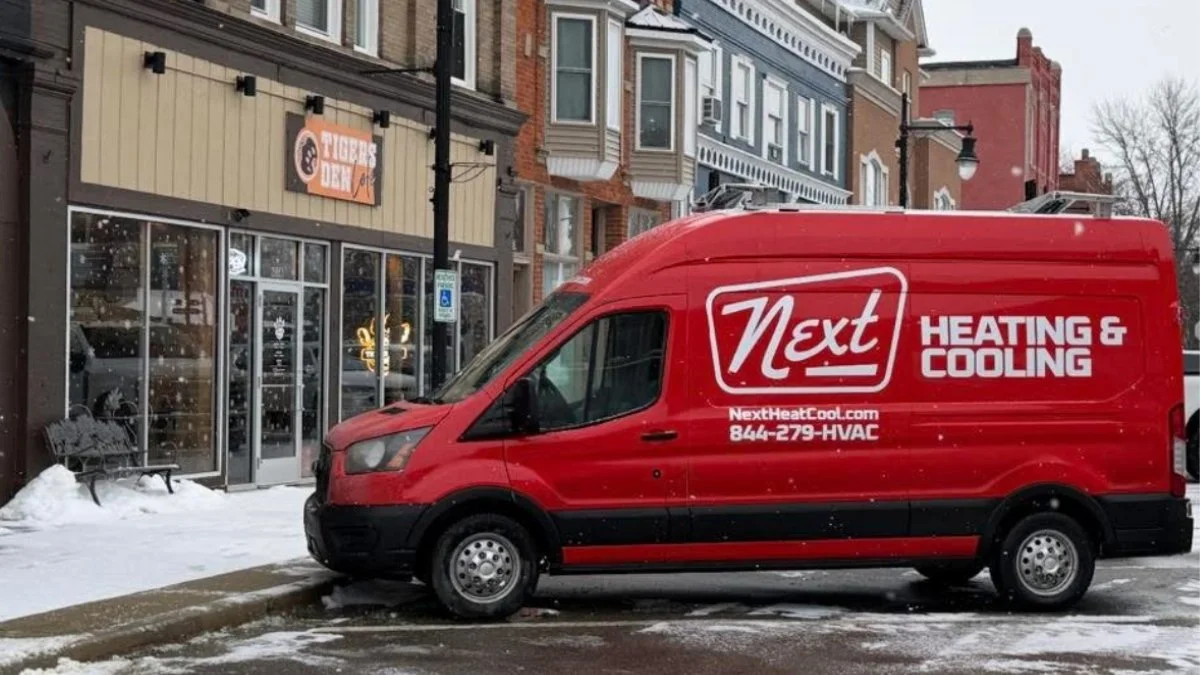
Our technicians arrive in clearly marked vehicles, wearing NEXT Heating & Cooling uniforms, with all necessary tools and test equipment. We'll introduce ourselves, explain what we're going to do, and ask about any concerns you've noticed with system performance.
The actual maintenance takes 90-120 minutes. We work methodically through the checklist described earlier, documenting findings and measurements as we go. If we discover anything that needs attention — a failing capacitor, a small refrigerant leak, corroded electrical connections — we'll show you the issue, explain what it means for system operation, and provide a written estimate for repair.
You're never pressured to approve repairs on the spot. If it's something that can wait until next season, we'll tell you. If it's something that needs immediate attention to prevent system failure or safety hazards, we'll explain why. The decision is always yours.
After service is complete, you'll receive a detailed report documenting what was done, what was found, and any recommendations for future attention. This documentation is valuable for warranty purposes, for home sale disclosure, and for your own records.
Ready to Protect Your AC Investment?
Don't let St. Clair Shores' humid summers destroy your air conditioning system. NEXT Heating & Cooling has been keeping Michigan homes comfortable for over 35 years with honest diagnostics, fair pricing, and NATE-certified technicians who show up on time. Schedule your spring AC tune-up today or join the Next Care Plan for year-round protection and priority service.
Schedule Your AC MaintenanceFrequently Asked Questions
Annual service is the minimum recommendation for any climate. In St. Clair Shores, where lake-effect humidity accelerates component wear, annual spring maintenance (April-May) is essential. If you run your AC heavily from May through September, or if you have indoor air quality concerns, bi-annual service (spring and fall) provides additional protection. The Next Care Plan includes both seasonal tune-ups automatically.
Discount tune-ups are typically visual inspections that take 20-30 minutes and serve primarily as sales opportunities to upsell equipment replacement. Our comprehensive service takes 90-120 minutes and includes refrigerant pressure testing, coil cleaning, condensate drain treatment, electrical testing, airflow measurement, and detailed documentation. We're looking for problems we can fix to extend system life, not problems we can use to sell you a new system.
You can clean the outdoor condenser coil with a garden hose (spray from inside out, never use a pressure washer). The indoor evaporator coil requires disassembly of the furnace or air handler, specialized foaming coil cleaner, and careful reassembly to avoid damaging the coil fins or creating refrigerant leaks. Most homeowners should leave indoor coil cleaning to professionals. However, changing your air filter monthly and keeping the outdoor unit clear of debris are important DIY maintenance tasks.
Air conditioners have two jobs: cooling air and removing moisture. On humid days, the moisture removal workload increases dramatically while the cooling workload may actually decrease (80°F at 80% humidity feels hotter than 90°F at 40% humidity, but the 90-degree day requires more actual heat removal). If your system is undersized, low on refrigerant, or has dirty coils, it may handle the cooling load fine but fail at dehumidification. This is especially common in St. Clair Shores where humidity levels regularly exceed equipment design assumptions.
With annual professional maintenance, quality equipment (Carrier, Lennox, Trane, Rheem, Bryant) should last 15-20 years even in humid climates. Without maintenance, expect 8-12 years before major component failure. The difference is entirely attributable to preventive care — keeping coils clean, refrigerant charge correct, and condensate drains clear. In St. Clair Shores specifically, we see unmaintained systems fail on the shorter end of that range due to accelerated corrosion and biological growth.
First, locate the condensate drain line (usually a 3/4-inch PVC pipe near your furnace or air handler). If it has a cleanout tee or removable cap, you can try clearing it with a wet-dry vacuum applied to the outdoor discharge end. Suck for 60-90 seconds to dislodge the clog. If that doesn't work, or if you're not comfortable doing it yourself, call for service. Don't let the AC continue running with a clogged drain — water damage costs far more than a service call. Next Care Plan members get priority scheduling and no diagnostic fees for situations like this.
Yes. Our NATE-certified technicians are trained on all major residential AC brands including Carrier, Lennox, Trane, Rheem, Bryant, Goodman, Amana, York, and RUUD. We maintain factory authorization with most manufacturers, which means we have access to technical support, training updates, and warranty parts. Whether you have a premium two-stage system or a builder-grade single-stage unit, we have the expertise and parts access to service it properly. We also provide honest assessments about when repair makes sense versus replacement, regardless of brand.