

AC Service Call Costs in Macomb County: What's Reasonable
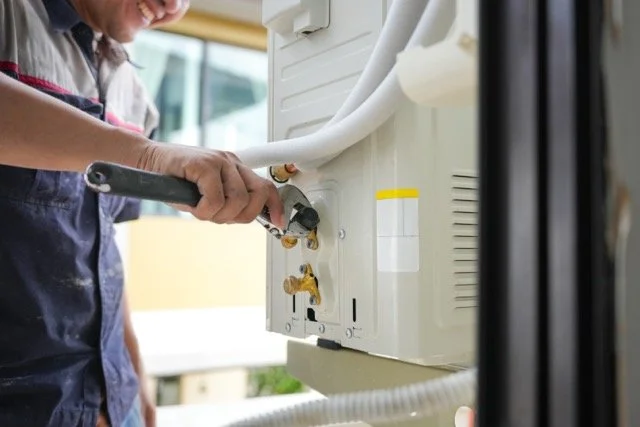
Your AC quit cooling on a humid July afternoon in Sterling Heights. You call a contractor, they send a tech, and an hour later you're handed an invoice that makes you wonder if you just paid for a furnace replacement instead of a simple repair.
Sound familiar? You're not alone. AC service call pricing can feel like a black box—especially when you're comparing quotes from different contractors and trying to figure out what's actually reasonable versus what's just inflated.
We've been providing heating and cooling services in Metro Detroit for over 35 years, and we've seen every pricing model out there. Some are fair. Some aren't. Here's what you should actually expect to pay for an AC service call in Macomb County in 2026—and how to spot the red flags before you get stuck with an unfair bill.
What You're Actually Paying For During an AC Service Call
Let's start by breaking down what happens during a typical AC service call—because understanding what you're paying for makes it easier to evaluate whether the price is fair.
When you schedule an AC service call with a reliable HVAC contractor in Metro Detroit, here's what you're getting:
The Diagnostic Fee
This is the upfront charge to get a technician to your home, diagnose the problem, and provide you with a written estimate for the repair. In Macomb County, diagnostic fees typically range from $89 to $150 depending on the contractor and time of day.
The diagnostic fee covers:
- Travel time and fuel to your home
- The technician's expertise and labor to troubleshoot your system
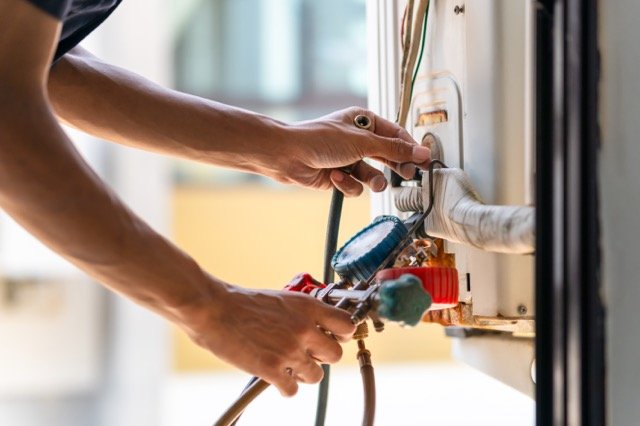
- Testing equipment (multimeters, refrigerant gauges, leak detectors, etc.)
- A written estimate with parts and labor breakdown
Most reputable contractors will waive or credit the diagnostic fee if you approve the repair on the spot. That's standard practice—and it's what we do at NEXT Heating & Cooling.
The Repair Cost
This is separate from the diagnostic fee. Once the technician identifies the problem, they'll give you an estimate for parts and labor to fix it. Repair costs vary widely depending on what's broken—replacing a capacitor is a $150-$300 job, while replacing a compressor can run $1,200-$3,500.
The repair cost includes:
- Parts (capacitors, contactors, refrigerant, motors, etc.)
- Labor to install and test the repair
- Warranty on parts and labor (ask what's covered and for how long)
- Disposal fees for old parts or refrigerant
A licensed Michigan HVAC contractor carries liability insurance, workers' comp, and maintains a state mechanical contractor license—all of which cost money but protect you if something goes wrong. That's built into the price.
Standard AC Service Call Pricing in Macomb County (2026)
Here's what you should expect to pay for common AC service calls in Macomb County in 2026. These are real-world numbers based on what we see across Southeast Michigan—not inflated worst-case scenarios.
Diagnostic Fee Only
If you just need a diagnosis and decide not to proceed with the repair (maybe you're getting multiple quotes, or the repair cost is too high and you're considering replacement), you'll pay the diagnostic fee:
- Standard hours (Monday-Friday, 8am-5pm): $89-$125
- After-hours or weekends: $125-$150
- Emergency service (nights, holidays): $150-$200
If the contractor charges significantly more than this just to show up and diagnose the problem, ask why. There may be a legitimate reason (extremely remote location, specialized equipment needed), but it's worth questioning.
Common AC Repairs and Typical Costs
Here's what you can expect to pay for the most common AC repairs in Macomb County, including parts and labor:
| Repair Type | Typical Cost Range |
|---|---|
| Capacitor replacement | $150-$300 |
| Contactor replacement | $150-$350 |
| Refrigerant leak repair + recharge (R-410A) | $400-$1,200 |
| Refrigerant leak repair + recharge (R-22) | $600-$2,000+ |
| Blower motor replacement | $450-$800 |
| Condenser fan motor replacement | $350-$700 |
| Thermostat replacement | $150-$400 |
| Compressor replacement | $1,200-$3,500 |
| Evaporator coil replacement | $900-$2,500 |
These ranges reflect differences in equipment brands (Carrier, Lennox, Trane, Rheem, Bryant, Goodman, Amana, York, RUUD), system size, and labor complexity. A 2-ton Goodman condenser fan motor costs less than a 5-ton Carrier variable-speed motor.
If you're quoted significantly outside these ranges, ask for a detailed breakdown. Sometimes there's a good reason—maybe your system requires a hard-to-find part, or the repair involves extensive labor. But you deserve to know why.
Next Care Plan members save on service calls: Our $5/month HVAC maintenance plan includes no service call fees and 10% off all repairs. If you need AC service more than once every few years, it pays for itself.
What Drives AC Service Call Costs Up or Down
Not all AC service calls cost the same—even for the same repair. Here's what affects the final price.
System Age and Brand
Older systems (15+ years) often require parts that are harder to source or no longer manufactured. That drives up cost. Similarly, high-end brands like Trane or Carrier sometimes use proprietary parts that cost more than generic equivalents.
If your system is 20 years old and needs a $1,500 repair, that's a signal to start thinking about replacement—not because the repair is unfair, but because you're likely to face more breakdowns soon. We covered this in detail in our guide on when to replace your AC unit in Michigan.
Refrigerant Type: R-22 vs. R-410A
If your AC uses R-22 refrigerant (common in systems installed before 2010), expect higher costs. R-22 was phased out by the EPA in 2020, and the remaining supply is expensive and dwindling. A pound of R-22 can cost $100-$150 or more in 2026, compared to $50-$80 per pound for R-410A.
If your AC needs a refrigerant recharge and it's an R-22 system, that's another sign replacement might make more financial sense than repair. You can read more about this in our post on AC refrigerant leak signs and when to call a pro.
Time of Day and Season
Emergency service calls—nights, weekends, holidays—cost more. That's true across every trade, not just HVAC. If your AC breaks down at 9pm on a Saturday in July, expect to pay a premium for after-hours service.
Similarly, peak season (June through August in Michigan) means higher demand. Some contractors charge more during peak times because their schedules are slammed. If you can wait until shoulder season (May or September), you might save money.
Complexity of the Repair
Some repairs are straightforward—swap a capacitor, test the system, done in 30 minutes. Others require extensive labor: accessing a blower motor in a tight attic, diagnosing an intermittent electrical fault, or recovering and recharging refrigerant after a leak repair.
Labor time drives cost. A $200 part that takes 3 hours to install will cost more than a $400 part that takes 20 minutes.
Red Flags: When AC Service Pricing Isn't Fair
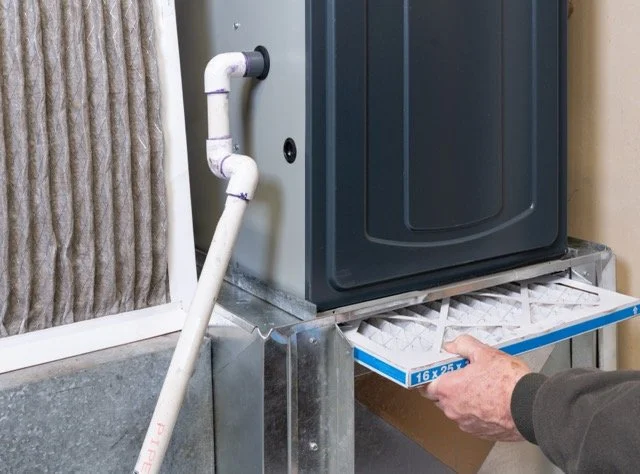
We've been in this business long enough to know what fair pricing looks like—and what doesn't. Here are the warning signs that a contractor might be overcharging or using shady tactics.
Unusually Low Diagnostic Fees
If a contractor advertises a $49 or $59 diagnostic fee, be skeptical. That's often a bait-and-switch tactic—they get in the door cheap, then inflate the repair cost or push you toward an unnecessary replacement.
A legitimate diagnostic visit costs the contractor money (fuel, labor, overhead). If they're charging less than it costs them to show up, they're planning to make it up somewhere else.
Pressure to Replace Instead of Repair
Some contractors are incentivized to sell new equipment—either through manufacturer bonuses or commission structures. If a tech shows up, barely looks at your system, and immediately tells you it's "beyond repair" or "not worth fixing," get a second opinion.
We've seen this play out dozens of times in Clinton Township and Warren: a homeowner calls us for a second opinion after being quoted $8,000 for a new AC, and we fix the problem for $300. Not every system can be saved—but most can, if the failure isn't catastrophic.
At NEXT Heating & Cooling, our technicians aren't on commission. They don't make more money by selling you a new system. That's part of how we're changing contractor culture—honest diagnostics, no upselling.
Vague or Incomplete Estimates
A legitimate estimate should include:
- A clear description of the problem
- Parts needed (brand, model number if available)
- Labor hours or flat-rate pricing
- Warranty on parts and labor
- Total cost, broken down by parts and labor
If the estimate just says "AC repair: $1,200" with no breakdown, that's a red flag. You have a right to know what you're paying for.
Refusing to Provide a Written Estimate
Any contractor who won't put the estimate in writing is not someone you want working on your system. Period. A written estimate protects both you and the contractor—it sets clear expectations and prevents disputes later.
How to Get the Most Value From Your AC Service Call
Here's how to make sure you're getting fair pricing and quality service—before the tech even shows up.
Ask These Questions When You Book the Service Call
- What's your diagnostic fee? Make sure you know the upfront cost.
- Do you waive the diagnostic fee if I approve the repair? Most reputable contractors do.
- Are your technicians licensed and insured? In Michigan, HVAC work requires a mechanical contractor license. Don't hire unlicensed techs.
- Do you provide written estimates? If they say no, hang up and call someone else.
- What's your warranty on parts and labor? A year on labor and manufacturer warranty on parts is standard.
What to Prepare Before the Tech Arrives
Help your technician work efficiently (and avoid extra charges) by doing a little prep:
- Clear the area around your outdoor condenser unit—trim back bushes, move patio furniture, etc.
- Make sure the indoor air handler or furnace is accessible (not blocked by storage boxes in the basement or attic)
- Write down any symptoms you've noticed: strange noises, ice buildup, short cycling, weak airflow, etc.
- Know the age of your system and the brand if possible (check the manufacturer label on the outdoor unit)
The more information you can give the tech upfront, the faster they can diagnose the problem—and the less you'll pay in labor.
Get a Second Opinion on Major Repairs
If you're quoted more than $1,000 for a repair, it's worth getting a second opinion—especially if the first contractor is pushing you to replace the entire system. A second set of eyes can confirm the diagnosis or reveal that the problem is simpler (and cheaper) than you were told.
We do second-opinion diagnostics all the time in Shelby Township and Chesterfield. Sometimes the first contractor was right. Sometimes they weren't. Either way, you'll have peace of mind.
Preventive maintenance saves money: Most AC breakdowns are preventable with regular maintenance. Our Next Care Plan includes two annual tune-ups (spring AC, fall furnace) for $5/month—less than the cost of one emergency service call.
When Repair Costs Mean It's Time to Replace
Sometimes the most reasonable decision isn't to repair your AC—it's to replace it. Here's how to know when you've crossed that line.
The 50% Rule
If the repair cost is more than 50% of the cost of a new AC system, and your current system is more than 10 years old, replacement usually makes more financial sense than repair.
Example: You're quoted $2,000 to replace a compressor on a 14-year-old AC. A new AC system costs $4,500 installed. That's a 50% ratio on an aging system—time to replace, not repair.
We wrote a detailed guide on this decision framework: AC repair vs. replace and the 50% rule.
Age and Efficiency Considerations
Even if the repair cost is below 50%, consider the system's age and efficiency. A 15-year-old AC with a 10 SEER rating is costing you hundreds of dollars per year in wasted energy compared to a modern 16+ SEER system.
If you're facing a $1,200 repair on a 15-year-old system, the math might favor replacement—not because the repair is unfair, but because you'll recover the cost difference in energy savings over the next 5-7 years.
Financing and Rebate Options
If replacement makes sense but the upfront cost is a barrier, ask about financing options. Many manufacturers (Carrier, Lennox, Trane) offer 0% financing for qualified buyers. Additionally, high-efficiency systems may qualify for utility rebates or federal tax credits.
We help homeowners navigate these options every day. It's part of providing honest, no-pressure service—we want you to make the decision that's best for your budget and your home, not the decision that makes us the most money.

Need an AC Service Call in Macomb County?
NEXT Heating & Cooling has been keeping Southeast Michigan homes comfortable for over 35 years. Our NATE-certified technicians provide honest diagnostics, fair pricing, and no-pressure service. Same-day appointments available.
Schedule Your Service CallFrequently Asked Questions
Most reputable HVAC contractors in Macomb County charge between $89 and $125 for a standard diagnostic fee during business hours. After-hours or emergency service typically runs $125-$200. The diagnostic fee should be waived or credited toward the repair if you approve the work on the spot. If a contractor charges significantly more than this just to diagnose the problem, ask for a detailed explanation.
The cost depends on your refrigerant type and whether you have a leak. For R-410A systems (most ACs installed after 2010), a recharge typically costs $200-$500 if there's no leak. If you have a leak that needs repair first, expect $400-$1,200 total. R-22 systems (older units) cost significantly more—$600-$2,000+—because R-22 refrigerant is expensive and scarce after the EPA phase-out. If your R-22 system needs a recharge, it's often a sign to consider replacement instead of repair.
Yes, absolutely. If you're facing a major repair (compressor replacement, evaporator coil, etc.) or if the first contractor is pushing you to replace the entire system, get a second opinion. We do second-opinion diagnostics regularly in Macomb County, and sometimes we find that the problem is simpler and cheaper than the first contractor claimed. Even if the first diagnosis is correct, a second opinion gives you peace of mind and helps you make an informed decision.
In most cases, they're the same thing—it's the upfront charge to get a technician to your home to diagnose the problem. Some contractors call it a "diagnostic fee," others call it a "service call fee" or "trip charge." Regardless of the name, it should cover the technician's time, travel, and troubleshooting work. Reputable contractors will waive or credit this fee if you approve the repair. Members of our Next Care Plan don't pay service call fees at all—just the cost of parts and labor for the actual repair.
Use the 50% rule: if the repair cost is more than 50% of the cost of a new AC system, and your current system is over 10 years old, replacement usually makes more financial sense. For example, if you're quoted $2,000 to replace a compressor on a 14-year-old AC, and a new system costs $4,500 installed, that's a 50% ratio on an aging system—time to replace. Also consider efficiency: older systems (10+ SEER) waste hundreds of dollars per year in energy compared to modern 16+ SEER units. We help homeowners work through this decision without pressure—our techs aren't on commission, so they have no incentive to upsell you.
Yes. In Michigan, HVAC work requires a state mechanical contractor license issued by the Department of Licensing and Regulatory Affairs (LARA). The contractor must also carry liability insurance and workers' compensation coverage. Always ask to see proof of licensing and insurance before hiring an HVAC contractor. Unlicensed techs may charge less, but you have no recourse if they damage your system or get injured on your property. NEXT Heating & Cooling is fully licensed, insured, and BBB A+ accredited.
Preventive maintenance is the best way to avoid breakdowns and expensive repairs. A spring AC tune-up catches small problems (dirty coils, worn contactors, low refrigerant) before they turn into major failures. Our Next Care Plan includes two annual tune-ups (spring AC, fall furnace) for just $5/month, plus priority scheduling and 10% off repairs. Most AC breakdowns we see in Macomb County—capacitor failures, refrigerant leaks, blower motor issues—could have been prevented or caught early with regular maintenance.