

Electric Furnace Not Heating? Common Causes and Fixes
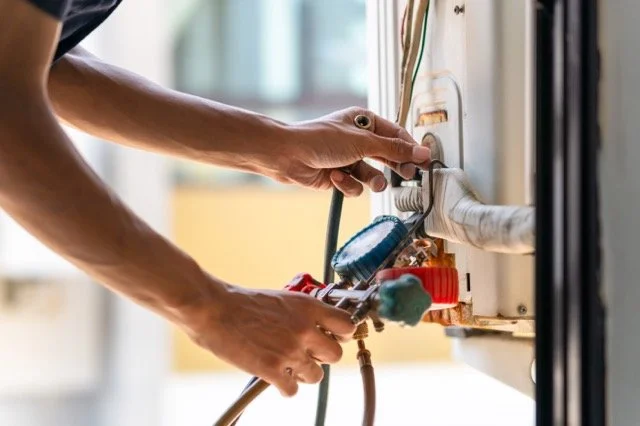
You wake up to a cold house in Sterling Heights. The thermostat says 58 degrees. You set it to 72 last night. The electric furnace is running, the blower is moving air, but nothing is warm. This is a common call we get at NEXT Heating & Cooling during Michigan winters, and the good news is that many electric furnace issues have straightforward causes.
Electric furnaces are simpler than gas furnaces in some ways. No burners, no pilot lights, no combustion. But they still have critical components that can fail, and when they do, you lose heat fast. We have been diagnosing and repairing electric furnaces across Macomb, Oakland, and St. Clair counties for over 35 years. Here is what we see most often when an electric furnace stops heating, what you can check yourself, and when it is time to call a licensed technician.
How Electric Furnaces Work
Understanding the basics helps you troubleshoot smarter. An electric furnace heats your home using resistance coils, similar to the heating elements in an electric oven or space heater. When your thermostat calls for heat, it sends a signal to the furnace control board. The control board then activates a component called a sequencer.
The sequencer is critical. Electric furnaces typically have multiple heating elements (often three to seven coils depending on the size of the unit). These coils draw significant amperage, sometimes 20 to 30 amps each. If all the coils turned on at once, they would trip your circuit breaker immediately. The sequencer staggers the activation of each heating element, turning them on one at a time with a delay of 5 to 10 seconds between each stage. This prevents electrical overload and allows the furnace to ramp up heat gradually.

Once the heating elements are energized, the blower motor kicks in (or increases speed if it was already running in circulation mode). The blower pushes air across the hot coils, and that heated air moves through your ductwork and into your rooms. A limit switch monitors the temperature inside the furnace cabinet. If the temperature gets too high (usually because of restricted airflow from a clogged filter or failed blower), the limit switch cuts power to the heating elements to prevent overheating and potential fire hazards.
When the thermostat is satisfied and stops calling for heat, the heating elements shut off. The blower continues to run for another minute or two to clear residual heat from the cabinet, then shuts down. This is normal operation.
Common Causes of Electric Furnace Not Heating
When your electric furnace stops producing heat, the problem usually falls into one of these categories. We see these issues regularly in homes across Clinton Township, Troy, and Warren.
Tripped Breaker or Blown Fuse
Electric furnaces run on 240-volt circuits with double-pole breakers. These breakers can trip because of power surges, age, or internal component faults. If the breaker trips, the furnace loses power completely or loses power to the heating elements while the blower still runs. This is the most common cause of an electric furnace not heating, and it is the first thing we check on service calls.
Thermostat Problems
A malfunctioning thermostat can fail to send the signal to turn on the heating elements. Dead batteries (if your thermostat is battery-powered), loose wiring at the thermostat or furnace terminal block, or a miscalibrated sensor can all prevent the furnace from heating. If your thermostat is more than 10 years old, the internal relay may be failing.
Failed Heating Element
Heating elements burn out over time. When one element fails, you might still get some heat, just not enough to keep up with Michigan winter temperatures. If all elements fail, you get no heat at all. Heating elements fail because of age, voltage spikes, or manufacturing defects. Replacement is straightforward but requires working with live electrical circuits.
Faulty Sequencer
The sequencer controls when each heating element turns on. If the sequencer fails, the heating elements may not activate at all, or only some of them activate. A bad sequencer often produces intermittent heat or weak heat. We replace sequencers regularly in electric furnaces that are 10 to 15 years old.
Limit Switch Tripped
The limit switch is a safety device. If airflow is restricted (usually because of a clogged filter or failed blower motor), the temperature inside the furnace cabinet rises too high. The limit switch cuts power to the heating elements to prevent overheating. The blower continues to run, but no heat is produced. Once the cabinet cools down, the limit switch resets automatically, but if the underlying airflow problem is not fixed, the cycle repeats.
Blower Motor Failure
If the blower motor fails completely, the furnace may still energize the heating elements, but no air moves through the system. The limit switch will trip within seconds to prevent overheating. You might hear clicking sounds or smell a faint electrical odor. Blower motor failure is less common than other issues, but it happens, especially in furnaces older than 15 years.
Clogged Air Filter
A severely clogged filter restricts airflow to the point where the limit switch trips repeatedly. This is one of the most preventable causes of heating failure. If you cannot remember the last time you changed your filter, this is likely your problem. We recommend checking filters monthly during heating season and replacing them every 1 to 3 months depending on household conditions (pets, dust, occupancy).
DIY Troubleshooting Steps
Before calling for furnace repair services in Metro Detroit, there are a few things you can check safely. These steps take less than 10 minutes and solve the problem in about 30 percent of the cases we see.
Step 1: Check the Electrical Panel
Go to your main electrical panel and look for breakers labeled for your furnace. Electric furnaces typically have one or two double-pole breakers (they look like two switches connected together). If a breaker is tripped, it will be in the middle position or slightly off-center. Reset it by switching it fully to the OFF position, then back to ON. If the breaker trips again immediately, do not keep resetting it. This indicates a short circuit or ground fault inside the furnace, and you need a licensed technician.
Step 2: Verify Thermostat Settings
Confirm your thermostat is set to HEAT mode, not COOL or OFF. Set the temperature at least 5 degrees above the current room temperature. If your thermostat uses batteries, replace them. Check that the thermostat display is lit and responsive. If the display is blank, the thermostat has no power, which could indicate a wiring issue or a blown fuse on the furnace control board.
Step 3: Inspect and Replace the Air Filter
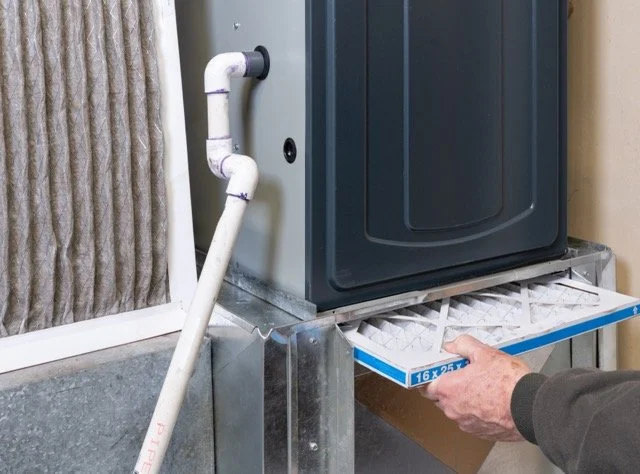
Locate your furnace air filter (usually in a slot near the blower cabinet or in a return air grille). Pull it out and hold it up to a light. If you cannot see light through the filter, it is clogged. Replace it with a new filter of the same size. Do not run the furnace without a filter. This is the single most common maintenance mistake we see, and it causes expensive repairs down the road.
Step 4: Reset the Furnace
Find the electrical disconnect switch near your furnace (it looks like a light switch, often in a metal box on the wall or on the side of the furnace). Turn it OFF. Wait 60 seconds. Turn it back ON. This allows the furnace control board to reset and can clear temporary faults. Wait 5 minutes and check if heat is coming from your vents.
Step 5: When to Stop
If none of these steps restore heat, stop troubleshooting. Do not remove panels from the furnace cabinet. Do not test electrical components with a multimeter unless you are trained and licensed. Electric furnaces operate on 240 volts, which is lethal. One wrong move can kill you or start a fire. At this point, you need a licensed HVAC contractor in Metro Detroit who carries the proper tools, meters, and insurance.
Michigan Safety Note: Michigan law requires anyone working on HVAC systems to hold a Michigan Mechanical Contractor License. DIY repairs beyond filter changes and thermostat batteries can void warranties, violate local codes, and create serious safety hazards. If you are in doubt, call a professional.
When to Call a Licensed HVAC Technician
Certain situations require immediate professional diagnosis. If you experience any of the following, do not wait.
Burning smell: A faint dusty smell when you first turn on the furnace after months of inactivity is normal. A strong burning smell, especially plastic or electrical, is not. Shut off the furnace and call for service immediately.
Sparking or arcing sounds: If you hear popping, crackling, or see flashes of light from the furnace cabinet, shut off the breaker and call a technician. This indicates a serious electrical fault.
Repeated breaker trips: If the breaker trips more than once after resetting, the furnace is drawing too much current. This can be caused by a failed heating element, bad sequencer, or short circuit in the wiring.
No heat after filter change and reset: If you have replaced the filter, reset the furnace, and verified the thermostat settings, but still have no heat, the problem is internal and requires diagnostic equipment.
Furnace older than 15 years with recurring issues: If your electric furnace is 15 to 20 years old and you are calling for repairs every season, it is time to have a conversation about replacement. We see this frequently in older homes in Royal Oak and Grosse Pointe Farms where the original furnace is still running but barely.
Our NATE-certified HVAC technicians carry diagnostic tools that measure voltage, amperage, and resistance across every circuit in your furnace. We can pinpoint the exact failed component in minutes, not hours. We also carry common replacement parts on our trucks, so many repairs are completed the same day.
Cost Reality: Repair vs. Replacement
Electric furnace repairs in Southeast Michigan typically range from $150 to $600 depending on the component. Here is what we see most often:
- Heating element replacement: $200 to $400 per element, including labor
- Sequencer replacement: $150 to $300
- Limit switch replacement: $150 to $250
- Blower motor replacement: $400 to $800 depending on motor type and horsepower
- Control board replacement: $300 to $600
- Thermostat replacement: $150 to $400 depending on model and features
If your furnace is less than 10 years old, repairs almost always make financial sense. If your furnace is 15 to 20 years old, you need to weigh repair costs against replacement. A new electric furnace installed in a typical Michigan home costs $2,500 to $5,000 depending on size, efficiency, and ductwork modifications. If you are facing a $600 repair on a 17-year-old furnace, replacement may be the smarter long-term investment.
Electric furnaces have a typical lifespan of 15 to 20 years with proper maintenance. After 15 years, expect more frequent repairs. Components wear out. Electrical contacts corrode. Efficiency drops. If you are calling for service every year, the total cost of those repairs over 3 to 5 years often exceeds the cost of a new furnace.
Heat Pump Alternative: If you are considering replacing an aging electric furnace, ask about heat pumps. Modern cold-climate heat pumps work efficiently in Michigan winters down to -10°F and can reduce heating costs by 30 to 50 percent compared to electric resistance heat. We have installed hundreds of heat pumps across Macomb and Oakland counties, and the technology has improved dramatically in the past five years. Read more about heat pump performance in Michigan winters.
Preventative Maintenance for Electric Furnaces
Electric furnaces require less maintenance than gas furnaces, but they still need annual attention. We recommend a professional tune-up every fall before heating season. During a tune-up, a qualified technician will:
- Test voltage and amperage at each heating element
- Inspect sequencer operation and timing
- Test limit switch calibration
- Lubricate blower motor bearings (if applicable)
- Inspect and tighten all electrical connections
- Check thermostat calibration and wiring
- Measure airflow and static pressure in the duct system
- Replace or clean the air filter
- Inspect ductwork for leaks or disconnected sections
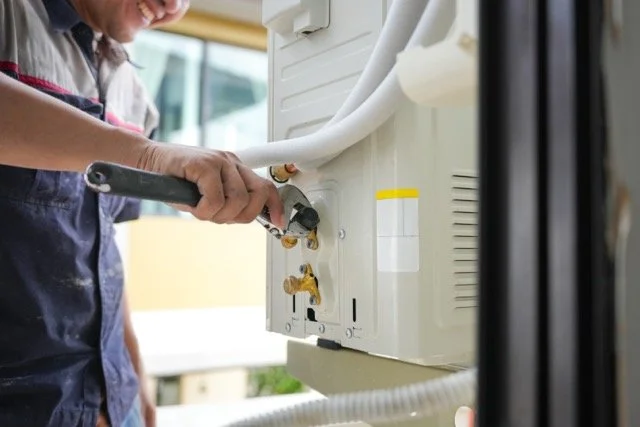
A professional tune-up catches small problems before they become expensive failures. We have found loose electrical connections that would have arced and started a fire within weeks. We have replaced aging sequencers that were on the verge of failure. We have identified undersized ductwork that was causing the limit switch to trip repeatedly. These are things you cannot see or test without the right tools and training.
The Next Care Plan covers two annual tune-ups (one for heating in the fall, one for cooling in the spring) for $5 per month. That is $60 per year for preventative maintenance that typically prevents $500 to $2,000 in emergency repairs. Members also get priority scheduling, 10 percent off repairs, and no service call fees. For electric furnace owners, the fall tune-up alone is worth the annual cost.
Between professional tune-ups, check your filter monthly. Set a reminder on your phone. A clean filter is the single most important thing you can do to keep your electric furnace running reliably. It is also the cheapest maintenance task. A basic pleated filter costs $5 to $15 and takes 30 seconds to replace.
Ready to Get Started?
NEXT Heating & Cooling has been keeping Michigan homes comfortable for over 35 years. Get honest diagnostics and fair pricing from NATE-certified technicians who show up on time. No upselling. No pressure. Just straight answers and quality work.
Schedule Your ServiceFrequently Asked Questions
If the blower is running but the air is cold, the heating elements are not energizing. Common causes include a tripped breaker, failed heating element, bad sequencer, or tripped limit switch. Check your electrical panel first. If the breaker is not tripped, the issue is internal and requires a technician. This is similar to issues covered in our guide on why furnaces short cycle in Michigan.
Electric furnaces typically last 15 to 20 years with proper maintenance. Michigan winters put significant demand on heating systems, so regular tune-ups and filter changes are critical. After 15 years, expect more frequent repairs. If your furnace is approaching 20 years old, start planning for replacement even if it is still working.
No. Replacing a heating element requires working with 240-volt circuits, which is extremely dangerous without proper training and tools. Michigan law requires HVAC work to be performed by licensed contractors. DIY heating element replacement can result in electrocution, fire, voided warranties, and code violations. Always hire a licensed technician for component replacement.
Repeated breaker trips indicate the furnace is drawing too much current. This can be caused by a failed heating element that is shorting to ground, a bad sequencer that is activating multiple elements simultaneously, or loose wiring creating resistance and heat. Do not keep resetting the breaker. Call a technician immediately. Continued operation can damage the furnace control board or start a fire.
Clogged air filters are the most common problem we see. A dirty filter restricts airflow, causing the limit switch to trip and shut down the heating elements. The second most common issue is tripped breakers, often caused by power surges or aging electrical components. Both are preventable with regular maintenance. If you are dealing with recurring issues, consider enrolling in a $5/month HVAC maintenance plan to catch problems early.
If your electric furnace is nearing the end of its lifespan, a heat pump is worth considering. Modern cold-climate heat pumps work efficiently in Michigan winters and can cut heating costs by 30 to 50 percent compared to electric resistance heat. Heat pumps also provide air conditioning in summer, eliminating the need for a separate AC unit. We have installed hundreds of heat pumps in Southeast Michigan over the past few years, and the technology has proven reliable in our climate. Learn more about heat pump performance in Michigan winters.
Emergency service calls typically include a trip charge of $100 to $150, plus diagnostic fees and repair costs. Total costs for common repairs range from $250 to $800 depending on the component and time of day. We offer 24/7 emergency service across Macomb, Oakland, and St. Clair counties. Members of the Next Care Plan receive priority scheduling and waived service call fees, which can save $100 or more on emergency repairs. For more guidance on handling heating emergencies, see our article on emergency furnace repair in Metro Detroit.