

Fast AC Repair in Goodison, MI | NEXT Heating & Cooling
Your AC just stopped working. It's 87 degrees outside, 82 inside, and climbing. You're searching for "AC repair near me" on your phone while standing in front of a box fan that's doing absolutely nothing.
Here's what you need to know: fast AC repair in Goodison isn't about the technician who shows up quickest — it's about the one who diagnoses the problem correctly the first time, has the parts in their truck, and fixes it right so you're not calling again next week.
We've been repairing air conditioners across Oakland County for over 35 years. Goodison homes — many built in the 1960s and 70s with original ductwork and aging electrical panels — present specific cooling challenges that require more than a generic service call. When a homeowner in Goodison calls us for heating and cooling services in Metro Detroit, we show up with diagnostic tools, a fully stocked truck, and the experience to handle whatever we find in your basement mechanical room.
This guide walks you through what actually happens during a professional AC repair, the most common failures we see in this area, and how to tell whether your system needs a repair or a replacement. No sales pitch — just the technical reality from techs who've spent Michigan summers keeping homes comfortable.
What Makes AC Repair "Fast" vs. "Rushed"
There's a difference between fast service and rushed service. Fast means the technician arrives quickly, diagnoses accurately, and completes the repair in one visit. Rushed means they show up, guess at the problem, and either misdiagnose it or tell you that you need a whole new system because they don't want to troubleshoot.
Here's what actually makes AC repair fast:
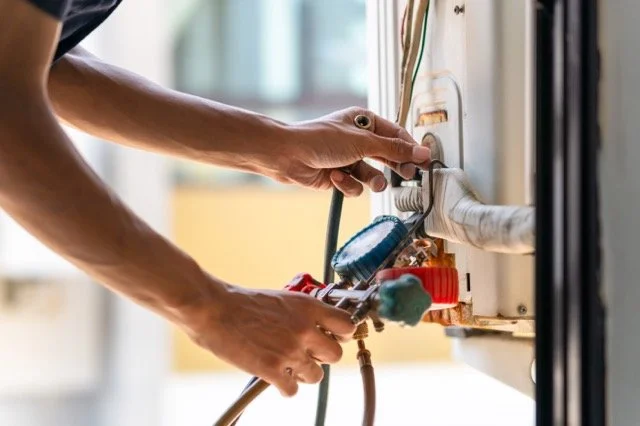
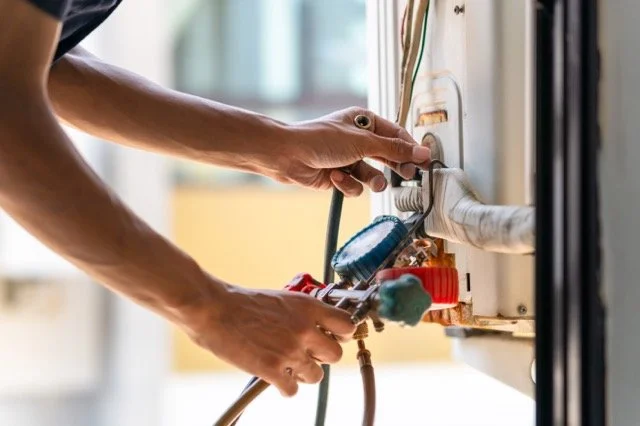
Proper Diagnostics Save Time. A NATE-certified technician doesn't start replacing parts randomly. They use manifold gauges to check refrigerant pressures, multimeters to test electrical components, and thermal imaging to identify airflow problems. This takes 20-30 minutes up front, but it prevents the "replace three parts and hope one fixes it" approach that wastes your money and time.
Having Parts in Stock. The most common AC failures in Michigan involve capacitors, contactors, and refrigerant leaks. Our service trucks carry these components for Carrier, Lennox, Trane, Rheem, Bryant, Goodman, and Amana systems — the brands most Goodison homes have installed. When we diagnose a failed dual-run capacitor on a Carrier system, we replace it on the spot. You're not waiting three days for a part to arrive.
Experience With Michigan-Specific Issues. AC systems in Southeast Michigan deal with conditions that units in Arizona or Florida never see. We get temperature swings from 55°F mornings to 90°F afternoons in June. We get lake-effect humidity that loads up evaporator coils. We get power surges from summer storms that fry capacitors and control boards. A technician who understands these patterns diagnoses faster because they know what to look for.
When you call a reliable HVAC contractor in Metro Detroit like NEXT Heating & Cooling, you're getting technicians who have repaired thousands of AC units across Macomb and Oakland counties. We've seen the same failures in similar homes, and that pattern recognition speeds up the diagnostic process without cutting corners.
The 5 Most Common AC Problems We Fix in Goodison
These are the failures we see most often in Goodison service calls, listed in order of frequency:
1. Capacitor Failures
The capacitor is a small cylindrical component that provides the electrical jolt needed to start the compressor and fan motors. It's the single most common AC failure point — accounting for about 40% of our summer service calls. Capacitors fail from age, heat, and voltage spikes. A failed capacitor means your outdoor unit hums but won't start, or it starts and stops repeatedly.
Replacement takes about 15 minutes once diagnosed. Cost: typically $150-$300 including the service call. If your AC is older than 8 years and has never had the capacitor replaced, it's overdue.
2. Refrigerant Leaks
Your AC doesn't "use up" refrigerant — it circulates the same charge for the system's entire life. If the refrigerant level is low, there's a leak. Common leak points include the evaporator coil (especially on systems older than 12 years), the service valve connections, and the condenser coil (from lawn equipment damage or corrosion).
We locate the leak using electronic leak detectors or UV dye, repair it, vacuum the system to remove moisture and air, and recharge it to the manufacturer's specification. This process takes 2-4 hours depending on leak location. If your system uses R-22 refrigerant (phased out in 2020), recharging is expensive — often $100+ per pound — and may indicate it's time to replace rather than repair.
For more on repair costs, see our guide on AC repair costs in Metro Detroit.
3. Frozen Evaporator Coils
If you see ice forming on the copper lines running to your outdoor unit, your evaporator coil is frozen. This happens for three reasons: restricted airflow (dirty filter, closed vents, blocked return), low refrigerant charge, or a failed blower motor. The system can't remove heat effectively, so condensation freezes on the coil.
We thaw the coil (which takes 1-2 hours), identify the root cause, and fix it. Often it's as simple as replacing a clogged filter and cleaning the coil. Sometimes it's a refrigerant leak or blower motor issue that requires more extensive repair. Never run the AC while the coil is frozen — you'll damage the compressor.
4. Compressor Failures
The compressor is the heart of the AC system — it pressurizes refrigerant and pumps it through the cycle. When it fails, the outdoor unit runs but produces no cooling. Compressor failure is usually caused by electrical issues (bad capacitor, contactor, or wiring), refrigerant problems (overcharge, undercharge, or contamination), or simply age and wear.
Compressor replacement is expensive — typically $1,500-$3,000 depending on the system size and refrigerant type. If your AC is older than 12 years and the compressor fails, replacement of the entire system is often the smarter financial decision. We'll walk you through the cost comparison honestly. Our article on AC compressor noise issues covers this in more detail.
5. Electrical Failures (Contactors, Relays, Control Boards)
AC systems have multiple electrical components that switch high-voltage power to the compressor and fan motors. Contactors (electrical relays) wear out from repeated cycling and can weld shut or fail to close. Control boards can fail from power surges, moisture, or component failure. These issues often present as intermittent operation — the system works sometimes but not others.
Electrical diagnosis requires a multimeter and wiring diagram. We test voltage, continuity, and amperage draw to isolate the failed component. Replacement is straightforward once diagnosed, usually 30-60 minutes. Cost varies by part but typically $200-$600.
Why Goodison AC Units Fail (Local Conditions Matter)
Goodison sits in northern Oakland County, close enough to the lakes to get humidity but far enough inland to see temperature extremes. The housing stock skews older — many homes were built in the 1960s through 1980s with original or aging HVAC systems. These local factors create specific AC failure patterns:
Humidity Loads Evaporator Coils. Southeast Michigan summers are humid. When outdoor air hits 85°F with 70% humidity, your AC works harder to remove moisture than to lower temperature. That moisture condenses on the evaporator coil. If the coil isn't draining properly (clogged condensate line, failed pump), you get water backup, mold growth, and eventually a frozen coil.
Temperature Swings Stress Components. June mornings in Michigan can be 55°F, afternoons 90°F. Your AC cycles on and off repeatedly as outdoor temperature climbs. Each start cycle stresses the compressor and capacitor. Systems in climates with steadier temperatures cycle less and often last longer. Michigan AC units work harder.
Older Ductwork Leaks Conditioned Air. Many Goodison homes have original sheet metal ductwork in unconditioned attics or crawlspaces. Decades of expansion and contraction create gaps at seams and joints. Leaky ducts force your AC to run longer to maintain temperature, which accelerates wear on components and drives up energy bills. We often find 20-30% of conditioned air leaking before it reaches living spaces.
Power Surges From Summer Storms. Michigan summer storms bring lightning, voltage spikes, and brief outages. These events fry capacitors, contactors, and control boards. If your AC stops working the day after a thunderstorm, electrical component failure is the likely cause. Whole-home surge protection helps, but many older Goodison homes don't have it installed.
If you're experiencing issues like AC running but no air from vents, ductwork problems are often the culprit in older Michigan homes.
What to Expect During an AC Repair Call
Here's what happens when you schedule AC repair with NEXT Heating & Cooling:
Initial Phone Call. You describe the symptoms — no cooling, strange noises, ice on the lines, etc. We ask about the age of the system, when the problem started, and whether you've changed the filter recently. This helps us prepare the truck with likely parts and diagnostic tools. We schedule a service window and confirm pricing for the diagnostic visit.
On-Site Diagnostics (20-45 minutes). The technician arrives, introduces themselves, and asks you to show them the thermostat and outdoor unit. They'll check the thermostat settings, verify power to the system, and inspect the indoor air handler and outdoor condenser. They'll use gauges to check refrigerant pressures, a multimeter to test electrical components, and visual inspection to identify obvious issues (dirty coils, failed capacitors, damaged wiring).
Transparent Pricing Before Work Begins. Once we identify the problem, we explain what's wrong, what needs to be fixed, and what it costs. You get a written estimate before we touch a wrench. No surprise charges. No upselling unnecessary equipment. If the repair cost approaches 50% of replacement cost and the system is older than 12 years, we'll tell you that and explain your options. Our technicians aren't on commission — they have no incentive to sell you anything you don't need.
For help evaluating contractors, read our guide on how to vet HVAC contractors in Detroit.
Repair Completion (30 minutes to 3 hours depending on issue). Most repairs — capacitor replacement, contactor replacement, filter changes, condensate line clearing — take under an hour. Refrigerant leak repairs, compressor replacements, or control board swaps take longer. We clean up after ourselves, test the system under load, and verify proper operation before we leave.
Follow-Up and Warranty. You get a detailed invoice explaining what we did and what parts we replaced. Parts and labor are warrantied (warranty terms depend on the component — we'll explain this clearly). We'll recommend a maintenance schedule to prevent future failures and answer any questions about system operation or efficiency.
Same-Day Service When Possible: If you call before noon and we have availability, we aim for same-day service during the cooling season. Emergency service is available 24/7 for complete system failures during heat waves. You're not waiting three days to get your cooling back.
When to Repair vs. Replace Your AC
This is the question every homeowner asks when facing an expensive repair: do I fix this or replace the whole system?
Here's the honest decision framework we use:
Age of the System. The average lifespan of a central AC in Michigan is 12-15 years with proper maintenance, 10-12 years without. If your system is under 8 years old, repair almost always makes sense unless there's catastrophic damage. If it's 8-12 years old, compare the repair cost to replacement cost. If it's over 12 years old and facing a major repair (compressor, coil, multiple components), replacement is usually smarter.
Cost Threshold: The 50% Rule. If the repair cost exceeds 50% of the cost of a new system and the unit is over 10 years old, replace it. Example: a compressor replacement costs $2,500. A new AC system costs $4,500. The system is 13 years old. Replace it — you're spending more than half the cost of new equipment on a system that's near the end of its life anyway.
Efficiency Gains. Older AC systems operate at 10-12 SEER (Seasonal Energy Efficiency Ratio). New systems are 14-16 SEER minimum, with high-efficiency models reaching 18-20 SEER. Upgrading from a 10 SEER to a 16 SEER system can cut cooling costs by 30-40%. If your current system is inefficient and you're facing a major repair, the energy savings from a new system help offset the replacement cost over time.
Compare options in our article on heat pump vs. central air in Michigan.
R-22 Refrigerant Phase-Out. If your AC uses R-22 refrigerant (common in systems installed before 2010), replacement makes more sense than repair. R-22 production ended in 2020, and prices have skyrocketed — often $100+ per pound. Recharging a system can cost $800-$1,500 just for refrigerant. New systems use R-410A, which is cheaper and more environmentally friendly.
Frequency of Repairs. If you've called for AC repair three times in the past two years, the system is telling you it's done. Repeated failures indicate aging components throughout the system. You're better off replacing it than continuing to patch failures as they occur.
Need AC Repair in Goodison?
NEXT Heating & Cooling provides fast, honest AC repair across Oakland County. NATE-certified technicians, transparent pricing, and same-day service when possible. Call us before the heat wave hits.
Schedule Your RepairHow to Prevent Emergency AC Repairs
Most AC failures are preventable. Here's what actually works:
Seasonal Maintenance Catches Small Problems. A spring AC tune-up includes cleaning the condenser coil, checking refrigerant pressures, testing electrical components, lubricating motors, and inspecting the condensate drain. The technician identifies worn capacitors, dirty coils, and refrigerant leaks before they cause a breakdown. The cost of a tune-up ($120-$180) is far less than an emergency repair call in July ($300-$800).
Our $5/month HVAC maintenance plan includes two annual tune-ups (spring AC, fall furnace), priority scheduling, and 10% off repairs. It's the most cost-effective way to prevent emergency failures.
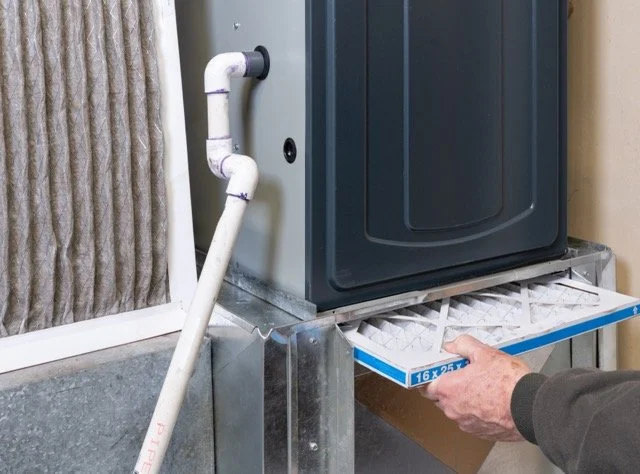
Change Filters Monthly During Cooling Season. A dirty filter restricts airflow, which causes the evaporator coil to freeze, the blower motor to overheat, and the entire system to work harder. Filters cost $3-$8. Frozen coil repairs cost $300-$600. Change the filter every 30 days when the AC runs regularly. Set a phone reminder if you forget.
Keep the Outdoor Unit Clear. The condenser needs airflow to reject heat. Grass clippings, leaves, and landscaping debris block the coil and reduce efficiency. Maintain at least 2 feet of clearance on all sides. Trim shrubs and plants back. Hose off the coil once a year to remove dirt and cottonwood seeds (common in Michigan).
Address Problems Immediately. If your AC starts making unusual noises, blowing warm air, or cycling on and off rapidly, call for service. Small problems become expensive failures when ignored. A failing capacitor costs $150-$300 to replace. Ignoring it can damage the compressor, which costs $1,500-$3,000. Early intervention saves money.
For more preventative tips, see our guide on preparing your AC for Michigan summer heat.
Install Surge Protection. Whole-home surge protectors defend against voltage spikes from lightning and grid fluctuations. They cost $300-$500 installed and protect all your home's electronics and appliances — not just the AC. Given the frequency of summer storms in Michigan, surge protection pays for itself the first time it prevents a $600 control board replacement.
Upgrade Your Thermostat. Programmable and smart thermostats prevent the AC from running unnecessarily, reduce cycling frequency, and provide alerts when filters need changing or systems need service. A quality programmable thermostat costs $150-$250 installed. Smart thermostats (Ecobee, Honeywell Home, Carrier Cor) cost $250-$400 installed but offer remote control, energy reports, and maintenance reminders.
Frequently Asked Questions
If you call before noon during the cooling season and we have availability, we aim for same-day service. Emergency calls during heat waves (90°F+) get priority scheduling, often within 2-4 hours. Non-emergency repairs are typically scheduled within 24-48 hours. We serve all of Oakland County from our Mount Clemens location, so Goodison is well within our service area.
Diagnostic visits start around $100-$150, which is credited toward the repair if you proceed. Common repairs: capacitor replacement $150-$300, refrigerant recharge $300-$800 depending on type and amount, contactor replacement $200-$350, blower motor replacement $400-$700, and compressor replacement $1,500-$3,000. We provide written estimates before starting work — no surprise charges.
At 15 years, your AC is past its expected lifespan (12-15 years in Michigan). If the repair costs more than $800-$1,000, replacement makes more financial sense. You'll get a more efficient system (14-16 SEER vs. your current 10-12 SEER), lower energy bills, better humidity control, and a full warranty. We'll walk you through the cost comparison honestly — our techs aren't on commission.
AC coils freeze for three main reasons: restricted airflow (dirty filter, closed vents, blocked return), low refrigerant charge (leak somewhere in the system), or failed blower motor. First, turn the system off and let it thaw (1-2 hours). Check your filter — if it's clogged, replace it. If the problem returns after thawing, you have a refrigerant leak or mechanical issue that requires professional diagnosis.
Yes. We provide 24/7 emergency HVAC service for complete system failures, especially during heat waves. Emergency service calls have premium pricing due to after-hours labor, but we're transparent about costs before dispatch. If your AC fails at 9 PM on a Saturday when it's 92°F outside, we'll get someone to your home. Call the main line and follow the prompts for emergency service.
Once per year, ideally in April or early May before the cooling season starts. Annual maintenance includes cleaning coils, checking refrigerant pressures, testing electrical components, lubricating motors, and inspecting the condensate drain. This prevents most emergency breakdowns and extends system lifespan. Our NEXT Care Plan covers this with two annual visits (spring AC, fall furnace) for $5/month.
We service all major brands: Carrier, Lennox, Trane, Rheem, Bryant, Goodman, Amana, York, and RUUD. Our trucks stock common parts for these manufacturers, which allows us to complete most repairs in a single visit. We're factory-authorized dealers for several brands and maintain ongoing training on new equipment and diagnostic procedures.