

Furnace Flame Sensor Problem: Why Your Furnace Shuts Off
Your furnace fires up, the burners light, you hear the blower kick on. Three seconds later, everything shuts down. The cycle repeats. You stand there in your basement in Sterling Heights or Shelby Township, watching this happen over and over, knowing something is wrong but not sure what.
This is the single most common no-heat service call we get at NEXT Heating & Cooling during Michigan winters. Nine times out of ten, it is a furnace flame sensor problem. The good news: it is one of the easier furnace repairs. The bad news: if you ignore it, you are not getting heat, and a polar vortex does not wait for convenient timing.
We have been fixing furnaces across Southeast Michigan for over 35 years. This guide explains what a flame sensor actually does, why they fail so predictably in Michigan homes, and when you can fix it yourself versus when you need professional furnace repair services.
What a Flame Sensor Actually Does (and Why It Matters)
A flame sensor is a thin metal rod, usually made of stainless steel, positioned directly in front of your furnace burners. It is about the diameter of a pencil and extends into the path of the flame when your burners ignite.
Here is what it does: when your furnace calls for heat, the igniter glows hot, the gas valve opens, and the burners light. The flame sensor sits in that flame and uses a process called flame rectification to verify that combustion is actually happening. It generates a tiny electrical current (measured in microamps) that tells the control board, "Yes, we have flame. It is safe to keep the gas valve open."
If the sensor does not detect flame within 3 to 10 seconds, the control board shuts the gas valve immediately. This is a critical safety feature. Without it, gas could flow into your home without igniting, creating a dangerous buildup.
Michigan furnaces work harder than furnaces almost anywhere else in the country. We run 5 to 6 months of continuous heating season. Polar vortex events push equipment to the limit. That constant cycling, combined with humidity from lake-effect weather patterns, accelerates the carbon buildup that kills flame sensors.

The Three Signs Your Flame Sensor Is Failing
1. Furnace Lights, Then Shuts Off After 3-10 Seconds
This is the textbook symptom. You hear the igniter click, the burners ignite with a whoosh, the blower starts up. Then everything shuts down. The cycle repeats every few minutes. Your thermostat is calling for heat, but the furnace keeps aborting.
What is happening: the flame sensor is covered in enough carbon or oxidation that it cannot generate the microamp signal the control board needs. The board assumes there is no flame and shuts the gas valve as a safety precaution.
2. Repeated Ignition Attempts Without Sustained Heat
You might see the furnace try to light three or four times in a row, then give up and go into lockout mode. Some furnaces will flash an error code on the control board (usually a series of LED blinks). Check your furnace manual for the code, but most "ignition failure" or "flame sensing" codes point to the same culprit.
3. Intermittent Heat Loss
Sometimes the sensor is just dirty enough to work inconsistently. The furnace runs fine for a few cycles, then starts the shutdown pattern. This often happens when outdoor temps drop and the furnace runs longer cycles. The increased runtime accelerates carbon buildup, and suddenly a sensor that was marginal stops working altogether.
If you are experiencing any of these symptoms, you likely have a furnace short cycling problem related to the flame sensor. The fix is straightforward if you catch it early.
Why Flame Sensors Fail in Michigan Homes
Flame sensors fail for three primary reasons, all of which are amplified by Michigan climate and furnace runtime patterns.
Carbon Buildup from Incomplete Combustion
Every time your burners fire, they produce a tiny amount of soot. In a perfectly tuned furnace with clean burners and proper airflow, this is minimal. But over time, microscopic carbon particles accumulate on the flame sensor rod. This layer acts as an insulator, blocking the electrical signal the sensor needs to generate.
Incomplete combustion accelerates this. Common causes include dirty burners, restricted airflow (from a clogged filter or blocked return vents), or improper gas pressure. We see this constantly in older furnaces where homeowners skip annual maintenance.
Humidity and Condensation Issues
Michigan basements are humid, especially in spring and fall when the ground is saturated. Condensation can form on furnace components during the off-season, leading to oxidation on the flame sensor rod. This white or greenish corrosion has the same effect as carbon buildup: it blocks the electrical signal.
High-efficiency furnaces (90%+ AFUE) produce condensate as part of normal operation. If the condensate drain is partially blocked or the furnace is not properly vented, moisture can migrate back into the burner compartment and coat the sensor. We cover this in detail in our guide on 96% AFUE furnaces in Michigan.
Age and Mechanical Wear
Flame sensors do not have moving parts, but they are not immune to wear. Repeated heating and cooling cycles cause the metal to oxidize. The ceramic insulator that holds the sensor rod can crack from thermal expansion. The wire connection can corrode.
Most flame sensors last 10 to 15 years with proper maintenance. After that, even regular cleaning may not restore full function. If your furnace is approaching 15 years old and you are dealing with repeated sensor failures, it may be time to consider replacing the entire furnace rather than chasing component repairs.
Can You Clean a Flame Sensor Yourself?
Yes, but with important caveats. Cleaning a flame sensor is one of the few furnace repairs that a reasonably handy homeowner can tackle. It requires no special tools and takes about 15 minutes. But you need to understand the safety considerations and know when to stop.
Safety First
Before you touch anything, turn off power to the furnace. Most furnaces have a dedicated power switch that looks like a light switch, usually mounted on or near the unit. Flip it off. Wait 60 seconds for any residual charge in the capacitors to dissipate.
Do not just turn down the thermostat. The furnace needs to be completely de-energized. If you are not comfortable working around gas appliances, call a professional. We would rather get a service call than respond to a carbon monoxide incident.
Step-by-Step Cleaning Process
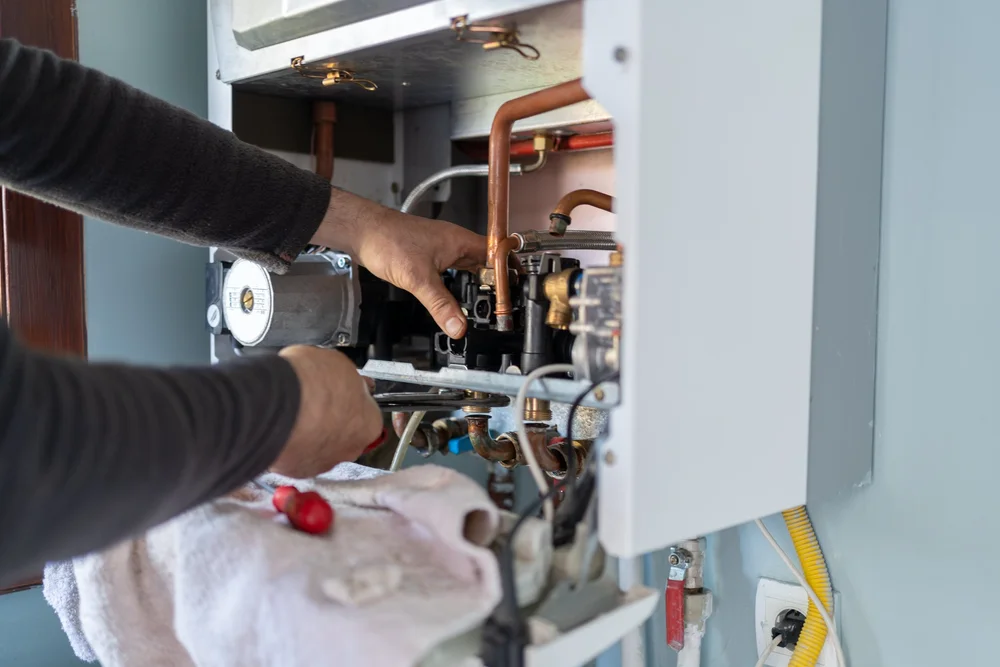
Step 1: Remove the furnace access panel. Most panels slide up and off. Some are held by screws. Set it aside.
Step 2: Locate the flame sensor. It is a thin metal rod positioned in front of the burner assembly, usually held by a single screw or bracket. On most furnaces, it is near the igniter.
Step 3: Unscrew the mounting bracket and gently pull the sensor out. Be careful not to bend the rod or damage the ceramic insulator.
Step 4: Inspect the sensor rod. You are looking for a dark coating (carbon buildup) or white/green corrosion. If the rod is cracked, pitted, or severely corroded, cleaning will not help. You need a replacement.
Step 5: Clean the sensor rod using fine-grit emery cloth or steel wool. Do not use sandpaper or abrasive cleaners. Gently polish the rod in one direction until the surface is shiny. The goal is to remove the coating without scratching the metal.
Step 6: Reinstall the sensor in the exact same position. The rod needs to be positioned correctly in the flame path. If it is too far forward or too far back, it will not work.
Step 7: Replace the access panel, restore power, and test the furnace. Watch it through a full cycle. If it lights and stays running, you are good. If it shuts down again, you have a deeper problem.
When DIY Is Not Enough
If cleaning the sensor does not fix the problem, do not keep trying. You could have a faulty control board, a cracked heat exchanger leaking combustion gases, improper gas pressure, or a dozen other issues that require diagnostic equipment and expertise.
We have seen homeowners replace flame sensors three or four times without fixing the underlying issue. That is when you need a licensed HVAC contractor with proper diagnostic tools. Our technicians carry combustion analyzers, multimeters, and manometers to pinpoint the actual cause, not just treat the symptom.
When to Replace vs. Clean Your Flame Sensor
Cleaning works for carbon buildup and light oxidation. Replacement is necessary when the sensor is physically damaged or has reached end of life.
Replace If You See:
- Cracks in the ceramic insulator: This is the white or tan porcelain piece that holds the metal rod. If it is cracked, the sensor cannot maintain proper electrical isolation.
- Pitting or deep corrosion on the rod: Surface oxidation can be cleaned. Deep pits or flaking metal cannot.
- Bent or damaged rod: If the sensor rod is bent, it may not sit in the correct position in the flame. Trying to bend it back rarely works.
- Repeated failures after cleaning: If you clean the sensor and it fails again within a few weeks, the sensor itself is likely worn out.
Cost Comparison
A replacement flame sensor costs $20 to $50 for the part. If you call a technician, expect to pay $150 to $250 for the service call, diagnosis, and installation in Southeast Michigan. That is significantly cheaper than an emergency no-heat call at 2 AM during a polar vortex event.
For context, we see Carrier furnace repairs and Rheem furnace repairs that range from simple sensor replacements to full heat exchanger failures costing thousands. Catching a sensor issue early is always the cheaper path.
What a Professional Flame Sensor Repair Looks Like
When you call NEXT Heating & Cooling for a furnace flame sensor problem, here is what happens.
Diagnostic Process
Our technicians do not assume the flame sensor is the problem just because that is the most common cause. We run a full diagnostic sequence. This includes checking the igniter, testing gas pressure, measuring the microamp signal from the sensor, inspecting the burners for carbon buildup, and verifying proper airflow.
We use a multimeter to measure the flame sensor current. A healthy sensor should produce 2 to 6 microamps when positioned in the flame. Anything below 2 microamps usually means the sensor is dirty or failing. We also check the control board to make sure it is reading the signal correctly.
Testing Procedures
After cleaning or replacing the sensor, we do not just fire up the furnace once and call it good. We run multiple heating cycles, monitoring the sensor signal and watching for any intermittent failures. We check for proper flame color (should be a steady blue), inspect the heat exchanger for cracks, and verify that the furnace is operating within manufacturer specifications.
If we find underlying issues like dirty burners, restricted airflow, or improper venting, we address those too. A flame sensor replacement is a Band-Aid if the root cause is incomplete combustion from a poorly maintained furnace.
Typical Costs in Southeast Michigan
For a straightforward flame sensor cleaning or replacement, expect to pay $150 to $250. This includes the service call, diagnosis, labor, and the part (if replacement is needed).
If we find additional issues during the diagnostic (dirty burners, cracked heat exchanger, failing control board), costs go up. We always explain what we find and give you options before doing any additional work. No surprises, no pressure. That is part of our commitment to changing contractor culture.
Emergency Service Note: We offer 24/7 emergency HVAC service across Macomb, Oakland, and St. Clair counties. If your furnace goes out in the middle of a January cold snap, we will get someone to your home. Emergency calls do carry a premium (typically $100 to $150 additional), but we are upfront about pricing before we dispatch.
Preventing Future Flame Sensor Problems
The best way to deal with a furnace flame sensor problem is to prevent it in the first place. Here is what actually works, based on 35 years of field experience in Michigan homes.
Annual Maintenance Is Not Optional
Every furnace manufacturer recommends annual professional maintenance. This is not a sales pitch. It is engineering reality. During a proper tune-up, a technician cleans the burners, inspects the heat exchanger, tests combustion efficiency, and cleans the flame sensor before it causes a problem.
We offer the Next Care Plan for exactly this reason. It is $5 per month ($60 per year) and includes two annual visits: a fall furnace tune-up and a spring AC tune-up. You get priority scheduling, 10% off repairs, and no service call fees. More importantly, you get a technician looking at your equipment before it fails, not after.
Homeowners on our maintenance plan rarely experience mid-winter flame sensor failures. We catch the buildup during the fall tune-up and clean it as part of routine service.
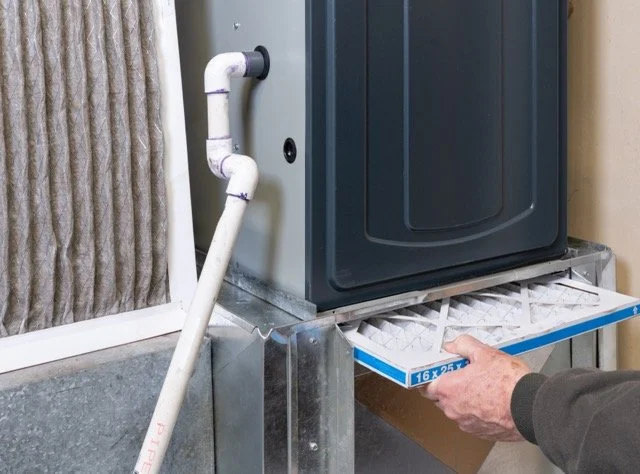
Air Filter Discipline
A dirty air filter restricts airflow to the furnace. This causes incomplete combustion, which accelerates carbon buildup on the flame sensor. It also makes your furnace work harder, shortening its lifespan and driving up energy costs.
Check your filter monthly during heating season. Replace it when it looks dirty. Do not wait for the "3-month" or "6-month" timeline printed on the package. Those are marketing estimates, not engineering recommendations. If you have pets, kids, or live near a dusty road, you will need to change filters more often.
We recommend 1-inch pleated filters with a MERV rating of 8 to 11 for most Michigan homes. Higher MERV ratings (13+) can restrict airflow on older furnaces not designed for them. If you are concerned about indoor air quality, talk to us about whole-house filtration systems rather than forcing your furnace to work with a restrictive filter.
Combustion Air Quality
Your furnace needs fresh air for combustion. Many Michigan basements are cluttered with storage, laundry, and household chemicals. If your furnace is drawing air contaminated with dust, lint, or chemical vapors, combustion quality suffers.
Keep the area around your furnace clear. Do not store paint, cleaning products, or gasoline near the unit. Make sure return air vents are not blocked by furniture or storage boxes. If your furnace is in a small utility room, it may need a dedicated combustion air vent to the outside.
High-efficiency furnaces use PVC pipes for intake and exhaust. Check these pipes periodically to make sure they are not blocked by leaves, snow, or ice. We see this every winter in Michigan: a homeowner calls with a no-heat emergency, and the intake vent is buried in a snowdrift.
Ready to Get Started?
NEXT Heating & Cooling has been keeping Michigan homes comfortable for over 35 years. Get honest diagnostics and fair pricing from NATE-certified technicians who show up on time. We serve Sterling Heights, Troy, Warren, Clinton Township, and all of Macomb, Oakland, and St. Clair counties.
Schedule Your ServiceFrequently Asked Questions
A flame sensor replacement typically costs $150 to $250 in Southeast Michigan, including the service call, diagnosis, labor, and the part. The sensor itself costs $20 to $50. If you are comfortable with basic furnace maintenance, you can clean the sensor yourself for free using emery cloth or steel wool. However, if the problem persists after cleaning, you need professional diagnosis to identify underlying issues like dirty burners or a failing control board.
You can clean a flame sensor yourself if you are comfortable working around your furnace. Turn off power to the unit, remove the access panel, locate the sensor rod, and gently polish it with fine-grit emery cloth or steel wool until it is shiny. Reinstall it in the same position and test the furnace. However, if the sensor is cracked, pitted, or if cleaning does not fix the shutdown problem, call a licensed technician. Repeated failures often indicate deeper issues that require diagnostic equipment to identify.
If your furnace lights but shuts off after 3 to 10 seconds, the most common cause is a dirty or failing flame sensor. The sensor sits in the burner flame and generates a tiny electrical current to verify combustion. If it is coated with carbon or oxidation, it cannot generate that signal, so the control board shuts the gas valve as a safety precaution. Cleaning the sensor usually fixes the problem. If it does not, you may have a faulty control board, improper gas pressure, or other issues requiring professional diagnosis.
Flame sensors should be inspected and cleaned during annual furnace maintenance, typically in the fall before heating season begins. In Michigan, where furnaces run 5 to 6 months continuously, annual cleaning is sufficient for most homes. If you skip maintenance, carbon buildup accelerates, and you may experience mid-winter failures. Homeowners on preventive maintenance plans like the Next Care Plan rarely deal with flame sensor problems because technicians clean the sensor as part of routine service.
Flame sensors fail primarily due to carbon buildup from incomplete combustion, which is accelerated by dirty burners, clogged air filters, or restricted airflow. Humidity and condensation in Michigan basements can cause oxidation on the sensor rod. Age and repeated heating cycles also cause metal fatigue and corrosion. Most flame sensors last 10 to 15 years with proper maintenance. After that, even regular cleaning may not restore full function, and replacement becomes necessary.
It depends on your warranty terms and whether the failure is due to a manufacturing defect or lack of maintenance. Most furnace manufacturers offer a 10-year parts warranty, but it requires proof of annual professional maintenance. If you have not had your furnace serviced regularly, the warranty may be void. Labor is typically not covered, even under warranty. Check your warranty documentation or contact the installer to verify coverage. Flame sensors are inexpensive parts, so even out-of-warranty replacement is affordable.
A failing flame sensor itself does not produce carbon monoxide. However, the underlying issues that cause sensor failures (dirty burners, incomplete combustion, cracked heat exchangers) can produce carbon monoxide. If your furnace is shutting down repeatedly, do not ignore it. Install carbon monoxide detectors on every level of your home and near sleeping areas. If the detector alarms, evacuate immediately and call 911. Have a licensed technician inspect your furnace annually to catch combustion issues before they become dangerous.