

Furnace Inspection Checklist: What Michigan Techs Actually Look For
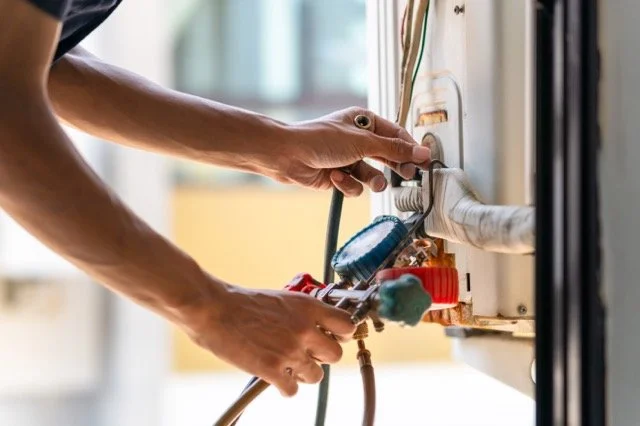
A furnace inspection is not a courtesy visit. It is a systematic safety and performance audit that catches problems before they leave you without heat during a polar vortex, or worse, expose your family to carbon monoxide.
Most homeowners in Sterling Heights, Troy, and Warren have never watched a licensed technician perform a full furnace inspection. They see the tech spend 20 minutes in the basement, hand over a checklist, and leave. What actually happened in those 20 minutes determines whether your furnace runs safely all winter or fails at 2 AM when it is 8 degrees outside.
We have been performing furnace and AC installation services across Southeast Michigan for over 35 years. Our NATE-certified technicians inspect hundreds of furnaces every fall. This is what we check, why it matters, and what red flags send us straight to the phone to recommend immediate repairs.
Why Michigan Furnaces Need Annual Inspections
Michigan heating seasons run October through April. That is six months of near-continuous operation, often with outdoor temperatures below 20°F for weeks at a time. Your furnace cycles on and off 8 to 12 times per hour during peak winter. A system running 3,000 hours per season accumulates wear faster than equipment in milder climates.
The stakes are higher here. A cracked heat exchanger in Arizona might reduce efficiency. In Michigan, it can leak carbon monoxide into your living space while you sleep. Gas pressure drift that causes incomplete combustion creates soot buildup, which accelerates heat exchanger corrosion. A blower motor drawing excessive amperage might run all winter in Georgia. In Michigan, it fails during the next polar vortex when replacement parts are backordered for two weeks.
Annual furnace inspections catch these issues early. We find cracked heat exchangers, failing limit switches, corroded burners, and dangerous gas leaks before they become emergencies. The inspection also maintains your manufacturer warranty. Carrier, Lennox, Trane, and Bryant all require documented annual maintenance to honor warranty claims on heat exchangers and other major components.
Michigan-Specific Wear Patterns: Furnaces in homes built before 1990 often have undersized ductwork and inadequate return air. This forces the blower motor to work harder, shortening its lifespan. We see this constantly in 1960s ranches across Macomb County. The furnace runs hot, cycles short, and wears out heat exchangers 30% faster than properly sized systems.
If your furnace is not heating your house properly, an inspection often reveals the root cause: restricted airflow, failed limit switches, or burner problems that reduce heat output.
The 12-Point Furnace Inspection Checklist
This is the actual checklist our technicians use during every furnace inspection. It covers safety, efficiency, and reliability. Each item takes 1 to 5 minutes depending on what we find.
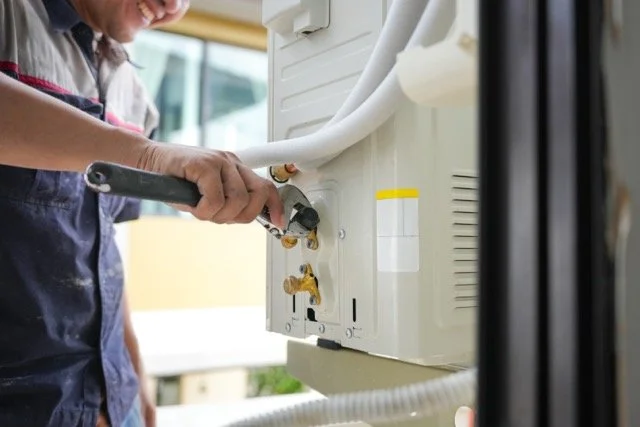
1. Visual Inspection of the Heat Exchanger
We remove the blower assembly and inspect the heat exchanger with a flashlight and mirror. We look for cracks, rust, soot buildup, and corrosion around the welds. On older furnaces (15+ years), we also use a combustion analyzer to measure carbon monoxide levels in the flue and supply air. Any detectable CO in the supply air means the heat exchanger is compromised.
2. Burner Inspection and Flame Analysis
We fire the furnace and observe the burner flames. Healthy flames are steady, blue, and uniform across all burners. Yellow or orange flames indicate incomplete combustion, usually from dirty burners or incorrect gas pressure. Flickering flames suggest airflow problems or a cracked heat exchanger pulling combustion air from the wrong place.
3. Gas Pressure Testing
We connect a manometer to the gas valve and measure inlet and manifold pressure. Carrier and Lennox furnaces typically require 3.5 inches of water column at the manifold. If pressure is too low, the burners do not generate enough heat. Too high, and you get flame rollout, which damages the heat exchanger and creates a fire hazard.
4. Ignition System Check
Modern furnaces use hot surface ignitors or electronic spark ignition. We test the ignitor for proper resistance (usually 40 to 90 ohms when cold) and watch it glow during startup. A weak ignitor takes too long to light the gas, causing delayed ignition and a loud boom. We replace ignitors that show cracks or take longer than 30 seconds to reach full glow.
5. Flame Sensor Cleaning and Testing
The flame sensor is a small metal rod that sits in the burner flame. It conducts a tiny electrical current (measured in microamps) to prove the burner is lit. If the sensor is coated with soot or corrosion, the current drops below the threshold and the furnace shuts off after a few seconds. We clean the sensor with fine steel wool and verify it reads at least 2 microamps during operation.
6. Limit Switch and Safety Control Testing
The high-limit switch shuts off the burners if the heat exchanger gets too hot, which happens when airflow is restricted. We test the switch with a multimeter and verify it opens at the correct temperature (usually 160°F to 200°F depending on the model). We also check the rollout switches, which detect flame rollout outside the combustion chamber. If these switches trip, the furnace has a serious safety problem.
7. Blower Motor and Capacitor Inspection
We measure the amperage draw on the blower motor and compare it to the nameplate rating. A motor pulling excessive amps is wearing out and will fail soon. We also test the run capacitor, which helps the motor start and run efficiently. Capacitors weaken over time. A weak capacitor makes the motor work harder, shortening its life. We replace any capacitor reading more than 10% below its rated microfarad value.
8. Air Filter Inspection and Replacement
A dirty filter is the most common cause of furnace problems. It restricts airflow, forces the blower to work harder, and causes the heat exchanger to overheat. We check the filter and replace it if it is dirty. We also measure the static pressure across the filter to verify airflow is within spec. High static pressure indicates undersized ductwork or multiple clogged filters in a media cabinet.
9. Ductwork and Register Inspection
We walk through the house and check supply and return registers. Closed or blocked registers reduce airflow and cause pressure imbalances that stress the blower motor. We also inspect accessible ductwork for leaks, disconnected sections, and crushed flex duct. Leaky ductwork in unconditioned spaces (attics, crawlspaces) wastes 20% to 40% of your heat.
10. Thermostat Calibration and Testing
We verify the thermostat is reading the correct temperature and cycling the furnace properly. We test both heating and fan modes. On programmable and smart thermostats, we check the schedule and battery backup. A thermostat reading 3 degrees off causes comfort problems and wasted energy.
11. Flue Pipe and Venting Inspection
We inspect the flue pipe for rust, gaps, and proper slope. The flue must pitch upward toward the vent to prevent condensation from draining back into the furnace. On high-efficiency furnaces with PVC vent pipes, we check for blockages, condensate leaks, and proper termination clearances. A blocked flue pipe causes carbon monoxide to back up into the house.
12. Combustion Analysis and Efficiency Testing
We use a combustion analyzer to measure oxygen, carbon monoxide, and carbon dioxide levels in the flue gas. This tells us if the furnace is burning fuel efficiently and safely. We also calculate the combustion efficiency and compare it to the furnace's rated AFUE (Annual Fuel Utilization Efficiency). A furnace rated at 95% AFUE that tests at 88% has a problem: dirty burners, incorrect gas pressure, or a failing heat exchanger.
This checklist is standard across the industry, but execution varies. A thorough inspection takes 45 to 90 minutes depending on furnace age and condition. A 15-minute "tune-up" from a discount HVAC company skips most of these steps.
Heat Exchanger Inspection: The Most Critical Safety Check
The heat exchanger is the component that separates combustion gases (including carbon monoxide) from the air that circulates through your house. When it cracks, those gases mix with your breathing air. You cannot see, smell, or taste carbon monoxide. It kills without warning.
Heat exchangers crack for three reasons: age, corrosion, and thermal stress. Age is straightforward. Most heat exchangers last 15 to 20 years. After that, metal fatigue from thousands of heating cycles causes hairline cracks. Corrosion happens when condensation from incomplete combustion or a blocked flue pipe sits in the heat exchanger and rusts it from the inside. Thermal stress occurs when airflow is restricted (dirty filter, closed registers, undersized ductwork), causing the heat exchanger to overheat and warp.

Visual inspection catches obvious cracks, but small cracks are harder to find. We use three methods:
- Combustion analysis: We measure CO levels in the flue and supply air. Any CO in the supply air means the heat exchanger is leaking.
- Pressure test: We seal the heat exchanger, pressurize it with air, and spray soapy water on the seams. Bubbles indicate a leak.
- Camera inspection: On high-efficiency furnaces with complex heat exchanger designs, we use a borescope camera to inspect internal surfaces.
If we find a cracked heat exchanger, the furnace must be shut down immediately. Heat exchanger replacement costs $1,200 to $2,500 depending on the furnace model. On furnaces older than 15 years, replacement rarely makes financial sense. The labor cost to replace a heat exchanger is nearly the same as installing a new furnace, and the new furnace comes with a 10-year parts warranty and 20% to 30% better efficiency.
We see cracked heat exchangers most often in homes with chronic airflow problems. The furnace runs too hot, the metal expands and contracts excessively, and cracks form around the welds. If your furnace has been making loud banging noises during startup, that is a sign of thermal stress that accelerates heat exchanger failure.
Gas Pressure and Burner Flame Analysis
Gas pressure and burner condition determine how efficiently your furnace burns fuel. Incorrect pressure wastes gas and damages the heat exchanger. Dirty burners cause incomplete combustion, which creates soot and carbon monoxide.
We test gas pressure at two points: the inlet (where gas enters the valve) and the manifold (where gas flows to the burners). Inlet pressure should be 5 to 7 inches of water column for natural gas, 11 to 14 inches for propane. Manifold pressure varies by furnace model but typically runs 3.2 to 3.7 inches for natural gas.
Low manifold pressure means the burners are not getting enough gas. The flames will be small, blue, and may lift off the burner ports. The furnace runs longer to reach temperature, wasting energy. High manifold pressure causes large, yellow, sooty flames that deposit carbon on the heat exchanger. This carbon layer insulates the metal, reducing heat transfer and forcing the furnace to run even longer.
We adjust gas pressure by turning the regulator screw on the gas valve. This is a licensed technician job. Incorrect adjustment can create a fire hazard or cause the furnace to produce dangerous levels of carbon monoxide.
Burner flames should be steady, blue, and uniform. We look for:
- Yellow or orange tips: Indicates incomplete combustion from dirty burners or incorrect air/fuel mixture.
- Flickering or dancing flames: Suggests airflow problems, often from a cracked heat exchanger or blocked flue.
- Flame rollout: Flames spilling out of the burner compartment indicate a serious problem: blocked flue, cracked heat exchanger, or excessive gas pressure.
- Uneven flames: Some burners burning brighter than others means clogged burner ports or uneven gas distribution.
We clean burners with a wire brush and compressed air. Severely corroded burners must be replaced. On furnaces older than 20 years, replacement burners are often unavailable, which means replacing the entire furnace.
Electrical Components and Safety Controls
Modern furnaces have a dozen electrical components that must work in sequence for the system to operate safely. A failure in any one component shuts down the furnace. During an inspection, we test each component and replace anything showing signs of wear.
Blower Motor and Capacitor
The blower motor circulates air through the heat exchanger and ductwork. We measure amperage draw and compare it to the nameplate rating. A motor pulling 10% to 15% over rated amps is wearing out. We also listen for bearing noise. A squealing or grinding motor needs replacement before it seizes.
The run capacitor helps the motor start and run efficiently. Capacitors weaken over time, especially in hot environments like furnace rooms. We test capacitance with a multimeter. A capacitor reading more than 10% below its rated microfarad value gets replaced. Weak capacitors are the leading cause of blower motor failure.
Limit Switches and Rollout Switches
The high-limit switch is a safety device that shuts off the burners if the heat exchanger overheats. This happens when airflow is restricted. We test the switch with a multimeter and verify it opens at the correct temperature. A limit switch that trips repeatedly indicates a chronic airflow problem: dirty filter, closed registers, or undersized ductwork.
Rollout switches detect flames outside the combustion chamber. If a rollout switch trips, the furnace has a dangerous problem: blocked flue, cracked heat exchanger, or excessive gas pressure. We never reset a rollout switch without finding and fixing the root cause.
Flame Sensor
The flame sensor is a small metal rod that sits in the burner flame. It conducts a tiny electrical current to prove the burner is lit. If the sensor is coated with soot or corrosion, the current drops below the threshold (usually 2 to 6 microamps) and the furnace shuts off after a few seconds.
We clean the flame sensor with fine steel wool and verify it reads at least 2 microamps during operation. A sensor that will not clean or reads below 1 microamp gets replaced. This is a $20 part that prevents nuisance shutdowns.
If your furnace pilot light keeps going out or the burners shut off after a few seconds, a dirty flame sensor is usually the culprit.
Control Board
The control board is the furnace's brain. It sequences the ignition, monitors safety switches, and controls the blower motor. We inspect the board for burned components, swollen capacitors, and corrosion. A failing control board causes erratic behavior: random shutdowns, blower running continuously, or burners that will not light.
Control boards fail from power surges, lightning strikes, and age. We recommend whole-house surge protection for furnaces with electronic controls. A $200 surge protector can save you a $600 control board replacement.
Ductwork and Airflow Testing
Ductwork problems cause half the furnace complaints we see in Southeast Michigan. Leaky ducts waste heat. Undersized ducts restrict airflow. Crushed flex duct in crawlspaces creates pressure imbalances that stress the blower motor and shorten heat exchanger life.
During a furnace inspection, we measure static pressure at the supply and return plenums. Total external static pressure should be 0.5 inches of water column or less. Higher pressure indicates restricted airflow from undersized ductwork, dirty filters, or closed registers.
We also walk through the house and check every supply and return register. Closed registers in unused rooms seem like a good way to save energy, but they create pressure imbalances that damage the furnace. Closing more than 20% of your registers forces the blower motor to work harder and can cause the heat exchanger to overheat.
Leaky ductwork is harder to spot without specialized equipment. We use a duct blaster (a calibrated fan that pressurizes the duct system) to measure total leakage. Ductwork in unconditioned spaces (attics, crawlspaces, garages) should have less than 10% leakage. Most homes we test have 20% to 40% leakage, which means a quarter of the heat you paid for is warming your crawlspace instead of your living room.
Sealing ductwork with mastic (a thick paste) or metal-backed tape reduces leakage and improves comfort. Aerosol duct sealing (Aeroseal) is another option for ductwork that is inaccessible. We recommend duct sealing on any home with chronic hot and cold spots or high heating bills despite a newer furnace.
When to Schedule Your Furnace Inspection in Michigan
Schedule your furnace inspection in September or early October, before the heating season starts. This gives you time to make repairs before the first freeze. Waiting until November means competing with hundreds of other homeowners for appointment slots, and parts availability gets tight when everyone needs the same components.
If you have a Next Care Plan, your fall furnace inspection is included. We schedule these appointments in late August and September, before the rush. Care Plan members also get priority scheduling if something breaks during the winter.
You should also schedule an inspection if:
- Your furnace is more than 10 years old and has never been inspected
- You bought a house and do not know the furnace maintenance history
- The furnace is making unusual noises (banging, squealing, rumbling)
- You smell gas or notice a yellow pilot light flame
- The furnace cycles on and off frequently (short cycling)
- Some rooms are much colder than others
- Your heating bills increased significantly without explanation
Do not wait for a breakdown. Emergency service calls in January cost more, parts take longer to arrive, and you might be without heat for days if the problem is serious.
Cost Reality: What Furnace Inspections Actually Cost
A professional furnace inspection from a licensed HVAC contractor in Southeast Michigan costs $89 to $150. This includes all the tests and measurements described above, plus a written report of findings and recommendations.
Some companies advertise $49 tune-ups. These are loss leaders designed to get a technician in your house. The "inspection" takes 15 minutes, skips most of the critical safety checks, and ends with a high-pressure sales pitch for a new furnace. We do not operate that way.
Our $5/month HVAC maintenance plan includes two annual inspections (fall furnace tune-up and spring AC tune-up), priority scheduling, 10% repair discounts, and no service call fees. Over a year, you save $100 to $200 compared to paying for inspections separately, and you get the peace of mind that comes from regular maintenance.
The cost of skipping inspections is much higher. A cracked heat exchanger discovered during an emergency call in January means immediate furnace replacement: $3,500 to $7,000 depending on the system. A failed blower motor that could have been caught early costs $800 to $1,200 to replace in the middle of winter when parts are backordered. A carbon monoxide leak that sends your family to the hospital is priceless.
Furnace inspections also improve efficiency. A dirty flame sensor, incorrect gas pressure, or restricted airflow can reduce efficiency by 10% to 20%. On a $1,200 annual heating bill, that is $120 to $240 wasted every year. A $150 inspection that restores efficiency pays for itself in one season.
Schedule Your Furnace Inspection Today
NEXT Heating & Cooling has been keeping Michigan homes safe and comfortable for over 35 years. Our NATE-certified technicians perform thorough inspections that catch problems before they become emergencies. No pressure, no upselling, just honest diagnostics and fair pricing.
Get Your Inspection ScheduledFrequently Asked Questions About Furnace Inspections
A thorough furnace inspection takes 45 to 90 minutes depending on the age and condition of your furnace. Older furnaces with more wear require more time to inspect properly. If we find problems that need immediate attention (like a dirty flame sensor or weak capacitor), we can often fix them during the same visit. Companies advertising 15-minute tune-ups are skipping critical safety checks.
The terms are often used interchangeably, but technically an inspection is diagnostic (we test and measure everything to find problems) while a tune-up includes cleaning, adjustments, and minor repairs. Our service includes both: we inspect all components, clean the burners and flame sensor, test safety controls, measure gas pressure and airflow, and make adjustments to restore peak performance. You get a written report showing exactly what we found and what we recommend.
You can perform basic maintenance (replace the air filter, keep the area around the furnace clear, check for unusual noises or smells), but a proper safety inspection requires specialized tools and training. Testing gas pressure, measuring combustion efficiency, inspecting the heat exchanger for cracks, and testing safety controls all require equipment that homeowners do not typically own. More importantly, a licensed technician knows what normal looks like and can spot early warning signs that you would miss. Carbon monoxide leaks and cracked heat exchangers do not announce themselves.
Once per year, ideally in September or early October before the heating season starts. Annual inspections are required to maintain your manufacturer warranty on most furnace brands including Carrier, Lennox, Trane, and Bryant. If your furnace is more than 15 years old, or if you have chronic problems like frequent cycling or uneven heating, consider having it inspected twice per year. Our $5/month maintenance plan includes both fall and spring inspections.
We shut down the furnace immediately. A cracked heat exchanger allows carbon monoxide to mix with your breathing air, which is a life-threatening hazard. We will show you the crack (with photos if possible), explain the safety risk, and give you options. Heat exchanger replacement costs $1,200 to $2,500 depending on the furnace model, but on furnaces older than 15 years, replacement rarely makes financial sense. The labor cost is nearly the same as installing a new furnace, and the new furnace comes with a full warranty and 20% to 30% better efficiency. We will give you honest advice based on your specific situation, never high-pressure sales tactics.
Yes. Carbon monoxide detectors are required by Michigan building code in any home with fuel-burning appliances (furnace, water heater, fireplace, gas range). Install one on every level of your home, especially near sleeping areas. Even with annual inspections, components can fail between visits. A heat exchanger can crack, a flue pipe can become blocked, or a burner can start producing CO due to a sudden pressure change. Detectors provide a critical backup layer of protection. Replace detector batteries twice per year (when you change your clocks) and replace the entire unit every 5 to 7 years.
Clear the area around your furnace so the technician has easy access to all panels and components. Move storage boxes, holiday decorations, and anything else blocking the furnace. Replace or clean your air filter if you have not done so in the past month. Make a list of any unusual symptoms you have noticed (strange noises, smells, uneven heating, high bills) and share it with the technician when they arrive. Have your furnace model number and installation date ready if you know it. This helps us bring the right parts and tools.