

Furnace Cleaning: What Actually Happens During Service
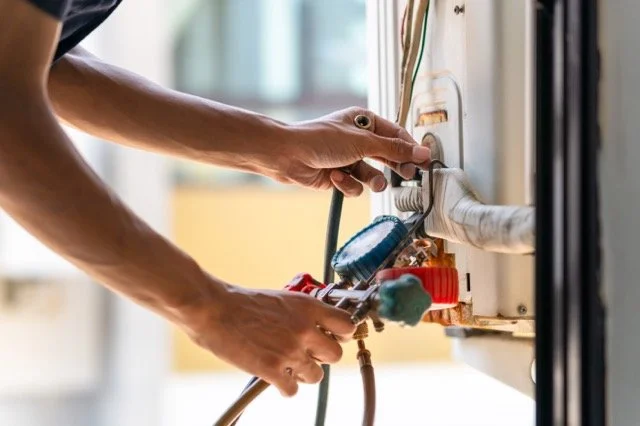
Most homeowners think furnace cleaning means a tech shows up, vacuums some dust, and leaves. The reality is more involved, and understanding what actually happens during a professional cleaning helps you know what you're paying for and why it matters.
Michigan furnaces run harder than most. When temperatures drop to single digits during polar vortex events and stay below freezing for weeks, your furnace cycles constantly. That workload creates carbon buildup on burners, dust accumulation on blower wheels, and soot deposits in heat exchangers. These aren't cosmetic issues. They affect efficiency, safety, and how long your equipment lasts.
We've been providing heating and cooling services in Metro Detroit for over 35 years, and we've cleaned thousands of furnaces across Macomb, Oakland, and St. Clair counties. Here's what actually happens when a NATE-certified technician cleans your furnace, what gets cleaned, and why each step matters for your home.
What Furnace Cleaning Actually Means
Furnace cleaning isn't a single service with a universal definition. What one company calls "cleaning" might be drastically different from what another provides. The confusion starts because the term gets used interchangeably with maintenance, tune-up, and inspection.
A true furnace cleaning focuses specifically on removing carbon deposits, soot, dust, and debris from combustion and airflow components. It's physical cleaning work: brushing burners, vacuuming blower assemblies, wiping flame sensors. A comprehensive tune-up includes cleaning but adds calibration, testing, and adjustments.
Here's what separates them. A standalone cleaning addresses visible dirt and buildup on key components. A full maintenance visit includes that cleaning plus testing gas pressure, measuring temperature rise, checking electrical connections, inspecting the heat exchanger for cracks, verifying proper venting, and testing safety controls. Most homeowners benefit more from the complete tune-up, which is why our Next Care Plan includes both fall furnace and spring AC maintenance for just $5 per month.
The components that need regular cleaning include the burner assembly, heat exchanger surfaces, blower motor and wheel, flame sensor, and flue pipe. Each accumulates different types of buildup depending on how your furnace operates and the air quality in your home.
Michigan-Specific Context: Homes in Sterling Heights and Clinton Township with older ductwork often have more dust infiltration, which accelerates blower wheel buildup. Homes near industrial areas or with poor filtration see faster carbon accumulation on burners.
The Complete Furnace Cleaning Process
Professional furnace cleaning follows a methodical sequence. Skipping steps or rushing through them leaves problems unaddressed. Here's what happens during a thorough cleaning visit from a licensed technician.
System Shutdown and Safety Check
Before touching anything, the technician shuts off gas supply to the furnace at the manual shutoff valve and cuts electrical power at the furnace switch or circuit breaker. This isn't optional. Working on a live furnace creates serious safety risks, and no reputable contractor skips this step.
The tech verifies complete shutdown by checking that the blower isn't running and the thermostat isn't calling for heat. Only then does the furnace cabinet get opened.
Burner Assembly Removal and Cleaning
The burner assembly sits inside the combustion chamber where gas mixes with air and ignites. Over time, carbon deposits build up on burner ports, restricting gas flow and creating uneven flames. This affects combustion efficiency and can cause the furnace to short-cycle or run inefficiently.
The technician removes the burner assembly completely, which usually means disconnecting the gas manifold and lifting the burners out of their bracket. Each burner gets cleaned with a wire brush to remove carbon buildup from the ports and surfaces. Compressed air blows out debris from inside the burner tubes.
This step takes time. Rushing it leaves carbon deposits that will continue affecting combustion. A thorough cleaning means each burner port is clear and the flame will burn evenly across the entire burner surface.
Heat Exchanger Inspection and Cleaning
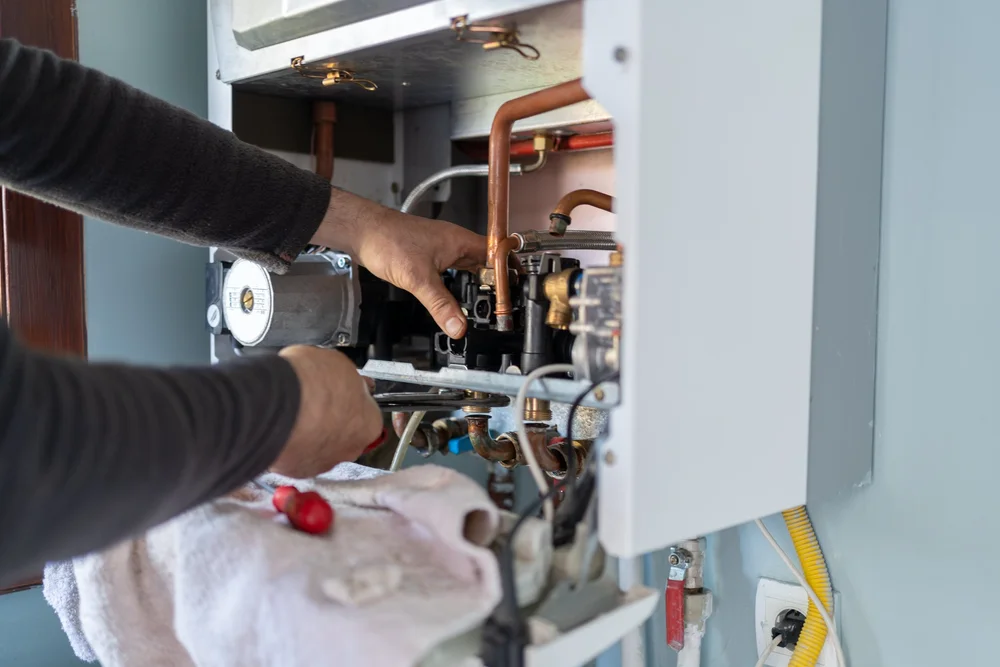
The heat exchanger is where combustion heat transfers to the air circulating through your home. It's a series of metal chambers or tubes that get extremely hot during operation. Soot buildup on heat exchanger surfaces acts as insulation, reducing heat transfer efficiency and forcing the furnace to run longer to reach temperature.
Technicians use specialized brushes designed for heat exchanger cleaning. The brush head fits through the burner opening and scrubs the interior surfaces of each heat exchanger cell. Soot and carbon deposits get dislodged and vacuumed out.
This is also when the heat exchanger gets inspected for cracks or corrosion. A cracked heat exchanger is a serious safety issue because it can allow combustion gases, including carbon monoxide, to mix with household air. Inspection methods include visual examination with a flashlight and mirror, camera scopes for hard-to-see areas, and sometimes pressure testing on newer high-efficiency furnaces.
If cracks are found, cleaning becomes irrelevant. The furnace needs immediate repair or replacement. This is one reason why annual furnace tune-ups are necessary in Michigan: catching heat exchanger problems early prevents dangerous situations.
Blower Assembly Cleaning
The blower motor and wheel move air through your ductwork and into your home. The blower wheel, which looks like a squirrel cage fan, accumulates dust, pet hair, and debris on its blades. Even a thin layer of buildup reduces airflow, makes the motor work harder, and increases energy consumption.
Cleaning the blower assembly requires removing it from the furnace cabinet. The technician disconnects the motor wiring and slides the entire blower assembly out on its track. The blower wheel gets cleaned with brushes and wiped down to remove all accumulated debris between the blades.
The motor itself gets inspected for proper operation. If it has oil ports, the technician adds a few drops of motor oil. The motor bearings get checked for wear. A noisy or struggling blower motor is a sign of impending failure, and catching it during cleaning prevents a mid-winter breakdown.
This step makes a noticeable difference in airflow. Homeowners in Troy and Rochester Hills with older furnaces often report better heating performance immediately after blower cleaning because their system can finally move air the way it was designed to.
Flame Sensor and Igniter Cleaning
The flame sensor is a small metal rod positioned in the burner flame. It verifies that gas is actually igniting when the furnace calls for heat. If the sensor is coated with carbon or oxidation, it can't detect the flame properly, causing the furnace to shut down after a few seconds. This is one of the most common causes of pilot light or ignition problems.
Cleaning the flame sensor is straightforward but critical. The technician removes it from its bracket and uses fine-grit emery cloth or a specialized cleaning pad to polish the metal rod until it's shiny. No chemicals are used because they can leave residue that interferes with sensor function.
The hot surface igniter gets inspected but usually not cleaned. These ceramic igniters are fragile and crack easily if touched. If the igniter shows cracks or signs of wear, it gets replaced rather than cleaned.
Flue Pipe and Vent Inspection
The flue pipe carries combustion gases from your furnace to the outside. Blockages, improper pitch, or disconnected sections create dangerous backdraft conditions where exhaust gases spill into your home instead of venting outside.
The technician inspects the entire flue run from the furnace to the termination point outside. The pipe should have a slight upward pitch and be properly secured. Any signs of rust, corrosion, or deterioration get noted. The vent termination outside gets checked for blockages like bird nests, ice buildup, or snow accumulation.
High-efficiency furnaces with PVC vent pipes have condensate drains that can clog with algae or debris. These get flushed and cleaned during the service visit.
Reassembly and Combustion Testing
After all components are cleaned, the furnace gets reassembled in reverse order. The blower assembly slides back into place, the burners get reinstalled and reconnected to the gas manifold, and all access panels are secured.
The technician restores gas and electrical power, then fires up the furnace. This is when combustion testing happens. The flame should be steady, blue, and uniform across all burners. A yellow or flickering flame indicates incomplete combustion, which creates carbon monoxide and reduces efficiency.
Temperature rise gets measured by checking the temperature difference between return air and supply air. This verifies the furnace is heating properly and operating within manufacturer specifications. Gas pressure gets checked to ensure proper fuel delivery. All safety controls get tested to confirm they shut down the furnace if problems occur.
The entire process typically takes 90 minutes to two hours for a thorough cleaning and inspection. Rushed service visits that claim to clean a furnace in 30 minutes aren't doing the job properly.
Components That Get Cleaned (and Why Each Matters)
Understanding what gets cleaned and why helps you evaluate whether a service visit was thorough. Here's a breakdown of each component and what happens when it stays dirty.
Burner Assembly
Dirty burners create uneven flames, incomplete combustion, and carbon monoxide production. Carbon buildup on burner ports restricts gas flow, causing some ports to burn hotter than others. This creates hot spots that can crack heat exchangers over time.
Clean burners produce a steady, uniform blue flame across all ports. The flame should be about one to two inches high and have a distinct inner blue cone. Yellow flames or flame lift-off indicates problems that cleaning addresses.
Heat Exchanger
Soot buildup on heat exchanger surfaces reduces efficiency by 5 to 15 percent depending on severity. The soot layer acts as insulation, preventing heat from transferring to the air moving through your home. Your furnace runs longer cycles to reach temperature, burning more gas and wearing out components faster.
Clean heat exchangers transfer heat efficiently, reducing runtime and energy costs. The cleaning also exposes cracks or corrosion that might be hidden under soot deposits.
Blower Motor and Wheel
A dirty blower wheel reduces airflow by 20 to 40 percent in severe cases. Reduced airflow causes temperature swings in your home, longer heating cycles, and increased wear on the heat exchanger from overheating. The blower motor works harder, drawing more electricity and shortening its lifespan.
Clean blower wheels restore proper airflow, improve comfort, and reduce energy consumption. Homeowners often notice the difference immediately because rooms heat more evenly and the furnace doesn't run as long.
Flame Sensor
A dirty flame sensor causes nuisance shutdowns where the furnace lights, runs for a few seconds, then shuts off. This cycle repeats endlessly, never heating your home. The sensor can't detect the flame through the carbon coating, so the furnace assumes the flame is out and shuts down for safety.
Cleaning the flame sensor is a five-minute fix that prevents service calls and restores reliable operation. This single step resolves a large percentage of no-heat calls we receive in Sterling Heights and Warren during cold snaps.
Flue Pipe
A blocked or improperly venting flue pipe creates backdraft conditions where combustion gases spill into your home. Carbon monoxide is odorless and deadly. Proper flue inspection and cleaning during service visits prevents these dangerous situations.
Clean, properly pitched flue pipes vent combustion gases safely outside. The inspection also catches deteriorating vent pipes before they fail completely, which is common in older furnaces with metal B-vent pipes that rust from the inside out.

What Cleaning Can't Fix
Furnace cleaning addresses dirt, carbon, and debris buildup. It doesn't repair mechanical failures or structural damage. Knowing the limits of cleaning helps set realistic expectations.
A cracked heat exchanger can't be cleaned back to safe operation. Once cracks develop, the heat exchanger needs replacement, which usually means replacing the entire furnace because heat exchangers are expensive and labor-intensive to replace. Cleaning might temporarily improve performance, but it doesn't address the underlying safety issue.
Failed components like blower motors, gas valves, or control boards can't be cleaned back to life. If the motor bearings are worn out or the circuit board is fried, cleaning won't help. These components need replacement.
Undersized or improperly designed ductwork causes comfort problems that cleaning can't solve. If your furnace is clean but you still have hot and cold spots throughout your home, the problem is likely leaky or undersized ductwork, not a dirty furnace.
Aging equipment reaches a point where cleaning provides diminishing returns. A 20-year-old furnace with 60 percent AFUE (Annual Fuel Utilization Efficiency) won't suddenly become efficient with cleaning. It might run slightly better, but replacing it with a modern 96 percent AFUE unit delivers far greater energy savings and reliability.
This is why thorough inspections during cleaning visits matter. A good technician identifies problems that cleaning can't fix and explains your options honestly. We've never believed in selling unnecessary equipment, but we also won't clean a furnace with a cracked heat exchanger and send you home thinking everything is fine. That's not how we operate at Next Heating and Cooling.
Cost Reality: What Professional Furnace Cleaning Costs in Michigan
Furnace cleaning costs vary based on what's included and who's doing the work. Understanding typical pricing helps you evaluate quotes and avoid paying for services you don't need.
A standalone furnace cleaning without a full tune-up typically costs $100 to $150 in Southeast Michigan. This includes the physical cleaning work: burners, blower, flame sensor, and basic inspection. It doesn't include comprehensive testing, calibration, or detailed diagnostics.
A complete furnace tune-up that includes cleaning usually runs $150 to $250. This covers everything in the cleaning plus gas pressure testing, temperature rise measurement, electrical connection inspection, thermostat calibration, filter replacement, and a full safety inspection. This is the service most homeowners actually need.
Our $5/month Next Care Plan includes two complete tune-ups per year: fall furnace maintenance and spring AC maintenance. That's $60 annually for services that would cost $300 to $400 if purchased separately. Members also get priority scheduling, 10 percent discounts on repairs, and no service call fees. The plan pays for itself the first time you need a repair.
DIY furnace cleaning is possible for mechanically inclined homeowners, but it has limits. You can change filters, vacuum around the blower compartment, and clean the flame sensor with emery cloth. You can't safely remove and clean burners, inspect heat exchangers for cracks, or perform combustion testing without proper tools and training. Most homeowners benefit from professional service because the inspection and testing components catch problems before they become emergencies.
Beware of extremely low-cost cleaning offers, especially $49 or $59 tune-up specials. These are often loss leaders designed to get technicians into your home so they can sell you expensive repairs or replacements. The "tune-up" consists of a cursory visual inspection, and the real goal is finding something to upsell. Legitimate cleaning and maintenance takes time and can't be done profitably at those prices.
Signs Your Furnace Needs Cleaning Now
Certain symptoms indicate your furnace needs cleaning sooner rather than later. Catching these signs early prevents bigger problems and keeps your home comfortable through Michigan winters.
Yellow or orange flame: A properly burning gas furnace flame is blue with a small yellow tip. A predominantly yellow or orange flame indicates incomplete combustion caused by dirty burners or insufficient air supply. This creates carbon monoxide and reduces efficiency. If you see yellow flames, schedule cleaning immediately.
Soot buildup around furnace: Black soot accumulation around the furnace cabinet, on nearby walls, or around supply registers indicates incomplete combustion and poor venting. This is a safety issue that requires immediate attention. Don't wait for your annual maintenance appointment.
Reduced airflow from vents: Weak airflow from supply registers often means a dirty blower wheel. If your furnace is running but barely any air comes out of the vents, cleaning the blower assembly will likely restore proper airflow.
Furnace runs constantly but house stays cold: If your furnace cycles constantly without reaching temperature, dirty components might be reducing heat transfer efficiency. A dirty heat exchanger or blower wheel forces the furnace to work harder and run longer without effectively heating your home.
Higher than normal gas bills: Unexpectedly high heating costs without corresponding weather changes suggest efficiency loss from dirty components. Cleaning restores efficiency and reduces fuel consumption. Compare your current bills to the same period last year. A 15 to 20 percent increase without explanation warrants inspection.
Furnace shuts off after a few seconds: This classic symptom usually indicates a dirty flame sensor. The sensor can't detect the flame through carbon buildup, so the furnace assumes the flame is out and shuts down for safety. Cleaning the flame sensor resolves this problem in most cases.
Strange odors during operation: A burning dust smell when the furnace first fires up each fall is normal. Persistent burning smells, metallic odors, or rotten egg smells are not normal. These can indicate overheating components, gas leaks, or other problems that require immediate professional attention.
If you're experiencing any of these symptoms in Shelby Township, Clinton Township, or anywhere in Macomb County, don't wait for the problem to worsen. Contact a reliable HVAC contractor in Metro Detroit for inspection and cleaning.
Ready to Schedule Your Furnace Cleaning?
NEXT Heating & Cooling has been keeping Michigan homes comfortable for over 35 years. Our NATE-certified technicians provide thorough furnace cleaning and maintenance without upselling unnecessary equipment. Get honest diagnostics and fair pricing from a contractor who shows up on time.
Schedule Your ServiceFrequently Asked Questions
Most furnaces need professional cleaning once per year as part of annual fall maintenance. Homes with pets, poor air filtration, or older furnaces may benefit from more frequent cleaning. If you run your furnace heavily during Michigan's harsh winters, annual cleaning prevents buildup from affecting performance and safety. The cleaning is typically included in comprehensive tune-up visits, which should happen every fall before heating season starts.
Homeowners can handle basic maintenance like changing filters and vacuuming around the blower compartment, but thorough furnace cleaning requires removing components, accessing combustion chambers, and testing safety controls. Without proper tools and training, you can't safely clean burners, inspect heat exchangers for cracks, or perform combustion testing. Professional cleaning also includes inspection that catches problems before they cause breakdowns. Most homeowners benefit from annual professional service rather than attempting complete cleaning themselves.
Furnace cleaning focuses specifically on removing dirt, carbon, and debris from burners, heat exchangers, blowers, and flame sensors. Furnace maintenance includes cleaning but adds testing, calibration, and inspection. A complete maintenance visit tests gas pressure, measures temperature rise, inspects electrical connections, checks for heat exchanger cracks, verifies proper venting, and tests all safety controls. Maintenance is more comprehensive and catches problems that cleaning alone won't address. Most homeowners need annual maintenance rather than standalone cleaning.
Yes, cleaning dirty components restores efficiency that's lost to carbon and debris buildup. Soot on heat exchanger surfaces reduces heat transfer by 5 to 15 percent, forcing the furnace to run longer cycles. Dirty blower wheels reduce airflow by 20 to 40 percent in severe cases, making the system work harder to move air. Carbon-coated burners create incomplete combustion that wastes fuel. Cleaning these components returns the furnace to designed efficiency levels. The improvement is most noticeable on furnaces that haven't been cleaned in several years.
Thorough furnace cleaning and inspection typically takes 90 minutes to two hours. This includes shutting down the system, removing and cleaning burners, cleaning the heat exchanger, removing and cleaning the blower assembly, cleaning the flame sensor, inspecting the flue pipe, reassembling everything, and testing combustion and safety controls. Service visits that claim to clean a furnace in 30 minutes aren't doing the job properly. Quality cleaning work takes time because components need to be removed, thoroughly cleaned, and reinstalled correctly.
If the furnace lights, runs for a few seconds, then shuts off, cleaning the flame sensor usually fixes the problem. The sensor can't detect the flame through carbon buildup, causing safety shutdowns. If the furnace won't light at all, won't stay running, or shows other symptoms, cleaning might not be enough. Failed components like gas valves, ignitors, or control boards need replacement rather than cleaning. A thorough inspection during the cleaning visit identifies whether cleaning will solve the problem or if repairs are needed.
Yes, the Next Care Plan includes complete fall furnace maintenance that covers thorough cleaning of all components plus comprehensive testing and inspection. The plan costs $5 per month and includes two annual visits: fall furnace tune-up and spring AC tune-up. Members also get priority scheduling, 10 percent discounts on repairs, and no service call fees. The plan pays for itself compared to purchasing individual tune-ups, and the regular maintenance prevents expensive breakdowns during Michigan's extreme weather.