

How Often Should I Change My Furnace Filter? Michigan Guide
You have probably heard the standard answer: change your furnace filter every 30 to 90 days. But if you live in Southeast Michigan, that generic advice does not account for our polar vortex winters, lake-effect cold snaps, or the dust that accumulates in older homes across Macomb and Oakland counties.
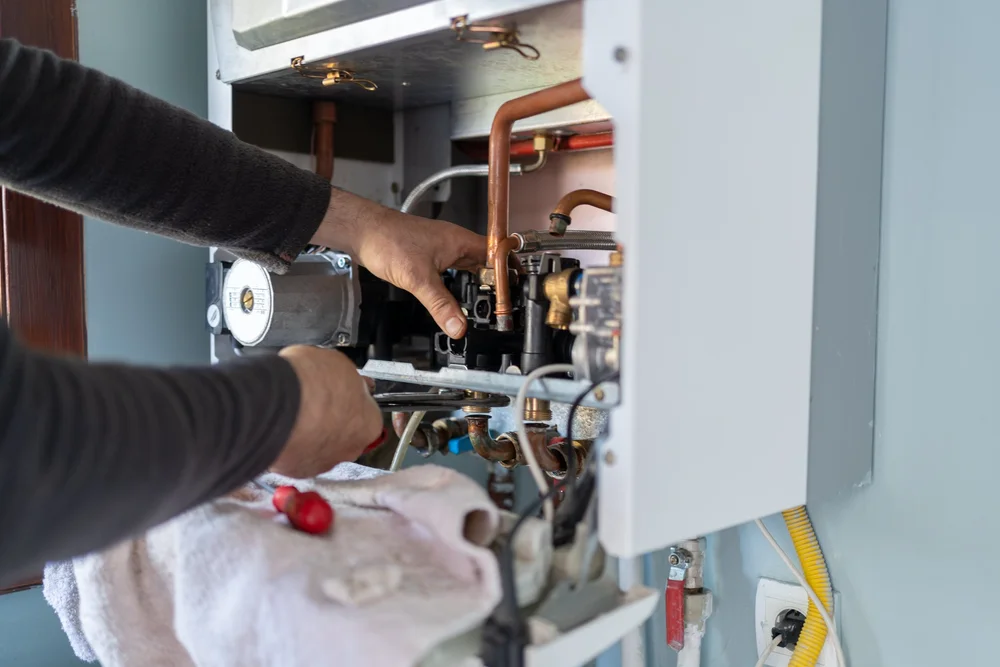
After 35 years of furnace installation and repair in Metro Detroit, our NATE-certified technicians have seen what happens when homeowners follow one-size-fits-all guidance. Cracked heat exchangers. Failed blower motors. Energy bills that climb 20% higher than they should.
The real answer depends on your filter type, your home's conditions, and how hard your furnace works during Michigan's coldest months. Here is what we tell every homeowner in Sterling Heights, Rochester Hills, and Grosse Pointe Farms when they ask us this question during a service call.
The Standard Answer (And Why It's Wrong for Michigan)
Most filter manufacturers print "Change every 1-3 months" on the packaging. That guidance assumes average conditions: moderate climate, minimal dust, no pets, and a furnace that runs a predictable number of hours per day.
Michigan throws all those assumptions out the window.
During a typical January polar vortex, your furnace in Clinton Township or Warren might run 18 to 20 hours per day just to maintain 68°F indoors. That is double or triple the runtime a furnace in Tennessee experiences. More runtime means more air pulled through the filter, which means faster clogging.
Add in the dust from older ductwork (common in 1960s ranches throughout Macomb County), pet dander from dogs and cats, and the fine particulate matter that drifts in every time you open the door during a snowstorm, and you have a recipe for filters that need changing far more frequently than the package suggests.
We have pulled filters out of furnaces in Royal Oak after just three weeks that looked like they had been in place for six months. The homeowner followed the "90-day rule" and wondered why their energy bill spiked and their house felt drafty.
What Actually Determines Filter Change Frequency
The timeline for replacing your furnace filter is not arbitrary. It depends on measurable factors that vary from home to home.
Filter MERV Rating and Thickness
MERV stands for Minimum Efficiency Reporting Value. It measures how well a filter captures particles. A basic fiberglass filter (MERV 1-4) catches large dust and debris but lets smaller particles pass through. A pleated filter (MERV 8-13) traps pollen, mold spores, and pet dander.
Higher MERV ratings mean denser filter media, which means they clog faster. A MERV 13 filter in a home with two dogs and a cat might need changing every 30 days during heating season. A MERV 8 filter in the same home could last 60 days.
Thickness matters too. A standard 1-inch filter has less surface area than a 4-inch or 5-inch media filter. Thicker filters last longer because they have more material to capture particles before airflow restriction becomes a problem. Many Carrier and Lennox furnaces we install in Shelby Township come with 4-inch or 5-inch filter cabinets that only need changing twice per year.
Home Occupancy and Pets
Every person and pet in your home generates particulate matter. Skin cells, hair, clothing fibers, cooking smoke, and tracked-in dirt all end up in your ductwork and filter.
A single-occupant condo in downtown Detroit with no pets can stretch a MERV 8 filter to 90 days. A family of five in Lake Orion with two golden retrievers should check their filter every 20 to 30 days, especially during shedding season in spring and fall.
Ductwork Condition
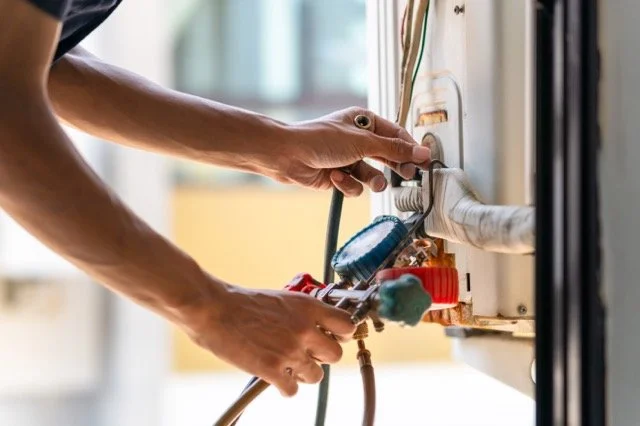
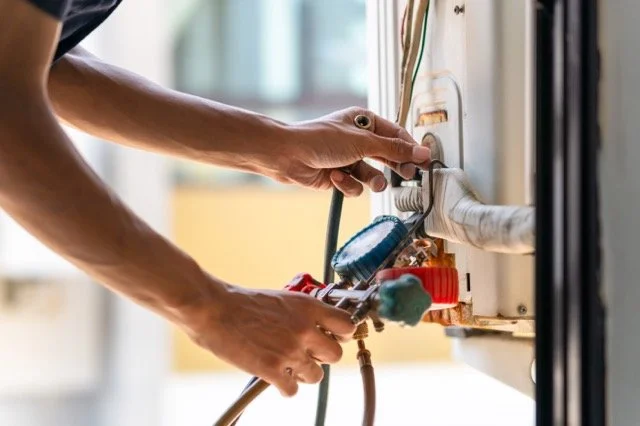
Leaky or dirty ductwork accelerates filter clogging. If your ducts have gaps at the seams or were never properly sealed during installation, they pull in dust from your attic, crawlspace, or basement every time the blower runs.
We see this constantly in older homes throughout Troy and St. Clair Shores. The ductwork was installed in the 1970s with mastic that has dried out and cracked. The furnace pulls in decades of accumulated dust, and the filter becomes the only barrier preventing that contamination from circulating through your living space.
If you find yourself changing filters every two weeks, the problem is not the filter. It is the ductwork. Our ductwork inspection and sealing services can solve that issue permanently.
Furnace Runtime During Michigan Winters
A furnace that runs 8 hours per day in November will filter roughly 12,000 cubic feet of air (assuming a typical 1,500 CFM blower). That same furnace running 18 hours per day in January will filter 27,000 cubic feet.
More air moved means more particles captured. During the coldest stretches of winter, you should check your filter every two weeks, even if you just changed it a month ago. The polar vortex events we experience in Southeast Michigan compress what would normally be three months of filter use into six weeks.
Michigan Tip: Mark your calendar for filter checks on the first day of each month from November through March. It takes 90 seconds to pull the filter and hold it up to a light. If you cannot see light through it, replace it immediately.
Filter Types and Their Lifespans
Not all filters are created equal. The type you choose affects how often you will replace it, how much you will spend, and how well your indoor air quality holds up during heating season.
1-Inch Fiberglass Filters (MERV 1-4)
These are the cheapest filters you will find at the hardware store, usually under $5. They catch large particles like dust bunnies and lint but do almost nothing for pollen, mold spores, or pet dander.
Lifespan: 30 days in a typical Michigan home during winter. We do not recommend these unless you have a high-efficiency media filter elsewhere in your system. They are too porous to provide meaningful air quality improvement, which is why understanding SEER ratings and energy efficiency matters for your overall HVAC performance.
1-Inch Pleated Filters (MERV 8-11)
These are the workhorses. Brands like Filtrete, Nordic Pure, and Honeywell make pleated filters with electrostatically charged fibers that trap particles as small as 3 microns (pollen, mold, dust mite debris).
Lifespan: 60 to 90 days in homes without pets. 30 to 45 days in homes with pets or high dust levels. During polar vortex weeks, check them every two weeks.
Cost: $15 to $25 per filter. This is the sweet spot for most homeowners in Sterling Heights and Rochester Hills. You get good filtration without excessive airflow restriction.
4-Inch and 5-Inch Media Filters (MERV 11-13)
These are the filters that come with Carrier Infinity, Lennox EL296V, and Trane XV95 furnaces. They sit in a dedicated cabinet and have significantly more surface area than a 1-inch filter.
Lifespan: 6 to 12 months, depending on home conditions. Many of our Next Care Plan members in Macomb County only need two filter changes per year: one before heating season in October and one before cooling season in April.
Cost: $40 to $70 per filter. Higher upfront cost, but the convenience and superior filtration make them worth it for homeowners with allergies or respiratory concerns.
HEPA and High-MERV Filters (MERV 14-16)
True HEPA filters capture 99.97% of particles as small as 0.3 microns, including viruses, bacteria, and smoke. They are typically used in hospitals, cleanrooms, and homes with severe allergy or asthma concerns.
Lifespan: Varies widely. Some HEPA systems use pre-filters that need monthly changes and a main HEPA filter that lasts 12 months.
Cost: $100+ per filter. These also require a furnace with a blower powerful enough to overcome the airflow restriction. Most standard furnaces cannot handle a true HEPA filter without modifications.
If you are considering HEPA filtration, talk to a technician first. We have seen homeowners install MERV 16 filters in standard furnaces and end up with cracked heat exchangers because the blower could not move enough air. That repair costs $1,500 to $2,500.
Signs Your Filter Needs Changing Now
Do not wait for a calendar reminder. Your furnace will tell you when the filter is clogged. Here is what to watch for.
Visual Inspection
Pull the filter out and hold it up to a light source. If you cannot see light through the pleats, it is overdue for replacement. If the surface is visibly caked with dust, pet hair, or a gray film, replace it immediately.
A clean filter should be white or off-white with visible pleats. A dirty filter looks like a dryer lint screen that has not been cleaned in months.
Weak Airflow from Vents
If you hold your hand in front of a supply register and feel weak airflow, even though the furnace is running, the filter is likely restricting air movement. The blower is working harder to pull air through a clogged filter, which reduces the volume of heated air reaching your rooms.
This is one of the most common complaints we hear during service calls in Warren and Clinton Township during January and February. Homeowners call us saying their furnace is running constantly but the house feels cold. Nine times out of ten, the filter is the culprit.
Short Cycling
Short cycling means your furnace turns on, runs for a few minutes, shuts off, and then repeats the cycle. This happens when the heat exchanger overheats because not enough air is moving across it to carry the heat away.
A clogged filter restricts airflow, which causes the heat exchanger to overheat, which triggers the high-limit safety switch, which shuts the burners off. The cycle repeats every 5 to 10 minutes.
Short cycling is hard on your furnace. It wastes energy, increases wear on the igniter and gas valve, and can lead to heat exchanger cracking over time. If your furnace is short cycling, check the filter first before calling for Amana furnace repair or other service.
Higher Energy Bills
A clogged filter forces your blower motor to work harder, which increases electricity consumption. It also reduces heating efficiency because less air moves across the heat exchanger, which means the furnace runs longer to reach the thermostat setpoint.
We have measured energy consumption increases of 15% to 20% in homes with severely clogged filters. Over a full Michigan winter, that can add $150 to $300 to your heating costs.
Dust Accumulation on Furniture and Vents
If you notice more dust settling on furniture, or if your supply registers have visible dust buildup around the edges, your filter is no longer doing its job. Air is bypassing the filter through gaps in the filter frame, or the filter is so clogged that dust is being forced through the media itself.
This is a sign that you need to check the filter immediately and inspect the filter housing for gaps or damage.
The Real Cost of Ignoring Filter Changes
Skipping filter changes is not just an inconvenience. It leads to expensive repairs that could have been prevented with a $20 filter and five minutes of effort.
Heat Exchanger Cracking
The heat exchanger is the component inside your furnace that separates combustion gases from the air that circulates through your home. It is made of steel or aluminized steel and is designed to withstand high temperatures.
When airflow is restricted by a clogged filter, the heat exchanger overheats. Repeated overheating causes the metal to expand and contract excessively, which leads to stress cracks.
A cracked heat exchanger is a safety hazard because it can allow carbon monoxide to leak into your home. It is also expensive to repair: $1,500 to $4,000 depending on the furnace model. In many cases, replacing the entire furnace is more cost-effective than replacing the heat exchanger.
We see this most often in furnaces that are 10 to 15 years old and have been neglected. The homeowner saved $100 over the years by not changing filters regularly, and now they are facing a furnace replacement cost of $4,000 to $8,000.
Blower Motor Failure
The blower motor is responsible for moving air through your ductwork. When a filter is clogged, the motor has to work harder to pull air through the restriction. This increases electrical draw, generates more heat, and accelerates wear on the motor bearings.
A failed blower motor costs $400 to $800 to replace, including labor. The motor itself is $200 to $500, and a technician needs 2 to 3 hours to remove the old motor, install the new one, and test the system.
Blower motor failures spike in February and March across Southeast Michigan because that is when furnaces have been running hard for months and homeowners have been neglecting filter changes since November.
Ductwork Contamination
When a filter is clogged or missing, dust and debris bypass the filter and accumulate inside your ductwork. Over time, this contamination builds up on the interior surfaces of the ducts and gets blown into your living space every time the blower runs.
Professional duct cleaning costs $400 to $1,000 depending on the size of your home and the level of contamination. It is a service that should only be needed every 5 to 10 years, but we have seen homes that needed duct cleaning after just two years because the homeowner never changed the filter.
Reduced System Lifespan
A furnace that operates with a clean filter experiences less stress on all its components: blower motor, heat exchanger, igniter, gas valve, and control board. A furnace that operates with a chronically clogged filter wears out faster.
The average lifespan of a well-maintained furnace in Michigan is 18 to 22 years. A neglected furnace might last 12 to 15 years. That is 5 to 7 years of lost service life, which translates to replacing your furnace sooner and spending thousands of dollars earlier than necessary.
Real Example: We serviced a Trane XR95 furnace in Rochester Hills that was only 8 years old but needed a heat exchanger replacement. The homeowner admitted they had never changed the filter. They thought the furnace would "tell them" when it needed maintenance. The repair quote was $2,800. They opted to replace the furnace instead.
How to Check and Change Your Furnace Filter
Changing a furnace filter is one of the simplest home maintenance tasks you can perform. It requires no tools, no technical knowledge, and takes less than five minutes.
Step 1: Turn Off Your Furnace
Switch your thermostat to OFF or set the system switch to OFF. Wait 5 minutes for the blower to stop completely. This protects you from moving parts and prevents unfiltered air from circulating while the filter is out.
Step 2: Locate Your Filter
In most Michigan homes, the furnace filter is located in one of two places:
- Return air grille: A large vent on a wall or ceiling, usually in a hallway or central living area. The filter slides into a slot behind the grille.
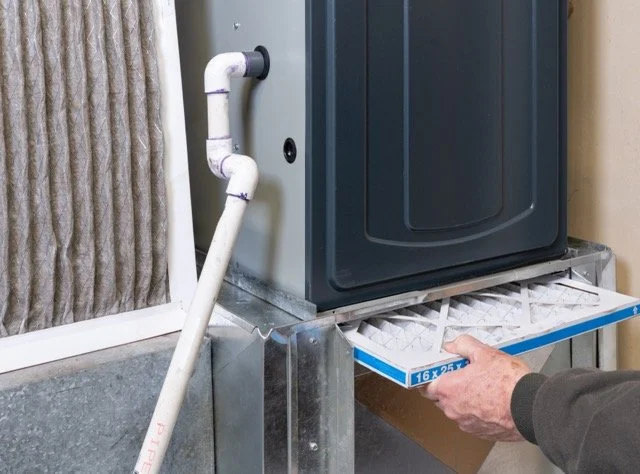
- Furnace cabinet: A slot on the lower front or side of the furnace, near the blower compartment. This is most common in basement furnace installations.
If you have a 4-inch or 5-inch media filter, it will be in a dedicated cabinet attached to the furnace or the return duct.
Step 3: Remove the Old Filter
Slide the filter out carefully. Note the airflow direction arrows printed on the cardboard frame. These arrows must point toward the furnace (away from the return duct) when you install the new filter.
If the filter does not slide out easily, check for clips, latches, or a cover that needs to be removed first. Do not force it.
Step 4: Inspect the Old Filter
Hold the filter up to a light source. If you cannot see light through the pleats, or if the surface is visibly caked with dust, pet hair, or debris, it was overdue for replacement.
Take a photo of the filter size printed on the frame (16x25x1, 20x20x4, etc.) so you can order the correct replacement next time.
Step 5: Install the New Filter
Match the size exactly. A filter that is too small will allow air to bypass around the edges. A filter that is too large will not fit in the slot.
Slide the new filter into the slot with the airflow arrows pointing toward the furnace. The arrows should point in the direction air is being pulled: away from the return duct, toward the blower.
Make sure the filter sits flush in the frame with no gaps around the edges. If there are gaps, air will bypass the filter and carry dust directly into your ductwork.
Step 6: Turn the Furnace Back On
Set your thermostat back to HEAT or AUTO. Listen for normal startup. The blower should start within 30 to 60 seconds, and you should feel strong airflow from your supply registers within a few minutes.
If you hear unusual noises (grinding, squealing, rattling) or if airflow is weak, turn the system off and call a technician. You may have installed the filter backwards or there may be another issue.
When to Call a Professional
If you cannot locate your filter, if the filter housing is damaged, or if you have a high-efficiency system with a media filter that you are not comfortable changing yourself, contact a reliable HVAC contractor in Metro Detroit like NEXT Heating & Cooling.
Our $5/month HVAC maintenance plan includes two annual visits where we inspect and replace your filter, check your heat exchanger, clean your burners, and test all safety controls. It is the easiest way to ensure your furnace stays in top condition without having to remember filter changes yourself.
Ready to Get Started?
NEXT Heating & Cooling has been keeping Michigan homes comfortable for over 35 years. Get honest diagnostics and fair pricing from NATE-certified technicians who show up on time. Whether you need a furnace tune-up, filter replacement, or a full system inspection, we are here to help.
Schedule Your ServiceFrequently Asked Questions
Check your filter every 30 days from November through March. If you have pets, check it every 20 days. During polar vortex events when your furnace runs 18+ hours per day, inspect it every two weeks. A 1-inch pleated filter (MERV 8-11) typically needs changing every 30 to 60 days in winter. A 4-inch media filter can last 6 to 12 months depending on home conditions.
Yes, but only if your furnace can handle it. Most residential furnaces work best with MERV 8 to MERV 13 filters. Higher MERV ratings (14-16) restrict airflow and can cause your blower motor to overheat or your heat exchanger to crack if the blower is not powerful enough. Check your furnace manual or ask a technician before upgrading to a MERV 13 or higher filter.
Never run your furnace without a filter. Dust and debris will bypass the filter housing and accumulate on the blower wheel, heat exchanger, and inside your ductwork. This reduces efficiency, increases wear on components, and contaminates your indoor air. We have seen blower wheels so caked with dust that they became unbalanced and damaged the motor bearings. Professional duct cleaning and blower cleaning can cost $600 to $1,200 to fix.
Washable filters save money over time but require regular maintenance. You need to remove the filter, rinse it thoroughly, let it dry completely (24 hours), and reinstall it every 30 days. If you forget or reinstall a damp filter, you risk mold growth. Most washable filters are also lower MERV ratings (4-8), so they do not filter as well as pleated disposable filters. For most Michigan homeowners, disposable pleated filters are more convenient and provide better air quality.
Fast filter clogging usually indicates leaky ductwork, high dust levels in your home, or excessive furnace runtime. If your ducts have gaps or were never properly sealed, they pull in dust from your attic, crawlspace, or basement every time the blower runs. Homes with pets, smoking, or construction activity will also clog filters faster. If you are changing filters every two weeks, schedule a ductwork inspection. Sealing duct leaks can cut filter replacement frequency in half.
Yes. Your air conditioner uses the same blower and ductwork as your furnace, which means it uses the same filter. A clogged filter in summer restricts airflow to your AC evaporator coil, which reduces cooling efficiency and can cause the coil to freeze. Check your filter every 30 to 60 days during cooling season, especially if you run the AC constantly during Michigan's humid summer weeks. For more on AC issues, read about why your AC might be blowing warm air.
Yes, if you know your filter size and plan to stay in your home for the next year or two. Buying a 6-pack or 12-pack of filters online saves 20% to 40% compared to buying them individually at the hardware store. Store them in a dry location (not a damp basement) and check the packaging for the correct size before ordering. If you are unsure about your filter size or MERV rating, ask a technician during your next service call.