

How to Winterize Your Home's Heating System in Macomb County
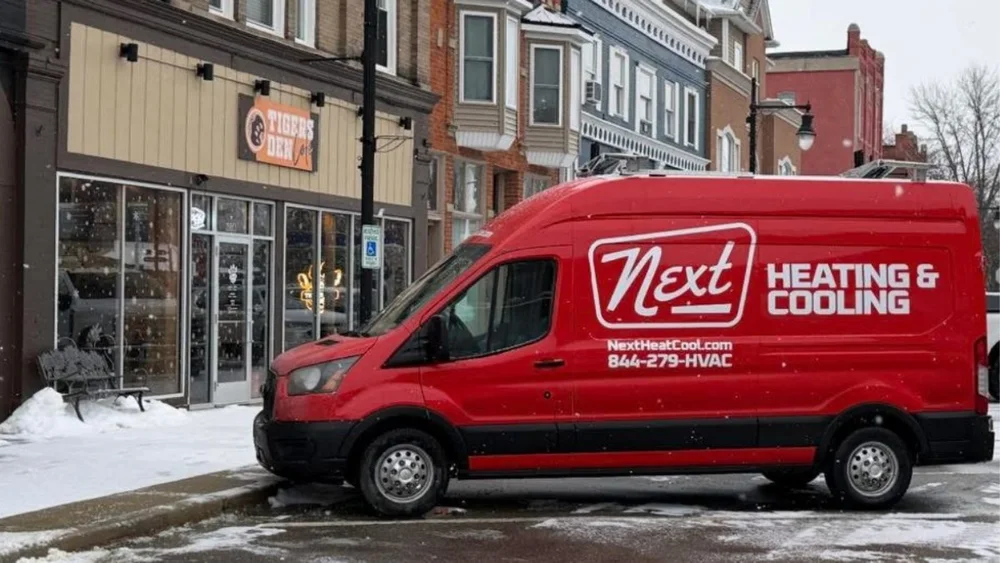
Your furnace worked fine last March. Then October rolls around, you flip the thermostat to heat, and nothing happens. Or worse, it fires up for ten minutes, shuts down, and leaves your family shivering while you're scrambling to find a reliable HVAC contractor in Metro Detroit who can fit you in before the polar vortex hits.
I've been servicing heating systems across Southeast Michigan for over two decades. Every November, we get flooded with emergency calls from homeowners who skipped winterization. The furnace that limped through last winter finally quit. The thermostat that seemed fine in June now can't hold a temperature. The ductwork that leaked a little warm air in March is now bleeding heat into your crawl space at $200 a month.
Winterizing your heating system isn't about crossing tasks off a checklist. It's about understanding what Michigan winters do to furnaces, ductwork, and thermostats, then addressing those stresses before they turn into 2 AM service calls. This guide walks through the exact steps our NATE-certified technicians follow when preparing homes in Sterling Heights, Clinton Township, and Warren for winter.
Why Winterization Matters in Southeast Michigan
Michigan winters aren't just cold. They're relentless. Lake-effect systems dump moisture into the air, then temperatures plunge to single digits. Your furnace cycles on and off dozens of times a day, working harder than systems in drier climates. Polar vortex events push equipment to its limits. A furnace that runs fine at 30°F struggles when it's -5°F and the wind chill hits -20°F.
The cost difference between preventive winterization and emergency repairs is stark. A professional tune-up runs $120-180. An emergency service call on a Saturday night in January starts at $300 before we even diagnose the problem. If your heat exchanger cracks or your blower motor seizes, you're looking at $800-2,500 in repairs, or $3,500-7,000 for a full furnace replacement.
Industry data shows that 95% of furnace breakdowns during heating season could have been prevented with proper maintenance. The failures we see most often in Macomb County homes: dirty filters causing overheating, ignition systems fouled by dust, cracked heat exchangers from years of neglect, and ductwork leaks that force furnaces to run 40% longer to maintain temperature.
Inspect and Replace Your Furnace Filter
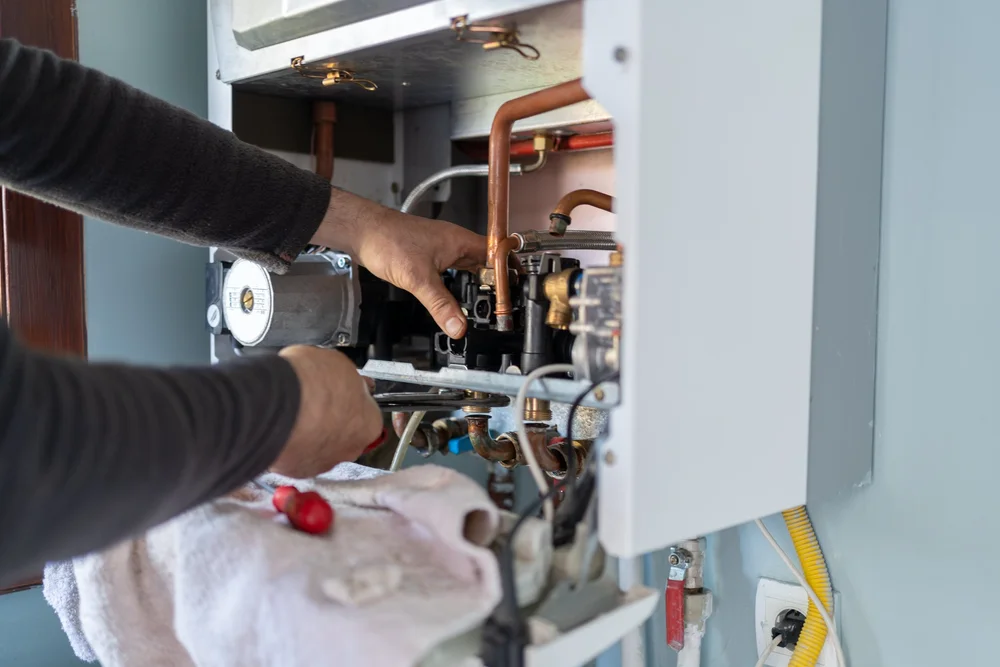
Your furnace filter is the first line of defense against system failure. A clogged filter restricts airflow, forcing your blower motor to work harder. Reduced airflow causes the heat exchanger to overheat. Modern furnaces have limit switches that shut the system down when temperatures get too high, which is why a dirty filter often presents as intermittent heating or a furnace that runs for five minutes then quits.
Most residential furnaces use filters rated between MERV 8 and MERV 13. MERV stands for Minimum Efficiency Reporting Value. Higher numbers capture smaller particles but also restrict airflow more. For homes without significant allergies or pets, MERV 8-11 strikes the right balance. If you have pets, allergies, or someone with respiratory issues, MERV 11-13 makes sense, but you'll need to replace filters more frequently.
Replacement schedule depends on your household. Homes with no pets and minimal dust can go 90 days. Homes with one or two pets should check monthly and replace every 60 days. Homes with multiple pets, smokers, or ongoing construction should replace every 30 days. In October, replace your filter regardless of the schedule. Your furnace is about to work harder than it has in six months.
When you pull the old filter, look at the pleats. If they're gray or black with dust, you waited too long. If you can't see light through the filter when you hold it up, airflow is already restricted. Some homeowners try to vacuum filters to extend their life. Don't. Fibers break down, filtration drops, and you risk damaging the filter media and sending debris into your blower assembly.
Test Your Thermostat Before the Cold Hits
Your thermostat is the brain of your heating system. If it can't accurately read temperature or send signals to your furnace, nothing else matters. Testing in October gives you time to address problems before you need heat.
Start by replacing batteries if your thermostat uses them. Even hardwired thermostats often have backup batteries that maintain settings during power outages. Dead batteries cause erratic behavior: the screen goes blank, programming resets, or the thermostat stops communicating with the furnace. Replace batteries annually in October, regardless of whether the low battery indicator has appeared.
Next, verify calibration. Set your thermostat to heat mode and raise the temperature setting 5 degrees above current room temperature. The furnace should start within 30 seconds. Use a separate thermometer to check actual room temperature against the thermostat reading. If they differ by more than 2 degrees, your thermostat may need recalibration or replacement.
Older mechanical thermostats drift out of calibration over time. Digital thermostats are more accurate but can fail when internal components age. If your thermostat is more than 15 years old, consider upgrading to a programmable or smart model. The energy savings from proper temperature setbacks pay for the upgrade within two heating seasons. If you're experiencing thermostat temperature problems, the issue might be more than just the device itself.
Check Your Furnace Ignition System
Modern furnaces use electronic ignition systems instead of standing pilot lights. When your thermostat calls for heat, the ignition system creates a spark or heats a surface to ignite the gas. If this system fails, your furnace won't produce heat.
Listen when your furnace starts. You should hear a click or hum as the igniter activates, followed by the whoosh of gas igniting. If you hear clicking but no ignition, or if the furnace tries to start multiple times before succeeding, your igniter may be weak. Hot surface igniters are ceramic elements that glow orange-white before gas flows. They typically last 5-7 years but can crack or degrade faster in furnaces that cycle frequently.
If your furnace still has a standing pilot light (common in systems built before 2000), check that the flame is steady and blue. A yellow or flickering flame indicates incomplete combustion, often caused by a dirty pilot orifice or improper air mixture. This is both an efficiency problem and a safety concern. Never attempt to adjust gas valves yourself. Call a licensed contractor.
Ignition problems often coincide with dirty burners. Dust and debris accumulate over the summer when the furnace sits idle. When the burners fire for the first time in October, that debris burns off, creating a distinctive smell. That's normal for the first few cycles. If the smell persists or you smell gas at any time, shut off your furnace at the breaker and call for service immediately. Gas leaks are not DIY territory.

Inspect Ductwork for Leaks and Damage
Ductwork is the circulatory system of your heating setup. Leaky ducts waste energy, create comfort problems, and force your furnace to run longer. According to the U.S. Department of Energy, duct leaks in typical homes waste 20-30% of heating energy. In Michigan, that's $300-600 per winter in wasted gas or electricity.
Start your inspection in the basement or crawl space where ductwork is visible. Look for disconnected sections, gaps at joints, and damaged insulation. Flex duct (the ribbed, flexible tubing) deteriorates faster than sheet metal. Look for tears, compression, or sections that have pulled away from collars. Sheet metal ducts develop gaps where sections connect, especially at elbows and transitions.
Check for rust or corrosion, particularly on older galvanized steel ducts. Rust indicates moisture problems, which can come from condensation, leaks in the building envelope, or improperly vented combustion appliances. Corroded ductwork needs replacement, not just sealing.
Small gaps and seams can be sealed with mastic sealant, a thick paste that dries to a flexible, airtight seal. Never use standard duct tape for HVAC repairs. Despite the name, it fails quickly in heating environments. Foil-backed tape rated for HVAC use works for temporary fixes, but mastic is the professional standard. For homes with significant duct leaks or poor original installation, professional duct sealing or replacement makes sense. We often find ductwork in 1960s-1980s ranch homes that was undersized from the start or has deteriorated to the point where sealing isn't cost-effective.
If you're noticing uneven heating throughout your house, ductwork problems are often the culprit.
Schedule Professional Furnace Maintenance
DIY winterization covers the basics. Professional maintenance goes deeper. A comprehensive furnace tune-up includes tasks that require specialized tools, training, and licensing. When our technicians service a furnace, we're checking components most homeowners never see and testing performance parameters that aren't obvious until something fails.
A professional tune-up includes inspecting the heat exchanger for cracks, testing gas pressure and combustion efficiency, cleaning burners and flame sensors, lubricating blower motor bearings, checking electrical connections for corrosion, testing safety controls and limit switches, measuring airflow and temperature rise, and inspecting the condensate drain and trap on high-efficiency furnaces.
Heat exchanger inspection is critical. The heat exchanger is the metal chamber where combustion gases heat the air that circulates through your home. Cracks or holes allow carbon monoxide to enter your living space. Visual inspection catches obvious cracks, but small fractures only show up under operating conditions. We use mirrors and cameras to inspect areas that aren't directly visible, and we monitor exhaust gases for signs of incomplete combustion.
Timing matters. Schedule maintenance in October, not November. By mid-November, HVAC contractors are slammed with service calls from homeowners whose furnaces failed during the first cold snap. Wait times stretch to days or weeks. October is slower, which means better availability and more thorough service. Technicians aren't rushing between emergency calls.
Our $5/month HVAC maintenance plan includes two annual visits: a fall furnace tune-up and a spring AC tune-up. Members get priority scheduling, which means your October appointment is locked in before the rush starts. The plan also includes 10% off repairs and no service call fees, which pays for itself if you need even one repair during the year.
Clear Vents and Registers Throughout Your Home
Blocked vents force your furnace to work harder and create pressure imbalances in your ductwork. Every supply register should deliver unobstructed airflow. Every return vent should draw air freely. When vents are blocked, your furnace runs longer to heat your home, your energy bills climb, and components wear out faster.
Walk through your home and check every room. Move furniture away from supply registers. Pull curtains and drapes clear of floor vents. Remove storage items from closets with return vents. Vacuum dust and debris from register grilles. Pet hair and dust build up on the louvers, restricting airflow even when the vent looks clear.
Return vents are often overlooked but equally important. Your furnace needs a steady supply of air to heat and circulate. Blocked return vents create negative pressure, which can cause backdrafting in combustion appliances, pull cold air through gaps in your building envelope, and strain your blower motor. Most homes have one or two large return vents, often in hallways or central living areas. These need to stay completely clear.
Some homeowners close vents in unused rooms, thinking they'll save energy by not heating those spaces. This rarely works as intended. Modern furnaces are designed to heat the entire square footage of your home. Closing vents creates pressure imbalances, forces more air through open vents (which can be noisy), and may actually reduce efficiency by disrupting the system's designed airflow. If you have rooms you genuinely don't use, consider closing the door and setting a lower temperature in that zone if you have a zoned system.
Check Your Carbon Monoxide Detectors
Carbon monoxide is a colorless, odorless gas produced by incomplete combustion in gas furnaces, water heaters, and other fuel-burning appliances. It's lethal at high concentrations and causes serious health problems at lower levels. Michigan residential code requires carbon monoxide detectors within 10 feet of every bedroom.
Test every detector in your home by pressing the test button. If the alarm doesn't sound, replace the batteries immediately and test again. If it still doesn't work, replace the detector. Most CO detectors have a lifespan of 5-7 years. Check the manufacture date on the back of the unit. If it's older than 7 years, replace it regardless of whether it passes the test. Sensor elements degrade over time and may not respond accurately to carbon monoxide.
Install detectors on every level of your home, including the basement if that's where your furnace is located. Place them in hallways outside bedrooms, not inside bedrooms where noise from the alarm might be muffled by closed doors. Don't install detectors directly next to fuel-burning appliances, where brief, harmless combustion byproducts during startup might trigger false alarms.
If your CO detector alarms, take it seriously. Evacuate your home immediately and call 911 from outside. Don't try to locate the source yourself. Fire departments have equipment to measure CO levels and identify the source. Common causes include cracked heat exchangers, blocked flue pipes, backdrafting from negative pressure, and malfunctioning water heaters or other appliances. This is one reason why our technicians inspect heat exchangers so carefully during maintenance visits. A burning smell from your furnace can sometimes indicate a serious problem that requires immediate attention.
When to Call a Heating Contractor in Macomb
Some winterization tasks are straightforward. Others require professional expertise. Knowing when to call a contractor saves you money and prevents safety problems.
Call a licensed heating contractor if you notice any of these warning signs: the furnace won't start or cycles on and off repeatedly (short cycling), you smell gas at any time, the pilot light won't stay lit or the flame is yellow instead of blue, you hear loud banging, scraping, or squealing noises from the furnace, airflow from vents is weak even with a new filter, the heat exchanger shows visible cracks or rust, your carbon monoxide detector alarms, your energy bills have increased significantly without explanation, or the furnace is more than 15 years old and needs frequent repairs.
Short cycling is one of the most common problems we diagnose in fall. The furnace runs for a few minutes, shuts off, then starts again shortly after. This can be caused by a dirty filter, a failing limit switch, an oversized furnace, or a malfunctioning thermostat. Furnace short cycling wastes energy and accelerates wear on components. It's not something to ignore.
Strange noises often indicate mechanical problems. Banging or booming sounds during startup suggest delayed ignition, where gas builds up before igniting. Scraping or grinding noises point to blower motor bearing failure. Squealing usually means a worn blower belt on older furnaces. These problems don't fix themselves. They get worse until something breaks.
When you call for service, choose a licensed contractor with proper credentials. In Michigan, HVAC work requires a mechanical contractor license. Ask for proof of licensing and insurance. Verify that technicians are NATE-certified, which demonstrates competency in HVAC service and repair. Check reviews and references. A low price isn't a bargain if the work is substandard or the diagnosis is wrong.
Our approach at NEXT Heating & Cooling is straightforward. We show up on time, diagnose the problem accurately, explain what we found in plain language, and give you options without pressure. We don't work on commission, so our technicians have no incentive to upsell unnecessary equipment. If your furnace can be repaired cost-effectively, we'll repair it. If replacement makes more sense, we'll explain why and provide transparent pricing. That's the same approach that built our reputation in the exterior contracting business, now applied to heating and cooling services Metro Detroit families count on.
Ready to Winterize Your Heating System?
NEXT Heating & Cooling has been keeping Michigan homes comfortable for over 35 years. Our NATE-certified technicians provide honest diagnostics, fair pricing, and no-pressure service. Schedule your fall furnace tune-up before the November rush.
Schedule Your Service