

Emergency Heating Repair Macomb: What to Do When Your Furnace Fails
Your furnace just quit. The temperature outside is 12 degrees. Your house is getting colder by the minute. You need heating and cooling services in Metro Detroit, and you need them now.
This is the moment when homeowners in Sterling Heights, Warren, and Clinton Township start Googling "emergency heating repair near me" at 2 AM. We have been on the receiving end of those calls for over 35 years. We know the panic, the frustration, and the questions racing through your mind: How fast can someone get here? What is this going to cost? Is my furnace dead, or can it be fixed?
This guide walks you through exactly what to do when your furnace fails, what qualifies as a true heating emergency, and how emergency repair actually works in Macomb County. No fluff, no sales pitch. Just the information you need to make smart decisions when your heat goes out.
What Qualifies as a Heating Emergency in Michigan?
Not every furnace problem requires emergency service. A furnace that is running but not heating efficiently? That is inconvenient. A furnace that quit completely during a polar vortex when temperatures are forecast to drop below 10 degrees? That is an emergency.
Here is how we define a heating emergency at NEXT Heating & Cooling:
- No heat at all when outdoor temperatures are below freezing
- Suspected carbon monoxide leak (headaches, nausea, yellow or flickering pilot light flame)
- Gas smell near your furnace or gas meter
- Visible smoke or fire coming from your furnace
- Loud banging, screeching, or grinding that indicates imminent mechanical failure
- Frozen or burst pipes due to lack of heat
Michigan winters do not mess around. When temperatures drop into single digits, a house without heat can reach unsafe conditions in just a few hours. Pipes can freeze in as little as six hours when indoor temperatures fall below 50 degrees. Once pipes freeze, you are looking at plumbing damage on top of your heating repair bill.
Safety First: If you smell gas, leave your house immediately and call DTE Energy or Consumers Energy from outside. Do not turn any lights on or off, do not use your phone inside the house, and do not try to locate the leak yourself. Gas leaks are life-threatening.
Carbon monoxide is another serious risk. A cracked heat exchanger can leak carbon monoxide into your home with no warning. If your carbon monoxide detector goes off, or if multiple people in your household suddenly feel dizzy, nauseous, or get headaches, get everyone outside and call 911 first, then call us.

First Steps When Your Furnace Stops Working
Before you call for emergency service, run through this quick checklist. You might save yourself a service call, or at least give the technician helpful information when they arrive.
Check Your Thermostat
This sounds obvious, but we have driven out to homes in Troy and Royal Oak where the thermostat was simply set to OFF or COOL instead of HEAT. Verify the thermostat is set to HEAT mode and the temperature is set at least five degrees higher than the current room temperature. If you have a battery-powered thermostat, try replacing the batteries.
Look at Your Circuit Breaker
Go to your electrical panel. Find the breaker labeled for your furnace. If it has tripped to the OFF position, flip it back to ON. If it trips again immediately, you have an electrical problem that needs professional attention. Do not keep resetting it.
Check the Furnace Power Switch
Most furnaces have a power switch mounted on or near the unit. It looks like a standard light switch. Someone cleaning the basement or moving storage boxes might have accidentally flipped it off. Make sure it is in the ON position.
Inspect Your Air Filter
A completely clogged air filter can cause your furnace to overheat and shut down as a safety measure. If your filter looks like a solid sheet of dust and debris, replace it. Most furnaces use 1-inch filters that should be changed every 1-3 months during heating season. If you have not changed yours since last winter, that could be your problem.
For more details on airflow problems, read our guide on what causes furnace airflow issues.
Look for Error Codes
Modern furnaces have a small LED light on the control board that blinks in a specific pattern when something is wrong. Open your furnace door and look for the light. Count how many times it blinks, then pauses, then blinks again. The diagnostic chart inside your furnace door or in your owner's manual will tell you what that code means. When you call for service, tell the technician what code you are seeing. It helps us bring the right parts.
Common Causes of Furnace Failure in Macomb County
After 35 years of emergency heating repair calls in Southeast Michigan, we see the same problems over and over. Here are the most common reasons furnaces fail in the middle of winter.
Pressure Switch Stuck Open
The pressure switch monitors airflow through your furnace. If it detects a problem with the draft inducer motor or a blockage in the vent pipe, it will not allow the furnace to ignite. This is a safety feature. A stuck pressure switch is one of the most common emergency repair calls we get in Sterling Heights and Shelby Township. Causes include a clogged condensate drain, a faulty pressure switch, or ice buildup in the vent pipe during extreme cold.
We have written a detailed breakdown of furnace pressure switch problems and fixes if you want to understand this issue better.
Ignition System Failure
Modern furnaces use electronic ignition instead of a standing pilot light. The hot surface igniter (HSI) is a ceramic element that glows red hot to light the gas. These igniters are fragile. They crack over time and stop working. If your furnace is trying to start but you hear clicking without ignition, or if the igniter glows but the burners do not light, you likely need a new igniter. This is a straightforward repair that takes about 30 minutes.
Cracked Heat Exchanger
This is the worst-case scenario. The heat exchanger is the metal chamber where combustion happens. Over years of heating and cooling cycles, the metal can develop cracks. A cracked heat exchanger can leak carbon monoxide into your home. If your furnace is more than 15 years old and a technician finds a cracked heat exchanger, you need a new furnace. There is no safe repair. This is not upselling. It is a life-safety issue.
Blower Motor or Capacitor Failure
The blower motor pushes heated air through your ductwork. If it fails, your furnace might ignite and produce heat, but no air moves through your house. The capacitor is what starts the blower motor. Capacitors fail frequently in older furnaces. You will hear the furnace running, but no air comes out of your vents. This repair usually takes less than an hour.
Flame Sensor Covered in Soot
The flame sensor is a small metal rod that sits in the burner flame. It confirms that gas is actually burning. If it gets covered in carbon buildup, it cannot sense the flame, and the furnace shuts down after a few seconds. This causes short cycling. The furnace lights, runs for 10-30 seconds, then shuts off. Cleaning the flame sensor takes about 15 minutes and costs far less than replacing major components.
How Fast Can You Get Emergency Heating Repair?
When you call a reliable HVAC contractor in Metro Detroit for emergency service, response time depends on several factors: the time of day, how cold it is outside, and how many other emergencies are already in the queue.
Here is the reality: during a polar vortex event when temperatures drop below zero, every HVAC company in Southeast Michigan gets slammed. Furnaces that have been limping along suddenly quit. We prioritize calls based on severity. A house with no heat and young children or elderly residents gets bumped to the front of the line. A house where the furnace is running but not heating well might wait a few hours.
At NEXT Heating & Cooling, we staff technicians around the clock during peak winter months. Our typical emergency response time in Macomb County is 2-4 hours during extreme weather events, faster during normal winter conditions. We will give you an honest time estimate when you call, not a vague "we will get there when we can."
What the Technician Will Check First
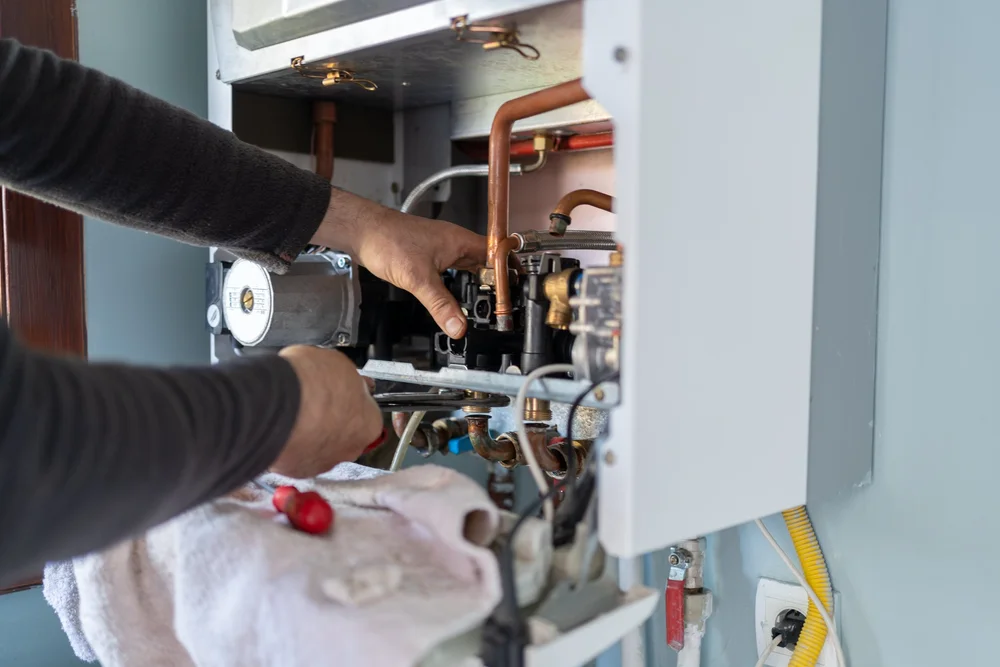
When our technician arrives, they will run through a systematic diagnostic process. First, they will verify power to the furnace and check the thermostat. Then they will open the furnace and look for error codes. They will test the ignition system, check the pressure switch, inspect the heat exchanger, and test the blower motor.
Most emergency repairs fall into one of two categories: simple fixes that take 30-60 minutes, or major component failures that require parts we might not have on the truck. Our technicians carry the most common repair parts (igniters, flame sensors, capacitors, pressure switches), but if your furnace needs a blower motor or a gas valve, we might need to order the part and come back the next day.
Repair or Replace?
This is the question every homeowner dreads. If your furnace is less than 10 years old and the repair costs less than $500, repair almost always makes sense. If your furnace is 15-20 years old and needs a $1,200 repair, replacement might be smarter.
We use a simple rule: if the repair cost is more than half the cost of a new furnace, and your furnace is past its expected lifespan, replacement is usually the better investment. A typical furnace lasts 15-20 years. If yours is 18 years old and needs major work, you are putting money into a system that will likely fail again soon.
Our technicians will walk you through both options with real numbers. We will never pressure you to replace a furnace that can be reasonably repaired. That is not how we operate. For a full breakdown of costs, see our article on new furnace costs in Michigan.
What Emergency Heating Repair Costs in Southeast Michigan
Emergency service costs more than regular business hours service. That is true everywhere. Here is what to expect in Macomb County.
Emergency Service Call Fee
Most HVAC contractors charge an emergency service call fee of $150-$250 for after-hours, weekend, or holiday service. This covers the technician's time to drive to your house and diagnose the problem. At NEXT Heating & Cooling, our emergency service call fee is $175. That fee is typically applied toward the repair cost if you proceed with the work.
Common Repair Costs
Here are typical costs for the most common emergency furnace repairs in Southeast Michigan:
- Flame sensor cleaning: $125-$175
- Igniter replacement: $200-$350
- Pressure switch replacement: $250-$400
- Blower motor capacitor: $150-$250
- Blower motor replacement: $500-$900
- Gas valve replacement: $400-$700
- Inducer motor replacement: $500-$800
- Control board replacement: $400-$800
These prices include parts, labor, and our service call fee. Emergency service during nights, weekends, or holidays might add $50-$100 to these costs. We will always give you a firm quote before we start work. No surprises.
When Replacement Makes More Sense
A new furnace in Southeast Michigan costs $3,500-$7,000 installed, depending on the brand, efficiency rating, and size. If your furnace is 15+ years old and needs a $1,500 repair, you are better off replacing it. You will get a new warranty, better efficiency, and 15-20 years of reliable heat.
For homeowners in Troy and Rochester Hills, we have a detailed guide on what furnace installation includes and how long it takes.
Preventing Furnace Emergencies Before They Happen
The best emergency repair is the one you never need. Most furnace failures are preventable with basic maintenance. Here is what actually works.
Annual Furnace Tune-Ups
A professional tune-up every fall catches small problems before they become emergencies. During a tune-up, a technician will clean the flame sensor, test the igniter, check the pressure switch, inspect the heat exchanger, lubricate the blower motor, and test all safety controls. This takes about 90 minutes and costs $100-$150.
At NEXT Heating & Cooling, our Next Care Plan includes two annual tune-ups (one for your furnace in the fall, one for your AC in the spring) for just $5 per month. You also get priority scheduling, 10% off repairs, and no service call fees. It is the cheapest insurance you can buy against a furnace failure in January.
Change Your Air Filter Regularly
This is the single most important thing you can do. A dirty filter restricts airflow, makes your furnace work harder, and causes overheating. During heating season (October through April in Michigan), check your filter every month. If it looks dirty, change it. Standard 1-inch filters should be replaced every 1-3 months. Thicker 4-inch or 5-inch media filters can last 6-12 months.
Keep Your Vents Clear
Do not block supply or return vents with furniture, storage boxes, or curtains. Blocked vents reduce airflow and make your furnace work harder. Make sure all vents in your house are open, even in rooms you do not use. Closing vents in unused rooms does not save energy. It creates pressure imbalances that can damage your ductwork and furnace.
Watch for Warning Signs
Furnaces usually give you warning before they quit completely. Pay attention to these signs:
- Strange noises (banging, screeching, rumbling)
- Yellow or flickering pilot light flame (should be blue)
- Frequent cycling on and off
- Weak airflow from vents
- Uneven heating (some rooms hot, others cold)
- Rising utility bills without increased usage
- Visible rust or corrosion on the furnace
If you notice any of these, call for service before your furnace quits completely. A planned repair during normal business hours costs less than an emergency call at 2 AM.
Why Macomb County Homeowners Choose NEXT for Emergency Service
We are not the biggest HVAC company in Metro Detroit, and that is the point. We are the company that shows up when we say we will, diagnoses the problem honestly, and gives you options without pressure.
Our technicians are NATE-certified, which means they have passed rigorous testing on HVAC systems and building science. They are not commissioned salespeople. They are trained technicians who get paid the same whether they sell you a new furnace or clean a flame sensor.
We have been serving Macomb, Oakland, and St. Clair counties for over 35 years under Premier Builder Inc. The same ownership and values that built NEXT Exteriors now apply to HVAC. We are involved in the community through Habitat for Humanity of Oakland County and LifeBUILDERS in Detroit. We are BBB A+ accredited. We hold a Michigan Mechanical Contractor License. We are authorized dealers for Carrier, Lennox, Trane, Rheem, Bryant, Goodman, Amana, York, and RUUD.
When you call NEXT Heating & Cooling for emergency service, you get a technician who will explain what is wrong, show you the failed part, and give you a firm price before starting work. No hidden fees. No upselling. Just honest diagnostics and fair pricing.
Ready to Get Started?
NEXT Heating & Cooling has been keeping Michigan homes comfortable for over 35 years. Get honest diagnostics and fair pricing from NATE-certified technicians who show up on time.
Schedule Your Service