

Is a Furnace Tune-Up Really Necessary Every Year in Michigan?
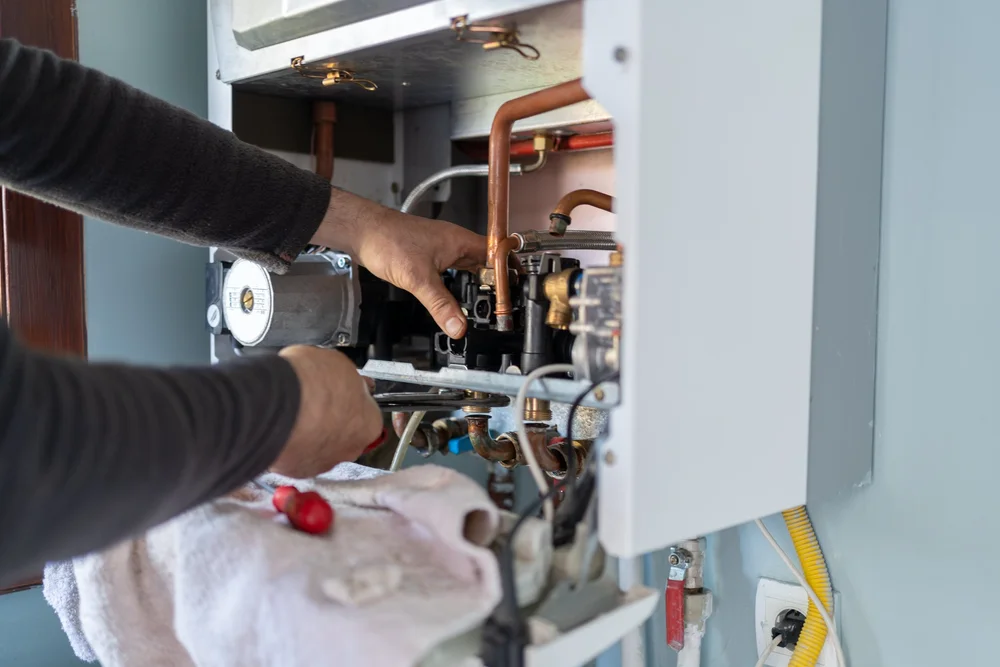
Yes. In Michigan, annual furnace tune-ups are not optional maintenance — they are essential equipment survival strategy. Here is why: Your furnace runs roughly 2,500 to 3,500 hours per heating season in Southeast Michigan. That is 10 to 15 times the runtime of a furnace in Phoenix or Houston. Polar vortex events, lake-effect cold snaps, and sustained sub-zero temperatures push residential heating equipment harder than almost anywhere else in the continental United States.
After 35 years of keeping Michigan homes warm through some of the coldest winters on record, we have seen what happens when homeowners skip annual maintenance. Cracked heat exchangers. Failed ignition systems. Carbon monoxide leaks. Emergency service calls on Christmas Eve when it is negative eight degrees outside and your furnace quits at 2 AM. The pattern is consistent: homeowners who skip tune-ups pay more in the long run — in emergency repairs, wasted energy, shortened equipment life, and safety risks.
This is not a sales pitch. This is what we find when we open up furnaces in Sterling Heights, Troy, and Clinton Township every fall. Let me walk you through what actually happens during a professional tune-up, what we find when homeowners skip it, and the real cost difference between preventive maintenance and reactive repairs.
What Actually Happens During a Furnace Tune-Up
A real furnace tune-up is not a guy showing up, changing your filter, and leaving in 15 minutes. When NATE-certified HVAC technicians perform annual maintenance, they are conducting a comprehensive mechanical inspection and performance test. Here is what that actually looks like:
Visual Inspection and Safety Check
We start by inspecting the heat exchanger for cracks, rust, or corrosion. This is the component that separates combustion gases from the air your family breathes. A cracked heat exchanger can leak carbon monoxide into your home — a silent, odorless killer. We use a flashlight and mirror to examine every panel and seam. On older furnaces (15+ years), we sometimes use a combustion analyzer to detect trace amounts of carbon monoxide in the supply air, even when visual inspection shows no obvious damage.
Next, we check the venting system. Michigan furnaces vent through chimneys, PVC pipes, or metal flues, depending on efficiency rating. We verify proper draft, check for blockages (bird nests, debris, ice buildup), and confirm all joints are sealed. A blocked vent can cause combustion gases to backdraft into your home.

Burner Assembly Cleaning and Adjustment
Gas burners accumulate soot, dust, and carbon deposits over the heating season. Dirty burners reduce combustion efficiency, cause uneven heating, and can create flame rollout — a dangerous condition where flames extend outside the burner assembly. We remove the burner tray, clean each burner with a wire brush, and vacuum out the combustion chamber.
Then we adjust gas pressure to manufacturer specifications. Too much pressure wastes fuel and can damage the heat exchanger. Too little causes incomplete combustion, sooting, and carbon monoxide production. We use a manometer to measure inlet and manifold pressure, comparing actual readings to the data plate specs for your specific Carrier, Lennox, Trane, or Bryant model.
Blower Motor and Belt Service
The blower motor is the workhorse of your furnace. It runs thousands of hours per year, moving heated air through your ductwork. We lubricate motor bearings (on older models that have oil ports), check for unusual noise or vibration, and measure amp draw with a clamp meter. High amp draw indicates bearing wear or a failing motor — catching this early prevents a mid-winter breakdown.
If your furnace has a belt-drive blower, we inspect belt condition and tension. A loose belt reduces airflow and efficiency. A worn belt can snap during operation, shutting down your heat. We adjust tension to manufacturer specs and replace belts showing cracks, glazing, or fraying.
Filter Replacement and Airflow Testing
We install a new air filter and measure static pressure across the filter housing. Restricted airflow is the leading cause of furnace overheating and premature failure. We check all supply and return ductwork connections, looking for disconnected boots, torn flex duct, or crushed runs. In older Michigan homes — especially 1960s ranches with original ductwork — we often find significant air leakage that wastes 20 to 30 percent of heated air into unconditioned spaces like crawlspaces or attics.
Control System Testing
We test thermostat calibration, verify the limit switch shuts off the burner at the correct temperature, and confirm the blower delay timer operates properly. We cycle the furnace through multiple heating cycles, listening for unusual sounds and monitoring ignition performance. Modern furnaces use hot surface igniters or electronic ignition; older units have standing pilot lights. Each system has specific failure modes we check for.
Combustion Analysis and Efficiency Testing
Using a flue gas analyzer, we measure oxygen, carbon monoxide, and carbon dioxide levels in the exhaust stream. This tells us actual combustion efficiency and whether the furnace is burning cleanly. A properly tuned furnace should show less than 50 parts per million of carbon monoxide in the flue gas. Readings above 100 ppm indicate incomplete combustion and require immediate correction.
We calculate actual AFUE (Annual Fuel Utilization Efficiency) and compare it to the rated efficiency. A furnace rated at 95% AFUE should still perform close to that rating if properly maintained. Efficiency losses of 5 to 10 percent are common in neglected systems, costing hundreds of dollars per year in wasted fuel.
Michigan Homeowner Tip: If a technician shows up for a "tune-up" and does not bring a combustion analyzer, does not remove the burner assembly, and does not measure static pressure, you are not getting a real tune-up. You are getting a filter change with a visual inspection. That is not enough to keep a Michigan furnace safe and efficient through a full heating season.
Why Michigan Winters Make Annual Tune-Ups Critical
Southeast Michigan averages 6,500 to 7,000 heating degree days per year. That is roughly double what homeowners in Nashville experience and triple what Phoenix sees. Your furnace runs from October through April — sometimes into May during cold springs. Polar vortex events can push temperatures to negative 15 degrees Fahrenheit with wind chills approaching negative 40. During these cold snaps, your furnace runs almost continuously, cycling on and off only briefly when the thermostat is satisfied.
This extended runtime accelerates wear on every component. Blower motors accumulate bearing wear. Heat exchangers expand and contract thousands of times, developing stress cracks. Burners accumulate carbon deposits. Electrical connections corrode from temperature cycling and basement humidity. A furnace in Michigan ages faster than the same model installed in Georgia or North Carolina.
We track failure data across thousands of service calls in Macomb, Oakland, and St. Clair counties. Furnaces that receive annual maintenance last an average of 18 to 22 years. Furnaces that skip regular service fail prematurely, averaging 12 to 15 years. The difference is not small — it is five to seven additional years of service life, which translates to thousands of dollars in replacement cost deferred.
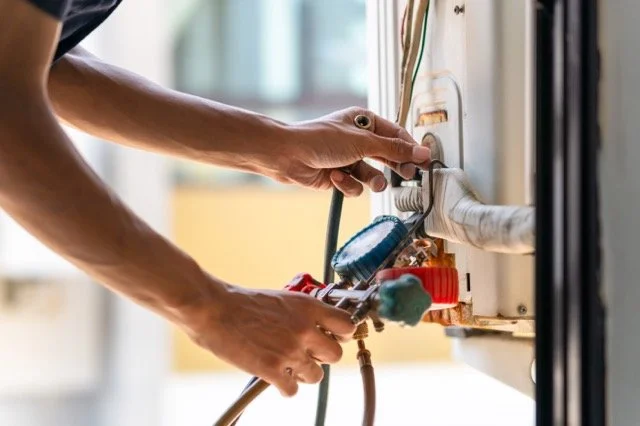
What We Find When Homeowners Skip Annual Maintenance
Every fall, we service furnaces that have not been touched in three, five, or even ten years. Here is what we consistently find:
Cracked Heat Exchangers
Heat exchanger cracks are the most serious failure mode. They allow combustion gases — including carbon monoxide — to mix with the air circulating through your home. Cracks develop from thermal stress, corrosion, or flame impingement caused by dirty burners. We find cracked heat exchangers most often in furnaces that have run for years with restricted airflow (dirty filters, blocked returns) or dirty burners causing localized overheating.
A cracked heat exchanger means furnace replacement. There is no repair. Replacement cost for a residential furnace in Metro Detroit ranges from $3,500 to $8,000 depending on size, efficiency, and installation complexity. Annual maintenance catches the conditions that cause heat exchanger failure — dirty burners, restricted airflow, improper combustion — before they destroy the furnace.
Failed Limit Switches and Rollout Sensors
Limit switches prevent furnace overheating by shutting off the burner when plenum temperature exceeds safe limits. Rollout sensors detect flame rollout and shut down the furnace immediately. Both are critical safety devices. We find failed or tripped limit switches in furnaces with chronic airflow restriction. The furnace overheats repeatedly, eventually damaging the limit switch or causing it to fail in the open position — which means it no longer protects the furnace from overheating.
Ignition System Failures
Hot surface igniters crack from thermal cycling and contamination. Electronic ignition modules fail from voltage spikes and component aging. When ignition systems fail, the furnace either will not start or cycles on and off repeatedly without establishing flame. We replace dozens of hot surface igniters every fall in furnaces that have not been maintained. A $150 igniter replacement during a tune-up is a lot cheaper than a $350 emergency service call on a Sunday night in January.
Efficiency Loss and Energy Waste
Dirty burners, restricted airflow, and improper combustion reduce furnace efficiency by 10 to 20 percent. For a home using $1,500 in natural gas per heating season, that is $150 to $300 wasted every year. Over five years, you have lost $750 to $1,500 in energy costs — far more than the cost of annual tune-ups. We measure this with combustion analysis. A neglected furnace might show 80 to 85 percent efficiency when it should be running at 92 to 95 percent. That lost efficiency comes straight out of your wallet.
If you have noticed your energy bills creeping up without explanation, furnace efficiency loss might be the culprit. Our combustion testing during tune-ups quantifies exactly how much efficiency you are losing and what it costs you.
The Real Cost of Skipping vs. Getting Annual Service
Let me break down the actual numbers for a typical Michigan homeowner:
Annual Tune-Up Cost
A professional furnace tune-up from a licensed HVAC contractor in Southeast Michigan costs $150 to $250 for a one-time service call. That includes everything outlined above — combustion analysis, burner cleaning, blower service, safety inspection, filter replacement, and performance testing.
The Next Care Plan offers a better value: $5 per month ($60 per year) includes two annual home visits — a fall furnace tune-up and a spring AC tune-up. You also get priority scheduling, 10 percent off all repairs, and no service call fees. For homeowners with both heating and cooling systems, this plan pays for itself immediately.
Emergency Repair Cost
Emergency service calls during winter cost $300 to $500 just to diagnose the problem. That is before parts and labor. Common winter furnace repairs we handle include:
- Blower motor replacement: $450 to $850
- Hot surface igniter replacement: $250 to $400
- Gas valve replacement: $400 to $700
- Inducer motor replacement: $500 to $900
- Control board replacement: $350 to $650
Most of these failures are preventable with annual maintenance. A blower motor that is lubricated annually and monitored for bearing wear will last 15 to 20 years. One that runs dry and overheats fails in 8 to 10 years. An igniter that is kept clean and protected from flame rollout lasts five to seven years. One exposed to dirty combustion cracks in two to three years.
Energy Waste Cost
A furnace running at 80 percent efficiency instead of 95 percent wastes roughly 16 percent of your fuel. For a home using 800 therms of natural gas per winter at $1.20 per therm, that is $960 total fuel cost. The 16 percent waste equals $154 per year. Over five years without maintenance, you have wasted $770 in fuel costs alone.
Shortened Equipment Life Cost
Replacing a furnace five to seven years early because you skipped maintenance costs $3,500 to $8,000. Even at the low end, that is $3,500 divided by seven years, or $500 per year in accelerated depreciation. Add that to energy waste and increased repair frequency, and skipping maintenance costs you $700 to $1,000 per year. Annual tune-ups at $150 to $250 are a bargain in comparison.
Real Example from Sterling Heights: We serviced a 12-year-old Carrier furnace last fall that had never been maintained. Heat exchanger showed early stress cracks. Burners were heavily sooted. Blower motor was drawing 20 percent over rated amps. Combustion efficiency tested at 78 percent on a furnace rated for 92 percent AFUE. The homeowner had been wasting roughly $200 per year in fuel costs and was one or two winters away from a cracked heat exchanger requiring full replacement. We caught it during a routine tune-up. Total cost: $175 for the service plus $450 for a blower motor replacement we scheduled for the following week. That tune-up saved this homeowner $4,000 to $6,000 in premature furnace replacement.
Signs Your Furnace Needs Service Right Now
Between annual tune-ups, watch for these warning signs that indicate your furnace needs immediate professional attention:
- Yellow or flickering burner flames: Flames should be steady and blue. Yellow flames indicate incomplete combustion and possible carbon monoxide production.
- Soot around registers or on the furnace cabinet: Indicates flame rollout or severe combustion problems.
- Furnace cycling on and off repeatedly: Called short-cycling, this indicates overheating, airflow restriction, or a failing limit switch.
- Unusual smells: Burning plastic, electrical odors, or a persistent metallic smell can indicate overheating components or electrical problems.
- Loud banging, squealing, or grinding noises: Indicates mechanical failure — blower wheel rubbing, motor bearings failing, or burner ignition problems.
- Visible rust or corrosion on the heat exchanger or vent pipes: Indicates moisture problems and potential structural failure.
- Carbon monoxide detector alarms: Evacuate immediately and call for emergency service. Do not re-enter until the home has been cleared by professionals.
If you notice any of these symptoms, do not wait for your scheduled annual maintenance. Contact a licensed HVAC contractor in Metro Detroit immediately. Some of these conditions represent immediate safety hazards that require urgent attention.
For homeowners dealing with short-cycling issues, whether on your furnace or air conditioner, the underlying causes are often similar — airflow restriction, oversized equipment, or failing controls — and all benefit from professional diagnosis.
How to Choose a Furnace Maintenance Provider in Metro Detroit
Not all HVAC companies provide the same level of service. Here is what to look for when choosing a maintenance provider in Southeast Michigan:
NATE Certification
North American Technician Excellence (NATE) is the leading certification for HVAC technicians. NATE-certified techs have passed rigorous exams covering installation, service, and system performance. They understand building science, load calculations, combustion analysis, and refrigeration principles. A NATE-certified technician knows the difference between treating symptoms and solving root causes.
At NEXT Heating & Cooling, all our technicians are NATE-certified. We invest in ongoing training because HVAC technology changes constantly — new refrigerants, variable-speed equipment, smart thermostats, heat pump technology. We do not send undertrained techs to your home.
Michigan Mechanical Contractor License
Michigan requires HVAC contractors to hold a valid mechanical contractor license. This ensures the company carries proper insurance, follows state codes, and employs qualified personnel. Always verify licensing before hiring any contractor. Unlicensed operators cannot pull permits, may not carry insurance, and have no accountability if something goes wrong.
Transparent Pricing and No Commission-Based Sales
Beware of companies that send commission-based salespeople disguised as service technicians. Their job is to upsell you on equipment replacements, indoor air quality products, and service contracts you may not need. At NEXT Heating & Cooling, our technicians are paid by the hour, not by commission. They diagnose honestly, explain what is wrong, and give you options without pressure. If your furnace needs a $200 repair, we tell you that — we do not push a $6,000 replacement unless it is genuinely necessary.
Detailed Service Reports
A professional tune-up should include a written report documenting what was inspected, what was found, and what was done. You should receive combustion analysis readings, static pressure measurements, amp draw data, and photos of any problem areas. This creates a maintenance history for your equipment and helps you make informed decisions about repairs or replacement.
Local Reputation and Community Involvement
We have been serving Southeast Michigan for over 35 years under Premier Builder Inc., the same ownership behind NEXT Exteriors. We are involved with Habitat for Humanity of Oakland County and LifeBUILDERS in Detroit. We are not a national franchise or a call center operation. We are your neighbors in Mount Clemens, and we will be here next year and the year after when you need us.
Check reviews, ask for references, and verify credentials. A contractor with deep local roots and a track record of honest service is worth more than the cheapest bid from a fly-by-night operation.
Manufacturer Partnerships
We are authorized dealers for Carrier, Lennox, Trane, Rheem, Bryant, Goodman, Amana, York, and RUUD. Manufacturer partnerships mean we have access to training, technical support, and warranty coverage that independent shops cannot offer. We know these systems inside and out because we install and service them every day.
If you are comparing different brands for a new installation, understanding proper furnace sizing for Michigan homes matters more than brand name. An oversized furnace — even from a premium brand — will short-cycle, waste energy, and fail prematurely.
Ready to Schedule Your Furnace Tune-Up?
NEXT Heating & Cooling has been keeping Michigan homes comfortable for over 35 years. Get honest diagnostics and fair pricing from NATE-certified technicians who show up on time. We offer comprehensive heating and cooling services in Metro Detroit, and our $5/month Next Care Plan includes fall furnace tune-ups, spring AC maintenance, priority scheduling, and 10% off all repairs.
Schedule Your ServiceFrequently Asked Questions
Change standard 1-inch filters every 30 to 60 days during heating season. If you have pets, run the blower fan continuously, or have high dust levels, change monthly. Thicker 4-inch or 5-inch media filters last three to six months. Check your filter monthly — if it looks dirty, change it regardless of the calendar. A clogged filter is the leading cause of furnace overheating and premature failure.
You can change filters, keep the area around the furnace clear, and visually inspect for obvious problems. But comprehensive maintenance requires specialized tools — combustion analyzers, manometers, amp meters — and technical knowledge of combustion systems, gas pressure adjustment, and safety controls. Attempting burner cleaning or gas valve adjustment without proper training can create dangerous conditions including gas leaks and carbon monoxide exposure. Professional maintenance is worth the cost for safety and thoroughness.
The Next Care Plan costs $5 per month ($60 per year) and includes two annual home visits — a comprehensive fall furnace tune-up and a spring air conditioning tune-up. You also receive priority scheduling during peak seasons, 10 percent discount on all repairs, and no service call fees. For homeowners with both heating and cooling systems, this plan delivers immediate value and prevents costly breakdowns.
A thorough furnace tune-up takes 60 to 90 minutes. This includes burner removal and cleaning, combustion analysis, blower service, safety testing, and performance verification. If we find problems requiring additional work — a worn belt, dirty blower wheel, or corroded electrical connections — we will explain what is needed and provide pricing before proceeding. Quick 15-minute "tune-ups" are not comprehensive enough to catch developing problems or ensure safe operation.
Yes. New furnaces still accumulate dust, develop minor issues, and benefit from performance verification. The first year tune-up confirms proper installation, checks for warranty-covered defects, and establishes baseline performance data. Many manufacturer warranties require annual maintenance to remain valid. Skipping maintenance on a new furnace can void your warranty and allow small problems to become major failures.
NEXT Heating & Cooling offers 24/7 emergency HVAC service throughout Southeast Michigan. If your furnace fails during a cold snap, call us immediately. Next Care Plan members receive priority scheduling. For everyone else, we respond as quickly as possible based on service queue and weather conditions. During polar vortex events, emergency calls can spike — scheduling annual maintenance in early fall prevents you from joining the emergency service queue when temperatures drop below zero.
A comprehensive tune-up includes safety inspection as a core component — heat exchanger examination, carbon monoxide testing, vent system verification, and gas pressure measurement. However, some companies offer "safety inspections" that are really just visual checks without combustion testing or performance verification. Always ask what is included. A real tune-up should include combustion analysis, burner cleaning, and measurable performance testing, not just a visual walk-around.