

Sweating AC Vents? What That Dripping Means in Michigan
You walk into your basement on a humid July afternoon in Sterling Heights and see water dripping from the AC vent. Or you notice condensation forming on the supply registers in your living room. Maybe there's a puddle forming on the floor beneath a duct run, or you spot water stains on the ceiling around a vent.
Sweating AC vents and ductwork are common in Michigan homes during cooling season — but they're not always harmless. Sometimes it's just physics doing its thing. Other times, it's a warning sign that your ductwork, insulation, or AC system has a problem that's costing you money and creating conditions for mold growth.
After 35 years of heating and cooling services in Metro Detroit, we've diagnosed sweating ducts in hundreds of Southeast Michigan homes — from 1960s ranches in Warren to newer builds in Rochester Hills. Here's what causes it, when it's a problem, and what you can do about it.
Why AC Vents and Ducts Sweat (The Science)
Condensation on AC vents and ductwork happens when warm, humid air comes into contact with a cold surface — the same reason a cold glass of water "sweats" on a summer day. When the surface temperature drops below the dew point of the surrounding air, moisture in the air condenses into liquid water.
In a Michigan home during summer, here's what happens: Your AC system cools air to around 55-60°F and pushes it through sheet metal ductwork. If that ductwork runs through an unconditioned space — your attic, crawlspace, or basement — and the air around the ducts is warm and humid (75°F and 60% relative humidity, for example), the cold duct surface becomes a condensation magnet.
The dew point is the temperature at which air becomes saturated and can no longer hold moisture. In Southeast Michigan during July and August, outdoor dew points regularly hit 65-70°F. If your ductwork is running through a hot attic or humid basement, and the metal surface temperature drops below that dew point, water will form on the outside of the ducts.

Michigan's humid summers make this worse. Lake-effect moisture from the Great Lakes keeps humidity levels high across Macomb, Oakland, and St. Clair counties. Combine that with poorly insulated ductwork, and you've got ideal conditions for sweating vents.
5 Common Causes of Sweating AC Vents in Michigan Homes
Not all sweating ducts have the same root cause. Here are the five issues we see most often in Southeast Michigan homes:
1. Poor or Missing Duct Insulation
Ductwork running through unconditioned spaces should be wrapped in insulation rated at least R-6, and ideally R-8. We routinely find ducts in Michigan basements and attics with no insulation at all, or with old fiberglass wrap that's compressed, damaged, or falling off. Without proper insulation, cold duct surfaces are exposed directly to warm, humid air.
This is especially common in older homes built in the 1960s and 1970s, when duct insulation wasn't standard practice. If your home in Troy or Warren was built before 1980 and you've never upgraded the ductwork, there's a good chance insulation is missing or inadequate.
2. Leaky Ductwork Pulling in Humid Air
Duct leaks don't just waste energy — they also pull in unconditioned air from attics, crawlspaces, and basements. When humid air infiltrates the duct system, it mixes with the cold supply air and creates condensation inside the ducts. That moisture then drips out at the vents or seams.
According to ENERGY STAR, the average home loses 20-30% of conditioned air through duct leaks. In Michigan homes with ductwork in hot attics or damp basements, those leaks also introduce moisture that accelerates condensation. We often find this issue alongside oversized AC systems that short-cycle and fail to dehumidify properly.
3. Oversized AC Unit (Short Cycling)
An air conditioner that's too large for your home will cool the air quickly but shut off before it has time to remove humidity. This is called short cycling, and it's one of the most common AC problems we diagnose in Southeast Michigan.
When your AC short-cycles, the indoor humidity stays high even though the temperature drops. That high humidity increases the likelihood of condensation forming on cold duct surfaces. If your AC runs for less than 10-15 minutes per cycle on a hot day, it's probably oversized. You can read more about this in our guide on AC sizing for Macomb Township homes.
4. High Indoor Humidity Levels
Even with a properly sized AC, indoor humidity can climb if you're running exhaust fans excessively, have poor ventilation, or live in a home with a damp basement or crawlspace. Ideal indoor humidity during cooling season is 30-50%. Anything above 60% creates condensation risk.
Basements in older Michigan homes are notorious for high humidity. If your ductwork runs through a damp basement in Clinton Township or Chesterfield, you're fighting an uphill battle against condensation.
5. Blocked or Restricted Airflow
When airflow through your duct system is restricted — by a dirty air filter, closed registers, or undersized return ducts — the temperature inside the supply ducts drops even lower than normal. Colder ducts mean more condensation.
We see this frequently in homes where homeowners close off vents in unused rooms, thinking they'll save energy. The opposite happens: airflow imbalance causes temperature extremes, and the remaining ducts get colder. If you're experiencing this along with warm air blowing from your AC, there may be multiple issues at play.
When Sweating Vents Are Normal (And When They're Not)
A small amount of condensation on AC vents during extremely humid days isn't necessarily a crisis. If you see a few beads of moisture on a supply register during a 90°F day with 70% humidity, and it dries up within an hour or two, that's often just the system working hard in tough conditions.
Normal: Light condensation on vents during peak humidity that evaporates quickly. No dripping, no pooling, no stains.
But if you're seeing any of the following, you have a problem that needs attention:
- Water actively dripping from vents or duct seams
- Puddles forming on the floor beneath ducts or registers
- Ceiling stains or discoloration around vents
- Musty odors coming from the vents when the AC runs
- Visible mold on or around duct registers
- Condensation that persists even on mild, low-humidity days
These are signs that your ductwork insulation, AC sizing, or humidity control is inadequate. Left unchecked, you're looking at mold growth, structural damage, and higher energy bills.

How to Fix Sweating AC Vents (DIY vs. Professional)
Some condensation issues you can address yourself. Others require professional ductwork repair or AC system adjustments. Here's the breakdown:
DIY Steps You Can Take
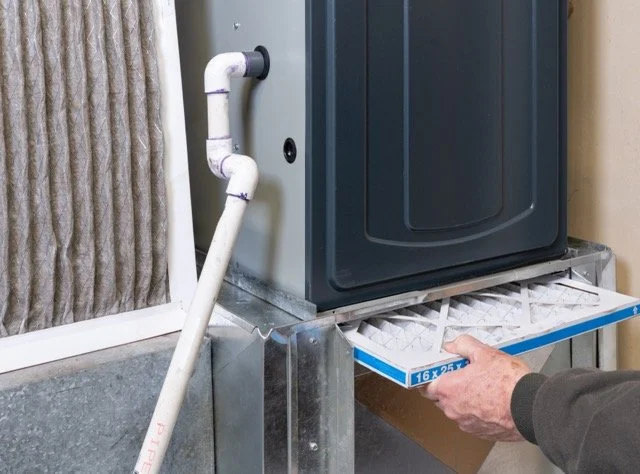
1. Replace Your Air Filter: A clogged filter restricts airflow and causes temperature imbalances. Check your filter monthly during cooling season and replace it if it's dirty. This is the easiest fix and often helps immediately.
2. Adjust Your Thermostat: If you're setting your thermostat to 68°F or lower, you're creating extreme temperature differences that increase condensation risk. Try raising it to 72-74°F and see if the sweating improves.
3. Use a Dehumidifier: If your basement or crawlspace is humid, a standalone dehumidifier can help lower moisture levels around your ductwork. Aim for 40-50% relative humidity.
4. Open All Supply Registers: Make sure all vents in your home are open and unblocked by furniture or curtains. Closing vents disrupts airflow balance and makes condensation worse.
Professional Fixes
1. Duct Insulation: A reliable HVAC contractor in Metro Detroit can wrap your ductwork in R-6 or R-8 insulation to prevent cold surfaces from contacting humid air. This is the most effective long-term fix for sweating ducts.
2. Duct Sealing: Sealing leaks with mastic or metal-backed tape prevents humid air from infiltrating the duct system. Professional duct sealing typically costs $500-$1,500 for a whole-home job, but it also improves efficiency and comfort.
3. AC Load Calculation and Right-Sizing: If your AC is oversized, the only real solution is replacement with a properly sized unit. A Manual J load calculation determines the correct size for your home. Expect to pay $4,000-$8,000 for a new AC system in Southeast Michigan, depending on the brand and efficiency. You can read more about costs in our Michigan HVAC pricing breakdown.
4. Whole-Home Dehumidification: For homes with persistent humidity issues, a whole-home dehumidifier integrated with your HVAC system can maintain ideal moisture levels year-round. These units cost $1,500-$3,000 installed but solve humidity problems at the source.
The Hidden Damage Sweating Ducts Can Cause
Condensation on ductwork isn't just an annoyance — it creates conditions for serious, costly problems:
Mold Growth: Moisture plus organic material (like dust and drywall) equals mold. Once mold takes hold in your ductwork or ceiling, it spreads through your HVAC system and into your living spaces. Mold remediation in a Michigan home can cost $2,000-$10,000 depending on the extent of contamination.
Structural Damage: Prolonged moisture exposure damages drywall, insulation, and framing. We've seen ceiling joists rot out in homes where sweating ducts went unaddressed for years. Repairing structural damage is far more expensive than fixing the ductwork.
Energy Waste: Leaky, uninsulated ducts lose 20-30% of your conditioned air. That means your AC works harder, runs longer, and costs more to operate. Homeowners in Royal Oak and Grosse Pointe Farms often see a 15-25% reduction in cooling costs after professional duct sealing and insulation.
Indoor Air Quality: Moisture in ductwork promotes biological growth — mold, bacteria, and dust mites. These contaminants circulate through your home every time the AC runs, aggravating allergies and respiratory issues.
Preventing Condensation on AC Vents in Southeast Michigan
The best way to deal with sweating ducts is to prevent them in the first place. Here's what works in Michigan homes:
Insulate All Ductwork in Unconditioned Spaces: Any ductwork running through attics, crawlspaces, or unfinished basements should be wrapped in at least R-6 insulation. R-8 is better for Michigan's humid climate. This is non-negotiable for long-term condensation control.
Seal Duct Leaks: Have a professional inspect and seal your ductwork every 5-10 years. Mastic sealant or metal-backed tape (not standard duct tape) is the right material for the job.
Maintain Your HVAC System: Regular maintenance keeps your AC running efficiently and dehumidifying properly. Our Next Care Plan includes two annual visits — a fall furnace tune-up and a spring AC tune-up — to catch issues before they cause condensation, breakdowns, or costly repairs. At $5/month, it's the most cost-effective way to prevent problems.
Control Indoor Humidity: Use exhaust fans in bathrooms and kitchens only when needed, and run them for 15-20 minutes after showers. Avoid over-ventilating, which pulls in humid outdoor air. If your basement is damp, address the source — sump pump issues, foundation leaks, or poor grading.
Right-Size Your AC: When it's time to replace your air conditioner, insist on a Manual J load calculation. Never let a contractor size your AC based on square footage alone. Proper sizing ensures your system runs long enough to dehumidify, not just cool.
When to Call an HVAC Technician
You should call a professional if:
- Water is actively dripping from vents or ducts
- You see ceiling stains or water damage around registers
- There's a musty smell when the AC runs
- Condensation persists even after replacing the filter and adjusting the thermostat
- You notice mold growth on or around ductwork
- Your AC short-cycles (runs for less than 10 minutes at a time)
- Indoor humidity stays above 60% even with the AC running
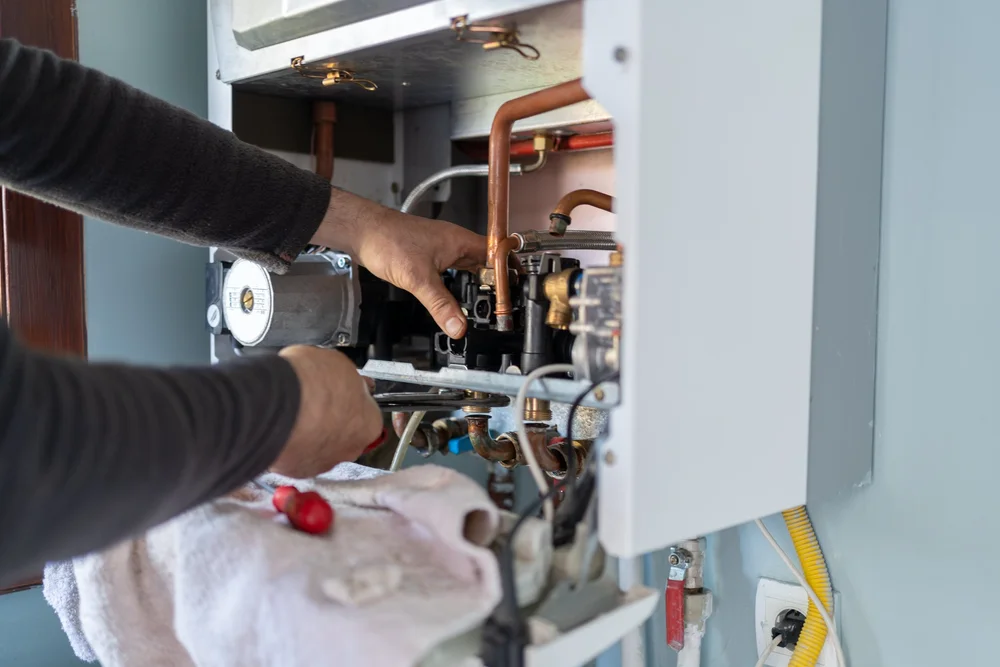
A NATE-certified technician will inspect your ductwork, measure insulation levels, check for leaks, test airflow, and evaluate your AC's performance. They'll also measure indoor humidity and calculate whether your system is properly sized for your home.
At NEXT Heating & Cooling, we don't upsell unnecessary equipment. If your ducts just need insulation and sealing, that's what we'll recommend. If your AC is oversized and causing humidity problems, we'll show you the load calculation and explain your options. No pressure, no commission-based sales — just honest diagnostics and fair pricing. That's how we've been doing business for over 35 years, and it's the same approach that built our reputation at NEXT Exteriors.
Sweating Ducts? We'll Find the Cause and Fix It Right
NEXT Heating & Cooling has been solving duct condensation problems in Southeast Michigan homes for over 35 years. Our NATE-certified technicians will inspect your ductwork, diagnose the root cause, and give you straightforward options — no upselling, no pressure.
Schedule Your Duct Inspection