

Trane Furnace Repair: Common Issues & When to Call a Tech
Trane builds some of the most reliable gas furnaces in the industry. Their units routinely outlast competitors, handle Michigan winters without complaint, and deliver consistent heat year after year. But even a Trane furnace isn't immune to wear, age, and the brutal conditions of a Michigan heating season.
We've been repairing Trane furnaces across Macomb County, Oakland County, and St. Clair County for over 35 years. We see the same problems repeatedly, and most of them are predictable. Some are minor fixes. Others signal it's time to replace the unit entirely. This guide walks you through the most common Trane furnace problems, what causes them, and when you should call a licensed HVAC technician instead of attempting a DIY fix.
Why Trane Furnaces Break Down (Even the Good Ones)
Trane furnaces are built to last 15 to 20 years under normal conditions. Many exceed that lifespan with proper maintenance. But "normal conditions" don't include polar vortex events, lake-effect cold snaps that push furnaces to run 18 hours a day, or the humidity swings that come with living near the Great Lakes.
The most common cause of Trane furnace failure isn't a design flaw. It's deferred maintenance. A furnace that never gets its filter changed, never gets an annual tune-up, and runs in a dusty basement will fail prematurely. Dust clogs flame sensors. Dirty blower wheels reduce airflow. Skipped inspections miss heat exchanger cracks before they become dangerous.
The second most common cause is age-related wear on high-cycle components. Hot surface ignitors, for example, are designed to heat up and cool down thousands of times. After 10 to 12 years, they become brittle and crack. Blower motors develop bearing wear. Inducer motors accumulate carbon buildup. These aren't defects, they're predictable wear patterns that our heating and cooling services in Metro Detroit address during routine maintenance visits.

The third factor is thermostat communication issues. Trane furnaces manufactured after 2010 use advanced control boards that communicate with digital thermostats. If the thermostat loses calibration, sends inconsistent signals, or isn't compatible with the furnace model, you'll see erratic cycling, failure to start, or temperature swings. This is especially common in homes where the thermostat was replaced without checking compatibility with the existing Trane control board.
7 Most Common Trane Furnace Problems We See
1. Hot Surface Ignitor Failure
This is the single most common Trane furnace repair we perform. The hot surface ignitor is a ceramic element that glows orange-hot to ignite the gas burners. Over time, it becomes brittle and cracks. When it fails, the furnace will attempt to start, the inducer motor will run, but the burners won't light. You'll hear the blower kick on briefly, then shut down. The furnace will retry a few times, then lock out.
Ignitors typically last 5 to 10 years depending on how often the furnace cycles. In Michigan, where furnaces run heavily from November through March, expect the shorter end of that range. Replacement is straightforward for a licensed technician but requires proper handling. The ignitor is fragile, and oils from your skin will cause it to fail prematurely if touched during installation.
2. Flame Sensor Contamination
The flame sensor is a thin metal rod positioned in the flame path. It detects whether the burners have ignited. If the sensor is coated with carbon buildup or dust, it can't detect the flame, and the furnace shuts down as a safety measure. This presents as short-cycling: the burners light for a few seconds, then the furnace shuts off. It will retry multiple times before locking out.
Cleaning the flame sensor is part of every annual furnace tune-up. It takes about five minutes and prevents this exact problem. If you've skipped maintenance for several years, expect this to be the first thing a technician checks. If you're experiencing furnace short-cycling issues, the flame sensor is a likely culprit.
3. Blower Motor Bearing Wear
Trane uses direct-drive blower motors in most residential furnaces. These motors are durable, but the bearings wear out over time. You'll hear grinding, squealing, or humming sounds when the blower runs. In severe cases, the motor will overheat and trip the limit switch, shutting the furnace down.
Blower motor replacement is a mid-level repair. The part itself costs $300 to $600 depending on the model. Labor adds another $200 to $400. If the furnace is over 15 years old and the blower motor fails, it's worth evaluating whether replacement makes more sense than repair.
4. Cracked Heat Exchanger
This is the most serious Trane furnace problem you can encounter. The heat exchanger is the metal chamber where combustion gases heat the air that circulates through your home. Over time, repeated heating and cooling cycles cause metal fatigue. Cracks develop, allowing combustion gases (including carbon monoxide) to mix with the air supply.
A cracked heat exchanger is not repairable. It requires furnace replacement. Signs include visible soot around the furnace, a persistent smell of exhaust, or a carbon monoxide detector alarm. If a technician identifies a cracked heat exchanger, the furnace must be shut down immediately. This is a safety issue, not a convenience issue.
Heat exchanger cracks are rare in furnaces under 12 years old. They become more common after 15 years, especially in furnaces that have been oversized for the home (causing short-cycling and accelerated wear).
5. Inducer Motor Failure
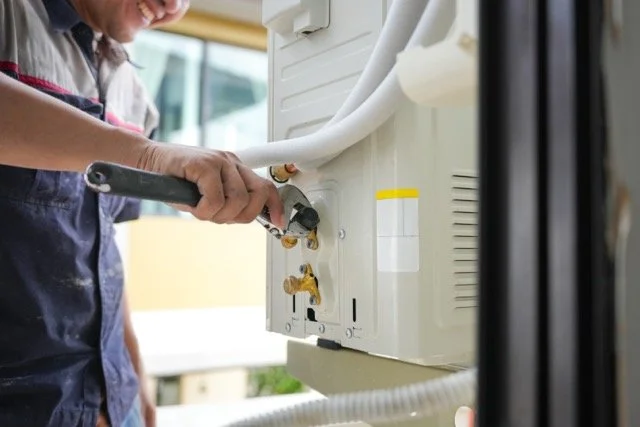
The inducer motor is a small fan that pulls combustion gases through the heat exchanger and vents them outside. It runs before the burners ignite to establish proper draft. If the inducer motor fails, the furnace won't start. You'll hear a clicking sound as the control board attempts to start the sequence, but nothing happens.
Inducer motors fail due to carbon buildup, bearing wear, or capacitor failure. Replacement costs $400 to $800 including labor. This is another component where age matters. If the furnace is over 12 years old and the inducer motor fails, you're likely looking at other impending failures (ignitor, blower motor, control board) within the next few years.
6. Thermostat Calibration and Wiring Issues
Trane furnaces use 24-volt control circuits. If the thermostat loses calibration, has loose wiring, or isn't compatible with the furnace control board, you'll see erratic behavior. The furnace may fail to start, cycle on and off randomly, or run continuously without reaching the set temperature.
This is one of the most misdiagnosed problems. Homeowners assume the furnace is broken when the issue is actually the thermostat or the wiring between the two. A technician will test voltage at the furnace terminals, check for continuity in the wiring, and verify thermostat compatibility before assuming a furnace component has failed.
7. Gas Valve Malfunction
The gas valve controls the flow of natural gas or propane to the burners. It's controlled by the furnace's control board and opens only after the inducer motor has established draft and the ignitor is hot. Gas valve failures are less common than ignitor or flame sensor issues, but they do occur. Symptoms include the furnace running through its startup sequence (inducer motor, ignitor glow) but the burners never lighting.
Gas valve replacement costs $300 to $600 plus labor. This is not a DIY repair. Gas appliances require a licensed technician to ensure proper installation and safety. Improper gas valve installation can result in gas leaks, carbon monoxide exposure, or fire hazards.
When to Repair vs. Replace Your Trane Furnace
Not every Trane furnace problem warrants replacement. A 7-year-old furnace with a failed ignitor? Repair it. A 19-year-old furnace with a cracked heat exchanger? Replace it. The decision comes down to age, repair cost, and efficiency.
Here's the framework we use when advising homeowners in Sterling Heights, Clinton Township, and across Southeast Michigan:
The 50% Rule: If the repair cost exceeds 50% of the replacement cost and the furnace is over 12 years old, replacement usually makes more financial sense.
For example, if a blower motor replacement costs $800 and a new furnace costs $3,500 installed, the repair is 23% of replacement cost. Repair makes sense if the furnace is under 15 years old. But if the same furnace is 17 years old, you're repairing a unit that's already past its expected lifespan. You'll likely face another major repair within 2 to 3 years.
Efficiency is the second factor. Trane furnaces manufactured before 2010 typically have an AFUE (Annual Fuel Utilization Efficiency) rating of 80% or lower. Modern Trane furnaces range from 80% AFUE (single-stage) to 97% AFUE (modulating two-stage). If you're repairing an old 80% furnace, upgrading to a 95% model will cut your heating costs by roughly 15% to 20% per winter.
For a detailed breakdown of replacement costs in the region, see our guide on full HVAC system replacement costs in Oakland County.
What a Trane Furnace Repair Actually Costs in Michigan
Repair costs vary based on the component, labor complexity, and whether it's an emergency call. Here's what you can expect to pay for common Trane furnace repairs in Macomb, Oakland, and St. Clair counties:
- Service call / diagnostic fee: $89 to $150 (often waived if you proceed with the repair)
- Hot surface ignitor replacement: $150 to $300
- Flame sensor cleaning: $80 to $150
- Blower motor replacement: $500 to $1,000
- Inducer motor replacement: $400 to $800
- Gas valve replacement: $400 to $700
- Control board replacement: $300 to $600
- Thermostat replacement: $150 to $400 (depending on model)
Emergency service calls (evenings, weekends, holidays) typically add $100 to $200 to the base cost. If your furnace fails on a Friday night in January, expect to pay more than you would for a scheduled weekday repair.
Our reliable HVAC contractor in Metro Detroit provides upfront pricing before any work begins. No surprises, no upselling unnecessary parts. For a deeper look at what service calls cost in the area, read our breakdown of AC service call costs in Macomb County, which follows the same pricing structure.
How to Extend Your Trane Furnace Lifespan
Most Trane furnace failures are preventable. The difference between a furnace that lasts 12 years and one that lasts 20 years is maintenance. Here's what actually works:
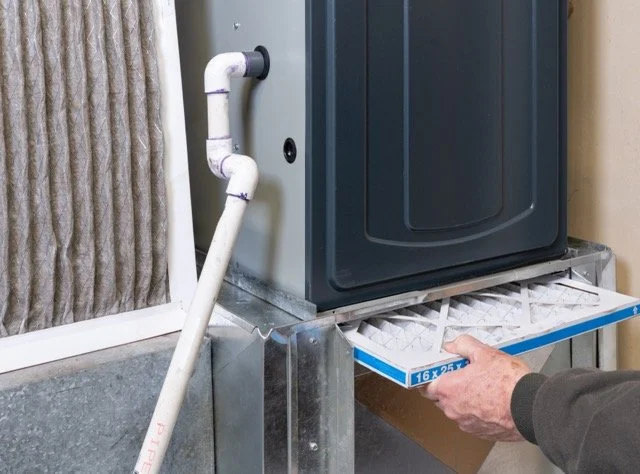
Change the Air Filter Every 30 to 60 Days
This is the single most effective thing you can do to extend furnace life. A clogged filter restricts airflow, forcing the blower motor to work harder and causing the heat exchanger to overheat. Overheating accelerates metal fatigue and increases the risk of cracks.
Use a standard 1-inch pleated filter with a MERV rating between 8 and 11. Higher MERV filters (13+) restrict airflow unless your furnace and ductwork are designed for them. Check the filter monthly during heating season. If it looks gray or clogged, replace it.
Schedule Annual Furnace Tune-Ups
An annual tune-up catches small problems before they become expensive failures. A technician will clean the flame sensor, inspect the ignitor, test the inducer motor, check gas pressure, measure temperature rise, and inspect the heat exchanger for cracks. This is not optional maintenance. It's the difference between a $150 tune-up and a $1,200 emergency repair in January.
Our $5/month HVAC maintenance plan includes two annual visits (fall furnace tune-up, spring AC tune-up), priority scheduling, and 10% off repairs. For homeowners who want to avoid surprise breakdowns, it's the most cost-effective option. To understand what these plans cover, see our article on what HVAC maintenance plans cover and why they pay off.
Set Your Thermostat Correctly
Avoid setting the thermostat above 72°F during the day. Every degree above that increases runtime and accelerates wear. Use a programmable or smart thermostat to lower the temperature at night and when you're away. This reduces cycling, which extends the lifespan of the ignitor, blower motor, and heat exchanger.
Address Ductwork Leaks
Leaky ductwork forces your furnace to run longer to maintain temperature. This increases wear on every component. If you have hot and cold spots in your house, or if your energy bills are higher than they should be, ductwork leaks are a likely cause. Sealing ducts improves efficiency and reduces furnace runtime.
Signs You Need to Call a Technician Right Now
Some furnace problems are minor inconveniences. Others are safety hazards. Here's when you should stop troubleshooting and call a licensed HVAC technician:
- Carbon monoxide detector alarm: Shut the furnace off immediately, open windows, evacuate the house, and call 911. Do not re-enter until emergency responders clear the home.
- Smell of gas near the furnace: Shut off the gas supply at the meter, evacuate the house, and call your gas utility company from outside. Do not turn on lights or use electrical devices.
- Visible soot or black residue around the furnace: This indicates incomplete combustion, which can produce carbon monoxide. Shut the furnace off and call a technician.
- Furnace won't start after replacing the filter and checking the thermostat: This is beyond DIY troubleshooting. A technician needs to test the ignitor, flame sensor, gas valve, and control board.
- Furnace cycles on and off every few minutes: Short-cycling damages the heat exchanger and wastes energy. Common causes include a dirty flame sensor, oversized furnace, or thermostat placement issues. If you're dealing with this, read our guide on why your furnace won't turn on.
- Blower runs continuously without heating: This usually indicates a thermostat or limit switch problem. It can also signal a failed control board.
If you're in Rochester Hills, Royal Oak, or anywhere in Macomb or Oakland counties, our NATE-certified HVAC technicians are available 24/7 for emergency furnace repairs. We don't charge commission, so you'll get an honest diagnostic and fair pricing, even on emergency calls.
Ready to Get Started?
NEXT Heating & Cooling has been keeping Michigan homes comfortable for over 35 years. Get honest diagnostics and fair pricing from NATE-certified technicians who show up on time.
Schedule Your Service