

AC Hard Start Kit Cost & When Your Compressor Needs One
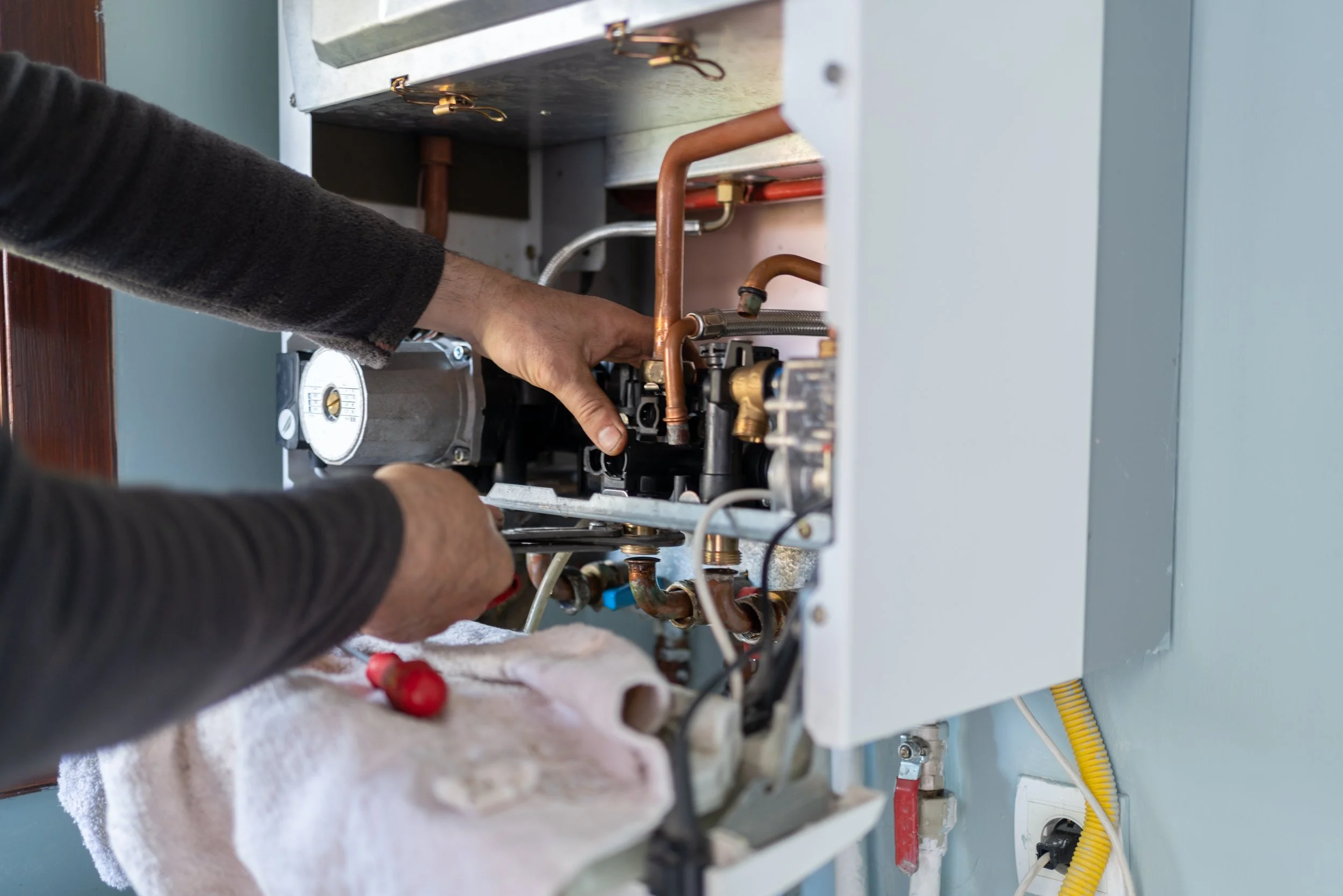
Your AC compressor hums but won't start. The lights dim every time it tries to kick on. Or maybe it's short-cycling — running for two minutes, shutting off, trying again. In Royal Oak and across Southeast Michigan, we see this pattern dozens of times every summer, especially in AC units that are ten years old or more.
Before you panic about a $3,000 compressor replacement, there's a fix that costs $150 to $400 and takes about an hour to install: a hard start kit. It's a small electrical component that gives your compressor the extra jolt it needs to overcome startup resistance. When it works, it can buy you several more years from an aging AC unit. When it doesn't, it tells you the compressor itself is mechanically failing — and no amount of electrical help will fix that.
We've been installing hard start kits on Carrier, Lennox, Trane, and Rheem systems across Metro Detroit for over 35 years. Here's what you actually need to know about cost, when it makes sense, and when you're better off replacing the unit. If you're dealing with a struggling compressor and need AC repair services in Southeast Michigan, we'll give you an honest diagnostic — no pressure, just facts.
What a Hard Start Kit Actually Does
Your AC compressor is essentially an electric motor that pumps refrigerant through the system. Starting that motor requires a massive surge of electricity — often two to three times the running amperage. A typical residential compressor might draw 15 amps while running but need 45 amps to start.
When the compressor is new, the run capacitor (a standard component in every AC unit) provides enough stored energy to handle that startup surge. But as compressors age, internal mechanical resistance increases. Bearings wear slightly. Refrigerant oil thickens. The startup load gets heavier.
A hard start kit adds a second capacitor — called a start capacitor — and a relay that kicks it into the circuit only during startup. Think of it like a nitrous boost for your compressor. The start capacitor delivers a much larger electrical kick than the run capacitor alone, helping the motor overcome that increased mechanical resistance.
Michigan-specific consideration: During July and August heat waves, Michigan's electrical grid experiences voltage drops during peak demand hours (typically 3 PM to 7 PM). Your compressor might start fine at 9 AM but struggle at 4 PM when grid voltage sags from 240V to 225V. A hard start kit compensates for that voltage drop, which is why we see more compressor failures during sustained heat events.
The relay is the smart part of the system. It senses when the compressor motor reaches about 75% of running speed, then disconnects the start capacitor from the circuit. If the start capacitor stayed engaged during normal operation, it would overheat and fail within minutes. The potential relay or solid-state relay ensures the start capacitor only does its job during the critical first second of startup.
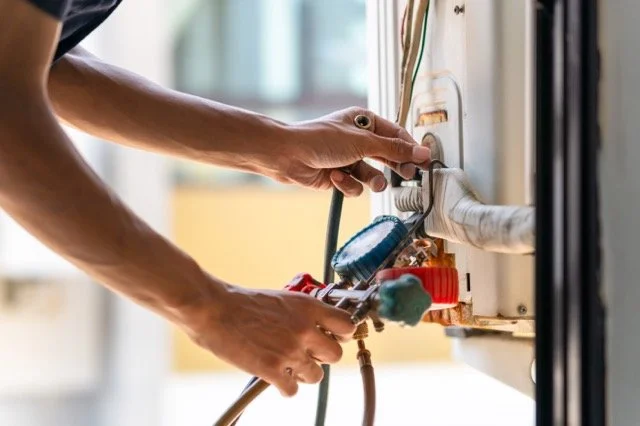
When Your AC Compressor Needs a Hard Start Kit
Not every compressor problem needs a hard start kit. And not every struggling compressor will benefit from one. Here are the specific signs that tell us a hard start kit is worth trying:
Lights Dimming During AC Startup
If your lights flicker or dim noticeably when the AC kicks on, the compressor is drawing excessive startup current. That's often the first sign homeowners notice. In Royal Oak's older neighborhoods with 100-amp electrical panels, this can be especially pronounced. The hard start kit reduces that initial current draw, which stops the dimming and reduces stress on your home's electrical system.
Compressor Hums But Won't Start
You hear a low humming or buzzing from the outdoor unit, but the compressor never actually starts running. This is called "locked rotor" behavior. The motor is getting power and trying to turn, but can't overcome the mechanical resistance. A hard start kit provides the extra torque needed to break through that resistance.
Critical distinction: If the compressor is completely silent when it should be running, the problem is electrical (contactor, capacitor, or control board), not mechanical. A hard start kit won't help.
Short Cycling in Hot Weather
The compressor starts, runs for 30 seconds to two minutes, then shuts off on thermal overload. It tries again a few minutes later, same result. This pattern — called short cycling — often means the compressor is working so hard to start that it overheats before the system can stabilize. If you're experiencing this issue, our guide on thermostat not reaching set temperature covers related cooling problems.
AC Unit Is 10+ Years Old
Age matters. Compressors under five years old rarely need hard start kits unless they were undersized from the beginning or there's a refrigerant issue. Between 10 and 15 years, hard start kits become common preventive additions. After 15 years, you're making a calculated gamble — the kit might buy you two more summers, or the compressor might fail mechanically next month regardless.
Recent Power Outage or Surge
Michigan's summer storms knock out power regularly. When power comes back on, multiple AC units in the neighborhood try to start simultaneously, creating a voltage sag. Compressors that were marginal before the outage often fail to start afterward. A hard start kit can compensate for weakened electrical supply during those grid recovery periods.
What won't help: If your compressor has internal mechanical damage — scored pistons, failed bearings, refrigerant contamination — a hard start kit is throwing money at a dead component. A proper diagnostic includes measuring startup amperage, checking refrigerant pressures, and listening for abnormal mechanical noises. Our NATE-certified technicians perform these tests before recommending any repair.
Hard Start Kit Cost in Royal Oak
Here's what you'll actually pay in Southeast Michigan for a hard start kit installation in 2026:
| Component | Cost Range | Notes |
|---|---|---|
| Hard Start Kit (Parts) | $50 - $120 | Universal kits $50-$75, OEM kits $80-$120 |
| Labor (Installation) | $100 - $280 | 1-2 hours depending on unit accessibility |
| Diagnostic Fee | $0 - $125 | Often waived if repair is approved |
| Total Installed Cost | $150 - $400 | Most installations: $225-$300 |
Compare that to compressor replacement costs in Royal Oak: $1,200 to $2,200 for the compressor alone, plus $800 to $1,500 in labor, refrigerant, and system rebalancing. Total: $2,000 to $3,700. A hard start kit costs about 10% of a compressor replacement.
What Affects the Price
Unit location and accessibility: If your condenser is sitting on a concrete pad in the side yard with easy access, installation takes 45 minutes. If it's wedged between your house and fence with 18 inches of clearance, or if it's a rooftop unit on a commercial building, labor time doubles.
OEM vs. universal kits: Carrier, Lennox, and Trane sell branded hard start kits designed for their specific compressor models. They cost more but are guaranteed compatible. Universal kits from Supco or Turbo 200 work on most residential compressors and cost less, but require the tech to verify voltage and capacitance specs match your system.
Warranty status: If your AC is still under manufacturer warranty, using an OEM kit may be required to maintain coverage. Always check warranty terms before authorizing repairs.
Emergency vs. scheduled service: Need it installed at 9 PM on a Saturday during a heat wave? Expect emergency rates — typically 1.5x to 2x standard pricing. Schedule it during normal business hours and you'll pay the lower end of the range.
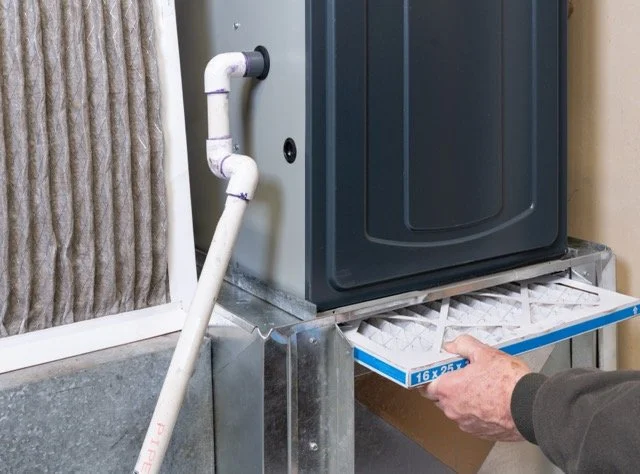
Hard Start Kit vs. Compressor Replacement: When Each Makes Sense
The hard start kit is a band-aid, not a cure. It compensates for aging, but it doesn't reverse mechanical wear. Here's how we decide which path makes sense:
Install the Hard Start Kit When:
- The compressor is 10-12 years old and otherwise healthy. You might get 3-5 more years from it with the kit.
- Startup amperage is high but not excessive. If the compressor is drawing 50 amps to start (should be 40-45), a kit helps. If it's pulling 75 amps, the compressor is failing mechanically.
- Refrigerant pressures are normal. If the system is low on refrigerant or has contamination, fix that first. The hard start kit won't help if the compressor is starved for refrigerant.
- You're planning to replace the entire system in 2-3 years anyway. The kit buys you time to budget for a full replacement without emergency pricing.
- The rest of the system is in good shape. If your air handler, coil, and ductwork are solid, extending the compressor's life makes economic sense.
Replace the Compressor (or Whole Unit) When:
- The compressor is 15+ years old. At that age, even if the kit gets it running, you're likely facing another failure within 12-24 months.
- Refrigerant is contaminated or the system has chronic leaks. Acid in the refrigerant or repeated leak repairs mean internal damage. No electrical fix will help.
- The compressor has obvious mechanical damage. Grinding noises, metal shavings in the oil, or scored cylinder walls mean the motor itself is failing.
- The entire system is outdated. If you're running a 10 SEER unit from 2008, replacing the whole system with a 16-18 SEER model will cut your cooling costs by 30-40%. The energy savings pay for the upgrade over time. Our post on SEER ratings and energy-efficient AC selection breaks down the math.
- You've already replaced the capacitor and contactor recently. If you're throwing parts at an aging system every summer, it's time to cut your losses.
Real talk from the field: We've seen hard start kits extend compressor life by five years. We've also seen compressors fail three weeks after kit installation because the internal damage was too severe. A good tech will tell you the odds based on diagnostic data, not just sell you the cheapest option.
How NATE Techs Install Hard Start Kits
This isn't a DIY project unless you're comfortable working with high-voltage electrical systems and understand capacitor discharge safety. Here's the professional process:
Step 1: Diagnostic Testing
Before installing anything, we test the existing run capacitor with a multimeter to verify it's within spec (typically ±6% of rated microfarads). We measure startup amperage with a clamp meter. We check refrigerant pressures. We listen to the compressor during attempted startup for mechanical noises. This diagnostic tells us whether a hard start kit will actually help or if we're wasting your money.
Step 2: Power Down and Discharge
Turn off power at the outdoor disconnect and the breaker panel. Even with power off, capacitors store voltage — sometimes 370-440 volts. We discharge the existing capacitor using an insulated screwdriver across the terminals. Skipping this step can result in a serious shock or burn.
Step 3: Remove and Inspect the Existing Run Capacitor
We photograph the existing wiring configuration because you'll need to replicate it. Label every wire terminal (common, fan, compressor, HERM). Remove the run capacitor and inspect it for bulging, leaking, or burn marks. If the run capacitor is damaged, it gets replaced regardless of the hard start kit installation.
Step 4: Install the Hard Start Kit
The hard start kit includes a start capacitor (typically 88-108 microfarads for residential compressors) and a potential relay or solid-state relay. Wire the start capacitor between the start and run terminals on the compressor. Wire the relay so it disconnects the start capacitor once the motor reaches operating speed. Follow the manufacturer's wiring diagram exactly — reversing terminals can destroy the kit or damage the compressor.
Step 5: Test and Verify
Restore power. Monitor the first startup cycle with an ammeter. Startup amperage should drop noticeably — if it was 55 amps before, it might be 40 amps with the kit. Listen for smooth startup with no excessive humming or grinding. Verify the compressor reaches full speed within 2-3 seconds. Check that the start capacitor drops out of the circuit (you'll hear a faint click from the relay).
Let the system run through a full cooling cycle. Monitor for short cycling or thermal overload trips. If everything looks good, secure all wiring, close up the unit, and document the installation for the homeowner's records.
Safety note: Capacitors can hold a lethal charge even days after power is disconnected. Refrigerant lines are under 300+ PSI of pressure. Compressor terminals carry 240 volts. This is not a YouTube DIY project. If you're not trained and equipped for HVAC electrical work, call a licensed contractor.
Brands and Equipment Compatibility
Hard start kits work on most single-phase residential compressors, but compatibility varies by brand and model. Here's what we see in Southeast Michigan:
Carrier and Bryant
Carrier compressors (and their Bryant equivalents — same parent company) generally accept universal hard start kits without issue. Carrier's OEM hard start kit (part number varies by tonnage) is a solid choice but costs $20-$30 more than universal options. Older Carrier units from the 2000s often shipped with hard start kits already installed, so check your condenser before buying a duplicate.
Lennox
Lennox systems can be finicky. Some Lennox compressors use proprietary wiring configurations that don't play nice with universal kits. If you have a Lennox unit, use the Lennox-branded hard start kit to avoid compatibility headaches. Lennox also voids warranty coverage if non-OEM parts cause a failure, so factor that into your decision.
Trane and American Standard
Trane compressors (and their American Standard twins) are workhorses. They accept universal hard start kits reliably. Trane's Climatuff compressors from the 2010s are especially responsive to hard start kits because they were designed with higher startup torque requirements. If you have a Trane system that's struggling, a hard start kit is often the first repair we try.
Rheem and Ruud
Rheem and Ruud (same manufacturer, different branding) use scroll compressors in most residential units. Scroll compressors benefit less from hard start kits than reciprocating compressors because their startup mechanics are different. That said, we've had success with Supco SPP6 kits on older Rheem scroll compressors. Just set your expectations — the improvement is modest compared to reciprocating compressor systems.
Goodman and Amana
Goodman systems (which include Amana residential units) are budget-friendly and widely installed across Michigan. Universal hard start kits work fine on Goodman compressors. Since Goodman units often lack factory-installed hard start kits even on mid-tier models, adding one is a smart preventive upgrade once the unit hits 8-10 years old.
York
York compressors are reliable but less common in Southeast Michigan. Universal kits work, but verify the start capacitor microfarad rating matches your specific York model. York's technical support line can provide exact specs if your contractor isn't sure.
If you're comparing equipment brands for a full system replacement and wondering how long different units last in Michigan's climate, check out our detailed breakdown of AC unit lifespan in Michigan.

When to Call NEXT Instead of DIY
Some homeowners ask if they can install a hard start kit themselves to save the labor cost. Technically, yes — if you have electrical experience, the right tools, and understand capacitor safety. Realistically, here's why most people shouldn't:
High-Voltage Electrical Hazards
You're working with 240 volts and capacitors that store lethal charges. One mistake — touching a live terminal, failing to discharge a capacitor, reversing wiring — can result in serious injury or death. HVAC techs carry insulated tools, voltage testers, and safety equipment specifically for this work.
Refrigerant Handling
While installing a hard start kit doesn't directly involve refrigerant, diagnosing why the compressor is struggling often does. If the system is low on refrigerant or has contamination, adding a hard start kit won't fix the problem. EPA Section 608 certification is required to handle refrigerants legally in Michigan. Our techs are certified and equipped to test and recharge systems properly.
Warranty Considerations
Most manufacturers void compressor warranties if unauthorized repairs or non-OEM parts cause damage. If your AC is still under warranty, DIY installation of a hard start kit could cost you thousands if the compressor fails later and the manufacturer denies the claim. Professional installation with documented work protects your warranty coverage.
Diagnostic Accuracy
The hard start kit might get your compressor running, but if the underlying problem is refrigerant contamination, undersized ductwork, or a failing condenser fan motor, you've spent $150 on a temporary fix. A proper diagnostic identifies all contributing factors and prioritizes repairs based on cost-effectiveness. That's what you're paying for when you hire a reliable HVAC contractor in Metro Detroit.
Time and Tools
You'll need a multimeter capable of measuring capacitance, a clamp-on ammeter, insulated screwdrivers, wire strippers, and a voltage tester. If you don't already own these tools, you're looking at $100-$150 in equipment purchases. Add two hours of your time (assuming nothing goes wrong), and the cost savings over hiring a tech shrink considerably.
Our position: If you're an electrician or have HVAC experience, go for it. If you're a homeowner who's handy but hasn't worked with high-voltage capacitors before, call a pro. The risk-to-reward ratio doesn't favor DIY on this one.
Need an Honest AC Diagnostic in Royal Oak?
NEXT Heating & Cooling has been keeping Southeast Michigan homes comfortable for over 35 years. Our NATE-certified technicians will diagnose your compressor issue, explain your options clearly, and give you fair pricing — no upselling, no pressure. If a $250 hard start kit will get you three more summers, we'll tell you. If you need a new system, we'll explain why.
Schedule Your ServiceFrequently Asked Questions
A properly installed hard start kit typically lasts 5-10 years under normal operating conditions. The start capacitor is the component most likely to fail first, usually due to repeated high-temperature cycles during Michigan summers. The relay (potential or solid-state) generally outlasts the capacitor. If your hard start kit fails, replacement costs the same as initial installation — $150 to $400 depending on the kit and labor.
Keep in mind that the hard start kit's lifespan is often shorter than the remaining life you'll get from the compressor. If the kit buys you three more years from a 12-year-old compressor, you're ahead financially even if the kit itself only lasts five years.
If installed incorrectly, yes. Reversing the wiring, using the wrong capacitance rating, or installing a kit on a compressor with severe mechanical damage can cause additional harm. The most common installation mistake is failing to properly wire the relay, which leaves the start capacitor engaged during normal operation. This overheats both the capacitor and the compressor motor, potentially causing failure within hours.
When installed correctly by a trained technician, hard start kits are safe and widely used across the HVAC industry. Manufacturers like Carrier, Lennox, and Trane include hard start kits as factory options on many commercial units specifically because they extend compressor life and improve reliability.
Slightly, but don't expect dramatic savings. A hard start kit reduces the startup current draw, which means less electricity consumed during the first 2-3 seconds of each compressor cycle. If your AC cycles on and off 20 times per day during summer, that's 40-60 seconds of reduced power consumption daily.
Realistically, you might save $5-$15 per month on your electric bill during peak cooling season. Over a five-year period, that's $150-$450 in savings — roughly equal to the installation cost. The real financial benefit is avoiding a $2,000-$3,500 compressor replacement by extending the life of your existing unit.
Generally no, unless you have specific electrical conditions that warrant it. New compressors don't need the extra startup boost — they're designed to start reliably on the run capacitor alone. Adding a hard start kit to a brand-new system is unnecessary and adds a component that could potentially fail and require service.
Exceptions: If you live in an area with chronic low voltage (common in rural areas or at the end of long utility runs), or if you experience frequent brownouts, a hard start kit can be a smart preventive addition even on a new system. Also, if you're installing a high-efficiency variable-speed system with a large compressor (4-5 tons), some manufacturers recommend hard start kits as standard equipment. Your contractor should advise you based on your specific electrical service and equipment specs.
A hard start kit provides a burst of extra power to help the compressor overcome startup resistance — it's designed for compressors that struggle to start. A soft start kit does the opposite: it gradually ramps up voltage to the compressor over 1-2 seconds, reducing the initial current spike. Soft start kits are used to prevent electrical system overload, reduce wear on electrical components, and allow AC units to run on generators or limited electrical service.
You typically use one or the other, not both. If your compressor struggles to start, you need a hard start kit. If your compressor starts fine but causes breaker trips or voltage sags, you might need a soft start kit. A proper diagnostic will identify which (if either) is appropriate for your system.
Yes, hard start kits work on heat pump compressors just as they do on standard AC compressors. The startup mechanics are identical — the compressor motor needs to overcome internal resistance and get spinning. In fact, heat pumps often benefit more from hard start kits because they run year-round in Michigan (heating in winter, cooling in summer), which means more startup cycles and more cumulative wear on the compressor.
One consideration: Heat pumps reverse refrigerant flow between heating and cooling modes, which can cause slightly different startup loads depending on the mode. Make sure your technician tests the compressor in both modes after installing the kit to verify smooth operation. If you're comparing heating options and considering a heat pump system, our guide on furnace brands for Michigan homes covers the pros and cons of different heating systems.
The most obvious sign is that your AC starts reliably without dimming lights, humming, or short cycling. If those symptoms are gone, the kit is doing its job. You can also listen during startup — a compressor with a working hard start kit should reach full speed within 2-3 seconds with a smooth, confident startup sound. If you still hear labored humming or grinding, the kit may not be installed correctly or the compressor has mechanical damage the kit can't overcome.
For a more technical verification, have your technician measure startup amperage before and after kit installation. You should see a 15-25% reduction in startup current. If the amperage doesn't drop, the kit isn't functioning properly or the relay isn't engaging the start capacitor.