

Central AC Prices in Romeo & Leonard, MI: A Buyer's Guide
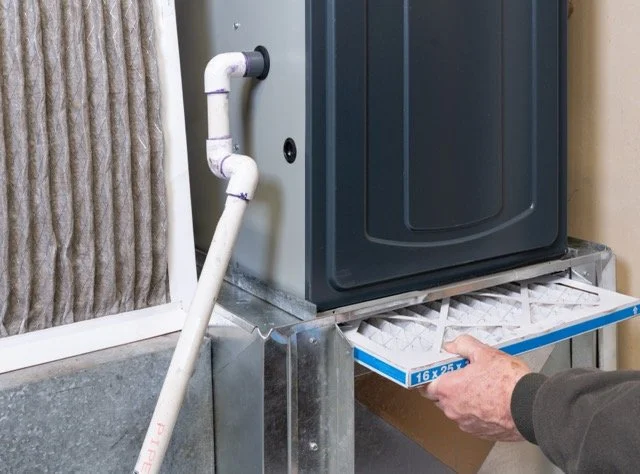
If you're searching for central AC prices in Romeo or Leonard, Michigan, you're probably getting a lot of vague answers. Most HVAC websites give you massive ranges like "$3,000 to $10,000" without explaining what drives those numbers. That's not helpful when you're trying to budget for a real project.
Here's the straight answer: A complete central air conditioning system installation in Romeo or Leonard typically costs between $4,200 and $9,500 in 2026, depending on your home size, existing ductwork condition, and equipment choice. Most homeowners in Macomb County land somewhere between $5,500 and $7,200 for a quality mid-tier system properly sized and installed.
We've been installing heating and cooling systems in Metro Detroit for over 35 years through our parent company Premier Builder Inc. We've priced hundreds of AC installations in Romeo, Leonard, and surrounding Macomb County communities. This guide breaks down exactly what you'll pay and why, so you can plan your budget with confidence and spot contractors who are trying to oversell you.
What Central AC Installation Actually Costs in Romeo & Leonard
Let's start with real numbers. These prices reflect complete installations in Romeo and Leonard during 2026, including equipment, labor, permits, and standard electrical work. We're basing this on actual quotes from our service area, not national averages that don't account for Michigan's specific requirements.
Base Price Ranges by System Size
| System Size | Typical Home Size | Good Tier | Better Tier | Best Tier |
|---|---|---|---|---|
| 2 Ton (24,000 BTU) | Up to 1,000 sq ft | $4,200–$5,400 | $5,400–$6,800 | $6,800–$8,500 |
| 2.5 Ton (30,000 BTU) | 1,000–1,400 sq ft | $4,600–$5,800 | $5,800–$7,200 | $7,200–$9,000 |
| 3 Ton (36,000 BTU) | 1,400–1,800 sq ft | $5,000–$6,200 | $6,200–$7,600 | $7,600–$9,500 |
| 3.5 Ton (42,000 BTU) | 1,800–2,200 sq ft | $5,400–$6,600 | $6,600–$8,000 | $8,000–$10,200 |
| 4 Ton (48,000 BTU) | 2,200–2,600 sq ft | $5,800–$7,000 | $7,000–$8,400 | $8,400–$10,800 |
These ranges assume your home already has ductwork in decent condition, proper electrical service to handle the new condenser, and no major structural obstacles. If you're replacing an existing system with similar capacity, you'll typically fall into these ranges. If you're adding AC to a home that never had it, expect to add $2,000–$4,500 for new ductwork installation.
What's Included in the Base Price
A complete central AC installation from a reliable HVAC contractor in Metro Detroit should include:
- Outdoor condenser unit — the large box that sits outside your home, containing the compressor, condenser coil, and fan
- Indoor evaporator coil — installed in your furnace plenum or air handler, this is where refrigerant absorbs heat from your home's air
- Refrigerant lines — copper lines that connect the indoor and outdoor units, properly sized and insulated
- Condensate drain line — removes moisture pulled from your air (critical in Michigan's humid summers)
- Electrical disconnect and wiring — dedicated circuit to the condenser with proper gauge wire and disconnect box
- Thermostat compatibility check — ensuring your existing thermostat works with the new system, or upgrading if needed
- Refrigerant charge — proper amount of R-410A refrigerant (or R-32 in newer models), measured precisely for your line length
- Startup and commissioning — testing all functions, checking airflow, verifying pressures and temperatures
- Permits and inspections — Michigan mechanical permits and final inspection (required by state code)
- Removal of old equipment — proper disposal of your old condenser and coil, including refrigerant recovery
If a contractor's quote doesn't clearly itemize these components, ask why. Some companies lowball the initial price and then hit you with add-ons during installation. We've seen homeowners in Sterling Heights get quoted $4,500 only to end up paying $7,200 because "the electrical needed upgrading" — something that should have been identified during the initial assessment.
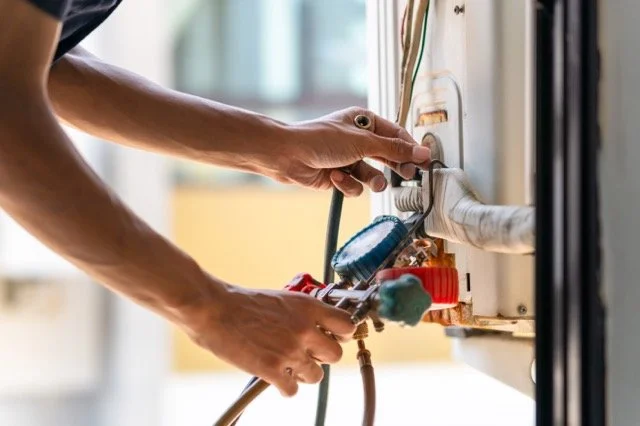
What Affects Your Final AC Price
The price ranges above are starting points. Several factors can push your final cost higher (or occasionally lower). Understanding these helps you evaluate quotes and avoid surprises.
Home Size and Cooling Load Calculations
Square footage matters, but it's not the only factor. A proper Manual J load calculation considers:
- Insulation levels — attic insulation, wall insulation, and basement/crawlspace insulation dramatically affect cooling needs
- Window count and orientation — south and west-facing windows add significant heat gain in Michigan summers
- Ceiling height — vaulted ceilings or two-story great rooms increase the volume of air to cool
- Home construction — brick homes hold heat differently than vinyl-sided homes; older homes often lack proper insulation
- Air sealing quality — leaky homes require larger systems to compensate for infiltration
A 1,600-square-foot ranch in Leonard with good insulation and newer windows might only need a 2.5-ton system. The same square footage in a poorly insulated 1960s home with single-pane windows could need a 3.5-ton system. The equipment cost difference? About $1,400. This is why contractors who quote over the phone without seeing your home are guessing.
Existing Ductwork Condition
Your ductwork is the highway system that delivers cool air. If it's undersized, leaky, or poorly designed, even the best AC system will struggle. Common ductwork issues we see in Romeo and Leonard homes:
- Undersized returns — many older homes have inadequate return air ducts, which restricts airflow and kills efficiency
- Leaky joints and connections — duct leakage of 20-30% is common in homes over 20 years old; you're literally cooling your attic or crawlspace
- Crushed or disconnected ducts — especially in crawlspaces where insulation has been added or in attics with stored items
- Poorly designed layouts — rooms added after original construction often have inadequate duct runs
Ductwork modifications add $800–$3,500 depending on scope. Sealing existing ducts with mastic (not tape) costs $600–$1,200 and typically pays for itself in energy savings within three years. Adding a return air duct to improve airflow runs $1,200–$2,400. If your ductwork needs significant work, it's worth doing right — otherwise you're installing a premium system that can't perform to its potential.
SEER Ratings and Efficiency Choices
SEER (Seasonal Energy Efficiency Ratio) measures how efficiently your AC converts electricity into cooling. Higher SEER means lower operating costs but higher upfront investment. As of 2023, the minimum SEER for new systems in Michigan is 14 SEER (northern states have a lower minimum than southern states).
Here's what different SEER levels mean for your wallet:
- 14-15 SEER — entry-level efficiency, single-stage compressor, basic reliability. Good for budget-conscious homeowners or rental properties. Equipment cost: baseline.
- 16-17 SEER — mid-tier efficiency, often two-stage compressor for better humidity control and quieter operation. Best value for most Michigan homeowners. Equipment cost: +$800–$1,400 over 14 SEER.
- 18-20 SEER — high efficiency, variable-speed compressor, excellent humidity control, very quiet. Makes sense if you run AC heavily or plan to stay in the home 10+ years. Equipment cost: +$1,800–$3,200 over 14 SEER.
- 21+ SEER — premium efficiency, often includes advanced features like communicating controls. Longest payback period but maximum comfort. Equipment cost: +$3,200–$5,000 over 14 SEER.
For context on AC installation costs across Metro Detroit, most of our Romeo and Leonard customers choose 16 SEER systems. The efficiency improvement over 14 SEER is noticeable, the equipment is proven reliable, and the payback period is reasonable at 6-8 years given Michigan's cooling season.
Electrical Upgrades and Permits
Modern AC systems require dedicated 240-volt circuits with proper amperage. If your home's electrical panel is outdated or doesn't have capacity for the new condenser, you'll need upgrades:
- New dedicated circuit — running a new 240V line from your panel to the condenser location: $400–$800
- Panel upgrade — if your main panel is full or outdated (common in homes built before 1990): $1,500–$3,000
- Electrical permit — required by Michigan code for new circuits: $75–$150 (usually included in HVAC contractor's permit fees)
A qualified HVAC contractor should identify electrical needs during the initial assessment. If they don't mention checking your electrical service, that's a red flag. We've seen installations in Clinton Township where the condenser kept tripping breakers because the circuit was undersized — the homeowner ended up paying twice, once for the cheap installation and again to fix it properly.
Refrigerant Type: R-410A vs R-32
Most systems installed in the last 15 years use R-410A refrigerant. Newer models (2023 and later) are transitioning to R-32, which has lower global warming potential and slightly better efficiency. For homeowners, the practical difference is minimal right now — both refrigerants work well in Michigan's climate, and both are readily available for service.
The main consideration: if you're replacing just the outdoor condenser and keeping your existing evaporator coil (not recommended, but sometimes done to save money), the refrigerants must match. You can't mix R-410A and R-32. This is one reason we typically recommend replacing both the condenser and evaporator coil together — you get matched components, a full manufacturer warranty, and no refrigerant compatibility issues.
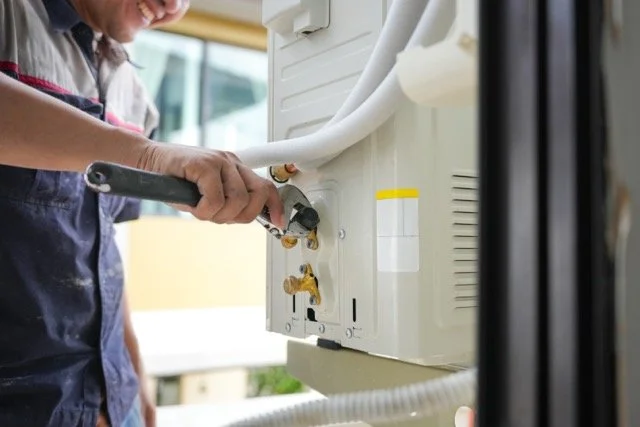
System Sizing: Why It Matters More Than Price
Here's something most homeowners don't know: an oversized AC system costs more upfront and performs worse than a properly sized one. Yet we see oversized systems constantly, especially from contractors who don't do load calculations and just guess based on square footage.
The Problem with Oversizing
An oversized system cools your home too quickly, which sounds good until you understand the consequences:
- Poor humidity control — AC systems remove humidity while running; short cycles mean less dehumidification. You end up with a cold, clammy house instead of comfortable dry air.
- Increased wear and tear — compressors wear out faster with frequent start/stop cycles. An oversized 4-ton system might last 10-12 years while a properly sized 3-ton system lasts 15-18 years.
- Higher energy bills — startup surges use significant electricity. More cycles = more startups = higher bills.
- Temperature swings — rooms get cold fast, the system shuts off, then they warm up again. Uncomfortable and inefficient.
In Michigan's humid summers, proper humidity control matters as much as temperature. We've replaced oversized systems in Shelby Township homes where the homeowners complained about feeling clammy even though the thermostat said 72°F. The problem wasn't the temperature — it was 65% relative humidity because the system never ran long enough to dehumidify.
Manual J Load Calculations: The Right Way to Size
A Manual J calculation is the industry-standard method for determining your home's cooling load. It's a detailed room-by-room analysis that accounts for:
- Wall and ceiling insulation R-values
- Window square footage, orientation, and type (single-pane, double-pane, low-E coating)
- Air infiltration rates based on home age and construction
- Internal heat gains from occupants, lighting, and appliances
- Duct location and insulation (ducts in unconditioned attics lose significant capacity)
- Local climate data specific to Romeo and Leonard's weather patterns
A proper load calculation takes 45-90 minutes. Contractors who quote you a system size after a 10-minute walkthrough are guessing. Ask to see the load calculation report — reputable contractors will provide it. If they say "we've been doing this for 30 years, we know what size you need," find a different contractor. Experience doesn't replace engineering.
Michigan-Specific Sizing Considerations
Romeo and Leonard sit in northern Macomb County, where summer conditions differ from Detroit or Grosse Pointe. Key factors for our area:
- Moderate cooling load — we typically see 15-25 days per year above 90°F, with peak design temperature around 92°F. This is less extreme than southern Michigan, so systems sized for Detroit might be oversized here.
- High humidity — proximity to Lake St. Clair and Lake Huron means humid summers. Prioritize dehumidification capacity over raw cooling power.
- Older housing stock — many Romeo and Leonard homes date to the 1960s-1980s with minimal insulation. Load calculations must account for this, or you'll undersize the system.
- Home additions — lots of local homes have additions that weren't properly integrated into the original ductwork. These create hot spots that load calculations need to address.
We've done hundreds of load calculations in Macomb County. A typical 1,800-square-foot ranch in Romeo with average insulation and newer windows usually needs a 2.5 to 3-ton system, not the 4-ton system that "rule of thumb" sizing would suggest (600 sq ft per ton). That 1-ton difference saves you $1,200-$1,600 upfront and $150-$250 per year in operating costs.
Equipment Brands and Quality Tiers
Brand matters, but not as much as installation quality. A properly installed mid-tier system outperforms a poorly installed premium system every time. That said, equipment choice affects your price, warranty, and long-term reliability.
Good Tier: Reliable and Budget-Friendly
Brands: Goodman, Amana, York
These are the value leaders — solid equipment at the lowest price point. Goodman and Amana (owned by Daikin) dominate the budget market with 14-16 SEER systems that get the job done. York offers similar positioning with slightly better brand recognition.
- Typical warranty: 10 years parts (with registration), 1 year labor (through contractor)
- Price positioning: Baseline — the "good" tier in our pricing tables
- Best for: Budget-conscious homeowners, rental properties, homes where you don't plan to stay long-term
- Reliability: Good when properly maintained. Expect 12-15 year lifespan with regular service.
Don't let HVAC snobs tell you these brands are junk. We've installed hundreds of Goodman systems in Southeast Michigan that are still running strong after 15 years. The key is proper installation and maintenance — which matters more than the nameplate.
Better Tier: The Sweet Spot for Most Homeowners
Brands: Bryant, Rheem, RUUD
This is where most Romeo and Leonard homeowners land. These brands offer 16-18 SEER systems with two-stage or variable-speed compressors, better humidity control, and quieter operation than single-stage budget models.
- Typical warranty: 10 years parts, some models offer extended warranties on compressor
- Price positioning: +$800-$1,800 over good tier
- Best for: Homeowners planning to stay 7+ years, those who value comfort and quiet operation
- Reliability: Excellent. Expect 15-18 year lifespan with proper maintenance.
Bryant is particularly popular in Michigan — it's Carrier's sister brand with nearly identical components at a lower price. Rheem and RUUD (same company, different branding) have strong contractor support and parts availability in our area. If you're comparing quotes, these brands represent the best value for long-term homeownership.
Best Tier: Premium Performance and Features
Brands: Carrier, Lennox, Trane
The premium tier offers 18-21+ SEER systems with variable-speed compressors, advanced humidity control, and the quietest operation available. These systems include features like communicating controls (where components talk to each other for optimized performance) and modulating capacity (the system adjusts output in small increments rather than just on/off).
- Typical warranty: 10-12 years parts, some models offer lifetime compressor warranties (with conditions)
- Price positioning: +$1,800-$4,000 over good tier
- Best for: Long-term homeowners, those with high cooling bills, anyone prioritizing maximum comfort
- Reliability: Excellent, though more complex systems mean potentially higher repair costs if something goes wrong outside warranty.
Carrier and Trane have the strongest brand recognition and dealer networks. Lennox offers some of the highest SEER ratings available. All three brands have proven track records in Michigan's climate. The question isn't whether they're good — it's whether the extra cost makes sense for your situation.
What "Contractor Grade" Actually Means
You'll hear contractors talk about "contractor grade" versus "big box store" equipment. Here's the real difference: contractor-grade models typically have better warranties, more features, and access to professional parts and service networks. Big box brands (like Frigidaire or GE) are often rebadged versions of contractor brands but with limited service networks and shorter warranties.
More important than the brand is the contractor installing it. A NATE-certified HVAC technician with proper training will install any brand correctly. A fly-by-night installer will mess up even the best equipment. Check contractor credentials, not just equipment brands.
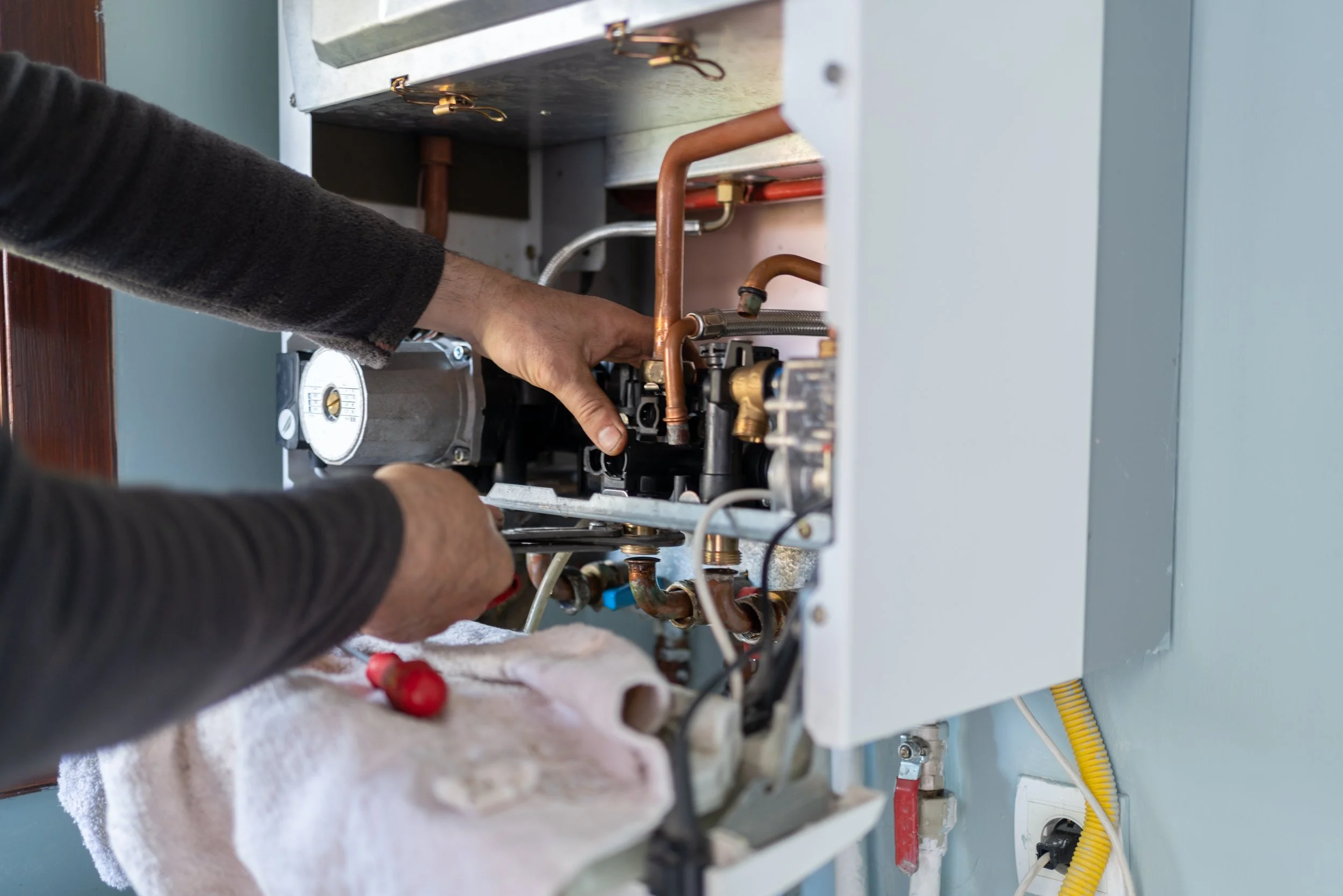
Hidden Costs and Budget Planning
The base installation price isn't always the final price. Here are the add-ons and upgrades that can increase your total investment — some necessary, some optional, all worth understanding before you sign a contract.
Ductwork Modifications and Repairs
We covered this briefly earlier, but it's worth emphasizing: ductwork issues are the most common source of unexpected costs. Budget for:
- Duct sealing: $600-$1,200 for mastic sealing of accessible ducts
- Additional return air ducts: $1,200-$2,400 per return
- Supply duct extensions: $400-$800 per room for new runs
- Duct insulation: $800-$1,600 for attic ductwork
- Full duct replacement: $3,500-$8,000 for severe issues
A good contractor will inspect your ductwork during the estimate and flag potential issues. If they don't mention ductwork at all, ask specifically. We've seen too many Romeo homeowners get a "great deal" on a new AC only to discover their ductwork was leaking 30% of the cooling capacity.
Thermostat Upgrades
Your existing thermostat might work with your new system, or it might need replacement. Modern thermostats offer features that older systems couldn't use:
- Basic programmable thermostat: $150-$250 installed (if your current thermostat is incompatible)
- Wi-Fi smart thermostat: $300-$450 installed (ecobee, Honeywell, Nest)
- Communicating thermostat: $400-$600 installed (required for premium variable-speed systems)
Smart thermostats typically pay for themselves in 2-4 years through better scheduling and remote control. If you're installing a 16+ SEER system, a smart thermostat makes sense. If you're installing a basic 14 SEER system, a simple programmable thermostat is fine.
Removal and Disposal
Most contractors include removal of your old system in their base price, but confirm this in writing. Proper disposal involves:
- Refrigerant recovery: Required by EPA regulations — the old refrigerant must be captured and recycled, not vented
- Equipment disposal: Hauling away the old condenser, evaporator coil, and refrigerant lines
- Site cleanup: Removing the old condenser pad, filling holes from old refrigerant lines
If removal isn't included, expect to pay $200-$400. Some contractors offer a "credit" if you handle disposal yourself, but unless you have a truck and know where to take old HVAC equipment (and how to legally handle refrigerant), it's not worth the hassle.
Financing Options and Payment Plans
Most HVAC contractors offer financing through third-party lenders. Common options in 2026:
- 0% APR for 12-24 months: No interest if paid in full within the promotional period. Read the fine print — if you don't pay off the balance, deferred interest kicks in retroactively at 18-24% APR.
- Low APR for 60-84 months: 5.99-8.99% APR for longer terms. Makes sense if you need lower monthly payments and plan to pay over several years.
- Home equity line of credit (HELOC): Often the cheapest option if you have equity and good credit. Rates typically 7-9% in 2026.
For a $6,500 AC installation financed at 7.5% over 5 years, you're looking at $130/month. Compare that to the energy savings from replacing a 15-year-old 10 SEER system with a new 16 SEER system — typically $40-60/month in Michigan summers — and the net cost is more manageable.
Some contractors also participate in utility rebate programs. Check with DTE and Consumers Energy for AC rebates — you might qualify for $150-$300 back on high-efficiency systems.
Maintenance Plans and Long-Term Costs
Your AC system needs annual maintenance to maintain efficiency and warranty coverage. Most manufacturers require proof of annual maintenance to honor warranty claims. Options include:
- Per-visit tune-ups: $120-$180 per visit, typically done in spring before cooling season
- Maintenance plans: $150-$300/year for scheduled tune-ups, priority service, and repair discounts
We offer the Next Care Plan for $5/month ($60/year), which includes two annual visits (spring AC tune-up and fall furnace tune-up), priority scheduling, 10% repair discounts, and no service call fees. For context, a single emergency service call in July costs $150-$200 just to show up — the maintenance plan pays for itself immediately if you need any off-schedule service.
Annual maintenance typically extends system life by 3-5 years and maintains efficiency within 95% of new performance. Skip maintenance and expect your system to lose 5% efficiency per year while wearing out faster. For a detailed breakdown, see our guide on what HVAC maintenance plans cover and why they pay off.
When to Replace vs Repair Your AC
Not every AC problem requires replacement. Sometimes a $400 repair makes more sense than a $6,000 replacement. Here's how to make that decision intelligently.
The Age and Efficiency Threshold
AC systems typically last 12-18 years in Michigan, depending on maintenance quality and usage. Use this framework:
- Under 8 years old: Repair unless the compressor failed (compressor replacement costs nearly as much as a new system)
- 8-12 years old: Evaluate case-by-case using the 50% rule (if repair cost exceeds 50% of replacement cost, replace)
- 12-15 years old: Lean toward replacement, especially if efficiency is below 13 SEER
- Over 15 years old: Replace — you're on borrowed time and efficiency is costing you money every summer
The 50% Rule: Repair Cost vs Replacement Value
Here's a practical decision framework: If the repair cost exceeds 50% of what a new system would cost, and your system is over 10 years old, replacement makes more financial sense.
Example: Your 13-year-old AC needs a new compressor. Repair cost: $2,400. Replacement cost: $5,800. The repair is 41% of replacement cost, but your system is 13 years old and only 12 SEER efficiency. Even if you repair it, you're looking at $200-300/year higher energy bills compared to a new 16 SEER system, plus the risk of another expensive repair in 2-3 years. Replacement is the smarter investment.
R-22 Refrigerant Phase-Out Impact
If your AC was installed before 2010, it probably uses R-22 refrigerant (also called Freon). R-22 production ended in 2020 due to environmental regulations. The refrigerant is still available as recycled stock, but prices have skyrocketed:
- R-22 price in 2020: $40-60 per pound
- R-22 price in 2026: $150-200 per pound
A typical recharge requires 6-10 pounds of refrigerant. If your R-22 system has a leak and needs a recharge, you're looking at $900-$2,000 just for refrigerant, plus labor to find and fix the leak. At that point, replacement with a modern R-410A or R-32 system makes economic sense.
If you have an R-22 system that's still running well, don't panic — keep maintaining it and plan for replacement in the next 2-3 years. But if it needs major repairs or refrigerant, it's time to upgrade.
Signs You Need Replacement, Not Repair
Some symptoms indicate your system is at end-of-life:
- Frequent repairs: If you've spent more than $1,000 on repairs in the last two years, you're throwing good money after bad
- Rising energy bills: If your summer electric bills have increased 20%+ over the last few years (adjusting for rate changes), your system is losing efficiency
- Uneven cooling: Some rooms hot, some cold, and adjusting vents doesn't help — often indicates undersized or failing equipment
- Excessive noise: Grinding, squealing, or banging sounds from the condenser usually mean bearing failure or compressor issues
- Humidity problems: If your home feels clammy even when the AC is running, the system isn't dehumidifying properly — common in oversized or aging systems
For more troubleshooting guidance, check our article on what AC noises mean and how to fix them.
Ready to Get Started?
NEXT Heating & Cooling has been keeping Michigan homes comfortable for over 35 years. Get honest diagnostics and fair pricing from NATE-certified technicians who show up on time. We'll perform a proper load calculation, explain your options clearly, and install your system right the first time.
Schedule Your Free EstimateGetting Started with Your AC Installation in Romeo & Leonard
You've got the pricing information and understand what drives costs. Here's how to move forward with confidence.
Get Multiple Quotes (But Don't Just Pick the Lowest)
Get at least three quotes from licensed Michigan contractors. Compare:
- Load calculation: Do they perform one, or just guess based on square footage?
- Equipment specs: Exact model numbers, SEER ratings, warranty terms
- Installation scope: What's included (permits, electrical work, ductwork inspection, removal)?
- Timeline: How soon can they start, and how long will installation take?
- References: Can they provide recent customer references in Romeo or Leonard?
The lowest bid often cuts corners — either on equipment quality, installation thoroughness, or both. The highest bid might include unnecessary upgrades. Look for the contractor who explains their recommendations clearly and backs them up with engineering (the load calculation).
Questions to Ask Every Contractor
Use these questions to evaluate contractors:
- "Do you perform Manual J load calculations, and can I see the report?"
- "What's your Michigan mechanical contractor license number?" (Verify at michigan.gov/lara)
- "Are your technicians NATE-certified?"
- "What's included in your installation price — permits, electrical work, ductwork inspection, removal?"
- "How do you handle refrigerant line sizing and charging?"
- "What warranty do you provide on labor, and what does the manufacturer warranty cover?"
- "Can you provide references from recent installations in Romeo or Leonard?"
Good contractors welcome these questions. Sketchy contractors get defensive or give vague answers. Trust your gut — if something feels off during the estimate, it'll be worse during installation.
Best Time to Install AC in Michigan
Timing affects both price and contractor availability:
- Best pricing: October-March — off-season means lower demand, more negotiating room, and faster scheduling
- Worst pricing: June-August — peak season means higher prices, longer wait times, and rushed installations
- Sweet spot: April-May — shoulder season offers reasonable pricing and availability before the summer rush
If your system dies in July, you don't have the luxury of waiting. But if you're planning a replacement, schedule it for spring or fall. You'll save money and get better attention from the installation crew.
Why Choose NEXT Heating & Cooling
We've been serving Romeo, Leonard, and Macomb County for over 35 years through Premier Builder Inc. What sets us apart:
- Proper engineering: We perform Manual J load calculations on every installation — not guesswork
- NATE-certified technicians: Our team has the training and credentials to install systems right
- No-pressure sales: We explain your options and let you decide — no commission-based upselling
- Transparent pricing: Detailed quotes that itemize equipment, labor, and any potential extras
- Local reputation: BBB A+ rating, community involvement with Habitat for Humanity and LifeBUILDERS
We're not the biggest HVAC company in Metro Detroit, and that's the point. We're the contractor your neighbor recommends because we showed up on time, did the work right, and treated them fairly. That's the same service you'll get.