

How to Reset a Furnace: Step-by-Step Guide for Michigan Homes

Your furnace stopped running in the middle of a January cold snap in Sterling Heights. The thermostat is calling for heat, but nothing happens. Before you call for emergency service, there is one troubleshooting step every Michigan homeowner should know: how to reset a furnace using the safety switch.
Most modern gas furnaces have a reset button that trips when a safety device detects a problem. Sometimes it is a minor issue, a dirty filter restricting airflow or a flame sensor that needs cleaning. Other times, it is a serious warning sign that your furnace is overheating or exhausting combustion gases improperly.
After 35 years of heating and cooling services in Metro Detroit, we have seen thousands of furnace resets. Some homeowners get their heat back in five minutes. Others discover a cracked heat exchanger or a blocked exhaust vent that could have caused carbon monoxide buildup.
This guide explains how to reset your furnace safely, why it tripped in the first place, and when to stop trying and call a NATE-certified technician.
What the Furnace Reset Button Actually Does
The reset button on your furnace is not a magic fix. It is the manual override for a safety switch that detected a problem and shut down the burner to protect your home.
Most residential gas furnaces in Southeast Michigan have at least three safety switches:
- Flame rollout switch: Detects flames spilling out of the combustion chamber instead of venting properly through the exhaust flue. This happens when the heat exchanger is cracked, the exhaust vent is blocked, or the burner is running too rich.
- High-limit switch: Monitors the temperature inside the furnace plenum. If the furnace overheats because the blower motor failed or airflow is severely restricted, this switch trips to prevent a fire.
- Pressure switch: Confirms that the draft inducer motor is pulling enough air through the combustion chamber to safely exhaust gases. If the exhaust vent is blocked by snow, ice, or a bird nest, the pressure switch prevents the burner from igniting.
When any of these switches trip, they cut power to the gas valve. The furnace will not ignite until you manually press the reset button or a technician clears the fault and restores the circuit.
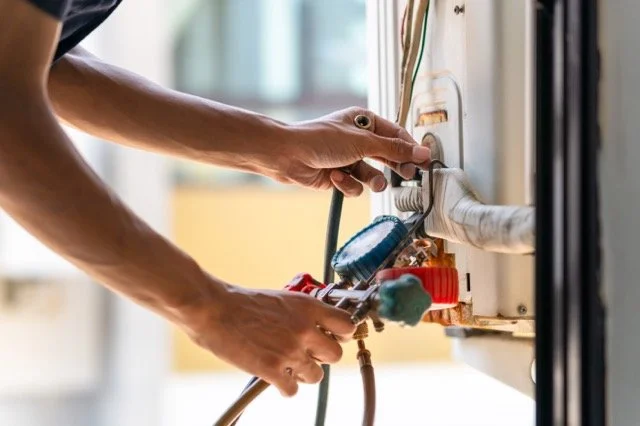
The reset button is usually red or yellow, located on the burner assembly or blower housing. On Carrier, Lennox, and Trane furnaces, it is often near the flame sensor or on the side of the blower compartment. On older Rheem and Bryant models, it may be mounted on the limit switch itself.
Safety note: If you smell gas or your carbon monoxide detector is alarming, do not attempt to reset the furnace. Leave the house immediately and call 911, then contact your utility company and a licensed HVAC contractor once it is safe to return.
Step-by-Step: How to Reset Your Furnace Safely
If your furnace has shut down and you want to attempt a reset before calling for service, follow this process exactly. Do not skip steps or press the reset button multiple times.
Step 1: Turn Off the Thermostat
Set your thermostat to OFF or switch the system selector from HEAT to OFF. This prevents the furnace from trying to ignite while you are working with it. Wait at your thermostat for at least 30 seconds before moving to the furnace.
Step 2: Wait 30 Seconds
Give the furnace control board time to fully power down. This clears any fault codes stored in the system memory and allows the safety circuits to reset. Skipping this step can cause the furnace to trip again immediately.
Step 3: Locate the Reset Button
Open the furnace access panel and look for a red or yellow button on the burner assembly or blower housing. It is usually near the flame sensor, gas valve, or on the side of the blower compartment. If you cannot locate it, check your furnace manual or look for a small button with "RESET" printed next to it.
On high-efficiency furnaces with sealed combustion chambers, the reset button may be behind a removable cover plate. Do not force any panels open. If you cannot access the button safely, call a technician.
Step 4: Press the Reset Button Once
Press the button firmly until you hear or feel a click. Press it only once. Do not repeatedly press the button or hold it down for more than a second. Multiple resets can flood the combustion chamber with unburned gas or damage the control board.
Step 5: Restore Thermostat Settings
Return to your thermostat and set it back to HEAT. Raise the temperature setting at least 3 degrees above the current room temperature to call for heat. Listen for the furnace to go through its startup sequence: draft inducer motor, igniter glow, gas valve click, burner ignition, blower motor.
Step 6: Monitor for Repeat Trips
If the furnace ignites and runs normally for at least 15 minutes, the reset was successful. The original trip may have been caused by a temporary issue like a power surge or a dirty flame sensor that self-corrected.
If the furnace trips again within a few hours, do not reset it a second time. Turn off the system and contact a technician. Repeated trips indicate a real problem that will not resolve itself.
Why Your Furnace Keeps Tripping (Common Causes)
If your furnace trips the reset button more than once in a 24-hour period, something is wrong. These are the most common causes we diagnose during 24-hour furnace repair calls in Michigan.
Dirty Flame Sensor
The flame sensor is a thin metal rod that sits in the burner flame and confirms ignition. Over time, it gets coated with carbon deposits and soot. When the sensor cannot detect the flame, the control board shuts off the gas valve after a few seconds. The furnace will attempt to ignite, fail, and trip the reset button.
This is the most common cause of furnace trips in homes that skip annual maintenance. A technician can clean the flame sensor in five minutes with fine steel wool or a soft brush.
Blocked Exhaust Vent
High-efficiency furnaces vent through PVC pipes that exit through the side of your house, not up a chimney. In Michigan winters, these vents can get blocked by snow drifts, ice buildup, or bird nests. When the pressure switch detects improper venting, it trips the safety circuit and prevents the burner from igniting.
We see this constantly in January and February after heavy snowfall in Clinton Township and Shelby Township. Homeowners shovel their driveways but forget to check the furnace exhaust vent on the side of the house. If you have a high-efficiency furnace, inspect the exhaust vent after every major snowstorm.
Failing Blower Motor
If the blower motor is weak or the capacitor is failing, the furnace cannot move enough air through the heat exchanger. The high-limit switch detects overheating and trips the reset button. You may hear the burner ignite, but the blower never starts or runs very slowly.
Blower motor issues are common in furnaces over 15 years old. The motor bearings wear out, the capacitor loses its charge, or the motor windings overheat. Replacing a blower motor typically costs $400 to $800 in Southeast Michigan, depending on the furnace model.
Cracked Heat Exchanger
This is the most serious cause of repeated furnace trips. The heat exchanger is the metal chamber where combustion gases heat the air that circulates through your home. Over time, the metal fatigues from repeated heating and cooling cycles. Cracks develop, allowing flames to roll out of the combustion chamber and trip the flame rollout switch.
A cracked heat exchanger is a safety hazard. Combustion gases can leak into your home's air supply, including carbon monoxide. If a technician finds a cracked heat exchanger, the furnace must be replaced. Heat exchangers are not economically repairable on residential furnaces, and most manufacturers will not warranty a replacement heat exchanger on a furnace over 10 years old.
Restricted Airflow from Dirty Filter
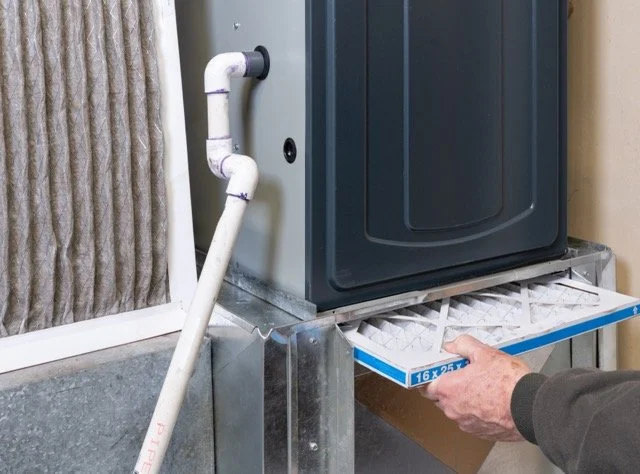
The simplest cause is often overlooked. A clogged furnace filter restricts airflow, causing the furnace to overheat and trip the high-limit switch. If you have not changed your filter in three months or longer, replace it before attempting a reset.
We cover filter replacement schedules in detail in our guide on how often to change your furnace filter in Michigan. Most homes need a new filter every 30 to 60 days during heating season.
When to Stop Resetting and Call for Help
A single furnace trip followed by a successful reset is usually not an emergency. But if you see any of these warning signs, do not attempt another reset. Turn off the furnace and call a technician immediately.
- Repeated trips within 24 hours: If the furnace trips more than once in a day, the safety switch is detecting a real problem. Continuing to reset the furnace can cause equipment damage or create a safety hazard.
- Visible soot or scorch marks: Black soot around the burner assembly or scorch marks on the furnace cabinet indicate incomplete combustion or flame rollout. This is a serious issue that requires professional diagnosis.
- Gas smell: If you smell natural gas or propane near the furnace, do not reset it. Leave the house, call 911, and contact your utility company.
- Carbon monoxide detector alarm: If your CO detector sounds while the furnace is running, evacuate immediately. Carbon monoxide is odorless and deadly. Do not re-enter the house until emergency responders clear it.
- Furnace age over 15 years: Older furnaces have worn components and fatigued heat exchangers. If your furnace is tripping safety switches and it is more than 15 years old, replacement may be more cost-effective than repeated repairs.
- Strange noises after reset: If the furnace ignites but makes loud banging, rumbling, or squealing noises, shut it down. These sounds can indicate a failing blower motor, cracked heat exchanger, or burner alignment issue.
We explain these warning signs in more detail in our post on what different furnace noises mean and when to call for help.
What to Expect During a Furnace Diagnostic Call
When you call NEXT Heating & Cooling for a furnace that keeps tripping, here is what our NATE-certified technicians check during the diagnostic process.
Visual Inspection
We start with a visual inspection of the furnace cabinet, burner assembly, and exhaust vent. We look for soot, scorch marks, rust, or corrosion that indicate combustion problems. We check the exhaust vent for blockages and confirm that the condensate drain is clear.
Flame Sensor and Igniter Test
We remove and inspect the flame sensor for carbon buildup. If it is dirty, we clean it with fine steel wool and test the microamp signal to confirm proper flame detection. We also inspect the hot surface igniter for cracks or damage.
Blower Motor and Capacitor Test
We test the blower motor capacitor with a multimeter to confirm it is holding the correct charge. We measure the amp draw on the blower motor and compare it to the manufacturer specifications. If the motor is drawing too many amps or struggling to start, it needs replacement.
Heat Exchanger Inspection
This is the most critical part of the diagnostic. We remove the burner assembly and inspect the heat exchanger with a high-intensity flashlight and inspection mirror. We look for visible cracks, rust-through, or warping. On high-efficiency furnaces with secondary heat exchangers, we may use a combustion analyzer to test for exhaust gas leaks.
If we find a cracked heat exchanger, we will not restart the furnace. We will explain your options for replacement and provide a written estimate.
Safety Switch Testing
We test the flame rollout switch, high-limit switch, and pressure switch with a multimeter to confirm they are functioning correctly. We also check the control board for fault codes that indicate which safety device tripped and why.
Airflow Measurement
We measure the temperature rise across the heat exchanger to confirm the furnace is moving enough air. If the temperature rise is too high, the blower motor is weak or the ductwork is undersized. We also inspect the filter, return air grille, and supply registers for restrictions.
After the diagnostic, we explain what we found, why the furnace tripped, and what repairs are needed. We provide upfront pricing with no hidden fees. If the furnace is beyond economical repair, we will explain your options for replacement and help you choose the right system for your home and budget.
Preventing Future Shutdowns with Maintenance
Most furnace trips are preventable with regular maintenance. A well-maintained furnace rarely trips safety switches because the components are clean, the airflow is unrestricted, and the combustion process is efficient.
Fall Furnace Tune-Up
Every Michigan furnace should be inspected and cleaned before heating season. A fall tune-up includes flame sensor cleaning, blower motor lubrication, heat exchanger inspection, exhaust vent check, filter replacement, and combustion analysis. We cover the complete checklist in our spring HVAC maintenance guide, which applies equally to fall furnace service.
NEXT Care Plan
The NEXT Care Plan is a $5/month maintenance subscription that includes two annual home visits: a fall furnace tune-up and a spring AC tune-up. Members get priority scheduling, 10% off repairs, and no service call fees.
The plan pays for itself if it prevents even one emergency repair. A furnace service call in January costs $150 to $200 just for the diagnostic. A flame sensor cleaning or blower motor capacitor replacement can run $200 to $400. The Care Plan costs $60 per year and includes both visits.
Filter Replacement Schedule
Change your furnace filter every 30 to 60 days during heating season. If you have pets, a dusty home, or run the blower fan continuously, change it every 30 days. A $5 filter can prevent a $500 blower motor replacement.
Exhaust Vent Inspection
If you have a high-efficiency furnace with PVC exhaust vents, inspect them after every major snowstorm. Clear away snow drifts and ice buildup. Make sure the vent termination is at least 12 inches above the expected snow line. If your vents are too low, a technician can relocate them to prevent winter blockages.
Ready to Get Started?
NEXT Heating & Cooling has been keeping Michigan homes comfortable for over 35 years. Get honest diagnostics and fair pricing from NATE-certified technicians who show up on time. No commission-based sales. No upselling unnecessary equipment.
Schedule Your ServiceFrequently Asked Questions
Reset your furnace only once. If it trips again within 24 hours, do not attempt another reset. Repeated trips indicate a real problem that requires professional diagnosis. Continuing to reset the furnace can cause equipment damage or create a safety hazard.
On most Carrier furnaces, the reset button is located on the burner assembly near the flame sensor or on the side of the blower compartment. It is usually red or yellow. Check your furnace manual for the exact location on your model. If you cannot locate it, contact a technician rather than forcing panels open.
If the furnace continues to trip after filter replacement, the problem is not airflow restriction. Common causes include a dirty flame sensor, blocked exhaust vent, failing blower motor, or cracked heat exchanger. A technician needs to perform a full diagnostic to identify the root cause.
A faulty thermostat can cause the furnace to short-cycle or fail to start, but it will not trip the reset button. The reset button is controlled by safety switches inside the furnace that detect overheating, flame rollout, or improper venting. These issues are not caused by thermostat problems.
A furnace diagnostic service call typically costs $150 to $200 in Southeast Michigan. This includes the technician visit, full system inspection, and written estimate for any needed repairs. NEXT Care Plan members receive no-cost diagnostics as part of their annual maintenance visits.
If the reset button pops out repeatedly, the safety switch is detecting a persistent problem. This is most commonly caused by a cracked heat exchanger, blocked exhaust vent, or failing blower motor. Do not continue resetting the furnace. Turn off the system and call a technician immediately.
If the furnace runs normally for at least 15 minutes after a single reset, it is generally safe to continue using it. However, schedule a maintenance visit to identify why the safety switch tripped in the first place. If the furnace trips again, turn it off and call a technician. Repeated trips indicate a safety issue that must be addressed.