

Winter Furnace Maintenance: What Michigan Homeowners Need

Most homeowners schedule furnace maintenance in the fall. Smart move. But Michigan winters test heating systems harder than almost any climate in the country, and a furnace that passed inspection in October can develop problems by February.
Polar vortex events drop temperatures to negative double digits. Lake-effect cold snaps force your furnace to run 18 hours a day. Ice dams block vent pipes. Heat exchangers crack under thermal stress. The same equipment that looked fine during a 50-degree tune-up can fail when it matters most.
Winter furnace maintenance is not about replacing your fall service. It is about catching problems that only show up under extreme conditions, before they leave you without heat at 2 AM on the coldest night of the year.
Why Michigan Winters Demand Mid-Season Furnace Checks
Southeast Michigan averages 6,500 heating degree days per year. That is 40% higher than the U.S. average. Your furnace runs more hours, cycles more frequently, and works harder than equipment in most of the country.
During polar vortex events, outdoor temperatures in Sterling Heights or Troy can drop to -15°F. Your furnace might run continuously for 12 to 18 hours trying to maintain 68°F indoors. That kind of runtime exposes weaknesses that never show up during a mild fall tune-up.
Heat Exchanger Stress From Temperature Swings
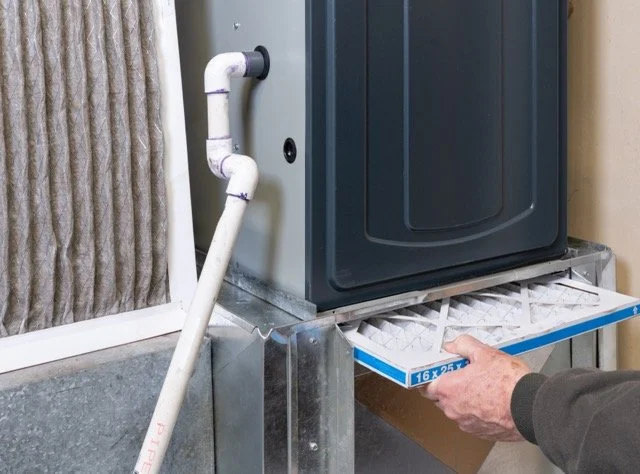
Heat exchangers expand and contract with every heating cycle. A furnace that cycles 8 times per day in October might cycle 25 times per day in January. Metal fatigue accelerates. Hairline cracks that were invisible in the fall can open up under sustained winter loads.
A cracked heat exchanger is not just an efficiency problem. It is a carbon monoxide risk. The Michigan Residential Code requires carbon monoxide alarms within 10 feet of every bedroom for good reason: furnace failures kill people every winter.
Vent Pipe Ice Blockages
High-efficiency furnaces (90+ AFUE) vent through PVC pipes on the side of your house. Condensation from combustion gases can freeze in those pipes during extreme cold, especially if the pipe slope is slightly off or insulation is inadequate.
A blocked vent pipe triggers a pressure switch lockout. Your furnace shuts down to prevent carbon monoxide from backdrafting into your home. This is a safety feature, not a malfunction, but it leaves you without heat until the blockage clears or a technician removes it.
We see this most often after ice storms in Chesterfield or Lake Orion, when temperatures stay below 10°F for three or four days straight. A 24/7 emergency HVAC service call to clear a frozen vent pipe costs $300 to $500. A winter maintenance check catches drainage issues before they freeze.
Blower Motor Fatigue
Blower motors run longer hours in winter. Bearings wear faster. Capacitors degrade under sustained loads. A motor that draws 6.2 amps in October might draw 7.8 amps by February, a sign that bearings are failing and the motor is working harder to move the same volume of air.
Technicians measure amp draw during winter maintenance visits. If the reading is climbing toward the motor's rated limit, we recommend replacement before it fails. A planned blower motor replacement costs $400 to $700. An emergency replacement on a Sunday night in January costs $800 to $1,200.
What Techs Check During Winter Furnace Maintenance
A winter maintenance visit is not the same as a fall tune-up. We are looking for problems that only show up under load: stress cracks, electrical component degradation, airflow restrictions, and combustion anomalies.
Heat Exchanger Inspection
We inspect the heat exchanger visually and with a combustion analyzer. Cracks, rust, or warping are immediate red flags. A damaged heat exchanger requires furnace replacement in most cases, because replacement heat exchangers for residential furnaces cost nearly as much as a new unit.
Carbon monoxide levels above 35 parts per million (ppm) in the flue gas indicate incomplete combustion, often caused by a cracked exchanger or blocked venting. Levels above 100 ppm are dangerous. We shut the furnace down immediately and red-tag the equipment.
Flame Sensor Cleaning
Flame sensors detect whether the burners ignited successfully. If the sensor is coated with carbon buildup or corrosion, it cannot read the flame properly. The furnace will light, run for three seconds, then shut down. Homeowners call this "short cycling," and it is one of the most common winter service calls we get in Royal Oak and Warren.
Cleaning a flame sensor takes five minutes and costs nothing if caught during a maintenance visit. An emergency service call to diagnose and clean it costs $150 to $250.
Blower Motor Amp Draw and Airflow Testing
We measure the current draw on the blower motor and compare it to the manufacturer's rating on the data plate. If the motor is pulling more amps than specified, bearings are failing or the wheel is dirty.
We also measure static pressure in the ductwork. High static pressure (above 0.8 inches of water column) means the blower is working harder than it should, usually because of a clogged filter, blocked return vents, or undersized ductwork. Over time, this shortens motor life and reduces heating efficiency.
Gas Pressure Testing
Natural gas pressure at the manifold should match the manufacturer's specification, typically 3.5 inches of water column for most residential furnaces. Too low, and the burners will not produce enough heat. Too high, and you risk overheating and premature component failure.
Gas pressure can drift over time due to regulator wear or changes in utility supply pressure. We test it with a manometer during every winter maintenance visit. Adjusting gas pressure requires a licensed technician and proper calibration tools. This is not a DIY job.
Vent Pipe and Condensate Drain Inspection
We check vent pipes for proper slope, secure connections, and signs of condensation freezing. On high-efficiency furnaces, we also inspect the condensate drain line and trap. A clogged trap triggers a safety switch that shuts the furnace down.
In older homes with basement furnace rooms, we see condensate drains that empty into floor drains. If that floor drain freezes or backs up, the furnace stops running. A $12 bottle of drain cleaner prevents a $300 service call.
Air Filter Condition
Winter air in Michigan is dry. Forced-air heating circulates more dust, pet dander, and particulate matter than you would see in summer. Filters clog faster.
A clogged filter restricts airflow, forces the blower motor to work harder, and reduces heating efficiency by 10% to 15%. In extreme cases, restricted airflow causes the limit switch to trip, shutting the furnace down to prevent overheating.
We check the filter during every visit. If it is dirty, we replace it. If you are using a cheap fiberglass filter, we recommend upgrading to a MERV 8 or MERV 11 pleated filter for better filtration and longer service life. Our DIY vs. professional HVAC maintenance guide covers filter selection in detail.
Signs Your Furnace Needs Immediate Attention This Winter
Some furnace problems can wait until your next scheduled maintenance visit. Others require immediate attention from a licensed HVAC contractor to prevent safety hazards or total system failure.
Short Cycling
If your furnace runs for 30 seconds to 3 minutes, shuts off, then restarts a few minutes later, it is short cycling. Causes include a dirty flame sensor, clogged air filter, oversized furnace, or failing limit switch.
Short cycling wastes energy, stresses components, and leaves cold spots in your house. If you notice it happening, call for service. Do not wait.
Yellow or Flickering Burner Flames
Healthy burner flames are steady and blue. Yellow, orange, or flickering flames indicate incomplete combustion, usually caused by insufficient air supply, dirty burners, or a cracked heat exchanger.
Incomplete combustion produces carbon monoxide. If you see yellow flames, shut the furnace off and call for emergency service. Do not run the equipment until a technician inspects it.
Carbon Monoxide Warning: Install carbon monoxide alarms within 10 feet of every bedroom, as required by Michigan Residential Code Section R315. Test them monthly. Replace batteries annually. Replace the entire alarm every 7 to 10 years.
Unusual Smells
A faint burning dust smell during the first few furnace cycles of the season is normal. Persistent or unusual smells are not:
- Rotten egg smell: Natural gas leak. Evacuate the house immediately and call your gas utility from outside. Do not flip light switches or use electronics.
- Metallic or chemical smell: Possible heat exchanger crack or electrical component failure. Shut the furnace off and call for service.
- Musty or moldy smell: Dirty evaporator coil, clogged condensate drain, or mold growth in ductwork. Not an emergency, but schedule service soon.
Cold Spots in the House
Uneven heating is common in older Michigan homes with poor insulation or undersized ductwork. But if cold spots develop suddenly, the problem is usually airflow-related: blocked registers, closed dampers, or duct leaks.
Check your supply registers and return vents first. Make sure they are open and unobstructed by furniture or drapes. If that does not fix it, you might have a duct leak or damper issue that requires professional diagnosis.
Rising Utility Bills
Your gas bill will always be higher in winter. But if your bill jumps 30% to 50% compared to the same month last year, and your thermostat settings have not changed, your furnace is losing efficiency.
Common causes include clogged filters, dirty blower wheels, failing heat exchangers, or duct leaks. A winter maintenance visit identifies the problem and restores efficiency before you waste hundreds of dollars on wasted energy. Our guide on why utility bills spike covers diagnostic steps in detail.
DIY Winter Furnace Maintenance Homeowners Can Do Safely
You do not need an HVAC license to keep your furnace running efficiently. There are several maintenance tasks you can and should do yourself between professional service visits.
Replace the Air Filter
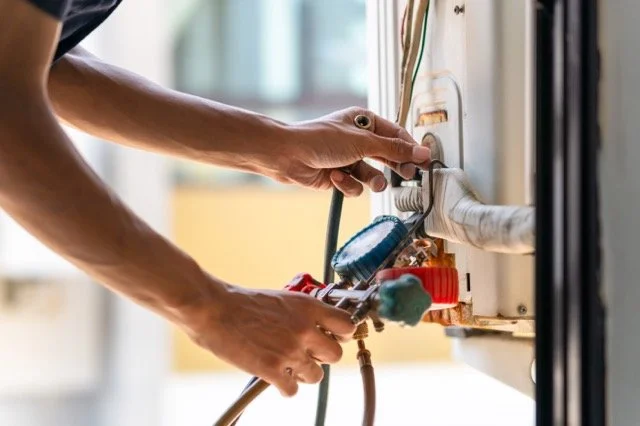
Check your filter monthly during winter. Replace it when it looks dirty, or every 30 to 90 days depending on filter type, household size, and whether you have pets.
Filters are rated by MERV (Minimum Efficiency Reporting Value). MERV 8 filters catch dust, pollen, and pet dander. MERV 11 filters catch smaller particles and are better for households with allergies or asthma. MERV 13 and higher filters are typically used in commercial buildings or homes with serious air quality concerns.
Do not use a MERV rating higher than your furnace is designed for. High-MERV filters restrict airflow if your blower motor is not powerful enough to push air through them. Check your furnace manual or ask a technician what MERV rating your system can handle.
Replace Thermostat Batteries
Most programmable thermostats run on AA or AAA batteries. When the batteries die, your furnace stops running. Replace them at the start of winter, even if the low-battery warning has not appeared yet.
If you have a smart thermostat (Nest, Ecobee, Honeywell Home), it might draw power from the furnace's control board and not need batteries. Check the manual to confirm.
Clean Registers and Return Vents
Dust and debris accumulate on supply registers and return vents, restricting airflow and reducing heating efficiency. Vacuum them monthly during winter. Remove the vent covers and vacuum inside the duct opening if you can reach it.
Make sure furniture, drapes, or storage boxes are not blocking vents. Blocked returns are especially problematic: they starve the furnace of air, force the blower motor to work harder, and can trigger limit switch shutdowns.
Clear Outdoor Vent Pipes
After heavy snow or ice storms, check that your furnace's outdoor vent pipes are clear. High-efficiency furnaces vent through PVC pipes on the side of the house, usually near ground level.
Snow drifts, ice buildup, or debris can block the vent, triggering a pressure switch lockout. Clear the snow carefully. Do not use sharp tools that might damage the pipe.
What NOT to Touch
Do not attempt to service the following components unless you are a licensed HVAC technician:
- Gas valves or gas lines: Gas leaks are deadly. Leave gas work to professionals.
- Electrical panels or control boards: Furnace control boards operate at 24 volts, but the blower motor and other components run on 120 or 240 volts. Electrical work requires proper tools and training.
- Heat exchanger: You cannot inspect a heat exchanger properly without removing panels and using diagnostic tools. A cracked heat exchanger is a carbon monoxide risk. Do not guess.
- Burners or flame sensors: Cleaning a flame sensor is simple, but accessing it requires removing furnace panels and working near live gas lines. Leave it to a technician.
Cost Reality: Winter Maintenance vs. Emergency Repair
Homeowners in Shelby Township and Clinton Township ask us all the time: is winter furnace maintenance worth the cost?
The math is straightforward. A winter maintenance visit from NEXT Heating & Cooling costs $125 to $175. That includes a full inspection, cleaning, testing, and a written report of any issues we find.
An emergency furnace repair on a Saturday night in January costs $300 to $500 just for the service call, before parts and labor. Common winter repairs include:
- Flame sensor cleaning: $150 to $250
- Blower motor replacement: $400 to $700 (planned) or $800 to $1,200 (emergency)
- Pressure switch replacement: $200 to $350
- Ignitor replacement: $150 to $300
- Heat exchanger replacement: $1,500 to $3,000 (often more cost-effective to replace the entire furnace)
Preventive maintenance catches most of these problems before they leave you without heat. A dirty flame sensor identified during a maintenance visit costs nothing to clean. The same sensor discovered during an emergency service call costs $200.
Next Care Plan: $5 Per Month for Year-Round Protection
Our Next Care Plan costs $60 per year ($5 per month). You get two annual home visits: a fall furnace tune-up and a spring AC tune-up. You also get priority scheduling, 10% off all repairs, and no service call fees.
If you need a mid-winter maintenance check because your furnace is acting up, Care Plan members skip the line. We prioritize your call over non-members. In January and February, when service demand is highest, that can mean the difference between same-day service and waiting three days.
The plan pays for itself if you need just one repair per year. Most members save $300 to $600 annually compared to paying for service calls and repairs individually. Our HVAC maintenance plan cost and ROI breakdown shows the numbers in detail.
When to Call a Licensed HVAC Technician
Some furnace problems are obvious emergencies: no heat, gas smell, carbon monoxide alarm going off. Others are judgment calls.
Call for service if you notice:
- Furnace short cycling or running continuously without reaching the set temperature
- Yellow or flickering burner flames
- Unusual smells (gas, metallic, chemical)
- Loud banging, scraping, or squealing noises
- Visible rust, corrosion, or soot around the furnace
- Utility bills that jump 30% or more without explanation
NEXT Heating & Cooling offers 24/7 emergency HVAC service across Macomb, Oakland, and St. Clair counties. If your furnace fails at 2 AM, we answer the phone. If it is truly an emergency, we send a truck.
What qualifies as an emergency? No heat when outdoor temperatures are below 20°F. Gas smell. Carbon monoxide alarm activation. Anything else can usually wait until regular business hours, which saves you the after-hours service fee.
Ready to Get Started?
NEXT Heating & Cooling has been keeping Michigan homes comfortable for over 35 years. Get honest diagnostics and fair pricing from NATE-certified technicians who show up on time.
Schedule Your ServiceFrequently Asked Questions About Winter Furnace Maintenance
Schedule professional furnace maintenance once per year, ideally in early fall before heating season starts. If you experience a polar vortex event or your furnace runs continuously for several days, consider a mid-winter check to catch stress-related problems. Homeowners with older furnaces (15+ years) or high-efficiency systems benefit from twice-yearly service.
Fall maintenance is preventive: cleaning, lubrication, and testing before the heating season starts. Winter maintenance is diagnostic: identifying problems that only show up under sustained high-load conditions like polar vortex cold snaps. Winter checks focus on heat exchanger integrity, vent pipe blockages, blower motor amp draw, and combustion efficiency under real-world stress.
Most homeowners can skip mid-winter maintenance if their furnace is running normally and they had a thorough fall tune-up. Schedule a winter check if you notice short cycling, unusual noises, rising utility bills, or if your furnace is older than 15 years. Homes in lake-effect snow zones or areas with frequent power outages should consider winter checks as added insurance.
A standard winter maintenance visit costs $125 to $175 in Macomb, Oakland, and St. Clair counties. This includes inspection, cleaning, testing, and a written report. Emergency service calls cost $300 to $500 before parts and labor. The Next Care Plan costs $60 per year and includes two annual visits (fall and spring), priority scheduling, and 10% off repairs.
First, check the thermostat batteries and make sure the furnace breaker is on. Check the air filter: a clogged filter can trigger a limit switch shutdown. Look for error codes on the furnace control board. If outdoor vent pipes are blocked by snow or ice, clear them carefully. If none of these steps restore heat, call for emergency service. Do not attempt to bypass safety switches or force the furnace to run.
You cannot reliably diagnose a cracked heat exchanger without professional tools. Warning signs include yellow or flickering burner flames, soot buildup around the furnace, unusual smells, or carbon monoxide alarm activation. Technicians use visual inspection, combustion analyzers, and pressure testing to confirm cracks. A cracked heat exchanger requires immediate furnace shutdown and replacement in most cases.
The Next Care Plan costs $60 per year and includes fall furnace and spring AC tune-ups, priority scheduling, 10% off repairs, and no service call fees. If you need just one repair per year, the plan pays for itself. Members save an average of $300 to $600 annually compared to paying for service calls individually. During peak winter demand, priority scheduling can mean same-day service instead of waiting three days for a truck.