

Goodman Furnace Repair: What Michigan Techs Fix Most Often
Goodman furnaces show up in thousands of Michigan homes. They deliver reliable heat at a price point that makes sense for families in Sterling Heights, Warren, and across Macomb County. Over 35 years of service calls, our techs have logged countless hours diagnosing, repairing, and maintaining these units. Certain problems surface again and again, especially when Michigan winters push furnaces to their limits.
This guide walks through the four most common Goodman furnace repairs we handle, what causes them, and what homeowners should expect when they call for service. If your Goodman furnace is acting up, you'll recognize the symptoms here. When you need furnace repair in Metro Detroit, understanding these patterns helps you make informed decisions about repair versus replacement.
Why Goodman Furnaces Are Popular in Michigan
Goodman Manufacturing built its reputation on affordability without sacrificing basic performance. For Michigan homeowners replacing a failed furnace in November, that value proposition matters. The upfront cost sits noticeably lower than Carrier, Lennox, or Trane equivalents, yet the units deliver consistent heat through polar vortex events and lake-effect cold snaps.
Parts availability gives Goodman another edge. Most HVAC supply houses in Southeast Michigan stock common Goodman components: pressure switches, igniters, flame sensors, and circuit boards. When your furnace quits on a Saturday morning in January, same-day parts access gets you back online fast. That matters when temperatures drop into single digits.
Real-world longevity data from our service records shows Goodman furnaces averaging 15 to 20 years in Michigan homes with proper maintenance. That's competitive with mid-tier brands. The key difference shows up in repair frequency: Goodman furnaces tend to need more service calls over their lifespan compared to premium brands, but the lower purchase price and accessible parts often balance the equation for budget-conscious homeowners.
Pressure Switch Failures
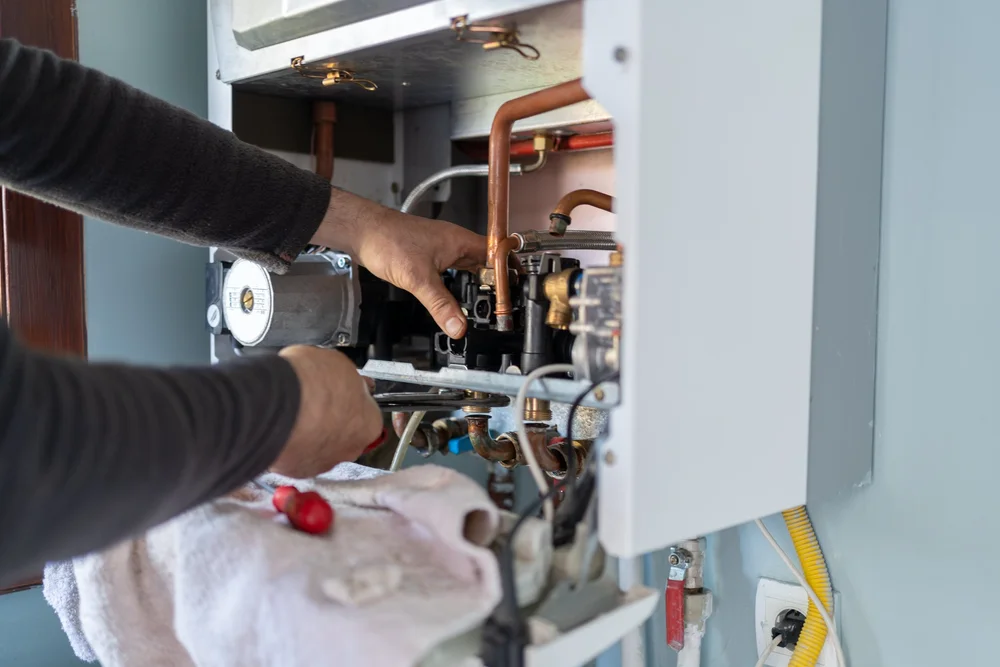
The pressure switch sits in the inducer assembly and monitors draft pressure. When the inducer motor pulls air through the heat exchanger, it creates negative pressure. The pressure switch confirms proper draft before allowing the ignition sequence to proceed. This safety mechanism prevents backdrafting combustion gases into your home.
Michigan winters stress this component hard. Temperature swings from 10°F to 40°F in a single day cause expansion and contraction in the rubber diaphragm inside the switch. Ice buildup around vent pipes can restrict airflow, forcing the inducer to work harder and creating pressure fluctuations. Over time, the diaphragm loses elasticity or develops small tears.
Symptoms appear suddenly. Your furnace starts its cycle: you hear the inducer motor spin up, then nothing. The sequence stops cold. Some models flash error codes (typically three blinks on Goodman units), but older models give no indication beyond silence. Homeowners often describe it as "the furnace tries to start but shuts right back down."
Pressure switch replacement takes 30 to 45 minutes for an experienced tech. The part costs between $80 and $150 depending on the model. Labor adds another $100 to $200. Total repair typically runs $180 to $350. We stock common Goodman pressure switches on our trucks, so most repairs happen same-day. If you're experiencing similar issues with other brands, check out our guide on Amana furnace repair patterns for comparison.
Tech Tip: If your pressure switch fails twice within three years, investigate the vent system. Restricted airflow from bird nests, ice dams, or improper vent termination can cause premature switch failure. Fixing the root cause saves money long-term.
Hot Surface Ignitor Replacements
Goodman furnaces use hot surface igniters (HSI) instead of pilot lights. These ceramic elements glow orange-hot (around 2500°F) to ignite the gas burners. Two materials dominate: silicon carbide (older models) and silicon nitride (newer models). Silicon carbide igniters last 3 to 5 years on average. Silicon nitride versions stretch to 7 to 10 years but cost more.
Ignitor failure follows predictable patterns. The element develops microfractures from repeated thermal cycling: cold to 2500°F and back, multiple times per day through a Michigan winter. Eventually, electrical resistance increases until the ignitor can't reach ignition temperature. Some fail suddenly. Others weaken gradually, taking longer to glow or failing only on the coldest mornings when your furnace cycles most frequently.
The symptom is unmistakable: your furnace runs through its startup sequence, the inducer motor hums, but the burners never light. On some Goodman models, you can see the ignitor through the observation window. If it glows dull red instead of bright orange, or doesn't glow at all, replacement is needed.
Ignitor replacement is straightforward. A tech shuts off power and gas, removes the burner assembly access panel, disconnects the old ignitor (two screws and a wire harness), and installs the new one. Total time: 20 to 30 minutes. Parts run $60 to $120. Labor adds $100 to $150. Expect $160 to $270 total. We carry common Goodman igniters on every truck because this repair is so frequent.
Preventive maintenance catches weakening igniters before they fail. During a fall tune-up, techs measure ignitor resistance with a multimeter. High resistance indicates imminent failure. Replacing it proactively during a scheduled visit costs less than an emergency service call on a 15°F night. Our $5/month HVAC maintenance plan includes this diagnostic check twice yearly.
Flame Sensor Cleaning and Replacement
The flame sensor is a thin metal rod positioned in the burner flame path. It carries a small electrical current. When flame surrounds the rod, ions in the flame complete the circuit, confirming ignition. If the circuit doesn't close within seconds, the gas valve shuts off for safety. This prevents unburned gas from accumulating in the heat exchanger.
Carbon buildup is the enemy. Michigan's humid summers and dusty springs create conditions for carbon deposits on the sensor rod. Even a thin film disrupts the electrical signal. The furnace lights, runs for 3 to 5 seconds, then shuts down. This cycle repeats endlessly. Homeowners hear the burners ignite, feel a brief puff of warm air, then watch the furnace quit. Frustrating and concerning.
Cleaning the flame sensor is simple maintenance. A tech removes the sensor (one screw), lightly sands the rod with fine-grit sandpaper or an emery cloth, and reinstalls it. Total time: 10 minutes. Many homeowners handle this themselves after watching a tech do it once. The part is accessible on most Goodman furnaces without removing major components.
However, cleaning doesn't always solve the problem. If the sensor rod is pitted, corroded, or cracked, replacement is necessary. A new flame sensor costs $20 to $40. Professional installation adds $80 to $120 for service call and labor. Total: $100 to $160. If you're comfortable with basic tools, this is one repair you can tackle yourself to save money. Just shut off power and gas first.
Flame sensor issues share symptoms with other problems. If cleaning doesn't fix the short-cycling, the issue might be your furnace short-cycling for other reasons like oversizing, thermostat problems, or restricted airflow. A proper diagnostic separates sensor issues from deeper problems.
Inducer Motor Problems
The inducer motor sits at the top of the furnace and pulls air through the heat exchanger before ignition. This creates draft, vents combustion gases safely outside, and ensures proper air-fuel mixture. The motor runs continuously during the heating cycle, spinning at 3000+ RPM for hours each day during Michigan winters.
Bearing wear is the primary failure mode. The motor shaft rides on ball bearings that eventually lose lubrication or develop scoring. You'll hear the problem before the furnace quits: a grinding, squealing, or rattling noise from the top of the unit. Some motors develop a loud hum without spinning. Others spin but wobble, creating vibration that travels through ductwork.
Inducer motor problems often worsen gradually. The noise starts faint, noticeable only when you're standing next to the furnace. Over weeks, it grows louder. Eventually, the motor seizes or the bearings fail completely, and the furnace won't start. The pressure switch won't close without proper draft, so the ignition sequence never begins.
Repair versus replacement depends on motor design. Some Goodman inducer motors allow bearing replacement, which costs $150 to $250 including labor. Most techs recommend full motor replacement for reliability: $300 to $500 total. The motor itself runs $150 to $300, labor adds another $150 to $200. Expect 1 to 2 hours for the job, including testing.
Parts availability varies by model. Common Goodman GMVC and GMS series motors stock readily. Older or less common models might require ordering, adding 1 to 3 days. If your furnace is 15+ years old and the inducer fails, this repair prompts the repair-versus-replace conversation. A $500 inducer motor on a furnace nearing end-of-life might not make economic sense.
Goodman Model-Specific Issues
Goodman's GMVC series (multi-speed, variable-capacity models) and GMS series (single-stage models) dominate Southeast Michigan installations. Each has quirks techs recognize immediately.
GMVC models from the mid-2010s have circuit board vulnerabilities. The integrated furnace control (IFC) board handles ignition timing, blower speed, and safety lockouts. Power surges during summer storms can damage the board's relay circuits. Symptoms include erratic blower behavior, failure to ignite, or error codes that don't match actual component failures. Board replacement runs $250 to $400 for the part, plus $150 to $200 labor.
GMS single-stage models are mechanically simpler and more robust. Fewer electronic controls mean fewer failure points. These workhorses run for decades with basic maintenance. When they do fail, it's usually the pressure switch, ignitor, or flame sensor discussed earlier. Parts cost less than GMVC equivalents because the components are simpler.
Older Goodman models (pre-2010) used different ignition systems and controls. Parts availability becomes challenging after 15 years. Supply houses stop stocking obsolete components. Special orders add time and cost. If you own a pre-2010 Goodman and face a major repair, replacement often makes more sense than hunting for discontinued parts. For comparison, see how Lennox furnace repair patterns differ with their premium components.
Model Identification: Your Goodman furnace model and serial numbers appear on a metal tag inside the blower compartment door. The model number tells us the series, capacity, and efficiency rating. Have this information ready when you call for service to speed diagnosis and parts ordering.
When to Repair vs. Replace Your Goodman Furnace
The 50% rule guides this decision: if repair costs exceed 50% of replacement cost and your furnace is over 15 years old, replacement usually wins. A $600 repair on a 17-year-old Goodman furnace that would cost $3,500 to replace sits right on the edge. Factor in efficiency gains, future repair likelihood, and remaining lifespan.
Age matters more than many homeowners realize. A 10-year-old Goodman with a failed inducer motor ($400 repair) still has 8 to 10 years of service ahead. Repair makes sense. That same repair on an 18-year-old unit buys you maybe 2 to 4 more years, with increasing odds of additional failures. Heat exchangers, blower motors, and gas valves all age together.
Efficiency is another consideration. Older Goodman furnaces run at 80% AFUE (Annual Fuel Utilization Efficiency). New models hit 95% to 98% AFUE. On a typical Michigan heating bill of $1,200 per winter, upgrading from 80% to 96% AFUE saves roughly $240 annually. A $3,500 furnace pays for itself in energy savings over 14 to 15 years, not counting avoided repair costs.
Multiple recent repairs signal end-of-life. If you've replaced the pressure switch, ignitor, and inducer motor within two years, other components are likely failing soon. The heat exchanger could develop cracks. The blower motor bearings might be wearing. At this point, you're maintaining an aging system with diminishing returns. Our licensed HVAC contractors provide honest assessments without pressure to upsell.
When replacement makes sense, proper sizing is critical. Many Michigan homes have oversized furnaces from decades past when contractors used rules of thumb instead of Manual J load calculations. An oversized furnace short-cycles, wastes energy, and wears out faster. We perform detailed furnace sizing calculations before recommending equipment to ensure proper capacity for your home's actual heat loss.
What to Expect During a Goodman Furnace Repair Visit
Our diagnostic process follows a systematic sequence. The tech arrives with common Goodman parts on the truck: pressure switches, igniters, flame sensors, and capacitors. We start by listening to your description of symptoms: when the problem started, what sounds you hear, how the furnace behaves.
Visual inspection comes next. We check for obvious issues: tripped breakers, closed gas valves, dirty filters, blocked vents. Many service calls resolve here. A homeowner accidentally switched off the furnace breaker while changing a light bulb. A filter hasn't been changed in two years and airflow is strangled. Simple fixes save you the cost of parts and extensive labor.
If the problem isn't obvious, we run the furnace through its cycle while monitoring with diagnostic tools. A multimeter measures voltage at key points. We check pressure switch operation, ignitor resistance, flame sensor current, and gas valve function. Error codes on the control board guide us toward specific components. Goodman's LED diagnostic system flashes patterns that indicate pressure switch failure, flame sensor issues, or ignition problems.
Parts replacement happens on-site when we stock the component. Most common repairs finish within an hour. If we need to order a part, we explain lead times (usually 1 to 3 days for Goodman components) and provide temporary solutions when possible. For a failed ignitor in January, we might install a used but functional ignitor from our shop to get you through the weekend while the new part arrives.
Warranty coverage varies. Goodman offers a 10-year parts warranty on many components when the furnace is registered within 60 days of installation. Labor isn't covered, but the part is free. Unregistered units drop to a 5-year parts warranty. If your furnace qualifies, we handle the warranty claim paperwork and you pay only for labor. Keep your original installation documents to verify warranty status.
After repair, we test the furnace through multiple cycles to confirm proper operation. We check combustion with a gas analyzer to ensure safe, efficient burning. We measure temperature rise across the heat exchanger to verify airflow. We inspect the vent system for proper draft. You get a detailed invoice showing exactly what we found, what we fixed, and what (if anything) needs attention in the future.
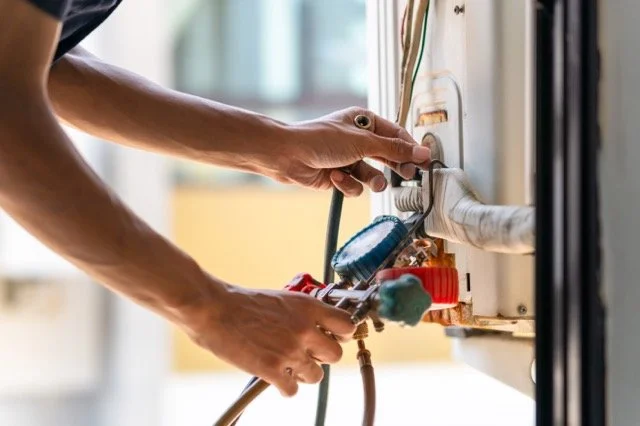
Understanding what happens during a service call helps set expectations. Our techs explain findings in plain language, show you the failed component, and discuss options without pressure. Transparency builds trust. If you're comparing service call costs across contractors, read our breakdown of what you're paying for in an HVAC service call.
Preventive Maintenance for Goodman Furnaces
Regular maintenance extends furnace life and prevents most emergency repairs. Two tasks matter most: filter changes and annual tune-ups.
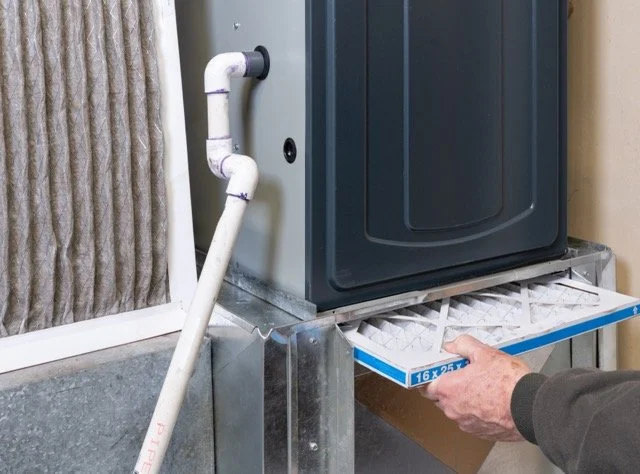
Filter changes should happen every 1 to 3 months depending on your home. Homes with pets, smokers, or high dust levels need monthly changes. Standard households can stretch to 3 months. A clogged filter restricts airflow, forcing the blower motor to work harder and stressing the heat exchanger. Reduced airflow causes overheating, triggering safety limits that shut down the furnace.
Use the filter size and MERV rating specified in your furnace manual. Most Goodman furnaces work best with MERV 8 to MERV 11 filters. Higher MERV ratings (13+) restrict airflow unless your system is designed for them. If you're concerned about indoor air quality and allergens, read our comparison of MERV 16 vs. HEPA filters for Michigan allergies.
Annual tune-ups catch problems early. A fall furnace inspection includes:
- Cleaning or replacing the flame sensor
- Testing ignitor resistance to predict failure
- Checking pressure switch operation
- Inspecting heat exchanger for cracks
- Testing gas pressure and combustion efficiency
- Lubricating blower motor bearings (if accessible)
- Checking electrical connections for corrosion
- Verifying proper vent draft and termination
This inspection takes 60 to 90 minutes and costs $100 to $150 as a standalone service. Our Next Care Plan includes two annual visits (fall furnace, spring AC) for $60 per year, plus priority scheduling and 10% off repairs. For homeowners in Royal Oak, Troy, or Shelby Township managing busy schedules, the subscription model ensures maintenance happens on schedule without needing to remember to call.
Preventive maintenance data from our service records shows clear patterns. Furnaces on annual maintenance schedules average 40% fewer emergency repairs over their lifespan compared to units serviced only when they break. The cost of two tune-ups per year ($120 to $160) is less than a single emergency service call for a failed ignitor on a January night.
Need Goodman Furnace Repair in Southeast Michigan?
NEXT Heating & Cooling has been keeping Michigan homes comfortable for over 35 years. Our NATE-certified technicians diagnose Goodman furnace problems fast and carry common parts on every truck. Get honest answers and fair pricing without the upsell pressure.
Schedule Your Service